10 Ways To Choose Hair Curling Products For Soft And Defined Results
Learn how to choose curl creams, gels and leave-ins that enhance definition, control frizz and keep curls soft, bouncy and touchable, without the stiff, crunchy finish.

Best Hair Care Products For Soft, Defined And Frizz-Free Curls
Curly hair has a personality of its own. Some mornings, it forms neat spirals that deserve their own slow-motion advertisement. On other days, it expands in every direction before breakfast has even reached the table. This unpredictability often pushes people towards strong gels, thick creams and generous amounts of mousse. The result may look defined at first, but a few hours later, the curls feel rigid, sticky or coated. Running fingers through them becomes impossible, and scrunching produces a sound suspiciously similar to opening a packet of chips. Crunchiness is not always a sign that a product is bad. Many styling gels form a temporary cast around the curls as they dry. That cast can protect the shape and reduce frizz. The problem begins when it refuses to soften, flakes across the shoulders or leaves hair feeling rough.
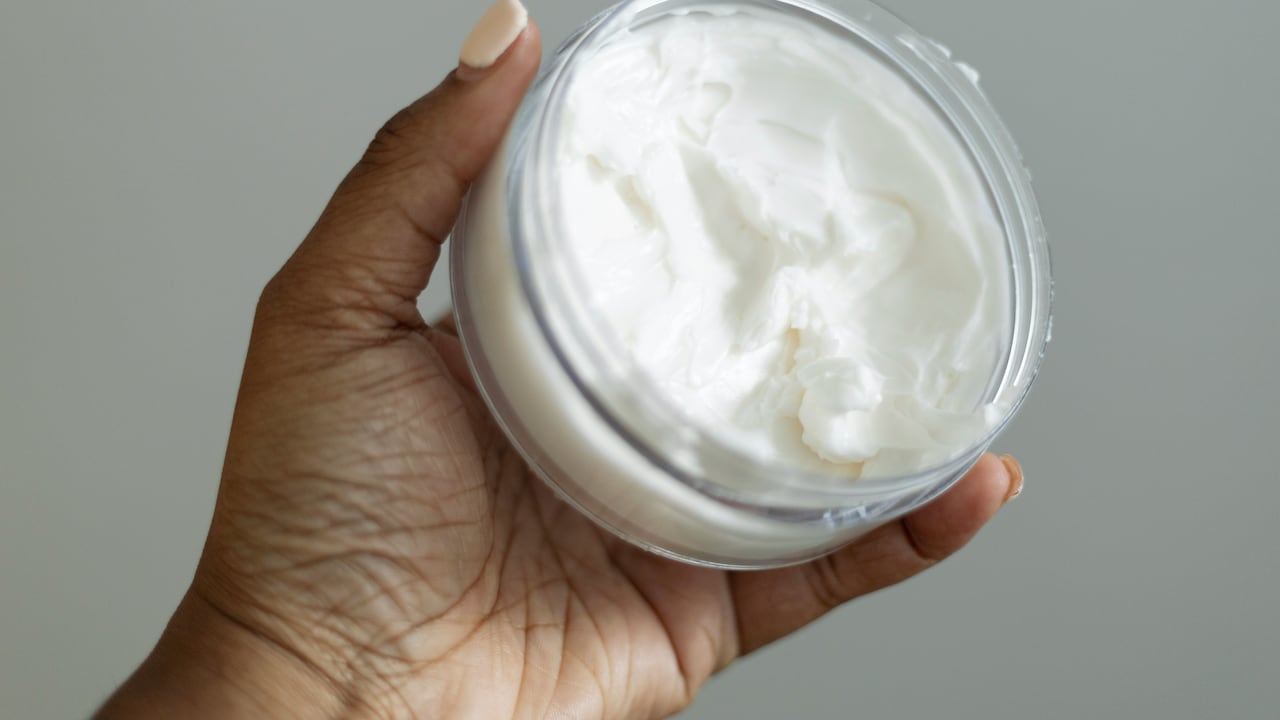
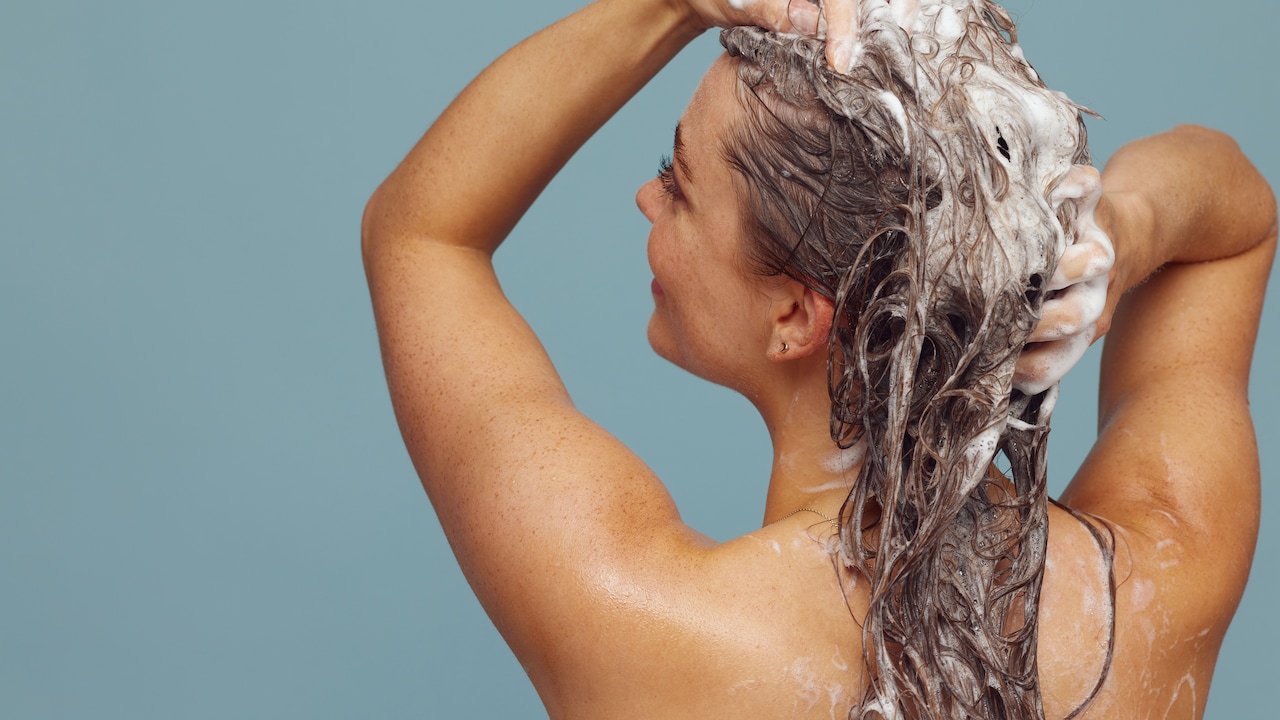
Best Hair Care Products For Soft, Defined And Frizz-Free Curls; Photo Credit: Pexels
Choosing the right curl products involves more than buying anything with “curl defining” printed on the label. Hair density, porosity, climate, ingredients and application technique all matter. A light gel may work beautifully for fine waves, while thick coils may need a richer leave-in beneath it. Here is how to choose products that give curls structure while keeping them soft, flexible and gloriously bouncy.
10 Ways To Choose Curl Products For Soft, Defined Results
Understand Your Curl Pattern Without Becoming Obsessed With Labels
Curl charts can offer a useful starting point, but they should not become a personality test for hair. Most heads carry more than one pattern. Loose waves may sit near the crown, while tighter curls gather around the ears or nape.
Instead of focusing only on whether the hair falls into a particular type, observe how it behaves. Does it lose shape within two hours? Does it become greasy with cream? Does it absorb water quickly but dry out just as fast? These details reveal more than a number or letter on a chart.
Loose waves generally respond well to lightweight foams, mousses and runny gels. Rich butters can drag them down and make them appear limp. Tighter curls often benefit from leave-in conditioners, curl creams and stronger gels layered in small amounts.
Shrinkage also matters. Products that promise elongation may soften curled hair tightly, but too much weight can flatten the roots. A balanced product should support the natural pattern rather than force it into a shape it cannot maintain.
Use curl categories as a map, not a strict rulebook. Hair rarely follows rules anyway. It behaves more like a relative at a wedding: unpredictable, expressive and determined to do things its own way.
Also Read: Luxury Haircare Edit: Must-Try Products From K18, Olaplex And OUAI
Check Hair Porosity Before Choosing Heavy Or Light Products
Porosity describes how easily hair absorbs and holds moisture. It plays a major role in deciding whether a product will sink in, sit on top or disappear without doing much.
Low-porosity hair has tightly packed cuticles. Water may bead on the surface, and thick creams often leave it feeling waxy. Lightweight leave-ins, milky lotions and water-based gels usually work better. Warm water during washing can also help products spread more evenly.
High-porosity hair absorbs moisture quickly because the cuticle layer has gaps. It may dry fast, frizz easily and feel rough by evening. Richer creams, oils and sealing gels can help reduce moisture loss. Products containing proteins may also provide temporary strength, though too much protein can make the hair feel brittle.
A simple observation works better than dramatic online experiments involving floating strands in glasses. Notice how long the hair takes to become fully wet and how quickly it dries. Also pay attention to whether products vanish immediately or remain visible for hours.
Porosity can change after colouring, heat styling or chemical treatments. A routine that worked last year may suddenly feel wrong. Choosing products according to present behaviour prevents waste, disappointment and another half-used jar joining the bathroom shelf collection.

Best Hair Care Products For Soft, Defined And Frizz-Free Curls; Photo Credit: Pexels
Look For Water High On The Ingredient List
Soft definition begins with moisture. For most curl products, water should appear near the top of the ingredient list. It creates slip, helps products spread and allows curls to clump without feeling heavily coated.
Water-based gels tend to feel lighter than formulas dominated by waxes, heavy oils or thick butters. They suit humid conditions particularly well when paired with the right holding ingredients. A gel may look thick in the jar yet still spread easily when applied to soaking-wet hair.
Humectants such as glycerine, aloe vera, honey derivatives and propylene glycol attract moisture. They can make curls feel soft and flexible. However, weather affects how they perform. During a very humid monsoon, high amounts of glycerine may pull too much moisture into the hair, causing frizz and swelling. In extremely dry weather, it may draw moisture away from the strand.
There is no need to fear every unfamiliar chemical name. Cosmetic ingredients often sound more intimidating than they are. Focus on how the complete formula performs rather than judging one ingredient in isolation.
A good water-rich styler should glide through the hair without requiring half the tub. It should also rinse away easily. If shampooing feels like removing wall putty, the formula may be too heavy for regular use.
Choose Flexible Hold Instead Of Maximum Hold
Packaging often treats “maximum hold” as the ultimate achievement. For curls, stronger is not always better. Extreme-hold gels can create impressive definition, but they may also leave strands rigid, flat and uncomfortable.
Flexible-hold products allow curls to move while keeping their shape. Look for descriptions such as soft hold, medium hold, touchable definition or flexible control. These formulas work well for everyday styling, especially when hair needs to survive commuting, office air-conditioning and sudden weather changes.
Strong hold still has a place. It can protect curls during humid months, long events or days when definition must last from morning chai to late-night dessert. The key is using a small amount over a moisturising leave-in rather than coating every strand with a thick layer.
Hair density affects hold requirements too. Fine curls may become stringy under a heavy gel. Dense curls can sometimes absorb the same amount without losing volume.
Test hold by applying a small quantity to one section. Once dry, scrunch the curl gently. A good product should release its cast and reveal soft hair underneath. If the section remains stiff after scrunching, either the gel is too strong, too much was applied, or the hair needed more moisture beneath it.
Learn The Difference Between A Gel Cast And True Crunchiness
A gel cast can look alarming during the drying stage. Curls may feel hard, shiny and slightly stiff. This does not always mean the routine has failed. The cast acts like scaffolding, holding each curl in place while water evaporates.
Once the hair is completely dry, the cast can be broken by gently scrunching upwards. A drop of lightweight serum or oil rubbed between the palms can reduce friction. The curls should become softer while retaining their shape.
True crunchiness feels different. It remains after scrunching and may come with stickiness, flaking or roughness. The hair may also feel coated and difficult to refresh the next day. This often happens when too much product is applied, incompatible products are layered, or the formula contains more hold than the hair needs.
Never scrunch out a cast while the hair is damp. Doing so can disturb the curl pattern and invite frizz before the style has set. Patience matters, even when the drying process seems longer than a family group discussion.
A successful cast should vanish in the final result. Think of it as temporary packaging. It protects the curl during delivery, but nobody wants to keep the cardboard box on display.
Avoid Overloading Curls With Butters, Waxes And Heavy Oils
Rich ingredients can be comforting, especially when labels mention shea butter, cocoa butter, castor oil or coconut oil. Yet more nourishment does not automatically mean better curl definition.
Heavy butters can sit on fine or low-porosity hair, causing curls to stretch, separate and lose bounce. Waxes may create instant smoothness but build up over time. Some oils seal the strand so effectively that water-based products struggle to penetrate during the next wash.
This does not mean these ingredients must disappear from every routine. Thick, dry or tightly curled hair may respond beautifully to them. The amount and placement matter. A pea-sized portion on the ends may provide softness, while a palmful across the roots may leave the hair looking as though it missed wash day.
Check how the product feels between the fingers. A curl cream should spread easily and disappear with gentle rubbing. If it remains greasy or sticky on the skin, it may also feel heavy on the hair.
Start with less than the label suggests. More can always be added, but removing excess usually requires another wash. That is rarely welcome after spending an entire Sunday morning detangling.
Pay Attention To Proteins And Moisturising Ingredients
Protein can improve curl structure, especially in hair weakened by colouring, straightening or frequent heat styling. Ingredients such as hydrolysed keratin, wheat protein, rice protein and silk amino acids can temporarily fill damaged areas and help curls hold their shape.
However, protein-rich products may cause stiffness when used too often. Hair can begin to feel dry, rough or straw-like, even after conditioning. This is sometimes mistaken for product crunch, though the real issue may be an imbalance between strengthening and moisturising ingredients.
Moisturising formulas often include panthenol, aloe vera, fatty alcohols and conditioning agents. Fatty alcohols such as cetyl alcohol and stearyl alcohol are not the drying kind many people fear. They can soften the hair and improve slip.
Pay attention to the hair after wash day. If curls feel overly soft, limp and unable to hold definition, a little protein may help. If they feel rigid and snap easily, a protein-free moisturising routine may be more suitable for a while.
Balance matters more than loyalty to one ingredient trend. Hair does not need to follow every viral routine. It needs products that respond to its current condition, even when that condition changes faster than seasonal wardrobe plans.

Best Hair Care Products For Soft, Defined And Frizz-Free Curls; Photo Credit: Pexels
Test Whether Your Products Layer Well Together
A leave-in may perform beautifully on its own, and a gel may earn glowing reviews. Yet when combined, they can produce flakes, white residue or tiny clumps that resemble dandruff.
This happens because some formulas do not layer well. Certain conditioning agents, oils and styling polymers can interact and form visible particles. Applying too much product makes the problem worse.
A quick palm test can help. Rub a small amount of leave-in between the hands, add a little gel and mix them together. If the combination stays smooth, the products will probably layer well. If it curdles, rolls into bits or turns lumpy, use them separately.
Application timing also matters. Products usually blend better on very wet hair. Water dilutes the formulas, helps them spread and encourages curls to gather into defined clumps. Spraying more water between sections can prevent patchy results.
Allowing a thick cream to sit for several minutes before adding gel may sometimes improve layering. In other cases, applying products one after another works best.
Treat product layering like making a good chutney. The ingredients may all be excellent, but the proportions must work together. Otherwise, the final texture becomes the main topic of conversation for all the wrong reasons.
Match The Product To Your Climate And Daily Routine
A curl product does not exist in a laboratory once it reaches the hair. It faces humidity, dust, sweat, air-conditioning, helmet friction and crowded commutes. Climate and routine can completely change how a formula performs.
Humid weather usually calls for stronger hold and ingredients that form a protective film around the hair. Gels containing styling polymers can reduce swelling and help curls maintain their shape. During drier months, softer creams and hydrating mousses may prevent roughness.
People who exercise regularly may prefer lightweight products that refresh easily and do not build up at the scalp. Those who wear helmets may need a firm but flexible gel, along with a satin scarf or smooth liner to reduce friction.
Think about wash frequency too. A strong gel may last four days, but it may not suit someone who washes every evening after travel. A lighter mousse could feel more practical and comfortable.
Price also matters. An expensive curl cream is not automatically more effective than a ₹500 formula. Check the quantity, the amount needed per use and how long the result lasts. A slightly costlier product may offer better value when only a teaspoon is required.
The best styler fits real life, not an imaginary routine involving perfect weather and unlimited drying time.
Start With Small Quantities And Adjust Your Application
Many crunchy curl problems come from using too much product rather than choosing the wrong one. Styling videos often show generous scoops, but those amounts may suit much longer, thicker or denser hair.
Begin with a small quantity. Use a coin-sized amount for each large section, then add more only where needed. The hair should feel slippery and coated, not sticky or saturated with cream.
Apply products to soaking-wet hair for softer clumps. Techniques such as praying hands, gentle raking and scrunching can distribute the formula without breaking the pattern. Fine curls may prefer light scrunching, while dense curls may need section-by-section application.
Drying method affects the finish as well. Touching curls while they dry can disturb the cast and create uneven texture. Air-drying offers simplicity, while diffusing on low heat and low airflow can improve volume and speed.
Once fully dry, scrunch gently to soften any cast. Shake the roots rather than dragging fingers through the lengths.
Keep notes for a few wash days. Record the amount used, the weather and the final result. Curl care involves a little experimentation. Fortunately, it is less expensive than buying five new products after every disappointing wash.
Read Reviews Carefully But Trust Your Own Hair
Online reviews can help narrow down choices, but curl products rarely behave the same way on everyone. A gel described as weightless may feel heavy on fine hair. A cream called intensely nourishing may disappear into dense, porous curls within minutes.
Look for reviewers whose hair density, porosity and climate resemble yours. A review filmed in cool, dry weather may not predict how a product will behave during a sticky August afternoon.
Pay attention to detailed comments rather than dramatic claims. Useful reviews mention application amount, drying time, hold, next-day results and whether the product flaked. Statements such as “best product ever” reveal enthusiasm but not much else.
Sample sizes and travel packs can reduce waste. Many curl products require several attempts before the correct amount becomes clear. One unsuccessful wash should not always lead to immediate rejection, though persistent stiffness, irritation or heavy build-up deserves attention.
Scalp comfort comes first. Stop using products that cause itching, redness or excessive shedding, no matter how glossy the curls appear.
Ultimately, the mirror, the fingers and the next morning's refresh provide the most honest review. Hair communicates clearly. Soft, defined and manageable curls mean the routine is working. A flaky, rigid crown usually means it is time to make a change.
Products Related To This Article
1. Fix My Curls Leave-in Cream For Hair
2. MOROCCANOIL Intense Curl Cream
3. MOXIE BEAUTY Ultra Hydrating Conditioner for Dry and Frizzy Hair
4. ARATA Advanced Curl Care Leave-In Hair Conditioner
5. Bare Anatomy Curl Intensifying Leave In Conditioner Cream
6. Love Beauty & Planet Curl Care Rice Water & Angelica Seed Oil Conditioner
7. Bare Anatomy CL-Max Technology Curl Enhancing Hair Mask with Coconut Oil
Choosing curl products should not feel like preparing for a chemistry examination. The process becomes easier once attention shifts from marketing promises to the hair's actual needs.
Start with porosity, density and curl behaviour. Choose water-rich formulas that spread easily, then match the level of hold to the weather and routine. Use rich creams carefully, balance protein with moisture and test whether products layer well. Most importantly, apply small amounts and let the hair dry completely before judging the result.
A temporary gel cast can be useful. Permanent crunch is not. Properly styled curls should bounce, move and survive a gentle scrunch without sounding like dry leaves under a shoe.
There may still be unpredictable wash days. Curly hair enjoys keeping life interesting. Yet the right products can reduce the drama and make definition feel less like a lucky accident.
Soft curls do not require a shelf packed with expensive jars. They need a few well-chosen formulas, thoughtful application and enough patience to let the cast dry before curious hands interfere. When that balance falls into place, curls look polished without losing their natural movement, character or charm.
(Disclaimer: This article may include references to or features of products and services made available through affiliate marketing campaigns. NDTV Convergence Limited (“NDTV”) strives to maintain editorial independence while participating in such campaigns. NDTV does not assume responsibility for the performance or claims of any featured products or services.)