How To Do A Basic Manicure At Home Like A Professional
Learn how to do a basic manicure at home with easy steps that make your nails look cleaner, neater and more polished without an expensive salon visit.
How To Do A Basic Manicure At Home Like A Professional
Most people are not looking for complicated nail art every week. Sometimes you just want clean, neat nails that make your hands look a little more put together. The positive aspect is that once you master it, performing a basic manicure at home becomes quite straightforward. You do not need expensive tools or professional training either. A few basic products, a little patience and the right order can make a big difference.
Discover easy steps for a home manicure without spending money on an expensive salon visit.
Photo Credit: Amazon
And unlike rushed salon appointments, doing your nails at home lets you take your time. It also helps you figure out what actually works for your nails instead of following random trends.
Also Read: Press-On Nails vs Gel Nails: Which Manicure Actually Fits Modern Life?
What You Need Before Starting Your Manicure
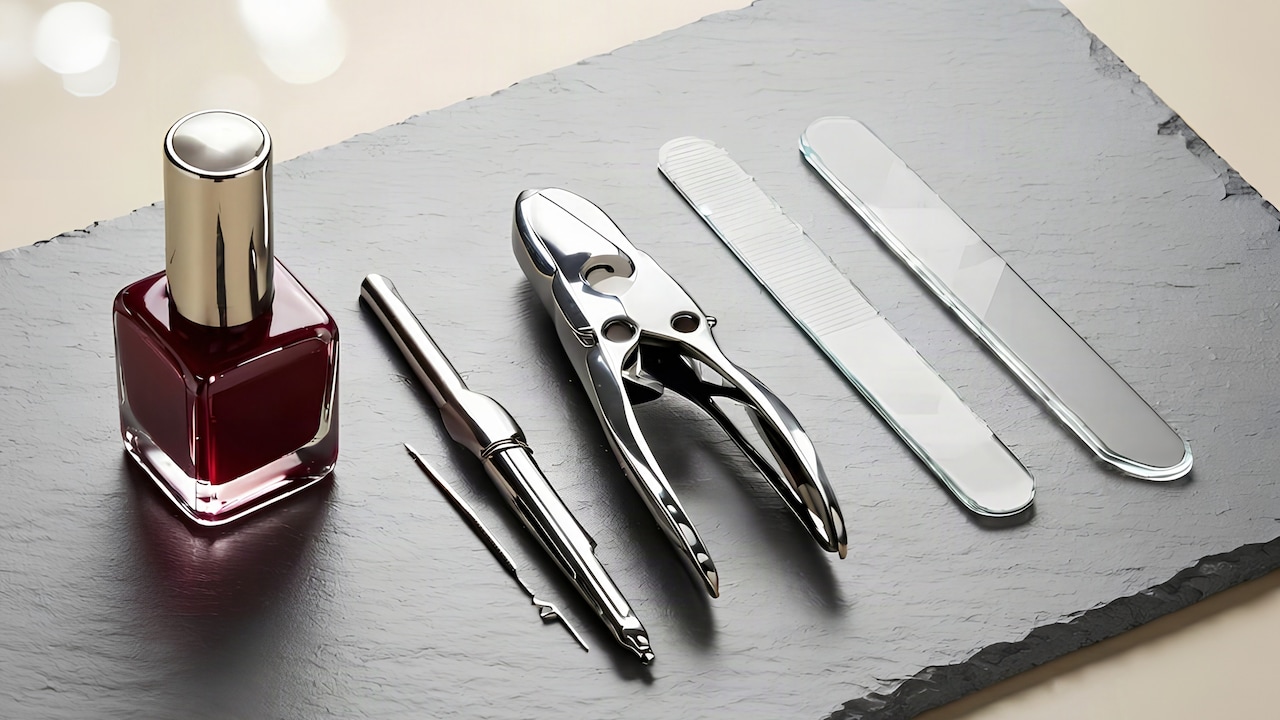
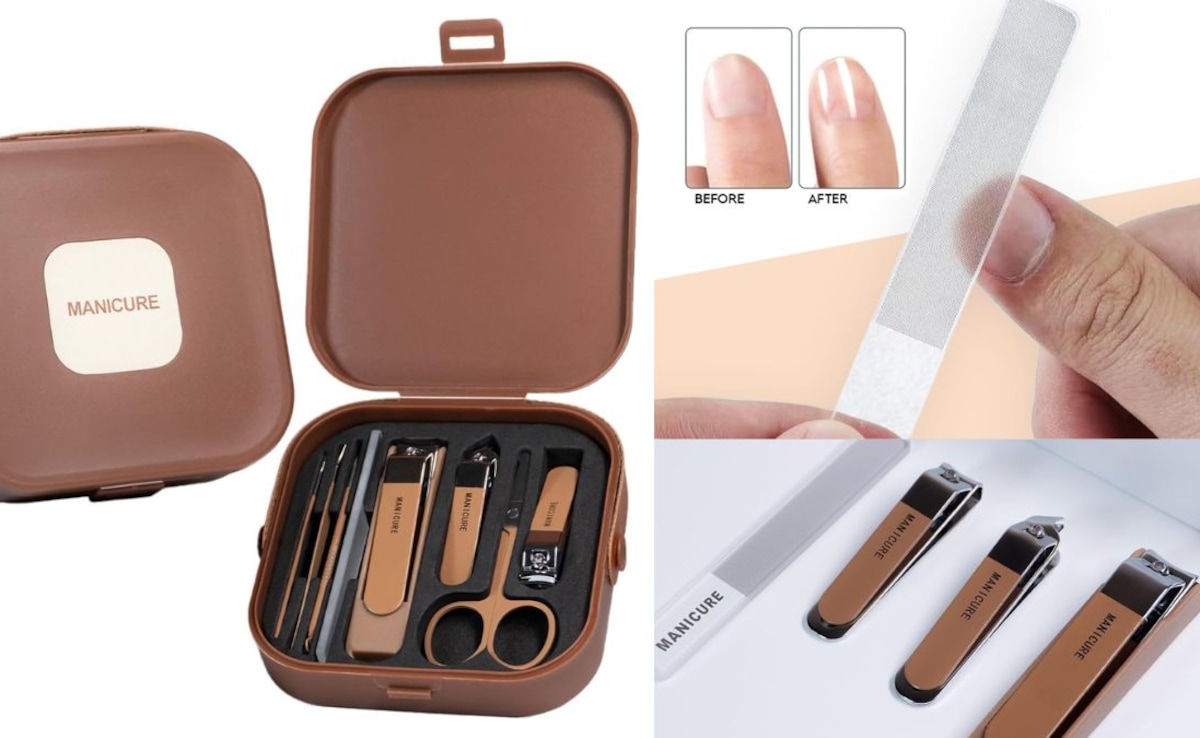
You really do not need a huge nail kit for a basic manicure. A nail cutter, nail file, cuticle pusher, cotton pads, nail polish remover and hand cream are enough for most people.
If you plan to paint your nails, keep a base coat, a nail colour, and a top coat nearby before you start. That way you are not scrambling for things halfway through with wet nails.
A small bowl of warm water also helps soften the cuticles and makes the whole process easier.
How To Prep Your Nails Properly
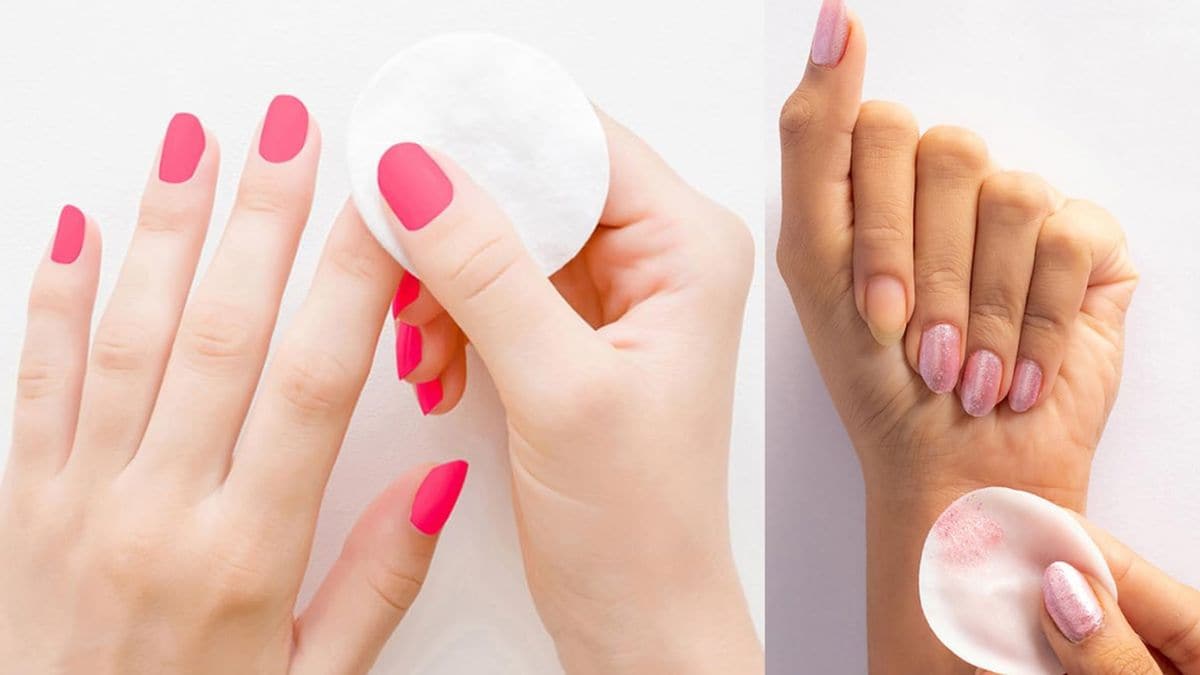
Step 1: Remove Old Nail Polish
Even if only tiny bits of polish remain, start with a clean base. Leftover polish can make fresh nail colours look uneven and patchy.
Use a gentle remover and avoid aggressively rubbing the nails. It just dries them out faster and that is the opposite of what you want.
Step 2: Trim And File Your Nails
Start by cutting your nails down to whatever length you are happy with, then use a nail file to shape them up. Try to file in one direction rather than going back and forth, as the rough sawing motion can weaken the edges over time.
If you are doing your nails at home, a short rounded or soft square shape is generally the easiest to maintain and tends to hold up better between touch-ups.
Step 3: Soak Your Hands Briefly
Once your nails are shaped, soak your hands in warm water for a few minutes. It softens the skin around the nails and loosens up any dry cuticles, making the next steps a lot easier to work with.
You do not need to soak for too long, though. Over-soaked nails can become softer and more likely to break.
The Right Way To Deal With Cuticles
Many people cut cuticles too aggressively during home manicures, which usually does more harm than good. Cuticles protect the nail area, so they really just need gentle care.
Step 1: Push Cuticles Back Gently
Use a cuticle pusher or even a soft towel to lightly push cuticles back after soaking. The goal is simply to clean up the nail area, not remove skin completely.
If there are loose hangnails, trim only those carefully instead of cutting healthy skin.
Step 2: Moisturise Before Applying Polish
This step makes a bigger difference than people realise. Dry hands instantly make even fresh nails look rough.
A little hand cream or cuticle oil helps soften the skin and gives nails a healthier finish overall.
How To Apply Nail Polish More Neatly
Most messy manicures happen because people rush through the polish stage. Thin layers almost always work better than thick coats.
Step 1: Start With A Base Coat
A base coat helps nail polish go on more evenly and can also reduce stains, especially with darker colours.
Even one thin layer helps the manicure last longer.
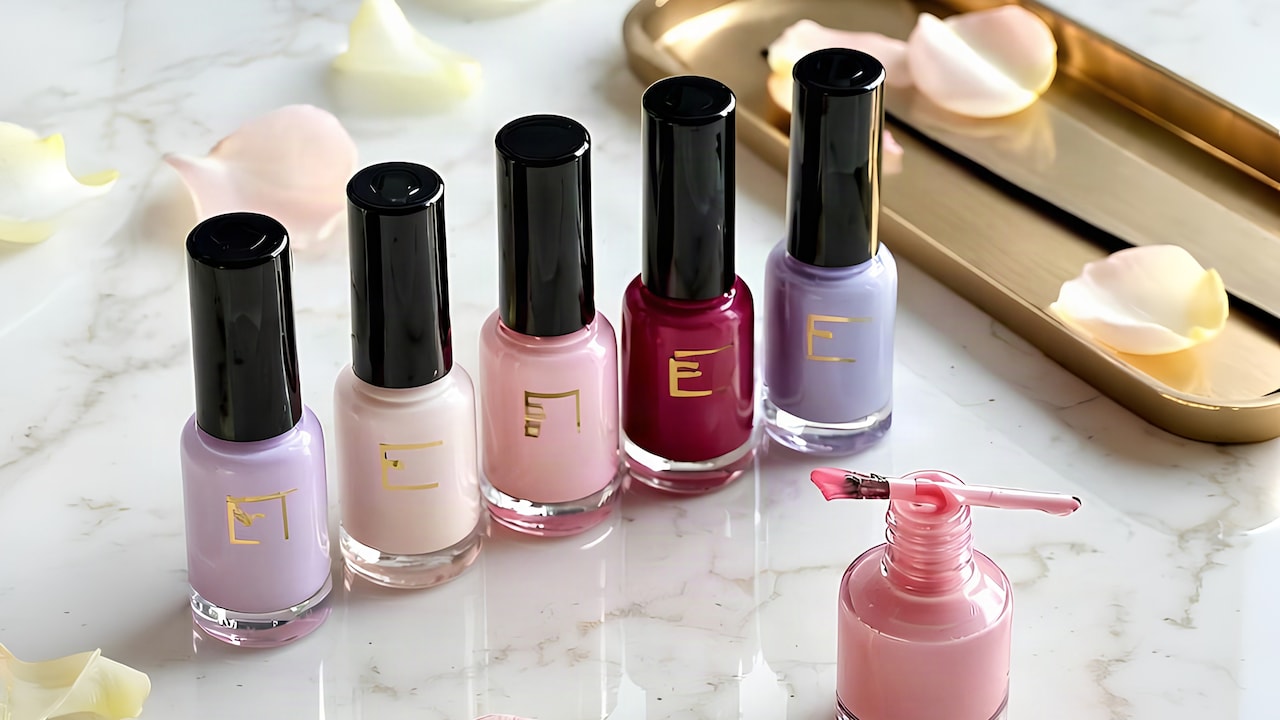
Step 2: Apply Thin Layers Of Nail Colour
Two thin coats will almost always look better than one thick one, so try not to rush this part. Start at the center of the nail and gently work your way out to the sides. It also helps to leave a tiny gap near the cuticle rather than flooding the edges, which keeps things looking neat and stops the polish from lifting too quickly.
Step 3: Finish With A Top Coat
Do not skip this step. A good top coat adds shine, helps the colour last longer and just makes the whole manicure look a lot more polished and put together.
If you want your manicure to last longer, reapplying the top coat after two or three days helps a lot.

Master simple home manicure techniques to keep your nails looking clean, neat, and professional daily.
Photo Credit: Amazon
Small Mistakes That Ruin Home Manicures
One of the biggest mistakes is not waiting long enough between coats. Wet polish underneath leads to dents and smudges even when the surface feels dry.
Another common problem is using too much product at once. Thick layers take forever to dry and they chip faster too.
People also forget that nails react badly to constant water exposure. Gloves while washing dishes actually help manicures last noticeably longer.
How To Make Your Manicure Last Longer
Hydration matters more than most people think. Dry nails peel and chip more easily, especially if you use nail polish regularly.
Cuticle oil, hand cream, and shorter nail lengths usually help maintain a cleaner look for a longer time. It also helps to avoid using nails to open packages or scrape stickers off surfaces.
Small chips are normal after a few days. Home manicures are never going to look flawless forever, and that is completely fine.
Some Manicure Products You Might Like
1. Airsee 8-In-1 Professional Manicure Set
2. Lakme Liquid Nail Polish Remover
3. VLCC Pedicure-Manicure Hand & Foot Kit
4. Vega Nail Buffer for Smooth And Shiny Nails
5. Miss Claire French Manicure Kit
6. Vaadi Herbals Nail and Cuticle Oil
7. Plum BodyLovin' Vanilla Vibes Hand Cream
8. Renee Gloss Touch Nail Paint Set Of 4
Frequently Asked Questions (FAQs)
1. How often should you do a basic manicure at home?
Once every one or two weeks is enough for most people to keep nails looking clean and maintained.
2. Is it necessary to cut cuticles during a manicure?
Not really. Usually, gently pushing them back is enough.
3. Why does nail polish chip quickly at home?
Usually because the coats are too thick or the polish has not dried properly between layers.
4. Can a home manicure damage nails?
Only if nails are overfiled, cuticles are cut aggressively or polish is peeled off repeatedly.
5. What is the easiest nail shape to maintain at home?
Soft square and rounded nail shapes are usually the easiest and most practical for everyday maintenance.
(Disclaimer: This article may include references to or features of products and services made available through affiliate marketing campaigns. NDTV Convergence Limited (“NDTV”) strives to maintain editorial independence while participating in such campaigns. NDTV does not assume responsibility for the performance or claims of any featured products or services.)