What To Do If A New Face Serum Makes Your Skin Break Out
Started using a new face serum and breaking out? Learn how to spot purging vs irritation, soothe your skin, and know when to stop using it safely, too.

What To Do If A New Face Serum Makes Your Skin Break Out
Scrolling through skincare recommendations and trying a new serum has become part of many people's beauty routine. But instead of waking up to that glowing skin, you might spot a few pimples, some redness, or irritation within just a couple days. It can feel annoying, especially when the product promised smoother and healthier-looking skin. The tricky bit is not every breakout automatically means the serum is bad for your skin. Sometimes it's a short-lived reaction, and other times it's basically a signal that your skin just isn't vibing with the formula. This guide walks you through how to tell the difference, what to do right away, and how to keep your skin protected while it settles back down.

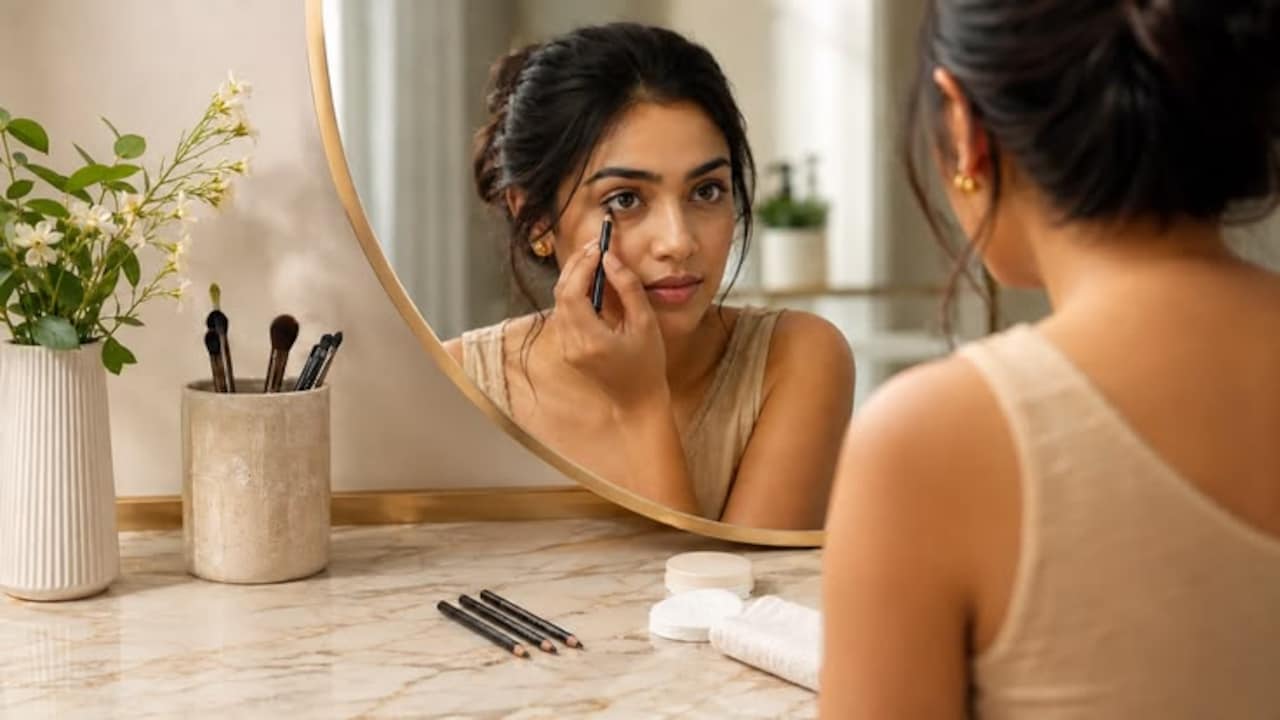
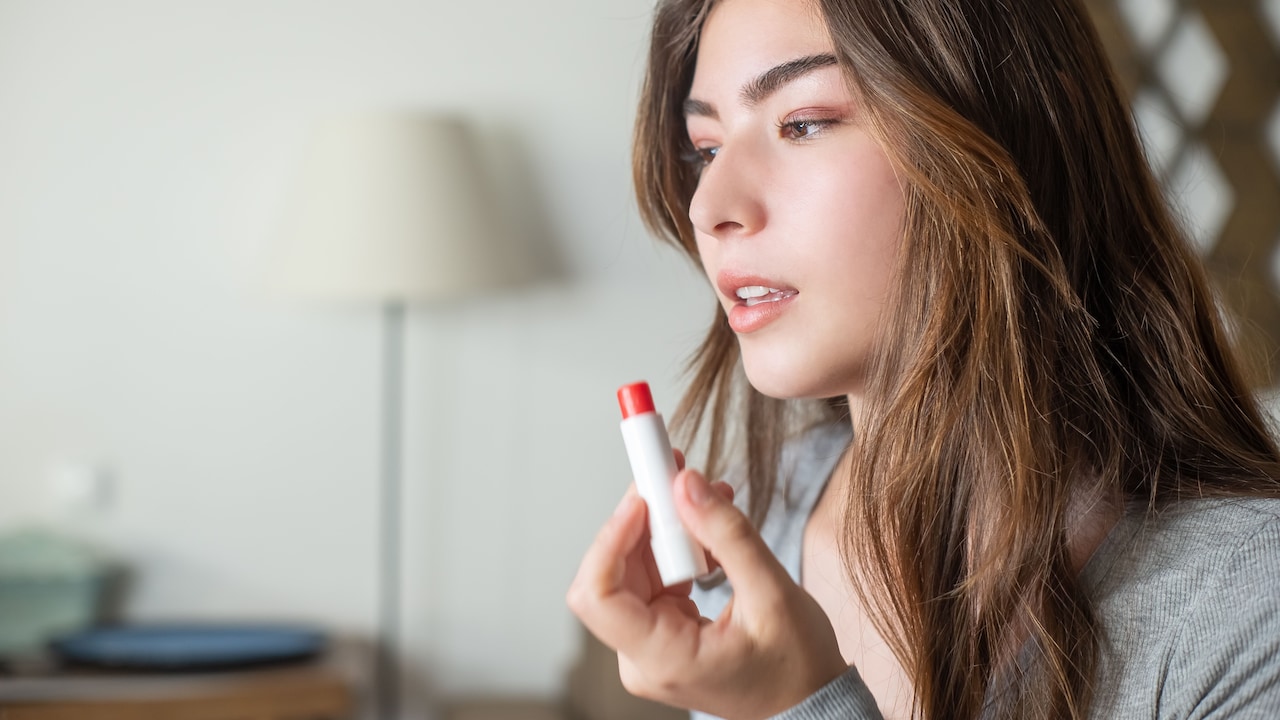
Learn how to differentiate skin purging from product irritation when introducing a new face serum; Photo Credit: iStock
Why Can A New Face Serum Cause Breakouts?
A new serum can set off breakouts for a few not-so-fun reasons. Actives such as retinol, AHAs, BHAs, or vitamin C might briefly nudge cell renewal along faster, and that can make things look worse before they look better. At the same time, fragrances, oils, or some preservatives can be a bit too much and cause mild irritation. Also, sometimes it's not your skin reacting so much as the formula simply not matching your particular skin type, and yes, it can also clog pores.
Is It Skin Purging Or A Regular Breakout?
Skin purging and regular breakouts can look similar, but the logic behind them is different. Purging tends to happen when ingredients like retinoids or chemical exfoliants accelerate skin turnover, so the clogged stuff that was already sitting under the surface shows up sooner. Usually it shows up where you already tend to get acne, and it calms down within about four to six weeks.
A regular breakout is different. It often brings new pimples in spots you don't normally see, and they can come with painful bumps, itching, or redness that keeps getting worse instead of settling. That pattern can point to irritation, a possible allergic response, or pore-clogging ingredients in the serum.
Also Read: Best 5 Face Serums for a Dewy, Hydrated Look Under ₹1000
What To Do If A New Face Serum Makes Your Skin Break Out
Step 1: Stop Using The Serum Temporarily
As soon as you notice unusual breakouts, pause the serum for a few days. Continuing to use a product that's irritating your skin can make the condition worse. Give your skin time to settle before deciding whether to reintroduce it.
Step 2: Keep Your Skincare Routine Simple
During the recovery period, switch to a gentle cleanser and a moisturiser that is fragrance-free, plus a broad-spectrum sunscreen. Try not to layer multiple active ingredients at once, skip exfoliants, and avoid harsh treatments until your skin feels calm again.
Step 3: Check The Ingredient List
Take a look at the ingredient list, because some components might not sit well with your skin. Fragrance, essential oils, heavier oils, or high concentrations of acids can irritate a few people. If you tend toward acne-prone skin, also see whether the formula includes ingredients that can be comedogenic.
Step 4: Observe Where The Breakouts Appear
Pay attention to where those pimples show up, not just how many. If they're popping in your usual acne-prone spots, that might mean purging. But if they start appearing in completely new areas or you notice burning along with swelling, then stop using the product, and don't go back to it again.
Step 5: Avoid Picking Or Squeezing Pimples
Try to resist the urge to pop fresh breakouts. When you pick at pimples, it can crank up inflammation, make healing slower, and increase the odds of acne scars or post-inflammatory pigmentation. Let the skin settle on its own while you keep the area clean.
Step 6: Introduce Active Ingredients Slowly
If you think about retrying the serum later, try using it just once or twice a week at first. Then, slowly bring it up as your skin gets used to it, like it should be calmer over time. This kind of gradual plan is especially useful for retinol, exfoliating acids, and other strong skincare actives.
Step 7: Do A Patch Test Before Trying New Products
For any new skincare buy, you should kick things off with a patch test. Put a small amount behind your ear or along your jawline for 24 to 48 hours before you use it across your entire face. This little routine can keep minor flare-ups from turning into something more widespread, and it tends to save you a lot of hassle later.
Step 8: Consult A Dermatologist If The Breakout Persists
If your skin remains inflamed, develops painful cystic acne, or shows signs of an allergic reaction like swelling or severe itching, consult a dermatologist. Professional guidance can help identify the exact cause and recommend suitable treatment.
When Should You Stop Using A Face Serum Completely?
Stop using a face serum right away if you notice intense burning; redness that just won't quit; swelling; or acne that gets worse and stays worse, even after a few weeks. If something keeps provoking your skin over and over, even when you try to restart slowly, it probably is not the best match for you.
How To Prevent Future Skincare Reactions
Try adding only one new thing at a time. That way it's much easier to see what helps and what causes the problems. Check the ingredient list closely, do a patch test for each new product, and don't mix several strong actives in the same routine. Also pick a formula that fits your skin type. Usually a bit of patience beats the endless swapping of products, because the skin tends to settle down over time.

Identify if your new skincare product is causing temporary breakouts or actual chemical irritation; Photo Credit: iStock
Some Face Serum Products You May Like
1. Plum 10% Niacinamide Face Serum with Rice Water
2. FoxTale 10% Glutathione + Vitamin C Sensitive Skin Safe Brightening Face Serum
3. DOT & KEY 10% Niacinamide CICA Anti-Acne Glow Face Serum for Dark Spots & Acne Scars
4. The Derma Co. Snail Peptide 96 Hydrating Serum
5. Deconstruct Hydrating Serum - 2% Hyaluronic Acid + 1% Niacinamide
6. Innisfree Green Tea Seed Hyaluronic Serum
7. Hyphen 18% Brightening - 20% Collagen Double Shot Face Serum
8. SADHEV Ayurvedic Anti-Ageing Face Serum
Clear skin needs simple steps and steady use of the right products. These serums keep your routine easy, light, and useful without adding too much work. When you upgrade your basic routine, your skin responds better. Stay patient and steady with your daily steps. With the right serum, your skincare feels easier and fits your day without effort. Check out these top deals from Myntra.
Frequently Asked Questions (FAQs)
1. How long should skin purging last after starting a new serum?
Skin purging usually goes on for about four to six weeks, so if you're still breaking out after that, or it starts getting worse in a noticeable way, then maybe that product isn't the best match for your skin.
2. Should I stop using a serum immediately if I get pimples?
Not always. It depends if the serum includes ingredients that are known to trigger purging; you can watch your skin for a few weeks; sometimes it calms down. But you should stop immediately if you get serious irritation.
3. Can vitamin C serum cause breakouts?
Yes, it's a bit uncommon. Some people end up reacting to high concentrations or to a separate ingredient within the formula, like not to the vitamin C part by itself.
4. How can I tell if a serum is clogging my pores?
If you see ongoing whiteheads, blackheads, or pimples popping up in new spots after you started the serum, then it could mean it's clogging your pores or that the formula just doesn't match your skin type.
5. Is it safe to use acne treatments while recovering from a serum breakout?
Usually it's best to make things simpler first, at least for a while. After your skin barrier is calmer and recovered, you can slowly bring back acne treatments, if you still need them, or get some help from a dermatologist.
(Disclaimer: This article may include references to or features of products and services made available through affiliate marketing campaigns. NDTV Convergence Limited (“NDTV”) strives to maintain editorial independence while participating in such campaigns. NDTV does not assume responsibility for the performance or claims of any featured products or services.)