How To Do A Face Massage At Home For Glowing Skin
Want naturally glowing skin without expensive treatments? Learn how to do a face massage at home with simple techniques, skincare tips, and easy product picks.
How To Do A Face Massage At Home For Glowing Skin
Most people want to have healthy, glowing skin but complicated skin care routines and costly trips to the salon can get overwhelming. Sometimes the tiniest habits can make the biggest difference. A face massage is one of those easy self-care rituals that not only helps your skin look fresher but also gives you a few quiet moments to unwind after a long day. It increases blood circulation, helps relieve tension around the face and, with regular practice, can make your skin look more radiant.
Discover simple facial massage steps and product picks for achieving radiant and healthy glowing skin.
Photo Credit: Amazon
The best part is that you don't need any professional tools or complex techniques to get started. A face massage is easy to do at home with clean hands, a facial oil or moisturiser and a few gentle movements when your skin feels dull or tired. Let's discover how to get naturally glowing skin the right way.
How A Face Massage Works And Why It Matters
Your skin is not just a surface; it is connected to muscles, lymph nodes and blood vessels, all of which benefit from regular movement and stimulation. A face massage increases the blood flow to the skin, meaning the cells receive more oxygen and nutrients. Over time this may help your complexion appear brighter and more even.
Beyond the glow factor, massaging your face on a regular basis helps release tension in muscles that you probably didn't even know were tight. Think about how often you clench your jaw, squint at a screen, or furrow your brow throughout the day. All of that adds up, and your face carries it. A gentle but intentional massage can work through that tension, and some people even find it helps reduce the appearance of puffiness, particularly around the eyes and jaw.
It also supports lymphatic drainage, which is the process by which your body removes waste and toxins from tissues. When lymph fluid gets sluggish – often from stress, poor sleep, or a sedentary lifestyle – it can contribute to puffiness and dull skin. Massage, especially with upward and outward strokes, helps move that fluid along more efficiently.
What You Need Before You Start
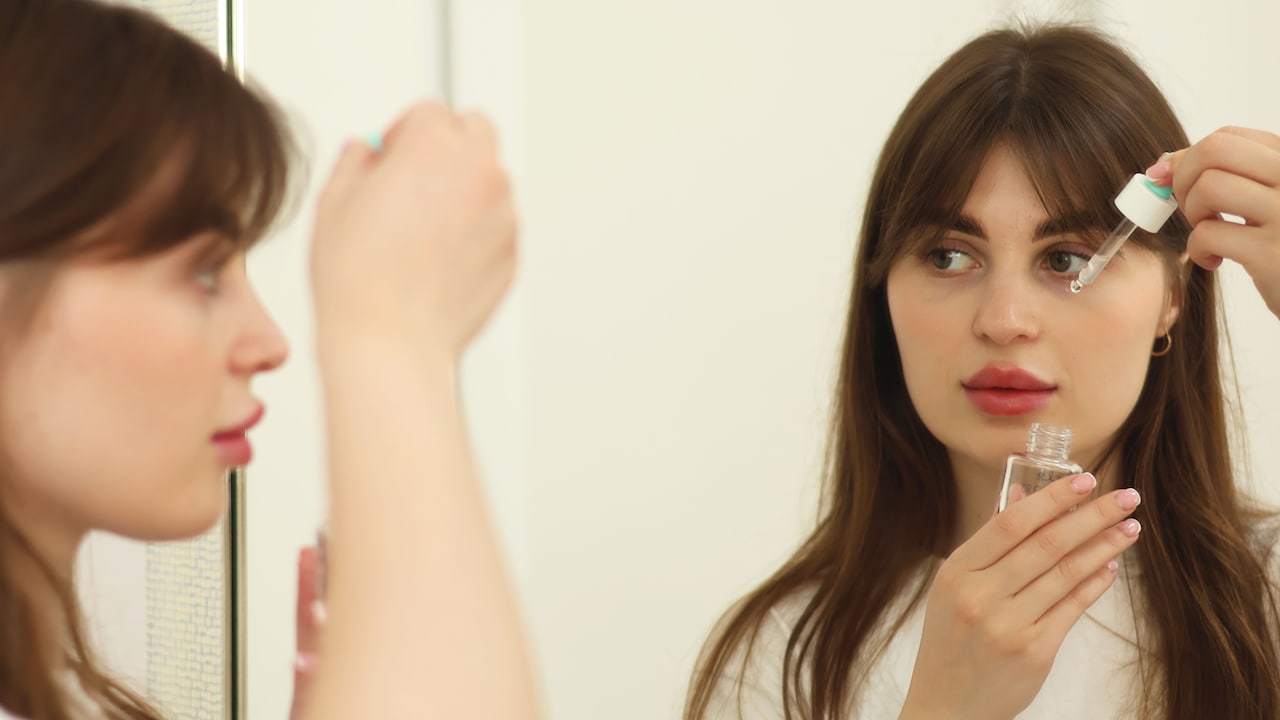
Before jumping into technique, it is worth setting yourself up properly. You will need to ensure your hands are clean and your face is freshly cleansed, as massaging over makeup or SPF residue can be detrimental to your skin. Beyond that, you need a slip product. Massaging dry skin can create friction that leads to irritation or even broken capillaries, so always use a facial oil, balm, or serum to help your fingers or tools glide smoothly.
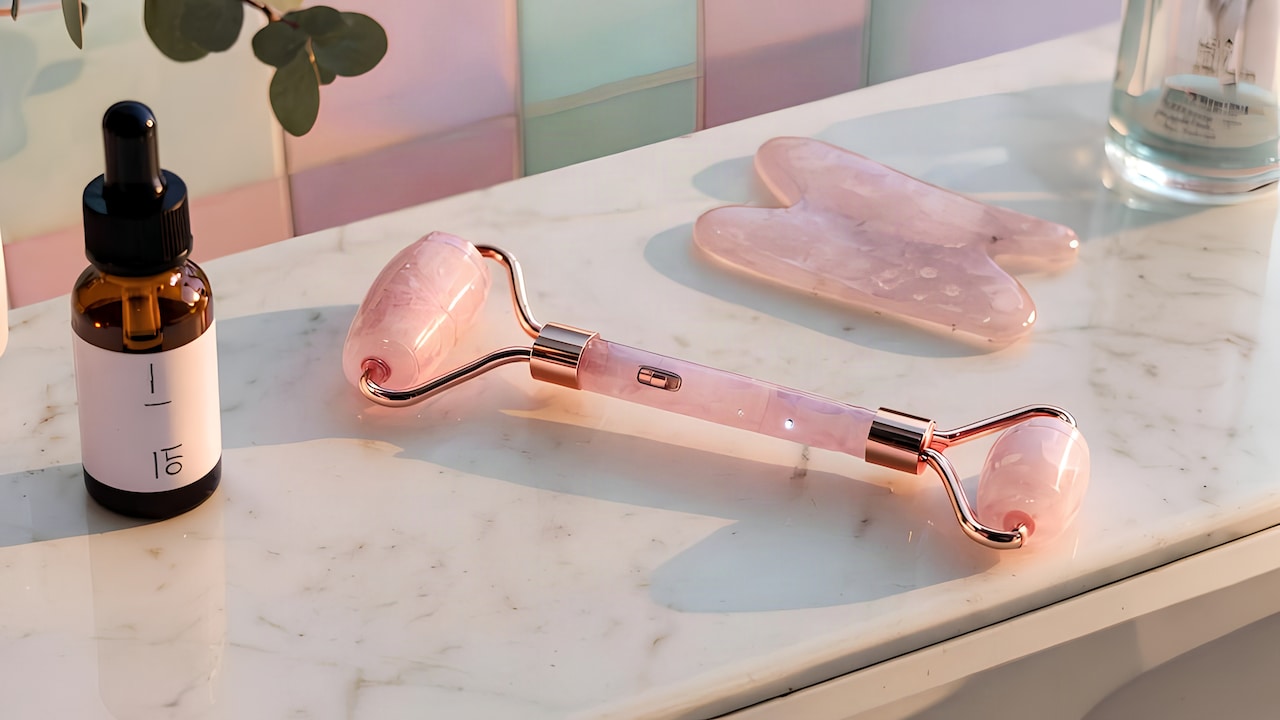
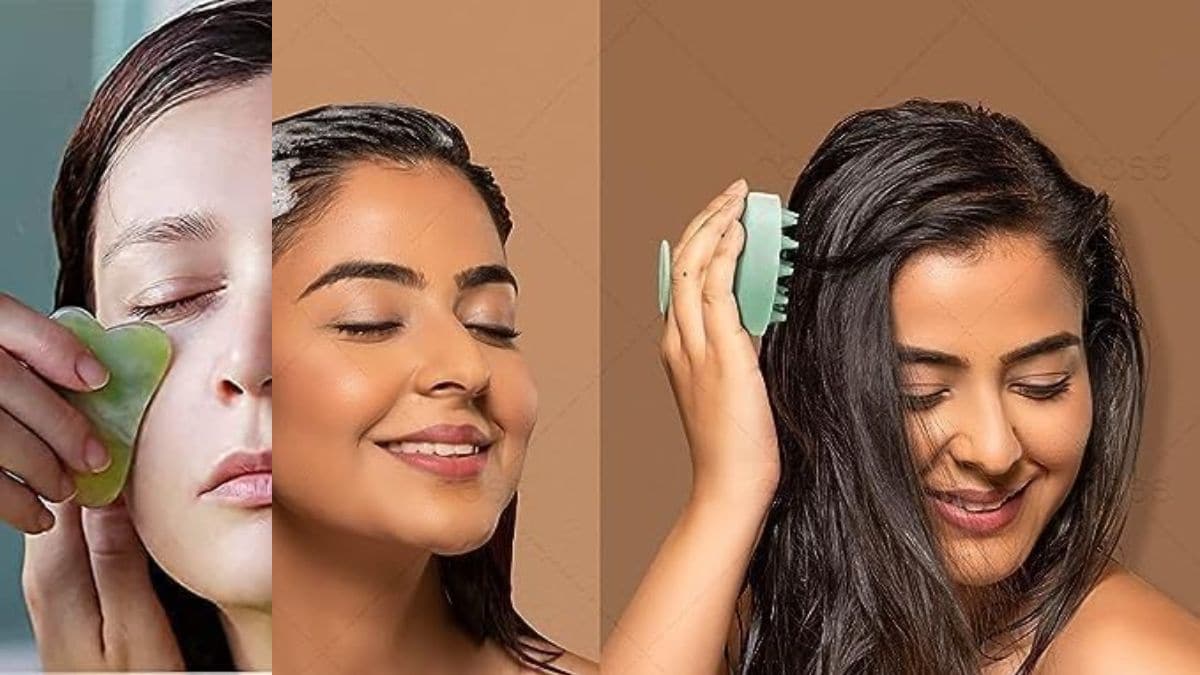
You might also want a facial tool like a gua sha stone, a jade roller, or a stainless steel facial roller, though these are entirely optional. Your fingers are surprisingly effective on their own, especially once you get familiar with the techniques.

Transform your skincare routine with home facial massage techniques for a natural and glowing look.
Photo Credit: Amazon
How To Do A Face Massage At Home For Glowing Skin
Step 1: Cleanse And Prep Your Skin
Start with a deep cleanse to remove any makeup, sunscreen or impurities. Pat your skin dry gently—never rub—and massage it with your chosen facial oil or serum while it is still slightly damp. Warm the product in your hands before applying it to your skin; it will absorb better and the massage will feel nicer.
Step 2: Begin With The Neck And Décolletage
Most people go straight to the face, but starting at the neck is actually better for lymphatic drainage. With light but firm pressure, make slow, upward strokes from your collarbone to your jawline. The lymph nodes are located just below the jaw and behind the ears. Working up helps encourage fluid to move toward these drainage points instead of collecting in the face. Try exercising about thirty seconds on each side of your neck before moving up.
Step 3: Work Across The Jawline And Cheeks
Using your knuckles or the pads of your fingers, apply gentle pressure along the jawline from chin to ear. This area holds a lot of tension, especially if you grind your teeth or spend a lot of time on calls. Small circular motions along the muscle can help release tightness.
From the jaw, sweep upward and outward across the cheeks. The key direction here is always upward and outward – you are working with the skin's natural structure rather than dragging it downward.
Also Read: Amazon Wardrobe Refresh Sale: Top 7 Premium Beauty Finds That Gives A Glowing Skin
Step 4: Address The Under-Eye Area
The skin around the eyes is the thinnest and most delicate on your face, so this area needs the lightest touch. Use your ring finger – it naturally applies the least pressure – and tap gently along the orbital bone, moving from the inner corner of the eye outwards. Never drag or pull the skin here. Tapping in this area can help reduce puffiness and improve circulation without any risk of damage.
Step 5: Move To The Forehead And Temples
Place both palms flat on your forehead and use slow, sweeping strokes outward towards the temples. Then use the pads on your fingers to make small, circular movements across your forehead, working from the center to the sides. Finish by gently pressing your fingertips into the temples and holding them for a few seconds—this is genuinely one of the most tension-relieving moves in the whole routine.
Step 6: Finish With Upward Strokes Across The Whole Face
To close out the massage, use your whole hands to make broad, sweeping upward strokes from chin to forehead and then outward across the cheeks. Think of this as a final reset – you are encouraging circulation and leaving the skin feeling lifted and more awake.
How Long Should You Massage Your Face?
You don't have to spend a lot of time giving yourself a facial massage. Even five to ten minutes a couple of days a week can make your skin look more refreshed over time. Some people like doing it at night because it feels calming before bed, while others like it in the morning to reduce puffiness. A desirable target for most people is three to four times a week. A daily massage is fine if your skin enjoys it, but even once or twice a week can produce results over time. It's not so much about how often you do it, but how consistent you are.
Common Mistakes To Avoid During Face Massage
1. Using Too Much Pressure
Gentle movements work best. Pressing too hard can irritate the skin and may even cause redness instead of glow.
2. Skipping Product Application
Massaging dry skin creates unnecessary friction. Always apply moisturiser, oil, or serum beforehand.
3. Rushing Through The Process
Face massage works best when done slowly and consistently. Taking your time allows the muscles to relax properly.
Always massage in an upward direction. Gravity already works against the skin as we age, so there is no need to assist it. Use enough product so your fingers glide without dragging – if you feel any pulling, add more oil. Keep your movements slow and intentional rather than rushed. Don't forget your neck: it's part of your face routine, whether you treat it as such or not.
If your skin is actively broken out, be gentle around inflamed areas and avoid pressing directly on spots. A face massage can occasionally spread bacteria if you are not careful, so use light pressure and clean tools.
Some Face Massage Products You May Like
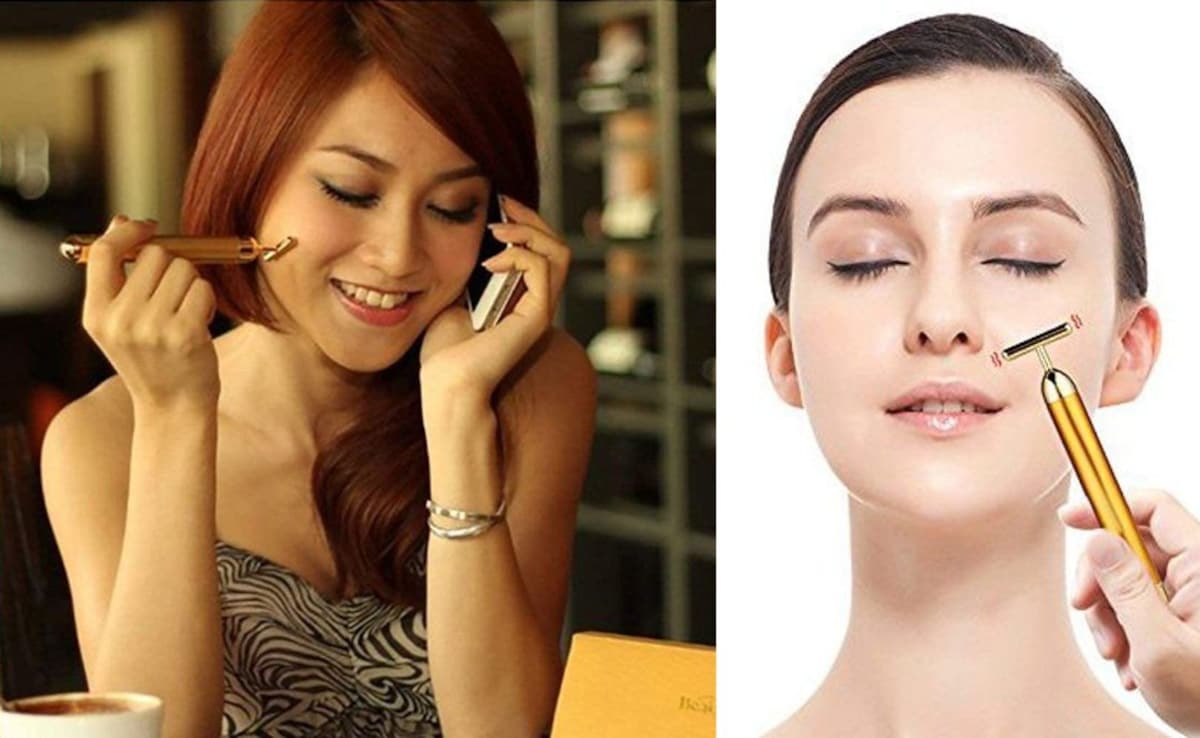
1. 24k Gold Energy Beauty Bar Electric Vibration Facial Massage Roller
2. Garnier Vitamin C + Face Serum for Skin Brightening & Anti-Dark Spots
3. GUFFI Facial Massager Jade Roller & Gua Sha Tool
4. Ladista Facial Massager Jade Roller & Gua Sha Tool Natural Himalayan Stone
5. Frizty Electric Gua sha Massager with 9 Modes
6. Face Massager for Women: Reusable Silicon Ice Cube Roller Massage
7. Facial Massager for Face and Neck, 3-in-1 Face Massager for Women
8. Moody Cool Contour™ Stainless Steel Gua Sha Facial Massage
Frequently Asked Questions (FAQs)
1. Is it safe to massage your face every day?
Yes, for most skin types. Just ensure you are using enough product to avoid any friction, and keep your pressure light and controlled. If you notice any irritation, scale back to every other day.
2. Can facial massage help with puffiness?
It absolutely can. Techniques that encourage lymphatic drainage – upward and outward strokes starting from the neck – are particularly effective for reducing morning puffiness around the jaw and eyes.
3. Do I need special tools or can I just use my hands?
Your hands are genuinely effective on their own. Tools like gua sha stones or rollers can enhance the experience and sometimes offer more targeted results, but they are not essential, especially when you are just starting out.
4. Will face massage make my skin sag over time?
No, as long as you are working in upward and outward directions and using the proper slip. Dragging or pulling the skin with too much pressure and without any product could theoretically cause issues, but a gentle, well-lubricated technique will not cause sagging.
5. What is the best time of day to do a face massage?
Either morning or evening works well. A morning massage is excellent for reducing puffiness and getting circulation going for the day. An evening massage, done as part of your skincare routine, is brilliant for releasing tension and helping your products absorb better overnight.
(Disclaimer: This article may include references to or features of products and services made available through affiliate marketing campaigns. NDTV Convergence Limited (“NDTV”) strives to maintain editorial independence while participating in such campaigns. NDTV does not assume responsibility for the performance or claims of any featured products or services.)