What To Use When Your Foundation Turns Grey: Shade, Undertone And Prep Fixes
Fix grey-looking foundation with the right shade, undertone, skin prep, colour corrector and powder. Simple tweaks can make your base look warmer, fresher and more natural.
How To Fix Grey Foundation With The Right Shade, Undertone And Skin Prep
A foundation that looked perfect at the beauty counter can turn oddly grey by lunchtime. The face starts looking flat, the neck appears warmer, and the mirror suddenly feels less friendly. It happens more often than most people admit, especially when the shade looks “fair enough” in the tube but loses life on the skin. Grey foundation usually means the base lacks the right warmth, depth or undertone balance. Sometimes the skin beneath has not had enough moisture. Sometimes face sunscreen leaves a pale cast. Sometimes the product oxidises, or the lighting in the shop tells a flattering lie. The good news is that this problem has several simple fixes. No need to throw away a full bottle that cost ₹1,200 after one bad selfie. The trick lies in understanding what the skin needs before foundation even touches it.
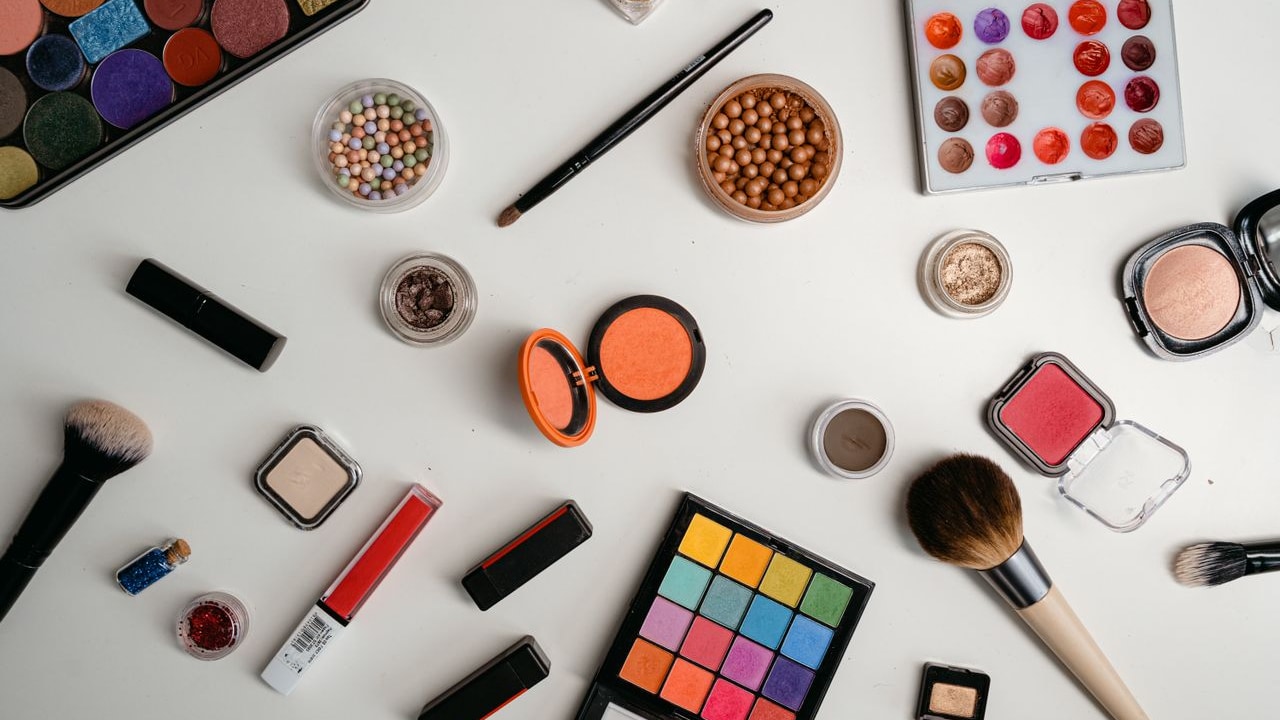
How To Fix Grey Foundation With The Right Shade, Undertone And Skin Prep; Photo Credit: Pexels
Why Your Foundation Turns Grey And How To Fix It
Check Whether The Shade Is Too Light
The most common reason a foundation turns grey is simple: the shade is too light on the skin. A pale base may look bright indoors, but once blended across the face, it can leave a chalky veil. This happens because depth matters as much as colour. A shade that lacks enough brown, golden or caramel depth can flatten the natural warmth of the face.
Many people choose a lighter foundation hoping it will create a fresh, “clean” look. Instead, the face can appear dusty, like compact powder after a long train ride in May. A better match should disappear into the jawline, not sit proudly on top of it. Test foundation from cheek to neck, then step near natural light. Tube lights in stores can make almost anything look acceptable.
If the current bottle feels slightly too light, do not waste it. Mix in a darker foundation, a liquid bronzer or a warm foundation adjuster. Even one tiny drop can bring back life. The aim is not to darken the face dramatically. It is to restore the warmth that the wrong shade stole.
Also Read: Best Dewy Finish Foundations Under ₹1400 for a Glowing, Natural Look
Understand Your Undertone Before Buying
Undertone creates the difference between a foundation that melts into the skin and one that looks like borrowed makeup. Many bases labelled “natural beige” or “sand” still lean pink, peach, yellow, olive or neutral. When the undertone clashes with the skin, the finish can turn grey, orange or muddy.
Warm undertones usually need golden, yellow or honey-based foundations. Olive undertones need a muted green-gold balance, not a loud yellow. Neutral undertones can handle a mix but still need the right depth. A pink-toned foundation on warm brown skin often creates that familiar grey cast, especially around the mouth and forehead.
A quick clue lies in how jewellery looks. Gold often flatters warm undertones, while silver may suit cooler ones. Still, this is not a strict rule. The better test is based on the jaw, seen in daylight after ten minutes. Skin oils and warmth can change the colour slightly.
When in doubt, try two undertones in the same depth. The one that looks less visible, less powdered and less separate from the neck usually wins.
Use A Warm Foundation Mixer
A foundation mixer can rescue a base that feels almost right but not quite there. These little bottles rarely get enough attention, yet they save money and prevent waste. A warm mixer in yellow, golden, caramel or tan can correct greyness without forcing the face into a darker shade.
The key is control. Start with half a drop on the back of the hand, then mix it into one pump of foundation. Too much warmth can swing the base from grey to orange, and nobody wants a face that looks like festive haldi stayed on too long. Blend the mixture on the jaw and wait a few minutes before judging it.
For deeper skin, a caramel or terracotta adjuster often works better than a bright yellow one. For medium skin, golden yellow can help. For olive skin, a muted olive mixer may soften the ashiness beautifully. A cream bronzer can also work in a pinch, especially when the foundation only needs slight warmth.
Mixers turn one bottle into several seasonal shades. That helps when summer tanning, winter dullness and air-conditioned office lighting keep changing the way foundation behaves.
How To Fix Grey Foundation With The Right Shade, Undertone And Skin Prep; Photo Credit: Pexels
Correct Pigmentation Before Foundation
Sometimes the foundation turns grey because it sits over uneven pigmentation without proper correction. The area around the mouth, chin, under-eyes and forehead can carry deeper tones than the cheeks. When a light or medium-coverage foundation goes over these areas, it can mix visually with the darker pigmentation and create an ashy finish.
Colour correction solves this better than piling on more foundation. Peach correctors suit light to medium discolouration. Orange correctors help with deeper pigmentation. A rusty, burnt-orange shade can work well around the mouth when used with care. The goal is not to paint a bright layer. Use a thin veil only where needed, then blend the edges softly.
Let the corrector settle before applying foundation. Rushing this step can make the base slide around and look patchy. A small brush or fingertip gives better control than a large sponge.
Once the darkness gets balanced, the foundation looks cleaner and warmer. The face keeps its natural dimension, and the base no longer needs three extra layers to hide what one smart correction could fix.
Prep Dry Skin Properly
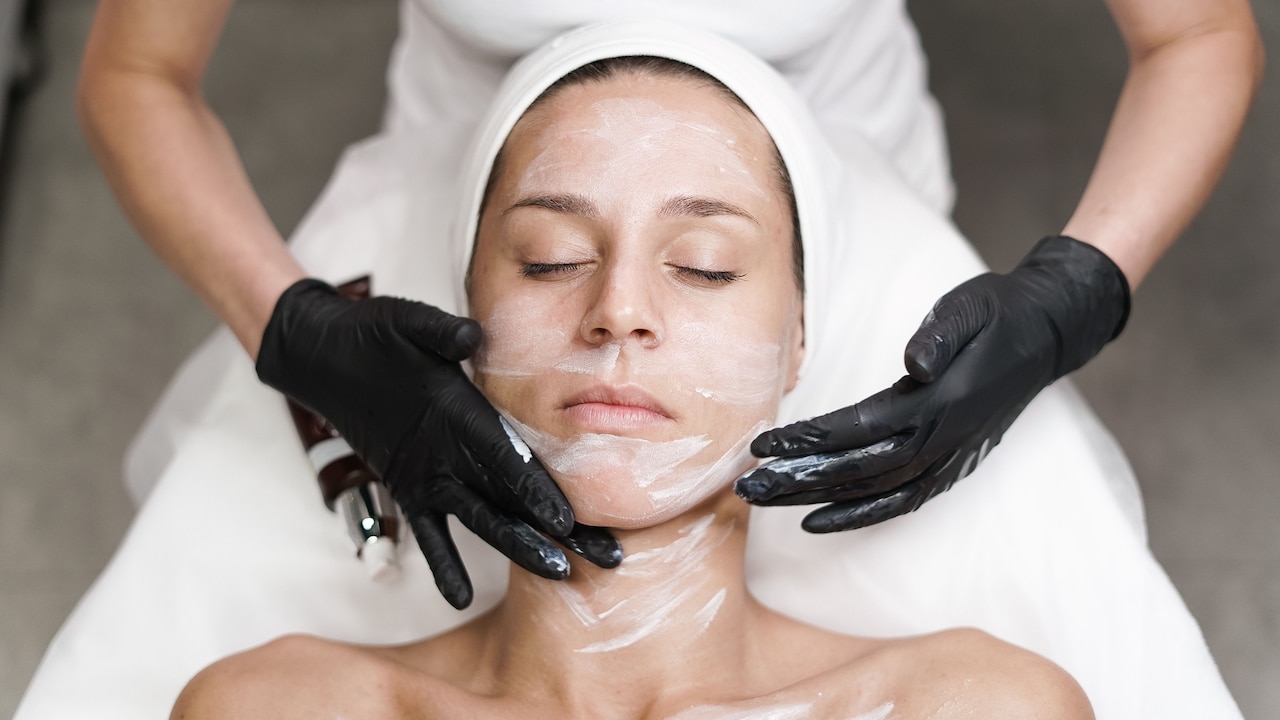
Dry skin can make foundation look grey even when the shade is correct. Flakes, tight patches and dull texture grab pigment unevenly. The base then sits on top instead of blending in, giving that powdery, lifeless finish that shows up cruelly in daylight.
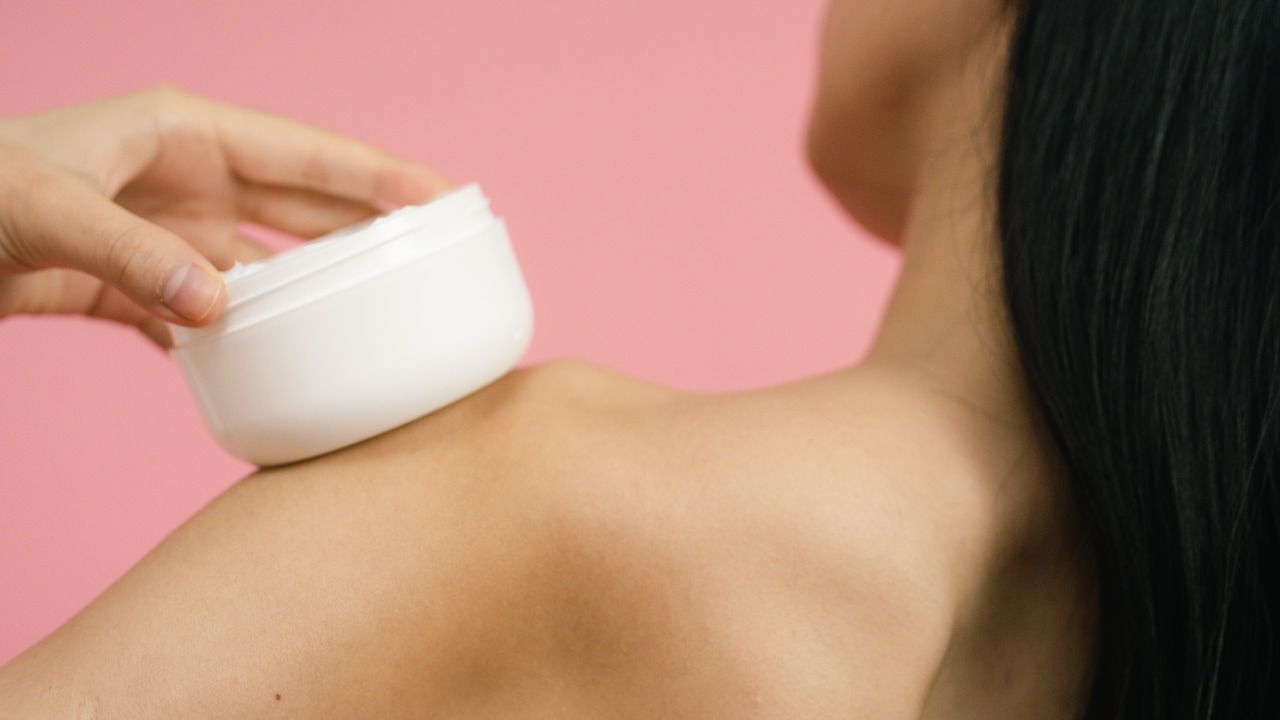
Skin prep should start with hydration, not just a thick cream slapped on two minutes before makeup. A gentle face mist, hydrating serum or gel moisturiser can soften the surface. Follow with a moisturiser that suits the weather. In humid cities, a lightweight lotion may work better than a heavy cream. In dry winters, the skin may need a richer layer, especially around the nose and mouth.
Give skincare a few minutes to settle. Foundation applied over wet, slippery moisturiser can separate. Foundation applied over thirsty skin can turn chalky. Neither result feels fair after spending time getting ready.
A damp sponge can help press foundation into dry areas. Avoid dragging the product across rough patches. Pressing keeps the base fresh and prevents that grey, dusty look from taking over.
Watch Your Sunscreen Layer
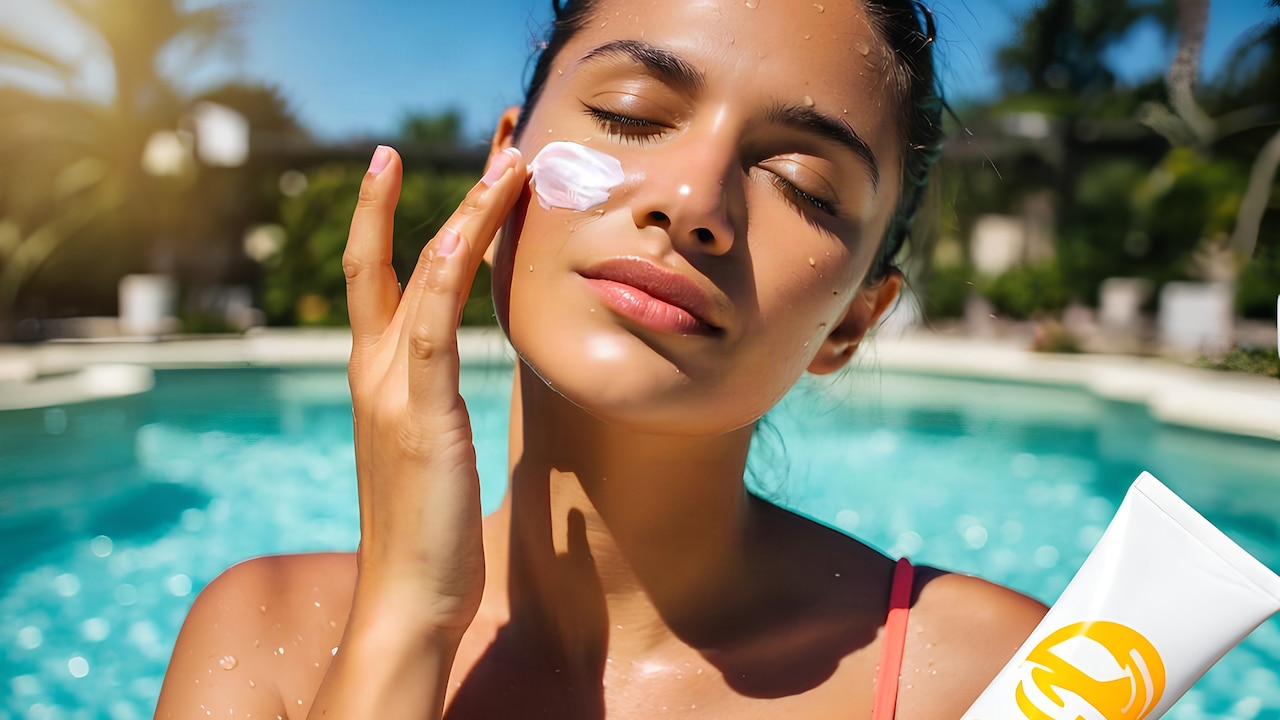
Sunscreen plays a sneaky role in grey foundation. Mineral sunscreens, especially those with zinc oxide or titanium dioxide, can leave a white cast. When the foundation goes over that pale film, the whole face can look lighter, cooler and duller. Even a perfect shade may struggle against a strong cast underneath.
This does not mean skipping sunscreen. That would be a terrible bargain. Instead, choose a sunscreen that settles clear or has a tint close to the skin. Gel and fluid formulas often sit better under makeup in hot, humid weather. Let sunscreen set for at least ten minutes before applying foundation. This gives the layer time to grip the skin and reduces pilling.
If the sunscreen still leaves a cast, use a warmer foundation, a tinted primer or a little bronzing drop mixed into the base. A peach or golden primer can also cancel the dullness before foundation.
The best base starts below the makeup. When sunscreen behaves well, foundation has a much better chance of looking alive by noon.
Pick The Right Primer Texture
Primer can either save the day or quietly ruin the entire base. A mattifying primer on already dry skin can make foundation look grey and tight. A silicone-heavy primer under a water-based foundation can cause patchiness. A shiny primer under an oily T-zone can make the face look uneven within an hour.
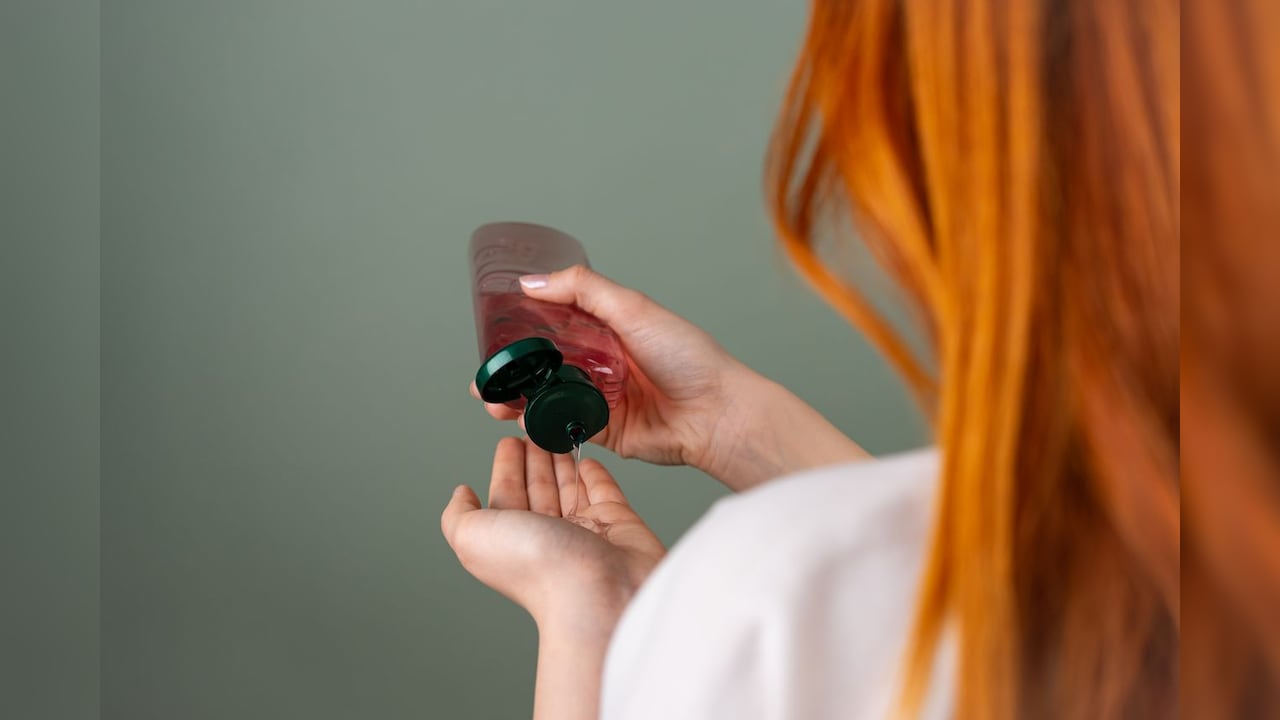
Match primer to the skin's real need. Oily areas may need a light mattifying primer only on the nose, forehead and chin. Dry cheeks may prefer a hydrating primer. Textured areas can use a smoothing primer, but only in a thin layer. Too much primer creates a film that the foundation struggles to grip.
A warm-toned illuminating primer can help when the skin looks dull. Gold, peach or champagne tints can bring back radiance without looking glittery. Avoid icy or silver-toned glow primers if foundation already turns grey. They can make the problem worse.
Primer should not feel like another mask. It should act like a quiet assistant, smoothing the stage so the foundation can perform without drama.
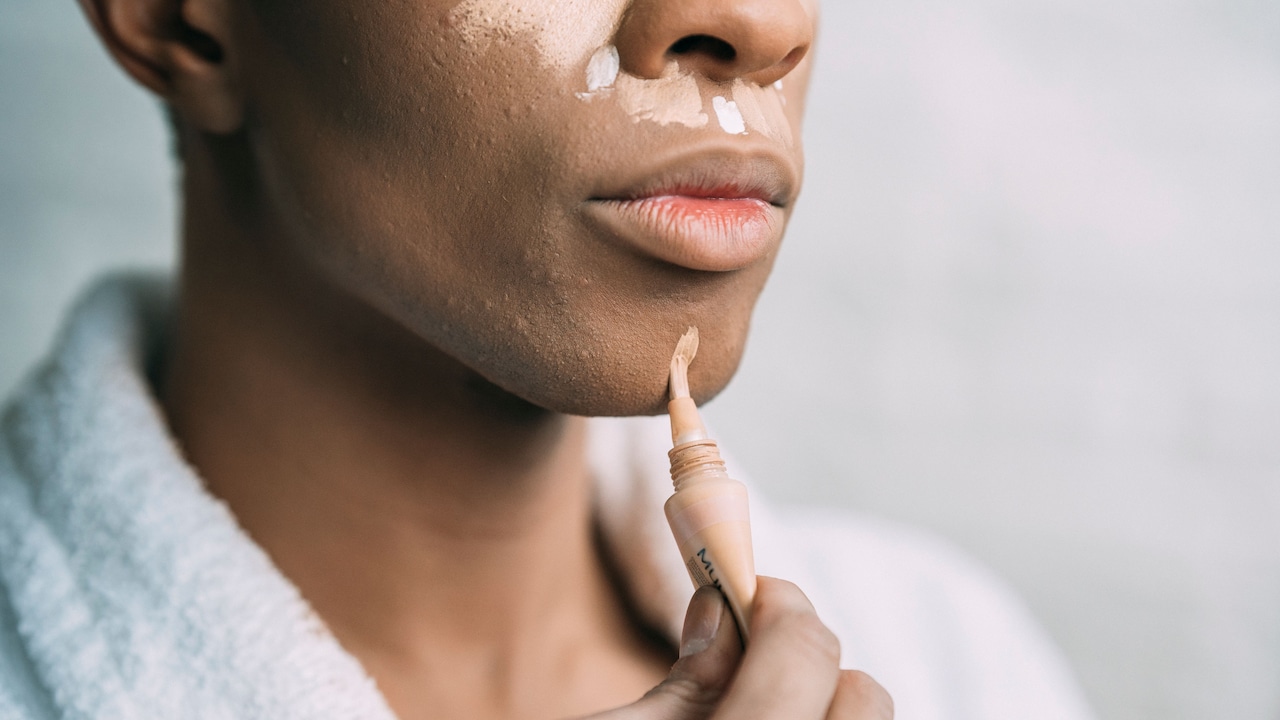
How To Fix Grey Foundation With The Right Shade, Undertone And Skin Prep; Photo Credit: Pexels
Let Foundation Set Before Judging
The foundation can change after application. Some formulas oxidise and turn darker or warmer. Others dry down lighter and look greyer once the moisture evaporates. Judging the shade in the first thirty seconds can lead to the wrong decision.
Apply a small amount to the jaw and wait ten to fifteen minutes. Walk near a window, check the neck and see how the shade settles. A foundation that looks slightly bright at first may calm down. Another that seems perfect may suddenly turn ashy or orange. Patience saves money, especially when buying a bottle worth ₹900, ₹1,500 or more.
Also consider the rest of the routine. Powder can lighten foundation. Setting spray can deepen it. Concealer can make the centre of the face look too pale. Compact powder in the wrong undertone can bring back greyness even after a perfect foundation match.
Makeup needs a little time to reveal its true nature. Like chai, the final colour makes more sense after it has settled.
Balance The Face With Bronzer And Blush
Even a well-matched foundation can look flat when the entire face has one colour. Natural skin has depth, warmth and shadows. Foundation covers redness, pigmentation and unevenness, but it can also erase the healthy contrast that makes the face look alive.
Bronzer brings back warmth. Apply it softly around the forehead, cheekbones and jawline. Choose a shade that looks warm brown, not muddy grey. For deeper skin tones, bronzers with red-brown or caramel warmth look more natural than pale tan shades. For medium skin, honey or golden brown works well.
Blush also helps fight greyness. Peach, coral, rose, berry or terracotta shades can lift the face instantly. A tiny amount on the cheeks can make the base look fresher, even when the foundation itself needs slight correction.
The goal is not a heavy sculpted look. Think of it as putting the colour back where the foundation politely removed it. A little warmth can turn a dull base into a polished, everyday face.
Choose Powder With Care
Powder can be the hidden reason behind a grey cast. Many translucent powders are not truly invisible. Some leave a white or pale beige film, especially in flash photos or bright sunlight. When layered over foundation, this can make the base look dusty and uneven.
Choose a powder close to the skin tone, or pick a finely milled yellow, banana, peach or caramel powder depending on the undertone and depth. Use translucent powder only if it genuinely disappears after blending. Always test it over foundation, not on bare hands, because powder behaves differently on a finished base.
Apply powder only where needed. The under-eyes, smile lines and T-zone may need setting, but the cheeks can often stay fresh. Too much powder can steal glow and make the face look older than it is. A small fluffy brush gives more control than a large puff when the goal is a natural finish.
After powder, press the face gently with a damp sponge or use setting spray. This melts the layers together and reduces that dry, grey veil.
Test Makeup In Real-Life Light
Lighting changes everything. A foundation that looks flawless under shop lights can look ghostly in daylight. Warm bedroom bulbs can hide greyness. Phone cameras can exaggerate it. Office lighting can make the face look tired before the first cup of coffee.
Always test foundation in natural light before buying, whenever possible. Step outside the store or stand near a window. Check the shade along the jaw, around the mouth and on the forehead. These areas often reveal a mismatch faster than the cheek.
Also, test how the base looks with the rest of the body. The face should not look disconnected from the neck, chest or arms. In warmer weather, many people have slightly deeper necks and arms because of sun exposure. Matching only the centre of the face can create a pale, grey result.
Take a quick phone photo without beauty filters. It may feel dramatic, but cameras catch what mirrors politely ignore. Real-life testing helps avoid expensive mistakes and keeps the makeup bag free from regret bottles.
Products Related To This Article
1. FACES CANADA SPF 30 All Day Hydra 3IN1 Mini Matte Foundation+Moisturizer 18ml
2. Maybelline New York Super Stay 30H Longwear Lightweight Lumi-Matte Foundation
3. Pilgrim Dream Matte Serum Liquid Foundation - 30ml
4. LOreal Paris Infallible 24H Lightweight Tinted Serum Foundation 30ml
5. Pilgrim Dream Matte Serum Liquid Foundation - 30ml
6. SUGAR Ace Of Face Foundation Stick - 25 Macchiato - Light Medium, Olive Undertone
7. Lakme Makeup + Skincare 3% Vit C Superglow Skin Perfecting Tint 25ml
Grey foundation does not mean bad skin, bad makeup skills or a doomed bottle. It usually means something in the shade, undertone or prep needs a small adjustment. A warmer mixer, better colour correction, a smarter sunscreen layer or the right powder can change the whole finish.
The most flattering foundation should look like skin after a good night's sleep, not like a mask before a school annual day performance. It should blend into the neck, respect the undertone and keep the face lively. Makeup works best when it supports the skin rather than covering it in silence.
Before buying a new foundation, test the current routine. Check the sunscreen, primer, powder and lighting. Add warmth where needed. Correct pigmentation gently. Let the base settle before judging it. With a few thoughtful tweaks, that grey cast can disappear, leaving behind a smoother, warmer and more confident finish.
(Disclaimer: This article may include references to or features of products and services made available through affiliate marketing campaigns. NDTV Convergence Limited (“NDTV”) strives to maintain editorial independence while participating in such campaigns. NDTV does not assume responsibility for the performance or claims of any featured products or services.)