How To Introduce Peptides In Your Skincare Routine: A Complete Guide To Glowing Skin
Peptides are the latest skincare buzzword, but do they really work? Learn what peptides are, how they benefit skin, and how to use them correctly for healthy, glowing skin.
Peptides work best as part of a balanced skincare routine.
Every few months, the skincare industry introduces a new "hero" ingredient that promises to change everything. One moment it's retinol dominating beauty-influencers recommendations, the next it's niacinamide fixing every possible skin concern, followed by ceramides repairing damaged barriers. And now, peptides have entered the spotlight.
These ingredients sound exactly like what they are-scientific. Technical. Slightly intimidating. For most people, words like peptides, amino acids or biomimetic compounds don't spark understanding; they spark confusion. And when confusion meets marketing, we often default to what the internet tells us to do.
Also Read: Top 8 Fashion Moments Spotted At The Oscars 2026
If everyone is using it, it must work. If every brand is launching it, it must be essential.
This herd mentality has shaped skincare decisions for years. Sometimes it works. Sometimes it doesn't. But skincare isn't a game of trial and error we can afford to play casually, because whatever we apply goes directly onto our skin, day after day.
That's why understanding ingredients matters more than ever.
Today, we're breaking down one of the most talked-about skincare components of the moment: peptides. From Hailey Bieber's Rhode to Kriti Sanon's Hyphen, peptides are everywhere, but what are they really? Where do they come from? Do they live up to the hype? And how can you use them correctly without damaging your skin or wasting money?
Let's start from the basics.
What Are Peptides?
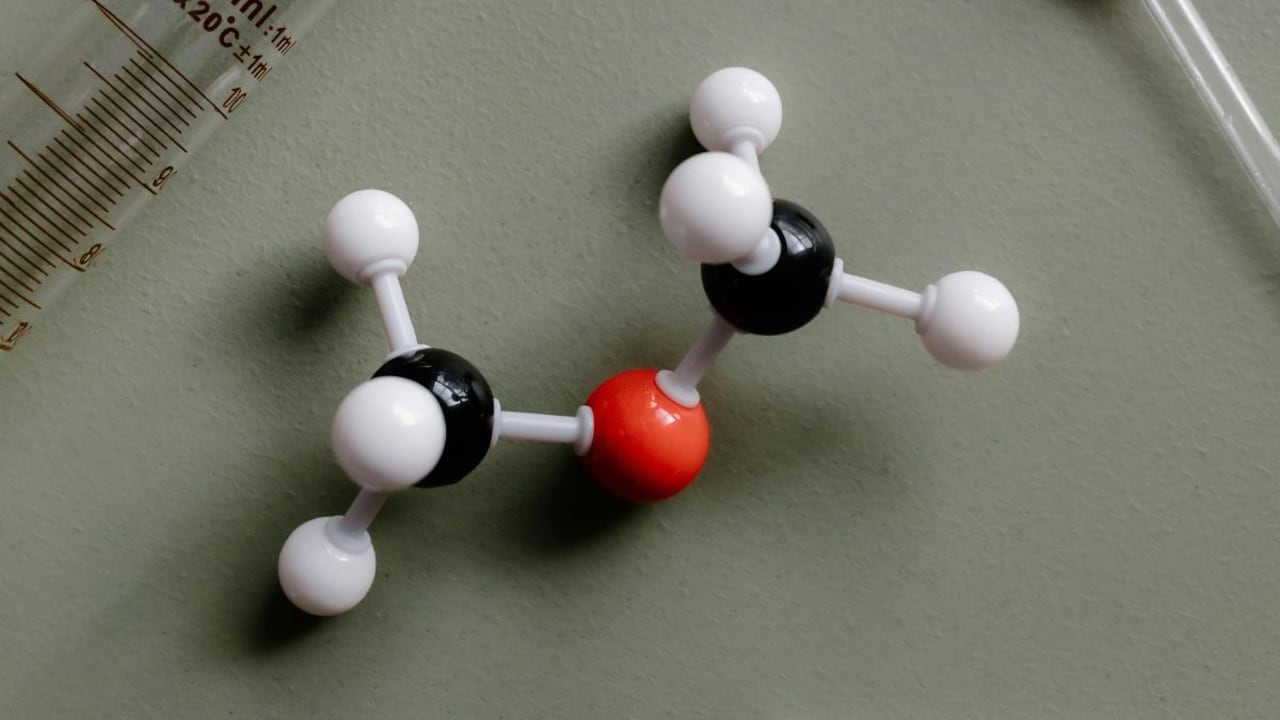
Peptides help the skin repair itself naturally over time.
Photo Credit: Pexels
Peptides are short chains of amino acids, and amino acids are the fundamental building blocks of proteins. In skincare, those proteins, collagen, elastin and keratin, are responsible for keeping the skin firm, elastic, smooth and resilient.
When we're younger, our skin produces these proteins efficiently. But from our mid-20s onwards, collagen production naturally begins to decline. Environmental stressors like UV exposure, pollution, poor sleep and stress accelerate this process. The result? Fine lines, dullness, sagging and slower skin repair.
Peptides work by communicating with skin cells. Think of them as messengers that tell the skin, "You need to repair, rebuild, and strengthen." Instead of forcing the skin into rapid renewal (like exfoliating acids or retinoids), peptides support the skin's natural processes.
This is why peptides are often described as smart ingredients, they work with your skin, not against it.
Why Does The Skincare Industry Love Peptides?
Peptides have gained popularity not just because they sound advanced, but because they offer something rare in skincare: results without aggression. Here's why brands and dermatologists favour peptides:
- They support collagen production without irritation
- They strengthen the skin barrier and improve moisture retention
- They help smooth fine lines gradually and naturally
- They are suitable for sensitive and compromised skin
- They work well alongside most skincare ingredients
In an era where over-exfoliation and barrier damage are increasingly common, peptides offer balance.
Types Of Peptides (And What They Do)
Peptides are suitable for all skin types, including sensitive skin.
Photo Credit: Pexels
Not all peptides function the same way. Understanding their roles adds clarity to product labels and marketing claims.
Signal Peptides
These encourage the skin to produce more collagen and elastin. They're most commonly used in anti-ageing serums and creams.
Carrier Peptides
These deliver essential minerals, such as copper, into the skin, supporting wound healing and skin regeneration.
Enzyme-Inhibiting Peptides
They slow down the breakdown of collagen, helping preserve firmness and elasticity over time.
Neurotransmitter-Inhibiting Peptides
Often compared to "topical Botox", these help relax facial tension and soften expression lines.
Most well-formulated products contain a blend of peptides, targeting multiple skin concerns at once.
Do Peptides Deliver Visible Results?
Yes, but only with consistency and realistic expectations.
Peptides are not instant-fix ingredients. They won't resurface your skin overnight or dramatically peel away wrinkles. Instead, their benefits show up gradually: improved texture, better hydration, increased firmness and healthier-looking skin.
Think of peptides as preventative and restorative. They're especially effective when used long-term and paired with a supportive routine.
How To Introduce Peptides Into Your Skincare Routine
One of the biggest advantages of peptides is how beginner-friendly they are.
Step 1: Pick The Right Format
Peptides are commonly found in serums, moisturisers and eye creams. If you're starting out, a lightweight peptide serum is ideal, it absorbs well and layers easily.
Step 2: Apply On Clean Skin
Use peptides after cleansing (and toning, if you tone) but before heavier creams or oils. This ensures optimal penetration.
Step 3: Use Them Morning And Night
Peptides are safe for daily use and can be applied twice a day. In the morning, follow with sunscreen. At night, seal with a nourishing moisturiser.
Step 4: Give It Time
Expect noticeable improvements after 4 to 8 weeks of regular use. Skin health is built, not rushed.
Can Peptides Be Combined With Other Actives?
Yes, this is where peptides truly excel.
Peptides pair beautifully with:
- Hyaluronic acid (hydration and plumpness)
- Niacinamide (barrier repair and even tone)
- Ceramides (strengthening and moisture retention)
However, peptides don't perform well in very low-pH environments. Strong exfoliating acids or pure vitamin C can reduce their effectiveness. If you use these actives, alternate routines, use acids in one routine and peptides in another.
Peptides For Different Skin Types
- Dry Skin: Look for peptides combined with ceramides and oils
- Oily or Acne-Prone Skin: Opt for lightweight peptide serums
- Sensitive Skin: Choose fragrance-free peptide formulations
- Ageing or Mature Skin: Multi-peptide blends with barrier-supporting ingredients work best
Are There Any Side Effects?
Peptides are among the lowest-risk skincare ingredients available. They rarely cause irritation, redness or breakouts.
That said, reactions can still occur due to other ingredients in the formula. Always patch test, especially if you have reactive or compromised skin.
Are Peptides Worth The Hype?
Peptides are not a marketing gimmick, and they're certainly not a miracle cure. But they are science-backed, skin-compatible and versatile, making them one of the most sensible additions to a modern skincare routine.
In an industry obsessed with instant results, peptides take a quieter, more sustainable approach. They focus on strengthening the skin rather than shocking it into change.
If there's one lesson to take away, it's this: don't follow trends blindly. Understand what you're using, respect your skin's biology, and choose ingredients that work with you, not just for the algorithm. Because glowing skin isn't built overnight, it's built thoughtfully.
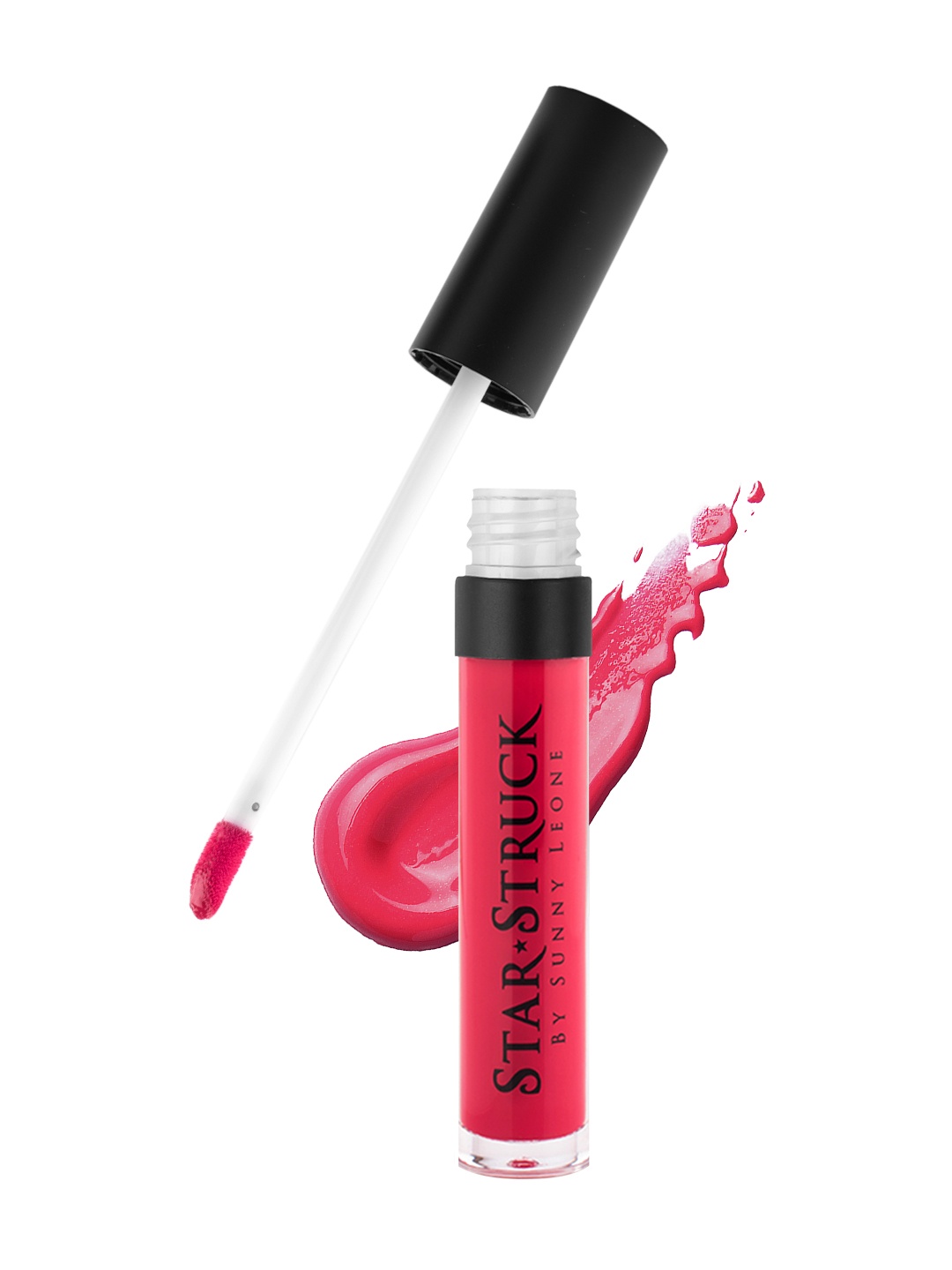
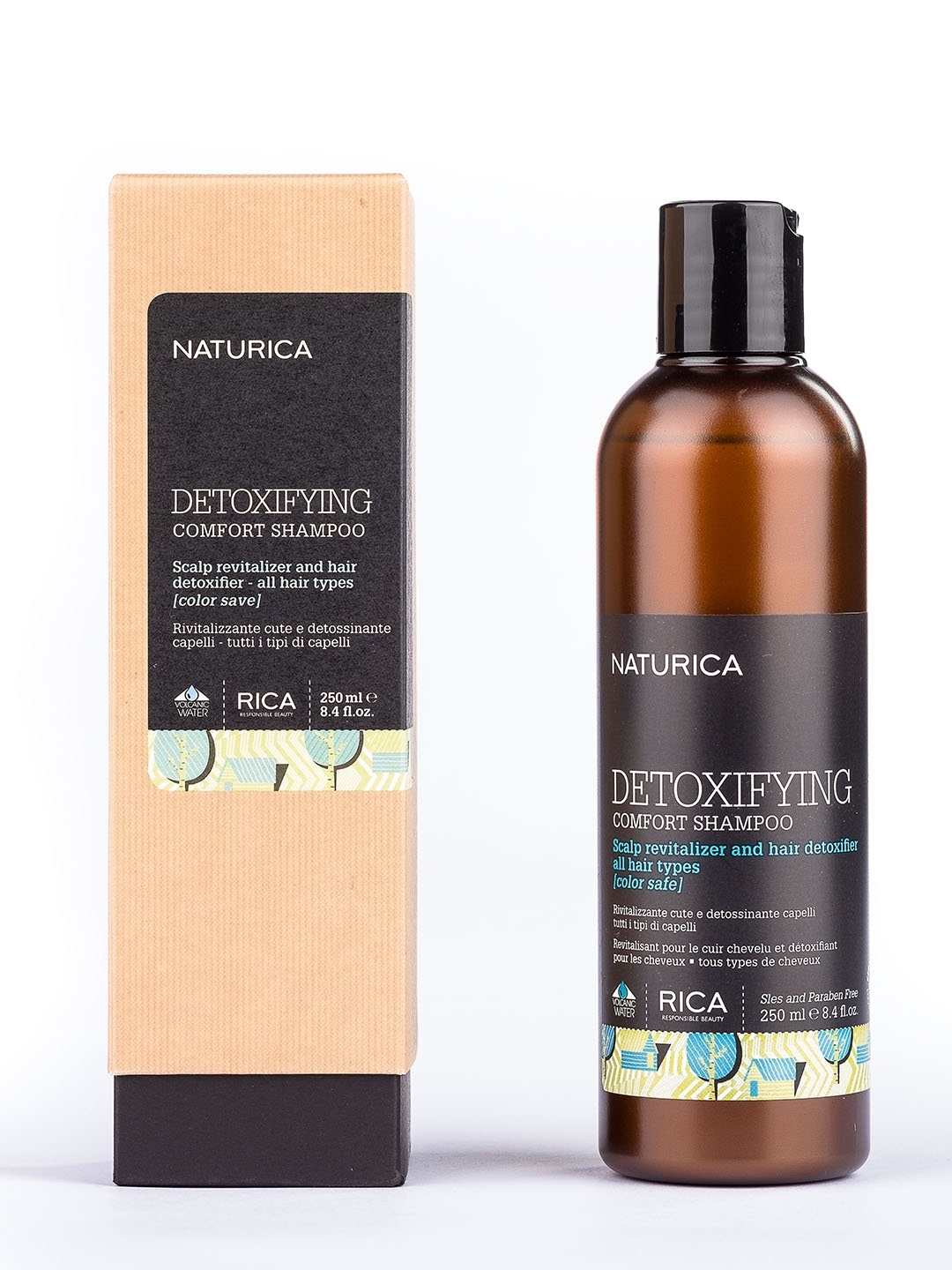
Peptide Related Products To Buy From Myntra
1. Dove Peptide Bond Strength Hair Treatment Mask
2. Chemist at Play Cherry Lip Balm For Chapped and Dark Lips
3. DOT & KEY Barrier Repair Ceramide + Peptide Lip Balm In-Vivo Tested SPF 50+ PA+++
4. Cetaphil Bright Healthy Radiance Perfecting Serum With Antioxidant C And Peptide
5. Bare Anatomy Anti-Hair Fall Conditioner With Rosemary And Peptides
6. FoxTale SPF 30 Brightening Lip Balm With Peptides And Vitamin C
7. Bare Anatomy 5X Hair Fall Control Shampoo Hair Growth
8. KORE Anti-Hair Fall Multi-Peptide Shampoo
Frequently Asked Questions (FAQs)
1. What do peptides do for the skin?
Peptides help signal the skin to produce collagen and support repair, leading to firmer, smoother and healthier-looking skin over time.
2. Can peptides be used every day?
Yes. Peptides are gentle and suitable for daily use, both in morning and evening skincare routines.
3. Are peptides better than retinol?
Peptides and retinol serve different purposes. Retinol accelerates cell turnover, while peptides support repair and strength. Peptides are often better for sensitive skin.
4. At what age should you start using peptides?
Peptides can be used from the mid-20s onwards as a preventative measure, but they are beneficial at any age.
5. Can peptides cause skin irritation?
Peptides themselves are low-risk and rarely irritating. Any reaction is usually due to other ingredients in the formulation.
(Disclaimer: This article may include references to or features of products and services made available through affiliate marketing campaigns. NDTV Convergence Limited (“NDTV”) strives to maintain editorial independence while participating in such campaigns. NDTV does not assume responsibility for the performance or claims of any featured products or services.)