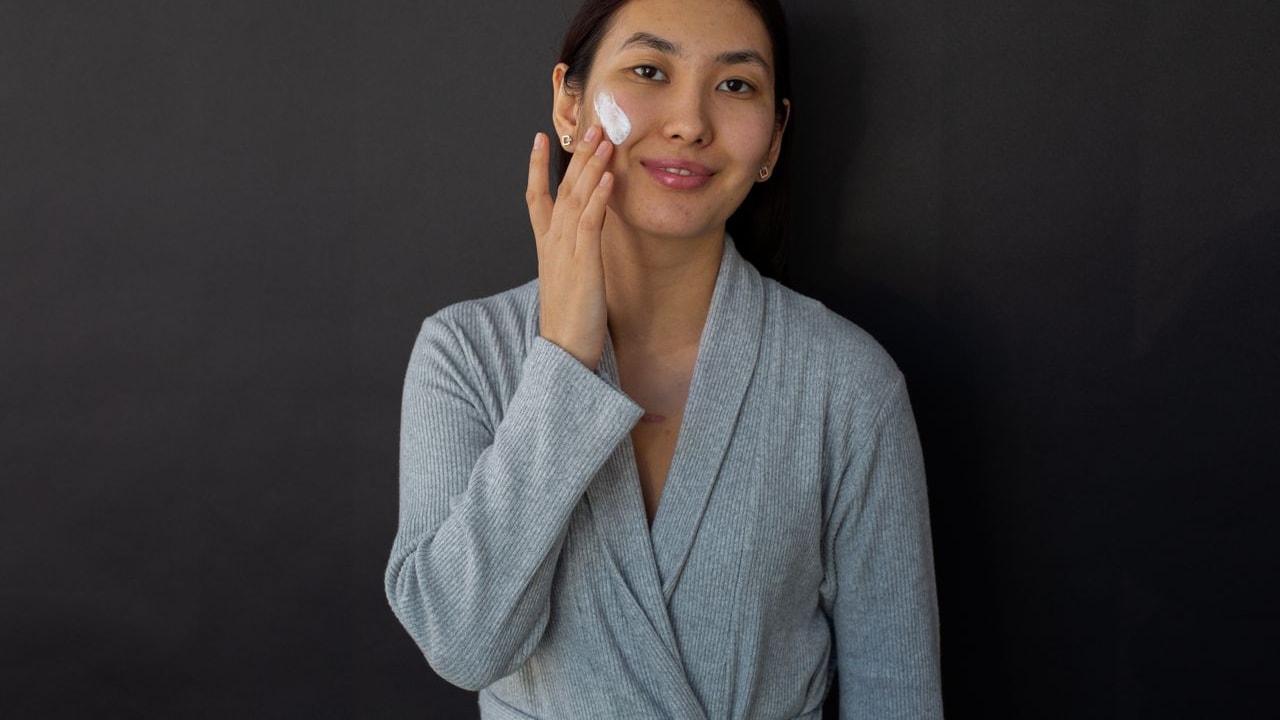
Korean Facials Are Replacing Gold And Diamond Treatments; Know Why
For years, gold and diamond facials dominated Indian salons. Discover how Korean-inspired facials focus on ingredients, hydration and skin health to deliver a natural, long-lasting glow, without harsh treatments.

Real glow comes from consistency, not luxury labels.
For decades, the Indian facial market revolved around just three familiar names: fruit facial, gold facial, and diamond facial. They were predictable, widely available, and almost ritualistic in how they were chosen.
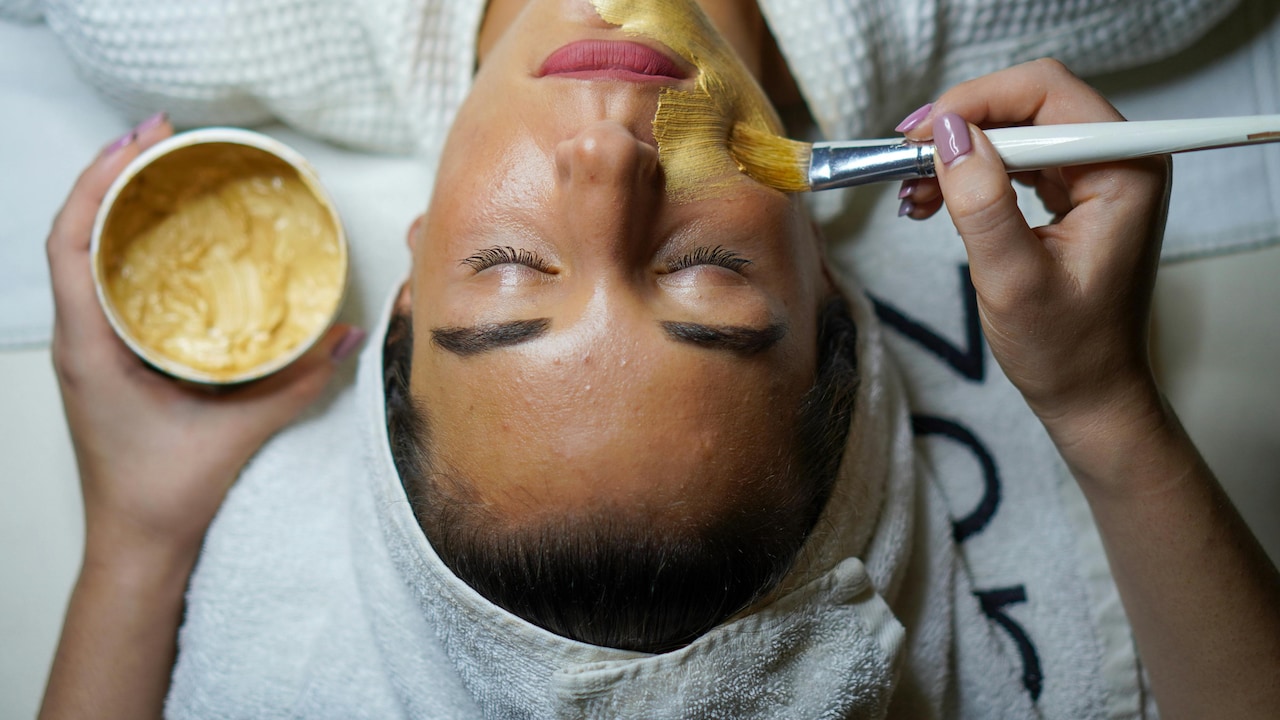
Gold and diamond facials prioritised occasion-based glow, not skin health.
Photo Credit: Pexels
The fruit facial was the dal-chawal of skincare. Affordable, dependable, and suitable for almost everyone, it promised basic cleansing and a mild glow. Anyone looking for a quick refresh before a casual outing or festival season would go for it without much thought.
Then came the gold facial, reserved for special occasions such as weddings, anniversaries, or important family events. Much like real gold jewellery that stays tucked away in lockers until a celebration arrives, the gold facial was brought out only when the moment truly demanded it. For a long time, it was considered the gold standard of professional skincare.
Also Read: Frequent Breakouts Even After Using The Best Products? Do A Hygiene Check For Your MakeUp Brushes
In the last decade, the industry introduced a new aspirational offering: the diamond facial. Almost overnight, gold became the "normal", while diamond was marketed as the ultimate luxury treatment. Salons positioned it as brighter, better, and more powerful, often with a significantly higher price tag.
But here's the truth many people slowly began to realise: these facials sounded more like DTH plans than actual skincare treatments. Big names, shiny promises, and vague taglines, but very little clarity.
- What exactly was in them?
- How did they work on the skin?
- Who were they actually meant for?
Most of the time, there were no clear answers. The focus remained on instant glow rather than long-term skin health.
The Problem With Traditional Facials
Classic gold and diamond facials were largely built around surface-level results. The glow was real, but temporary. Often achieved through heavy massage, exfoliation, occlusive creams, and sometimes even mild bleaching agents, these facials prioritised how the skin looked immediately after the session, not how it behaved days or weeks later.
Ingredient transparency was minimal. “Gold dust” or “diamond particles” sounded impressive, but there was little scientific explanation of how these elements benefited the skin in meaningful ways. Skin type, barrier health, sensitivity, and concerns like dehydration or inflammation were rarely taken into account.
As skincare awareness grew, consumers started asking better questions, and that's when the shift began.
The K‑Beauty Revolution
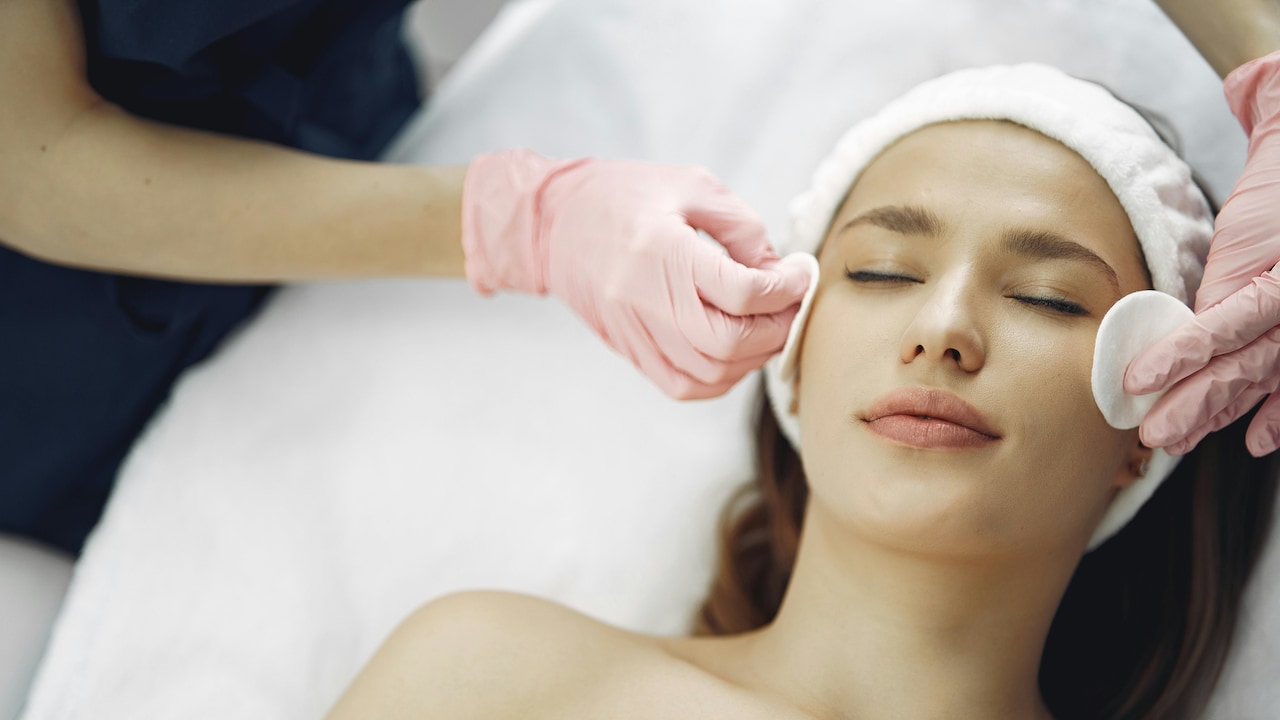
Korean facials focus on ingredients, not impressive names.
Photo Credit: Pexels
The turning point arrived with the K‑beauty wave. Indians became fascinated by the clear, luminous, seemingly poreless skin seen in K‑dramas, Korean films, and Instagram reels. The glow looked different, less shiny, more healthy. Less artificial, more natural.
People wanted to know the secret.
What they discovered was not a single magic facial, but a philosophy of skincare rooted in consistency, gentle formulations, and ingredient-led solutions. From rice water and ginseng to snail mucin and centella asiatica, Korean beauty introduced ingredients that sounded unusual but worked remarkably well.
More importantly, K‑beauty taught consumers why an ingredient mattered and how it worked on the skin. Skincare was no longer about instant gratification, it became about barrier repair, hydration, and long-term glow.
And naturally, the facial industry evolved too.
How Korean Facials Changed The Game
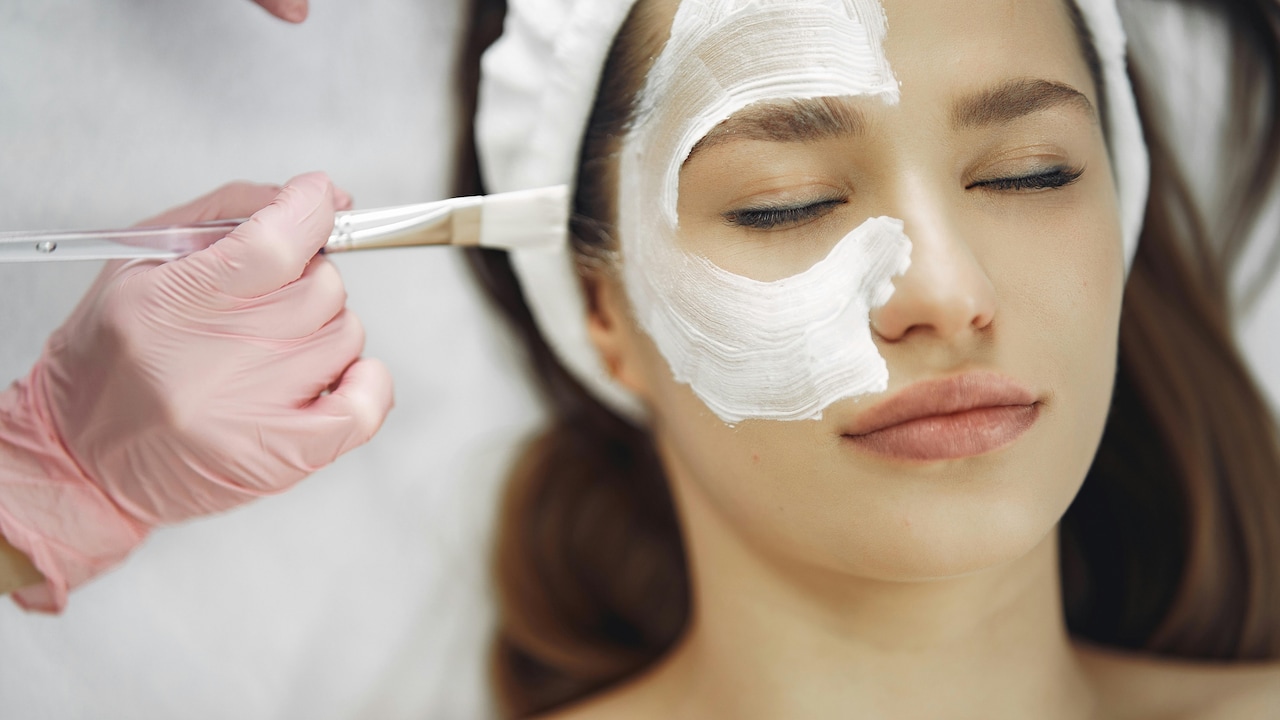
Gentle treatments often deliver better long-term results.
Photo Credit: Pexels
Unlike traditional Indian facials that followed a fixed template, Korean facials are modular and skin-specific. The focus is not on one hero ingredient like gold or diamond, but on layering targeted solutions based on what your skin actually needs.
Here's what truly changed the face of professional facials:
1. Skin Comes First, Not The Occasion
Korean routines don't reserve good skincare for weddings or festivals. The idea is to keep skin healthy at all times, so it doesn't need rescuing before big days.
2. Ingredients Over Marketing
Instead of vague luxury claims, Korean facials highlight actives like hyaluronic acid, niacinamide, ceramides, peptides, and fermented extracts, each chosen for a specific purpose.
3. Gentle Yet Effective
There's less aggressive scrubbing and more focus on hydration, soothing, and strengthening the skin barrier. This makes Korean facials suitable even for sensitive or acne-prone skin.
Korean-Inspired Facials That Are Replacing Gold And Diamond
Rice Water Facial
A nod to centuries-old Korean beauty traditions, rice water is rich in amino acids and antioxidants. This facial helps brighten dull skin, improve texture, and enhance natural radiance without irritation.
Glass Skin Facial
More of a result than a single treatment, glass skin facials focus on deep hydration, layered serums, and skin-plumping techniques. The goal is skin that looks translucent, supple, and evenly toned, not artificially glossy.
Hydraboost or Aqua Facials
Designed for dehydrated, tired skin, these facials rely heavily on hyaluronic acid and moisture-binding ingredients. They restore bounce and comfort, making them ideal for Indian weather conditions.
Centella or Cica Facials
Perfect for sensitive or inflamed skin, these facials calm redness, repair the skin barrier, and reduce stress-induced breakouts. They're especially beneficial for those who found gold or diamond facials too harsh.
Snail Mucin Repair Facials
Despite initial hesitation, snail mucin has become a favourite for its ability to heal, hydrate, and improve elasticity. These facials work exceptionally well for damaged or ageing skin.
Why Korean Facials Are Better For Indian Skin
Indian skin often deals with heat, pollution, humidity, and pigmentation, making gentle yet effective care essential. Korean facials address these challenges by:
- Supporting the skin barrier rather than stripping it
- Providing hydration without heaviness
- Reducing inflammation and sensitivity
- Delivering results that last beyond one day
Instead of shocking the skin into glowing, these treatments train the skin to behave better over time.
The Future of Facials Is Informed, Not Flashy
Gold and diamond facials aren't inherently bad, but they belong to a time when information was limited and skincare choices were few. Today's consumer is more informed, more curious, and far more invested in skin health than surface-level glow.
Korean-inspired facials reflect this shift. They're customisable, ingredient-focused, and rooted in skin science rather than spectacle. The glow they offer may be subtle at first, but it's healthier, longer-lasting, and far more skin-friendly.
In a world where skincare is finally being understood rather than blindly followed, it might be time to let go of flashy names and embrace routines that actually work. Because real glow doesn't come from gold or diamonds, it comes from well-cared-for skin.
Frequently Asked Questions (FAQs)
1. Why are gold and diamond facials losing popularity?
Gold and diamond facials focus largely on instant glow rather than long-term skin health. With limited ingredient transparency, many people now prefer treatments that explain how and why they work.
2. What makes Korean facials different from traditional facials?
Korean facials are ingredient-led, gentle, and customised to skin concerns such as dehydration, sensitivity, or dullness rather than being designed for special occasions only.
3. Are Korean facials suitable for Indian skin types?
Yes. Korean facial techniques emphasise hydration, barrier repair, and soothing inflammation, making them suitable for Indian skin exposed to heat, pollution, and humidity.
4. Do Korean facials give an instant glow like diamond facials?
They do offer visible brightness, but the glow is more natural and improves gradually with consistent care rather than fading after a day or two.
5. Can sensitive or acne-prone skin opt for Korean facials?
Absolutely. Many Korean facials are designed to calm the skin, reduce redness, and strengthen the skin barrier, making them ideal for sensitive and acne-prone skin.
(Disclaimer: This article may include references to or features of products and services made available through affiliate marketing campaigns. NDTV Convergence Limited (“NDTV”) strives to maintain editorial independence while participating in such campaigns. NDTV does not assume responsibility for the performance or claims of any featured products or services.)