10 Reasons Mascara Makes Curled Lashes Fall Flat And How To Keep The Curl Longer
Mascara can undo a carefully curled lash within minutes. From heavy formulas to wet layers and poor curling technique, here are 10 reasons lashes lose their lift and practical ways to help the curl stay put for longer.
How to lift lashes using mascara
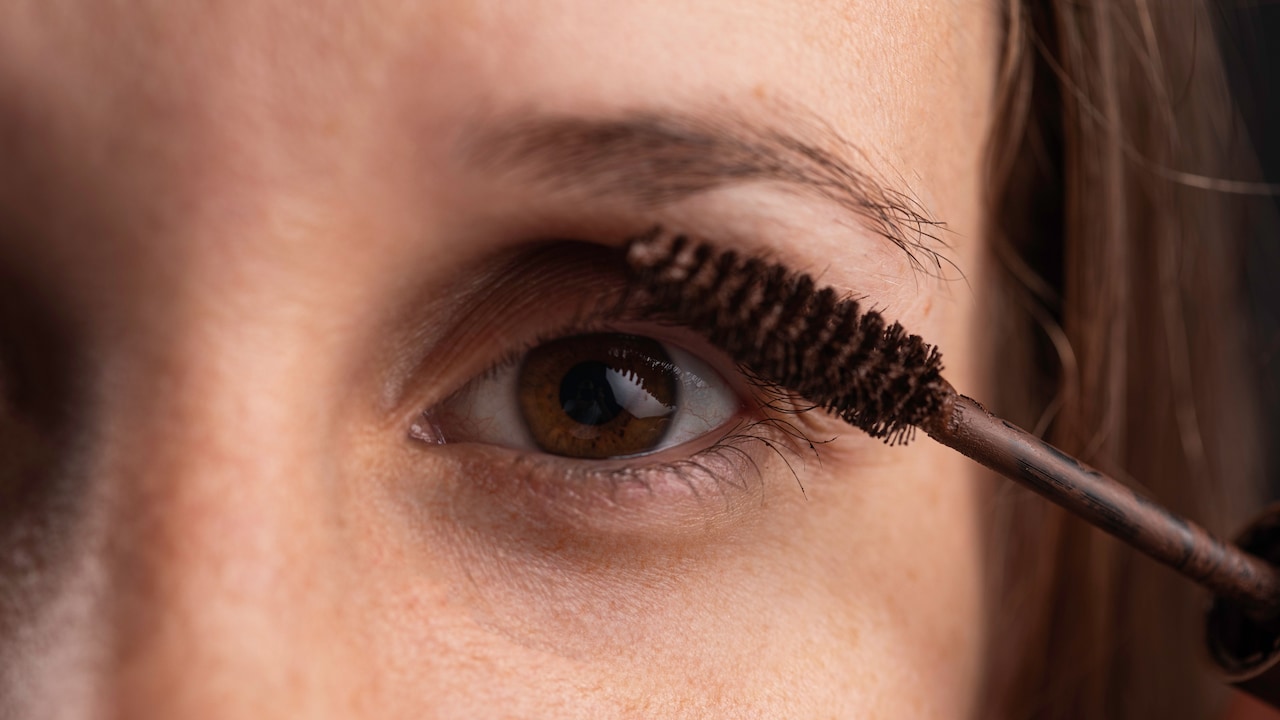
Few beauty disappointments happen quite as quickly as watching freshly curled lashes surrender the moment mascara touches them. One minute, they're lifted, fanned out and making the eyes look noticeably more awake. A couple of mascara strokes later, they're pointing straight ahead again as if the eyelash curler never happened.

Mistakes to avoid when using mascara
Photo Credit: Pexels
It's easy to blame stubborn lashes, but natural lash shape is only part of the story. Mascara contains waxes, pigments, oils, polymers and other ingredients that affect how much weight and moisture lands on each lash. Application technique matters too. A thick coat at the roots behaves very differently from a light coat swept through the tips.
Also Read: Try These Best 5 Mascara For Volume And Length In India
Humidity, drying time, the type of eyelash curler and even the order of a makeup routine can also influence how long a curl survives. So before giving up on the curler or buying yet another mascara, it helps to understand exactly what is pulling those lashes back down.
Why Your Lash Curl Disappears After Mascara
1. The Mascara Formula Is Too Wet
A very wet mascara may give lashes dramatic colour and easy coverage, but all that moisture can work against a freshly created curl. Think of it a little like styling hair and immediately spraying it with water. The lashes have just been bent into a new shape, and a moisture-heavy formula can encourage them to return towards their natural position.
This tends to happen most with brand-new mascara tubes. Fresh formulas often carry more product on the wand and can feel noticeably wetter during the first few uses. Applying several generous strokes only adds more weight.
Try wiping excess mascara from the wand against the tube opening before application. One thin coat usually holds a curl better than one thick, saturated layer.
Some people also find that mascara performs better after the tube has been open for a short while because the formula becomes slightly less wet. That doesn't mean keeping mascara past its safe usage period. It simply explains why a brand-new tube may behave differently from the same mascara a few weeks later.
2. Too Much Product Is Sitting On The Lash Tips
When lashes fall flat, attention often goes straight to the roots. The tips, however, can cause just as much trouble.
Mascara builds length by depositing pigments, fibres, waxes and polymers along the lash. If most of that product collects towards the ends, the extra weight creates a tiny lever. The longer the lash, the more noticeable this effect can become. Gradually, those beautifully curved tips start pointing forwards instead of upwards.
A better approach is to concentrate definition near the roots and mid-lengths while using a lighter hand towards the ends. Wiggle the wand gently at the base, then pull it upwards without repeatedly coating the final few millimetres.
This technique can still create visible length without making the tips bulky.
Be especially careful with fibre mascaras or formulas marketed for extreme length. They can look impressive, but repeated coats often leave long lashes carrying far more product than necessary. When curl longevity matters, controlled application usually beats piling on another layer for drama.
3. You Are Applying Too Many Coats
The temptation is understandable. One coat looks good, two look better, and suddenly there's a third coat because one eye somehow seems more dramatic than the other.
Unfortunately, every layer adds weight.
Mascara doesn't simply colour the lashes. Each coat creates another film around them. With enough product, even naturally upward-facing lashes can begin drooping.
Layering also becomes tricky when the first coat starts drying before the next one goes on. Fresh mascara can pull against partially set mascara, making lashes clump together or lose their carefully separated shape.
For everyday makeup, one or two controlled coats will often create a better result than several heavy ones. If more volume is needed, focus the second coat where the lashes look sparse rather than covering every lash from root to tip again.
There's another useful trick: stop before the lashes look “finished”. Mascara often becomes more noticeable as it dries and darkens. That extra stroke that feels necessary while applying it can sometimes be the very stroke that sends the curl south.
4. Your Natural Lashes Point Downwards
Some lashes simply need more persuasion.
Naturally straight or downward-facing lashes tend to return to their original shape more easily than lashes that already grow upwards. Mascara can exaggerate the problem because it adds weight to a hair that already prefers pointing down.
A single squeeze with an eyelash curler may not create enough structure for these lashes. Instead, try curling in stages.
Begin close to the roots without pinching the eyelid. Hold the curler gently for several seconds. Move it slightly towards the middle of the lashes and press again. A final light press closer to the tips can create a rounded curve instead of an abrupt bend.
This gradual technique spreads the curl along the lash rather than forcing all the lift into one point.
Avoid aggressive squeezing. More pressure doesn't necessarily mean more curl, and repeatedly clamping too hard can weaken lashes. The aim is a gentle C-shaped curve that has a better chance of staying lifted once mascara enters the picture.
5. The Mascara Contains Heavy Conditioning Ingredients
Conditioning mascara sounds ideal, particularly when lashes feel dry or brittle. But richer formulas don't always make the best curl companions.
Certain mascaras contain oils, emollients and wax-heavy blends designed to make lashes feel soft and flexible. That can improve comfort and reduce a crispy finish. The downside is that softer formulas may struggle to lock a strongly curled lash into position.
Someone with naturally curled lashes might never notice. Someone with straight lashes could see the curl disappear surprisingly quickly.
This doesn't make nourishing mascaras bad products. It simply means the formula needs to match the goal.
If holding curl is the priority, look for descriptions such as lightweight, curling, lifting or quick-setting rather than choosing purely on conditioning claims. Waterproof formulas also tend to hold curl well because they often contain less water and set relatively firmly.
That said, waterproof mascara needs gentle removal. Rubbing repeatedly with a cotton pad defeats the purpose of protecting lashes in the first place.
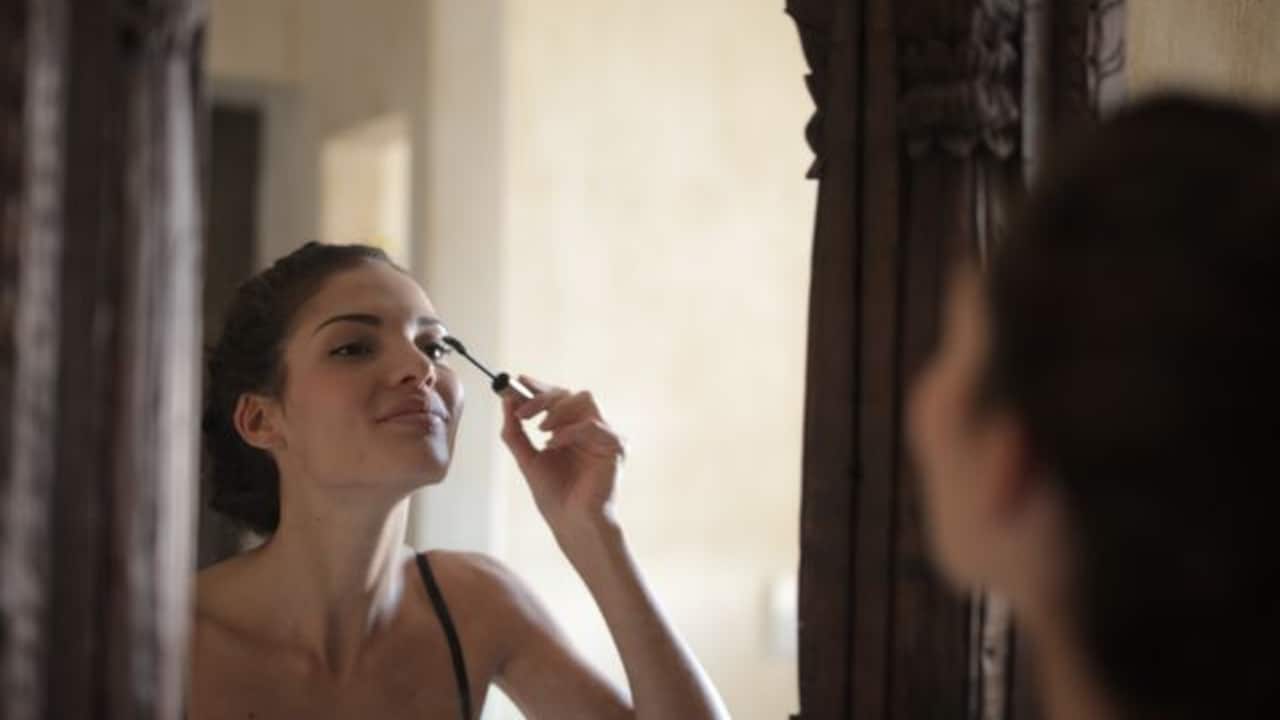
Using mascara with heavy conditioning ingredients may not get a well lifted look
Photo Credit: Pexels
6. You Are Curling Only At The Roots
A dramatic bend right at the lash line can look impressive before mascara. Unfortunately, it may not last very long.
When only the roots get curled, the rest of the lash remains fairly straight. Once mascara coats that straight section, its weight can pull against the small bend at the base. Eventually, the lash begins flattening.
Curling across two or three sections distributes the shape much more evenly.
Start near the base, shift towards the centre and finish with a softer press further along the lash. The result should look curved rather than crimped.
This method also prevents the sharp 90-degree angle that sometimes appears when someone clamps hard at the roots and calls the job done. That bend can look unnatural once mascara darkens every lash.
Different eye shapes may need slightly different curler positions, so there's no need to follow a rigid number of seconds. The important part is creating a gradual arc. A balanced curl gives mascara a stronger shape to work with instead of expecting one tiny bend to support the entire lash.
7. You Are Taking Too Long To Apply Mascara
Mascara application can turn unexpectedly strategic when curl retention is the goal.
After curling, lashes temporarily hold their new shape. Leaving them untouched for too long while finishing brows, blending concealer or searching through a makeup pouch gives them time to relax towards their natural position.
For stubborn lashes, applying mascara shortly after curling can help set that shape sooner.
The same principle applies between coats. Waiting until the first layer becomes completely dry can make the next coat harder to distribute. The wand may tug at stiff lashes rather than glide through them.
Instead, let the first layer set slightly but remain workable before adding another thin coat.
There's no need to race through the process. The point is simply to avoid long gaps.
Makeup routines often become automatic, so rearranging the order can make a surprising difference. Curl the lashes when mascara is ready to use rather than curling them and then spending another ten minutes finishing the rest of the face.
8. Humidity Is Softening The Curl
A curl that behaves perfectly in an air-conditioned room may have very different plans once it meets warm, humid weather.
Human hair reacts to moisture in the air, and eyelashes are no exception. High humidity can make curled lashes gradually shift towards their natural shape. Add a water-heavy mascara and the effect can become even more obvious.
This explains why the same routine might last through an indoor workday but struggle during outdoor travel, festive events or humid mornings.
A faster-setting mascara can help. Waterproof or water-resistant formulas may also perform better when humidity regularly ruins the curl.
Application still matters, though. Even a strong formula can drag lashes down if several thick layers are applied.
Keeping the eye area free from excessive moisturiser or facial oil can help too. Rich skincare that migrates onto the lashes may soften mascara and affect its hold.
There's no need to avoid moisturising the eye area altogether. Simply give skincare enough time to absorb before reaching for the curler and mascara.
9. Your Eyelash Curler Does Not Fit Your Eye Shape
Not every eyelash curler works equally well for every eye.
Some curlers have a pronounced curve, while others have a flatter shape. If the curler doesn't sit comfortably along the lash line, it may curl the centre lashes beautifully while barely touching the inner and outer corners.
The result can look lifted at first because the central lashes create visible height. Once mascara goes on, however, the uncurled lashes around them can make the overall lash line appear flatter.
Before squeezing, check whether most lashes actually sit inside the curler.
If reaching the corners requires uncomfortable twisting or several awkward attempts, the curler may simply have the wrong curvature for the eye.
The silicone or rubber pad matters too. A worn pad can reduce grip and create uneven pressure. Replacing it when it becomes damaged or deeply indented can improve performance.
Sometimes the mascara isn't ruining the curl at all. The curl was uneven from the beginning, and dark mascara simply makes the difference easier to notice.
10. You Keep Brushing The Lashes After They Start Setting
Perfecting mascara can become a dangerous little loop. Brush, inspect, brush again, separate one lash, fix another lash, then add just one final stroke.
Meanwhile, the mascara has started setting.
Running the wand through partially dried lashes can pull them out of position. It can also create clumps, which add even more weight. A curl that looked perfectly lifted after the first few strokes may gradually disappear through overworking.
Try to make each pass intentional. Place the wand near the roots, wiggle gently and sweep upwards. Separate any obvious clumps while the formula is still workable, then leave the lashes alone.
If one area needs more volume, target only that section instead of combing through the entire lash line again.
A clean lash comb can help with separation, but timing matters here as well. Use it before the mascara becomes hard.
There comes a point in most beauty routines when another adjustment stops improving things. With mascara, recognising that moment may be one of the simplest ways to keep a curl intact.
Products Related To This Article
1. Maybelline New York Colossal Volume Express Waterproof Mascara - Black
2. LOreal Paris Voluminous Panorama Waterproof Mascara 9.9ml
3. LOVE EARTH Smudge-Proof & Long Lasting Mascara 8ml
4. STAZE 9to9 All Eyes On You Volumizing & Waterproof Mascara 5 ml - Blackest Black
5. Lakme Ultimate Glam Volumizing Mascara Water-Resistant & Smudgeproof 10ml
6. Clinique High Impact High-Fi Instant Full Volume Waterproof Mascara 5ml
7. Hilary Rhoda Twin Twister Waterproof & Smudge-Proof Formula Mascara- 12 ml
Mascara doesn't have to flatten every carefully curled lash. Usually, the problem comes down to moisture, excess weight, application habits or a curl that wasn't strong enough to begin with. Lighter coats, better curler technique and a faster-setting formula can make a noticeable difference. Sometimes the best mascara trick isn't adding more product at all. It's knowing exactly when to stop.
(Disclaimer: This article may include references to or features of products and services made available through affiliate marketing campaigns. NDTV Convergence Limited (“NDTV”) strives to maintain editorial independence while participating in such campaigns. NDTV does not assume responsibility for the performance or claims of any featured products or services.)