How To Keep Lips From Chapping As The Weather Cools
Cold air and indoor heating both dry your lips out fast right now, and licking them only makes it worse. Here's how you can actually fix it properly.
Try these easy tips to heal chapped lips in winter
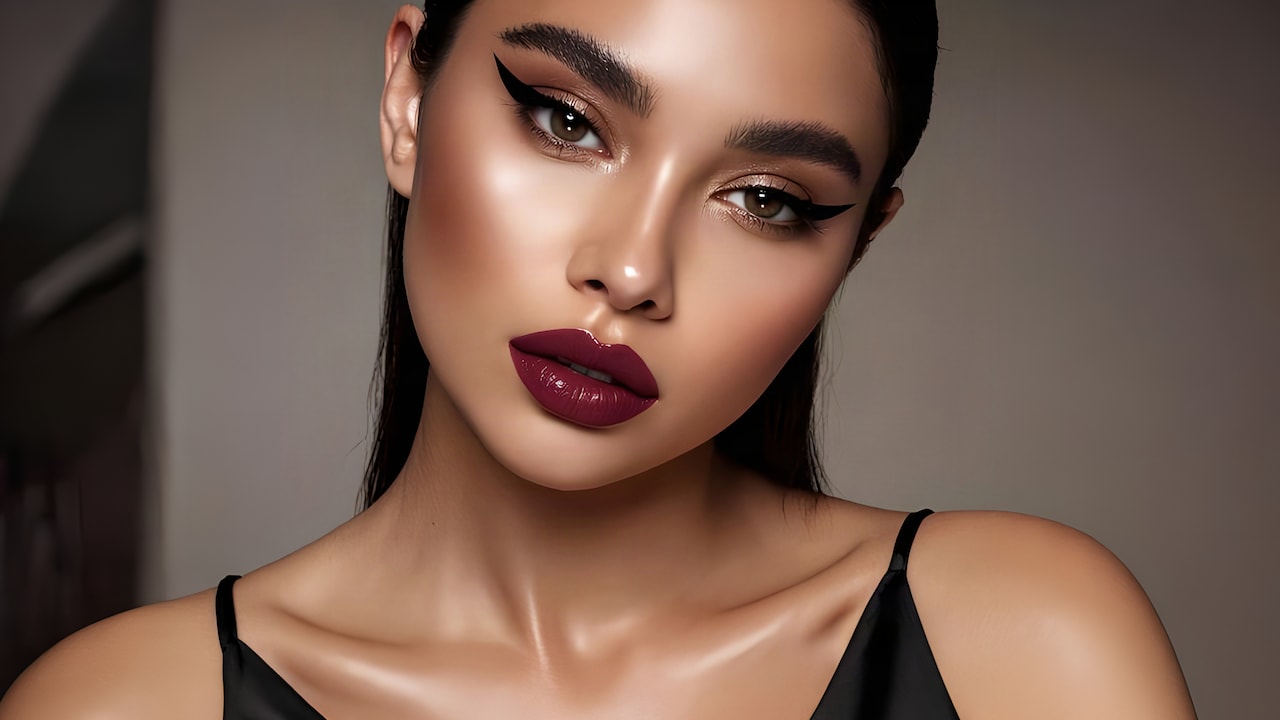
Your lips turn into a mess every year around mid-October, and they don't fix themselves on their own. You apply balm every hour, constantly run your tongue over the cracked area, and buy whatever's nearest, just hoping it works this time. Cold air is half the problem, obviously. The other half is your wrong product selection that makes chapped lips worse. which nobody warns you about until it's already happened to you. Add a bit of wind on your walk anywhere, and there's no window where your lips aren't losing moisture.
Why Your Lips Actually Chap When It's Cold
Photo Credit: iStock
And here's what you probably don't realise: the balm isn't fixing anything, just sitting on top like that. It's a plaster, not a cure, whatever the label promises you. Actual repair needs two things happening at the same time: your moisture locked underneath the surface and your skin left alone long enough to properly do its thing without interference.
Also Read: Ditch Dry Lips: 5 Intensely Tinted Lip Balms That Hydrate And Deliver Rich Colour
Why Your Lips Actually Chap When It's Cold
Lips don't have oil glands. Everywhere else on your face has oil glands. That's basically the entire reason this happens at all. Warm air holds moisture, while cold air does not, so as soon as you step outside, your skin begins to lose water almost instantly. Wind just speeds up whatever was already happening. It strips off the last bit of whatever thin barrier existed.
Strangely, being indoors doesn't help either. Central heating can drastically reduce the humidity in a room, sometimes in as little as twenty minutes. This allows you to sit there and entirely forget that it's chilly outside, even while your lips are still drying out.
Does Applying Lip Balm Really Prevent Chapping?
It depends entirely on what's actually in it. Shea butter, petroleum jelly, and ceramides — these ingredients hold moisture in properly. Many balms have none of that and just smell nice, which is fine, but that was never really the job.
Three or four days minimum for a cracked lip to heal, no matter what you use on it. Reapplying constantly matters way more than the brand does. You might assume expensive automatically means better, but that's rarely true.
How To Stop Your Lips Chapping Every Day
To be honest, a few minor adjustments made earlier would have prevented most of it, but most people only deal with the issue after it has already caused pain.
1. Stop Licking Your Lips
Everyone does it. It helps for maybe five seconds. Then the saliva evaporates and takes whatever moisture was left with it, so you're actually drier than before. Keep doing it for a week straight, and the skin around the edges starts looking properly raw.
2. Balm Goes On Before You Leave, Not After
It's already too late when it starts to feel snug. The timeframe that matters is around ten minutes before leaving since that's how long it needs to fully sink in. Thin layer, always. Thick stuff just slides off in the cold, and you've wasted half the tube for nothing.
3. Water Still Matters, Even When You're Not Thirsty
People drink noticeably less water once it's cold, which is backwards because your whole body's drying out, the same as your lips are. Lip skin's thinner than practically anywhere else on you. It shows it first. Basically, it's your early warning that you're already behind on water.
4. Run A Humidifier Overnight
Heating wrecks the humidity in a bedroom overnight, and almost nobody clocks it, especially once it's been running for hours without stopping. A humidifier sorts that out while you sleep. It matters more than you'd think, especially since your lips get no reapplication for a full eight hours straight.
What Should Actually Decide Which Balm You Buy
Forget whatever's on the packaging. Ingredients are the only thing that actually matters, and two balms that sit next to each other can do entirely different jobs despite costing the same. Some are built for lips that are already fine. Others exist purely to repair ones that have already cracked. Get that wrong, and it just feels like the balm's doing nothing, because for your actual problem, it basically is doing nothing.
1. Petroleum Jelly Or Shea Butter, Ideally Both
These trap moisture against the skin instead of just sitting there uselessly. That's genuinely the whole job a working balm has. Balms without either feel okay for maybe an hour. Then nothing happens. You're right back where you started.
2. SPF, If You're Outdoors Often
Sun adds its damage on top of whatever the cold's doing, even on a grey day that doesn't look bright at all. SPF 30 or above is worth having if you're out walking or driving around fairly often through the day.
3. Skip Fragrance And Menthol
Both feel nice for about a second, then irritate skin that's already cracked, and it's sometimes worse the next day rather than better. Unscented, or nearly so, is usually the safer option once chapping has really set in.
4. Something Heavier At Night
A thick, occlusive balm before bed gets hours of completely uninterrupted time to work, with nothing wiping it off in between. To be honest, this is probably the largest difference between recovering in a few days and being cracked for weeks.
So, What Actually Works This Winter
There's genuinely no single balm that works for everyone. Lips that are just slightly tight need something entirely different from lips that have properly cracked, and matching that correctly matters more than anything printed on the tube.
Shea butter and petroleum jelly can withstand most daily chapping without causing any problems. For most people, the combination of adding SPF if they spend a lot of time outdoors and going thicker and unscented at night. If things start to crack, they will get them through the winter without having to worry about it.
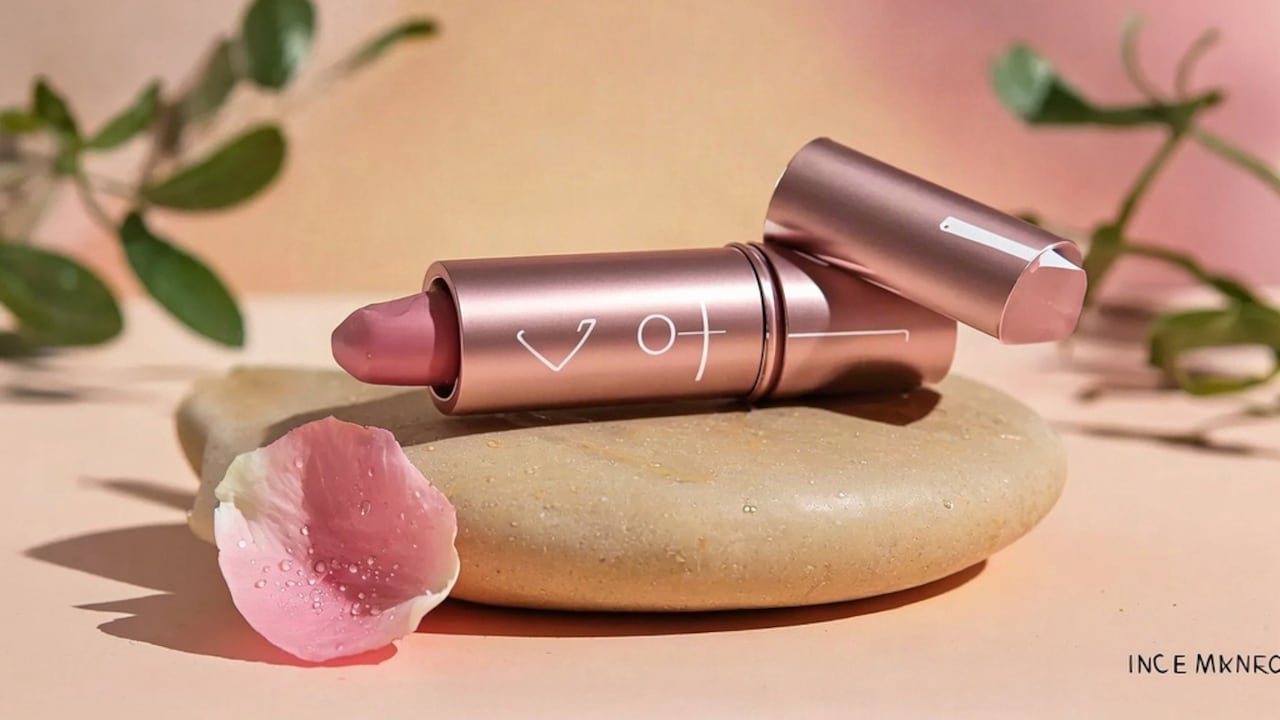
Some Products You May Like
Photo Credit: iStock
Some Products You May Like
1. Vaseline Original Lip Balm Stick
2. NIVEA Original Care Lip Balm
3. Himalaya Rich Cocoa Butter Lip Balm
4. Bare Necessities Cocoa Butter Lip Balm
5. Deconstruct Hyaluronic Acid Lip Balm
6. Minimalist Ceramide Lip Balm SPF 30
7. Sebamed Lip Balm for Chapped Lips
8. NMF-E Moisturising Lip Balm SPF 40+
Frequently Asked Questions (FAQs)
1. Does lip balm make your lips dependent on it?
No. Lips just get used to feeling normal. Stop, and the dryness returns fast. That's habit, not addiction, plain and simple.
2. Is plain Vaseline enough on its own?
Mostly, yes. It covers everyday chapping well enough on its own. Only add SPF once you're out in the real sun, regularly.
3. Balm before or after brushing your teeth?
Afterwards, I work a bit better here. Toothpaste residue dilutes it otherwise. It's a small switch, but it makes a real difference by the end of winter.
4. Why do flights and air-conditioned rooms make chapping worse?
Humidity drops below twenty percent in both places. Lips dry out faster in there than outside, even during peak winter.
5. When should chapped lips see a doctor instead of just balm?
Bleeding and no healing after two weeks. Real swelling or pain. Any one of those means skip the balm.
(Disclaimer: This article may include references to or features of products and services made available through affiliate marketing campaigns. NDTV Convergence Limited (“NDTV”) strives to maintain editorial independence while participating in such campaigns. NDTV does not assume responsibility for the performance or claims of any featured products or services.)