10 Reasons Concealer Settles Into Under-Eye Lines And How To Keep It Smoother
Concealer looking smooth at 9 am but creased by lunchtime? From dehydrated skin and heavy formulas to excess powder and rushed blending, small makeup habits can push concealer into under-eye lines. Here’s how to help it stay smoother.
Why Does Concealer Crease Under The Eyes? 10 Reasons And Easy Fixes
Under-eye concealer has a slightly unfair job description. It needs to cover dark circles, brighten shadows, blend naturally with the rest of the face and somehow remain completely smooth on an area that moves every time we smile, blink or squint at a phone screen. So, a little movement during the day isn't unusual. The problem starts when concealer collects visibly inside fine lines, separates around the inner corners or turns into narrow pale streaks beneath the eyes. Daily makeup that looked fresh while you were getting ready suddenly feels heavier a few hours later. The instinctive response often involves adding more concealer or setting it with more powder. Unfortunately, both can make matters worse. Creasing usually comes from a combination of skin preparation, product texture, application technique and simply using too much. Even the shape of the under-eye area plays a role. The good news? A few small changes can make concealer look considerably smoother without turning the morning routine into a 20-step beauty ritual.
Why Does Concealer Crease Under The Eyes? 10 Reasons And Easy Fixes; Photo Credit: Pexels
Why Under-Eye Concealer Creases Even When The Rest Of Your Makeup Looks Fine
1. The Under-Eye Area Is Naturally Full Of Movement
The first culprit isn't necessarily the concealer. It is the location. The skin beneath the eyes moves constantly. Blink, laugh, squint in bright sunlight, check tiny text on a phone or raise an eyebrow during an interesting conversation, and the area folds repeatedly. Fine lines that appear almost invisible on bare skin can therefore become much more noticeable once makeup sits over them.
Concealer naturally travels towards these folds, especially when the formula remains creamy after application. This doesn't mean something has gone wrong with the skin or that every line needs covering.
Instead of trying to create a completely motionless finish, aim for a thin, flexible layer. Apply concealer only where discolouration actually needs coverage rather than coating the entire under-eye area.
After blending, look upwards and gently smooth any product that has already gathered in the lines. Then set only where necessary. Less product has less opportunity to migrate when facial expressions start doing what facial expressions do.
Perfectly frozen concealer may look impressive in a photograph. Comfortable, lightly applied makeup usually behaves much better during an ordinary day.
Also Read: 5 High-End Concealers That Can Help Hide Blemishes And Pigmentation
2. Dehydrated Skin Makes Concealer Catch On Fine Lines
Dryness underneath makeup doesn't always look like obvious flaky skin. Sometimes the area simply feels slightly tight or looks less plump than usual.
That small amount of dehydration can change how concealer behaves.
When the surface lacks moisture, creamy makeup may cling unevenly instead of spreading smoothly. Fine lines become easier to see because product gathers along their edges. Adding powder afterwards can exaggerate the texture further.
A lightweight moisturiser or eye cream before makeup can help create a softer surface. Give skincare enough time to settle rather than immediately layering concealer over a slippery cream. Five to ten minutes can make a noticeable difference.
That said, more moisturiser isn't automatically better. A thick layer can prevent makeup from gripping properly and encourage it to slide around.
The goal is comfortable skin, not a glossy coating beneath the eyes.
Morning routines can become hurried surprisingly quickly, particularly when sunscreen, moisturiser and makeup all need attention. But giving skincare a short head start often saves more time than repeatedly trying to fix creased concealer later.
3. Too Much Concealer Creates More Product To Settle
Those dramatic social-media concealer triangles may look satisfying on screen, but everyday makeup rarely needs that much product.
A thick layer gives concealer plenty of material to move into every available fold. It may initially look beautifully opaque, especially under bright bathroom lighting. An hour later, however, excess product can gather beneath the lower lash line and inside expression lines.
Try starting with considerably less.
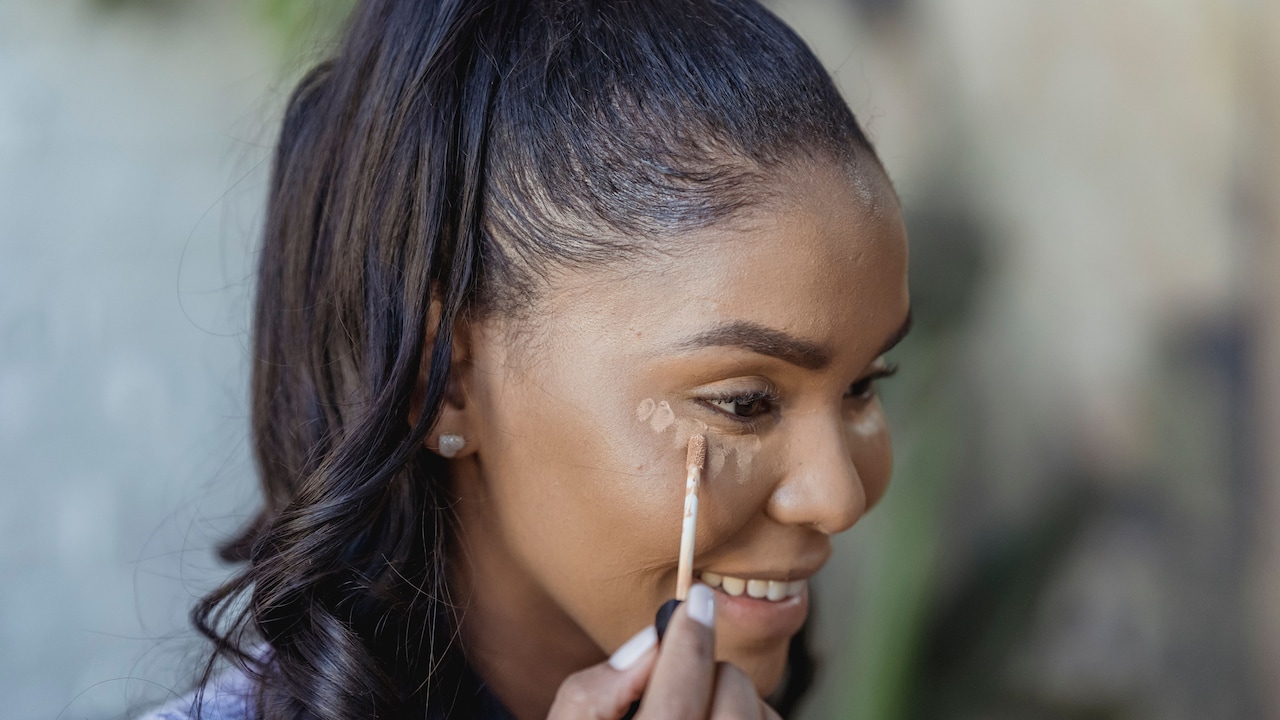
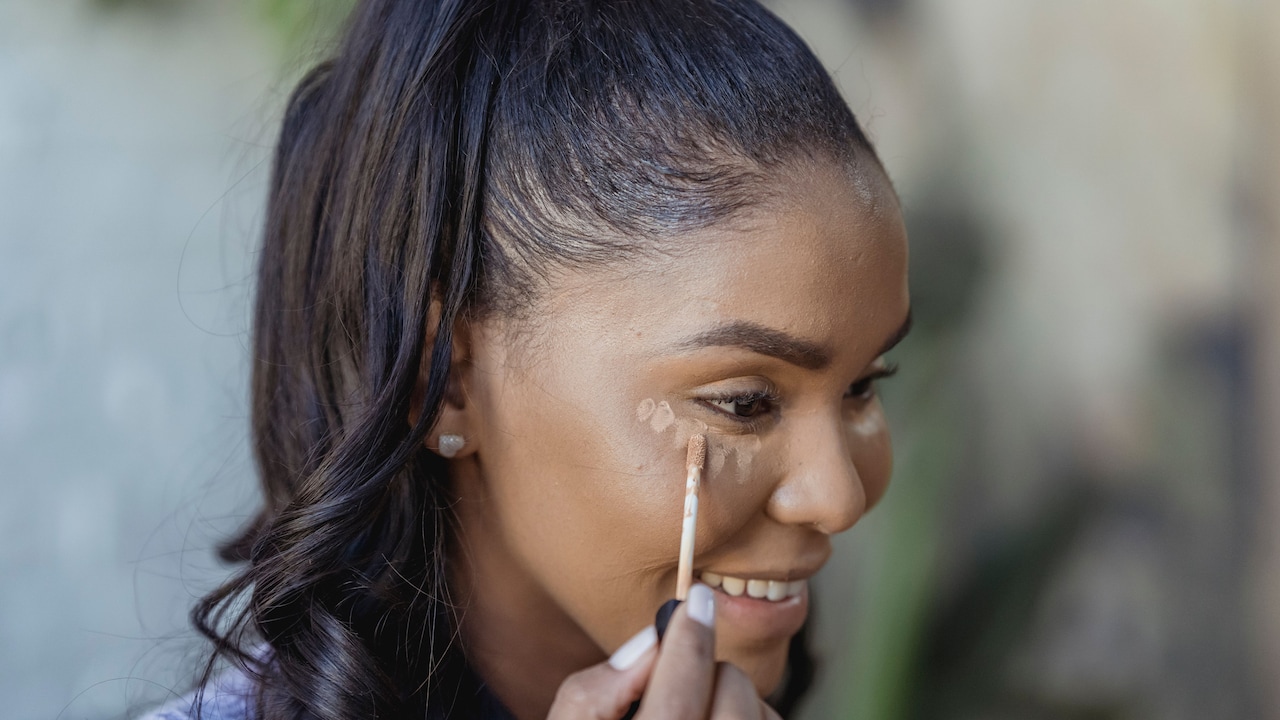
Place small amounts around the inner corner, where dark circles often appear strongest, and wherever additional coverage genuinely helps. Blend outward before deciding whether another layer is necessary.
Building coverage gradually usually creates a smoother result than applying one heavy coat.
This also prevents the under-eye area from looking disconnected from the rest of the face. If the complexion makeup looks light and natural but the under-eyes carry several layers of full-coverage concealer, the difference in texture becomes obvious.
Concealer should correct shadows, not announce its presence.
Think of coverage as seasoning while cooking: adding a little more remains easy. Removing half the container after it has gone in isn't quite as convenient.
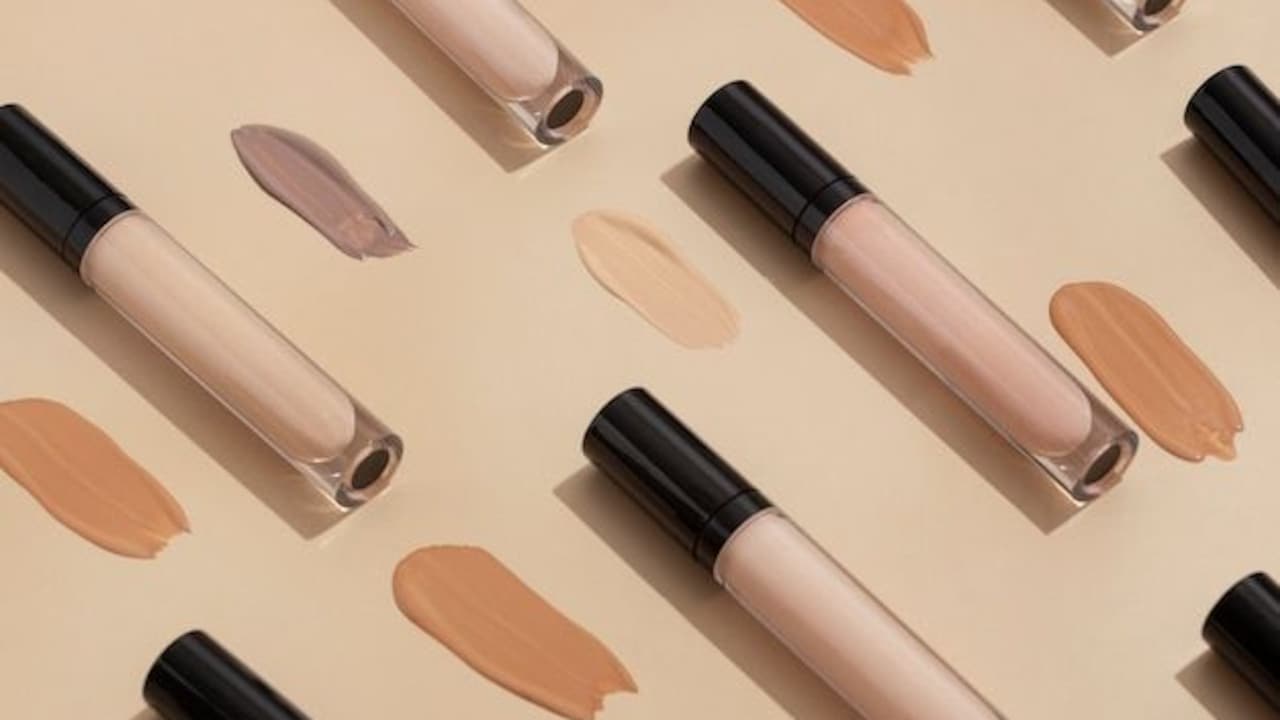
Why Does Concealer Crease Under The Eyes? 10 Reasons And Easy Fixes; Photo Credit: Pexels
4. Your Concealer Formula May Be Too Thick
Not every concealer works equally well beneath the eyes.
Some high-coverage formulas have a dense texture designed to hide blemishes, pigmentation or marks elsewhere on the face. Those qualities can make them excellent spot concealers but slightly stubborn around flexible under-eye skin.
Thicker formulas may resist movement initially, then fold sharply when facial expressions repeatedly compress the skin. Matte products can also emphasise dryness if the under-eye area already lacks moisture.
For everyday wear, a thinner liquid or flexible creamy concealer often moves more naturally with the skin.
This doesn't mean lightweight formulas provide poor coverage. Modern concealers can carry plenty of pigment without requiring a thick layer. Strategic placement matters more than coating every centimetre beneath the eye.
Before replacing a product, experiment with quantity. A dense concealer may perform perfectly well when used sparingly.
If the formula consistently looks heavy despite careful preparation and application, however, the problem may simply be compatibility. The best concealer isn't necessarily the one with the strongest coverage claim. It's the one that still looks convincing several hours after application.
5. Heavy Eye Cream Can Make Concealer Slide Around
Dry under-eyes need hydration, but there is a fine line between moisturised and overly slippery.
Rich eye creams, facial oils and heavy moisturisers can leave a film on the skin. Concealer applied directly over that layer may struggle to settle. Instead, it floats slightly over the surface and gradually travels into creases.
This becomes especially noticeable around the inner eye, where warmth and movement already encourage product migration.
After applying skincare, allow enough time for absorption. If the area still feels oily, gently press a clean tissue against the skin rather than rubbing everything away.
The same principle applies to sunscreen. Some creamy sunscreens remain glossy for several minutes, so piling concealer straight on top can create unnecessary movement.
There is no need to remove useful skincare simply to make makeup behave. Timing and quantity matter more.
Think of the under-eye routine as layering clothing during unpredictable weather. Every layer can serve a purpose, but piling everything on at once eventually becomes uncomfortable. Give each product a chance to settle before inviting the next one in.
6. Blending Without Removing Existing Creases Locks Them In
Concealer can start creasing before the makeup routine has even finished.
Apply the product, spend several minutes doing brows or lipstick, then return to powder the under-eyes and there may already be tiny lines of collected concealer. Setting powder over those lines doesn't remove them. It simply fixes them in place.
This small step makes an unexpectedly big difference: check the under-eye area immediately before powdering.
Look slightly upwards to stretch the skin naturally. Then use a fingertip, sponge or small brush to gently smooth out any product sitting inside the creases. Once the surface looks even again, apply a minimal amount of setting powder.
The whole process takes seconds.
It also explains why someone's technique can seem flawless during application but still produce creasing. Powder works best when it locks in a smooth layer. It cannot magically flatten product that has already migrated.
Under-eye makeup benefits from one final inspection before setting, much like checking a shirt collar before heading out. Tiny adjustments become much harder once everything has been fixed into place.
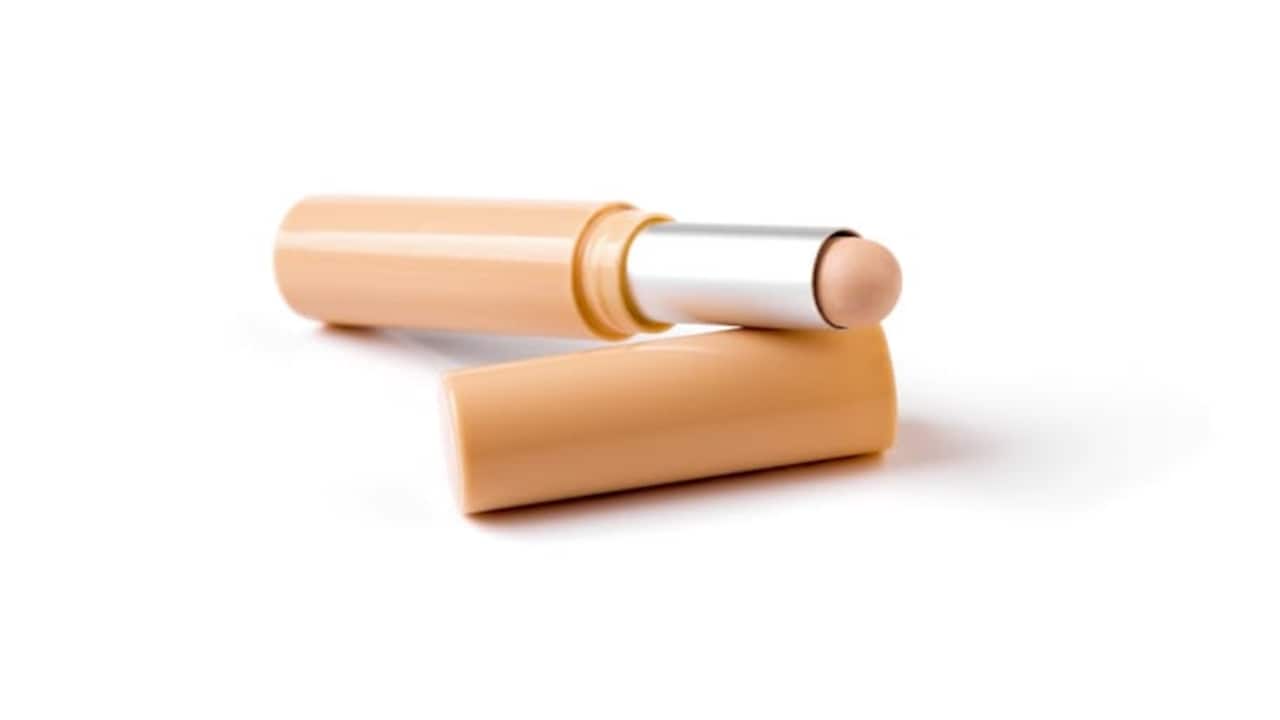
Why Does Concealer Crease Under The Eyes? 10 Reasons And Easy Fixes; Photo Credit: Pexels
7. Too Much Setting Powder Can Make Lines Look Deeper
Powder often gets treated as the universal cure for concealer creasing. Sometimes it becomes part of the problem.
A generous coating can absorb moisture from both makeup and the skin underneath. The under-eye area may then appear dry, textured and unusually flat. Fine lines look sharper because powder collects around them.
Baking can create a polished finish for certain makeup styles, photography or events, but it isn't essential for everyone.
For everyday makeup, try loading a small brush or puff with loose powder, tapping away the excess and pressing only a thin veil onto areas that tend to move.
Some people may need almost no powder beneath the outer eye and slightly more near the inner corner. Others find that lightly setting the centre works better than covering the entire area.
There is no rule requiring both eyes to disappear beneath clouds of loose powder.
The goal isn't to make concealer completely dry. It is to reduce unwanted movement while allowing the product to retain enough flexibility to look like skin.
8. Mixing Incompatible Base Products Can Cause Separation
Sometimes the under-eye problem isn't one individual product. It is the combination.
A very emollient eye cream topped with a quick-drying matte concealer can behave unpredictably. So can multiple layers of skincare, sunscreen, primer, colour corrector, concealer and powder competing for the same small patch of skin.
When layers don't sit comfortably together, makeup may separate before eventually collecting inside lines.
Simplifying the routine can help identify the troublemaker.
Try using moisturiser and concealer alone one day. If the finish improves, gradually reintroduce other products rather than changing everything at once.
Colour corrector deserves particular attention. Peach or orange correctors can work brilliantly on deeper under-eye shadows, but thick layers underneath concealer create additional texture. Use the smallest amount needed to neutralise discolouration.
A makeup routine doesn't receive bonus points for the number of products involved. Sometimes three carefully chosen layers outperform seven impressive-looking bottles.
When concealer repeatedly creases, subtraction can reveal more than another shopping trip.
9. Blending Too Aggressively Removes Product From The Wrong Places
There is blending, and then there is accidentally transporting concealer halfway across the cheek.
Repeatedly bouncing a sponge or sweeping a brush over the under-eye area can remove coverage from dark spots while pushing extra product towards fine lines.
Instead, apply concealer strategically and blend mainly around its edges. This keeps coverage where it matters without creating a thick layer everywhere else.
A fingertip can also work well because body warmth helps certain creamy formulas melt into the skin. Use gentle tapping rather than rubbing.
Sponges provide a soft finish, but heavily damp ones may sheer out concealer more than expected. Brushes can offer precision, especially around the inner corner. None is automatically superior. The best tool depends on the formula and desired coverage.
Pay attention to pressure too. Under-eye skin doesn't require vigorous polishing.
Think of blending as softening boundaries rather than erasing the product. Once the edges disappear naturally into the complexion, continuing to blend may do more harm than good.
Knowing when to stop is part of the technique.
10. Expecting Concealer To Stay Completely Crease-Free May Be Unrealistic
This final reason deserves more attention because it can prevent unnecessary frustration.
Skin has texture. Under-eyes have folds. Faces move.
Even a carefully prepared, lightweight concealer can settle slightly after several hours. That doesn't automatically mean the product failed.
A more useful goal is reducing obvious creasing and keeping the finish comfortable rather than expecting makeup to look identical from breakfast to bedtime.
For long days, carry a clean fingertip or small sponge rather than repeatedly adding fresh product. Gently pressing over a crease can redistribute existing concealer without building another layer.
People with deeper natural under-eye folds may notice more movement than those with very smooth skin. Formula recommendations therefore aren't universal.
Lighting also changes everything. Makeup that looks perfectly normal in daylight can appear dramatically textured beneath harsh overhead LEDs or an unforgiving phone flash.
Makeup should work with the face instead of demanding that the face stop behaving like skin. A little settling is normal. Thick, patchy creases can usually improve with technique; microscopic lines don't need a rescue operation.
Products Related To This Article
1. Swiss Beauty Select High on Cover Liquid Concealer
2. Maybelline New York Instant Age Rewind Concealer
3. Maybelline New York Fit Me Concealer
4. INSIGHT Concealer for All Skin Types
5. INSIGHT Pro Concealer Palette – Shade Concealer
6. Clinique Even Better All-Over Full Coverage Concealer
7. L'Oreal Paris Infallible Full Coverage Concealer
Smooth under-eye concealer usually comes down to balance rather than piling on more products. Hydrate without making the area greasy, use less concealer than instinct suggests, blend carefully and set with a light hand. Most importantly, work with natural under-eye texture instead of trying to erase it. A flexible, softly blended finish may move slightly during the day, but it often looks far fresher than heavy coverage fighting every smile, blink and expression.
(Disclaimer: This article may include references to or features of products and services made available through affiliate marketing campaigns. NDTV Convergence Limited (“NDTV”) strives to maintain editorial independence while participating in such campaigns. NDTV does not assume responsibility for the performance or claims of any featured products or services.)