10 Reasons Salicylic Acid Cleansers May Feel Less Effective Than Leave-On Products
Salicylic acid cleansers can help with oily, congested skin, but they may seem slower than leave-on treatments. Contact time, formulation, frequency and skin type can all change how noticeable the results feel.
What makes salicylic acid cleansers feel less effective
Salicylic acid has become one of those skincare ingredients that seems to turn up everywhere. Cleansers, serums, toners, spot treatments and even body washes promise smoother-looking skin and fewer clogged pores. Yet anyone who has switched from a salicylic acid cleanser to a leave-on product may have noticed something curious: the serum or toner often seems to “do more”, even when the cleanser proudly displays the same ingredient on its label. That doesn't automatically make the cleanser a bad product. The difference often comes down to how skincare formulas work on the skin rather than whether salicylic acid itself works.

How well do salicylic acid cleansers work
Photo Credit: Pexels
A cleanser gets a rather rushed appointment with your face. We massage it around for perhaps 30 seconds, rinse it away and move on. A leave-on formula can remain on the skin for hours. Formulation, concentration, skin condition and the rest of the routine also influence what happens next.
Also Read: Discover 5 Stylish Full Sleeves Ribbed Tops For The Season's First Chill
So, before retiring that cleanser to the forgotten corner beside three half-used face washes, it helps to understand why the two formats can feel so different.
Why The Same Ingredient Can Behave Very Differently
1. The Cleanser Simply Does Not Stay On Your Skin For Very Long
The most obvious difference is also the easiest to overlook. A salicylic acid cleanser might remain on your face for less than a minute before disappearing down the sink. A leave-on serum, toner or gel can stay in contact with the skin for several hours.
That difference matters.
Salicylic acid belongs to the beta hydroxy acid family and can help loosen the material that contributes to clogged pores. However, giving an ingredient more contact time can make its effects easier to notice.
Think about the average morning rush. Cleanser goes on, someone remembers the cab is already downstairs, and the entire face-washing process suddenly lasts about twelve seconds. Even an excellent formulation has limited opportunity to work under those circumstances.
This doesn't mean leaving cleanser on your face for ten minutes will magically turn it into a serum. Cleansers contain surfactants designed for washing, so they aren't necessarily formulated as masks. Instead, massage the product gently for the time recommended on its label before rinsing thoroughly.
A leave-on product simply starts with a major advantage: time.
2. Rinsing Removes Much Of The Product Along With Oil And Dirt
Cleansers have one primary responsibility: clean the skin.
Their surfactants surround oil, sunscreen, sweat, grime and other substances so water can rinse them away. Unfortunately, your active ingredient also leaves during this process.
A leave-on product faces no such dramatic exit. Once applied, its ingredients remain on the skin until they gradually absorb, rub away or get washed off during the next cleanse.
That helps explain why someone dealing with stubborn blackheads might notice greater changes after adding a salicylic acid serum even though their cleanser already contained salicylic acid.
The cleanser may still contribute to the routine. Removing excess surface oil and debris can make skin feel fresher, and salicylic acid within a properly formulated wash can provide additional exfoliating benefits. The result simply may not look as dramatic.
This is particularly relevant when expectations come from social media before-and-after photos. A rinse-off cleanser and a leave-on treatment perform different jobs.
Expecting identical results because both contain the same headline ingredient is rather like expecting instant coffee and espresso to taste identical because both started with coffee beans.
3. Concentration Does Not Tell The Whole Story
Spotting “2% salicylic acid” on the front of a bottle feels reassuringly mathematical. Surely a 2% cleanser should perform exactly like a 2% leave-on serum?
Not necessarily.
The percentage tells us how much salicylic acid the manufacturer has included, but it doesn't explain the entire formulation. The product's pH, delivery system, surrounding ingredients and overall chemistry can influence how the acid behaves.
A cleanser also has to perform a balancing act. It needs to remove oil and grime, spread comfortably, rinse clean and avoid making the face feel like freshly polished marble. A serum has a different brief. Its formulation can focus more heavily on delivering ingredients while staying comfortably on the skin.
That means comparing products by percentage alone can become misleading.
It also encourages the classic skincare mistake of chasing bigger numbers. Stronger doesn't automatically mean better. A formula that irritates the skin, causes excessive dryness or makes someone abandon it after four days isn't particularly useful.
Look at the product as a complete formula rather than treating one percentage as its entire personality.
4. Leave-On Products Get More Time To Work Around Congested Pores
Salicylic acid has an oil-soluble nature, which makes it particularly interesting for oily and congestion-prone skin. It can work within oily environments and help loosen the mixture of oil and dead skin cells associated with clogged pores.
A rinse-off cleanser can support this process, but its brief contact time limits how long it interacts with the skin during each use.
A leave-on formula continues sitting there after the bathroom routine has ended. You could be making tea, answering messages or spending twenty minutes deciding what to watch, while the product remains in contact with your skin.
That prolonged exposure can make leave-on salicylic acid especially noticeable when the concern involves recurring blackheads or small clogged bumps.
Still, patience matters. Pores don't empty themselves overnight because a serum arrived in an aesthetically pleasing bottle. Skin changes gradually, and aggressive daily exfoliation can cause a completely different collection of problems.
The goal isn't to keep throwing acid at a stubborn nose or chin. It is to find enough consistent exfoliation to help without turning the surrounding skin irritated and uncomfortable.
5. Your Cleansing Technique May Be Cutting Contact Time Even Further
Sometimes the cleanser isn't underperforming. It barely gets a chance to perform at all.
A quick splash, ten-second rub and immediate rinse might remove some surface grime, but it gives an active cleanser very little contact time. Using an enormous amount of water before the cleanser has spread properly can dilute the experience further.
Technique doesn't need to become an elaborate evening ritual. Apply the cleanser according to its directions, massage gently across the relevant areas and avoid aggressive scrubbing. More friction doesn't make salicylic acid penetrate faster.
The temptation to scrub becomes particularly strong around the nose. Those tiny dots can make fingers suddenly behave as though they have been hired to sand a dining table. Unfortunately, rough rubbing can leave the area irritated without solving the original concern.
Also check whether the cleanser spends equal time everywhere. People often massage cheeks thoroughly while giving the forehead, nose and jawline a hurried swipe.
Small adjustments in technique can make an existing cleanser more useful without purchasing another bottle. Skincare cupboards everywhere may breathe a sigh of relief.

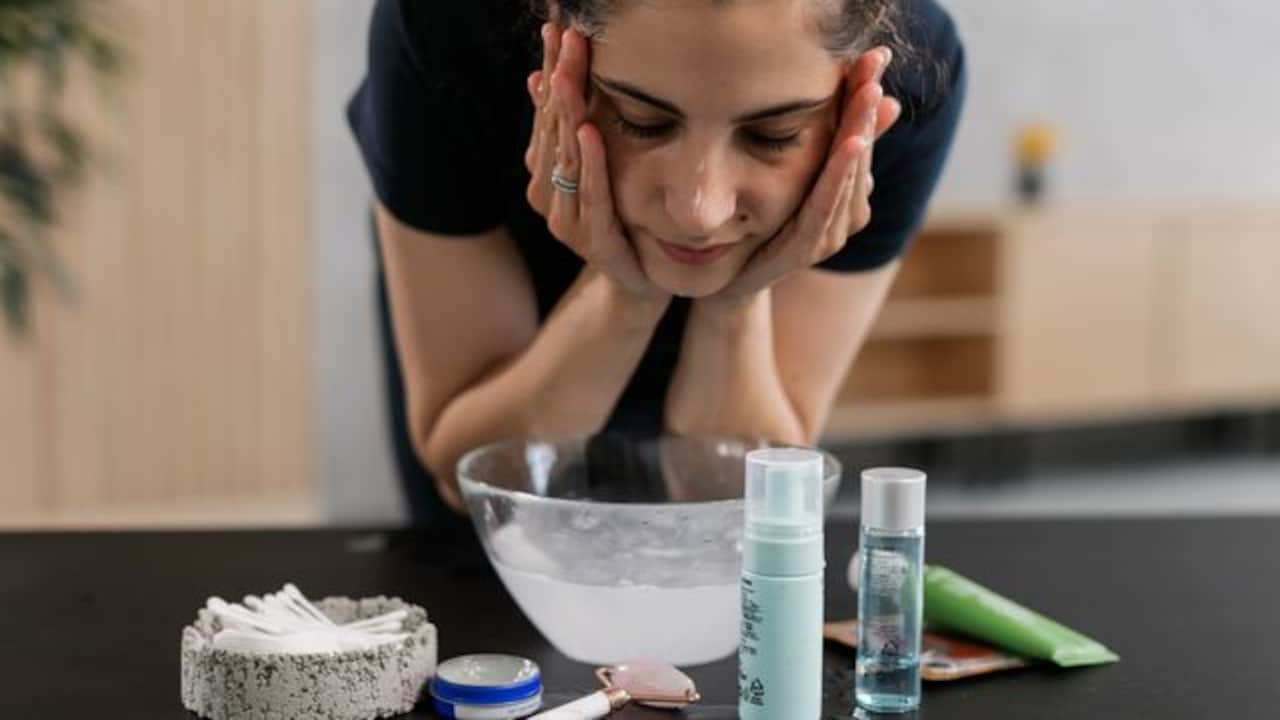
Cleansing technique can also affect the results; Photo Credit: Pexels
6. Gentle Cleansers May Be Designed To Prioritise Tolerance
Not every salicylic acid cleanser aims to deliver the strongest possible exfoliation.
Some formulas deliberately combine the ingredient with moisturising or soothing components and relatively mild cleansing agents. This can make them easier to use regularly, particularly for people whose skin becomes tight or irritated easily.
The trade-off? Results may feel subtle.
That isn't necessarily a design flaw. A cleanser that produces dramatic tingling every morning may feel satisfyingly “active”, but sensation doesn't prove effectiveness. Burning, persistent stinging and redness aren't signs that pores are being disciplined into submission.
Gentler formulations can make sense for someone who wants a small amount of regular exfoliation without committing to a separate acid treatment.
Leave-on products, meanwhile, often occupy the treatment step of a routine. People buy them specifically to address congestion, texture or blemishes, so their formulas and directions may support more noticeable exfoliating activity.
The better choice depends on the person using it. Sensitive or easily irritated skin may appreciate the restraint of rinse-off exposure far more than an aggressive leave-on routine.
7. Other Products In Your Routine Can Change How Effective It Feels
Skincare products rarely operate alone.
A salicylic acid cleanser might be doing a perfectly respectable job while another part of the routine keeps creating dryness, irritation or congestion. Heavy cosmetics that aren't removed thoroughly, very rich formulas that don't suit the skin or multiple exfoliating products used together can complicate the picture.
Consider someone using an exfoliating cleanser morning and night, a strong scrub twice a week, another acid serum and a retinoid. When irritation appears, the instinct might be to conclude that the cleanser “isn't clearing the bumps”.
The problem could actually be too much activity rather than too little.
On the other hand, a well-structured routine may make a leave-on product seem remarkably effective because everything surrounding it supports the skin better. Gentle cleansing, suitable moisturising and daily sunscreen can help someone use an exfoliant consistently without constantly interrupting the routine because of discomfort.
Before blaming one bottle, look at the entire bathroom shelf.
Skincare routines behave more like teams than solo performers. One overenthusiastic player can still ruin the match.
8. Your Skin Concern May Need More Than A Cleansing Step
Salicylic acid has useful applications, but not every bump or blemish responds equally to the same ingredient.
A cleanser may help manage surface oil and mild congestion yet feel disappointing when someone expects it to handle persistent inflammatory acne, recurring breakouts or another skin condition on its own.
Leave-on salicylic acid can seem stronger because it provides more sustained exposure, but even that has limits. Skincare marketing sometimes makes one ingredient sound capable of resolving every pore-related concern known to humanity.
Real skin is less cooperative.
If mild blackheads are the main issue, a thoughtfully chosen salicylic acid product might fit nicely into the routine. If painful or persistent acne continues despite sensible over-the-counter care, adding more exfoliation isn't automatically the answer. Professional advice may prove more useful.
This distinction also prevents endless product hopping. Buying cleanser number four because cleanser number three didn't transform the skin within a fortnight can become both frustrating and expensive.
Sometimes the product format needs changing. Sometimes the entire approach needs reconsidering.
9. Leave-On Products Often Make Changes Easier To Notice
Not every difference comes down to chemistry. Perception matters too.
A cleanser disappears quickly and usually leaves the skin feeling clean. Unless it causes dramatic dryness or immediate smoothness, its contribution can become difficult to isolate.
A leave-on treatment feels more deliberate. You cleanse, apply a few drops, perhaps wait for them to absorb, then continue with moisturiser. Because it occupies a separate treatment step, changes become easier to associate with it.
There is also the timing factor. Someone may have spent months using a cleanser before adding a serum. If congestion improves three weeks later, the serum naturally gets all the credit.
Yet the cleanser may still be supporting the overall routine.
This is why changing five products at once makes skincare detective work almost impossible. If everything suddenly improves or everything suddenly goes wrong, identifying the responsible product becomes guesswork.
When introducing a new active product, keeping the rest of the routine relatively stable can make its effects easier to judge.
Skincare isn't a controlled laboratory experiment, but giving each product a fair trial certainly helps.
10. A Cleanser And Leave-On Treatment Are Better Viewed As Different Tools
Perhaps the biggest mistake is forcing these formats into direct competition.
A salicylic acid cleanser can suit someone who wants mild, convenient exfoliation built into a step they already perform. It can also work well for people who find leave-on acids uncomfortable or simply don't want a complicated routine.
A leave-on formula makes more sense when someone wants a dedicated treatment and their skin tolerates longer exposure.
Some routines may use both, but doubling up isn't automatically necessary. Using a salicylic acid cleanser alongside a leave-on salicylic acid product can become too drying for certain skin types, particularly when other strong actives already appear in the routine.
The smartest routine is rarely the one containing the greatest number of impressive ingredients. It is the one that people can use consistently without making their skin unhappy.
So, if a cleanser feels less dramatic than a serum, that doesn't mean it has failed. It may simply be doing a quieter job.
And sometimes, in skincare, quiet and dependable beats spectacular for three days followed by two weeks of irritation.
Products Related To This Article
1. The Derma co. 2% Salicylic Acid Gel Face Wash For Active Acne
2. DOT & KEY Cica Anti-Acne Facewash with 2% Salicylic & Green Tea- Cleanses Pores
3. Dermatouch Salicylic Acid 2% Face Wash With Vitamin E & Zinc PCA
4. FoxTale Foxtale Oil and Acne Control Face Wash for Oily Skin with 2% Salicylic
5. Cetaphil Gentle Exfoliating SA Cleanser with Mandelic Acid for Sensitive Skin
6. CeraVe Blemish Control Cleanser with 2% Salicylic Acid for Acne-Prone Skin
7. Pilgrim Salicylic Acid Non-Drying Gel Face Wash for Oily Acne Prone Skin
Salicylic acid cleansers and leave-on products may share the same star ingredient, but their formats give that ingredient very different working conditions. Cleansers offer short, rinse-off exposure, while serums, toners and gels stay around considerably longer. Contact time, formulation, technique, skin type and the rest of the routine all shape the final result. Rather than automatically chasing the strongest option, choose the format that addresses the concern while keeping the skin comfortable enough for consistent use.
(Disclaimer: This article may include references to or features of products and services made available through affiliate marketing campaigns. NDTV Convergence Limited (“NDTV”) strives to maintain editorial independence while participating in such campaigns. NDTV does not assume responsibility for the performance or claims of any featured products or services.)