Stretch Marks And Motherhood: Gentle Ways To Support Your Skin During Pregnancy
Stretch marks are a natural part of pregnancy. Mothers and mothers-to-be share ways to support stretching skin, minimise discomfort, and care for the body during one of life's most transformative journeys.

Stretch marks are signs of growth, not damage.
Pregnancy is a 7-9 month-long season of profound creation. It is a time when the body quietly undertakes something extraordinary, making space, adjusting rhythm, and nurturing life in ways that are both visible and deeply internal. As days turn into months, the body responds with remarkable adaptability, expanding to support new beginnings.

Comfort matters more than correction during pregnancy.
Photo Credit: Pexels
With this transformation often come physical changes that are both expected and deeply human. Stretch marks, among the most common of these changes, appear as the skin adjusts to growth happening at its own remarkable pace. They are not signs of damage or inadequacy, but natural responses to a body doing exactly what it is meant to do, stretching, supporting, and sustaining life.
Also Read: Body Exfoliation Decoded: What Dermatologists Actually Recommend
For many mothers and mothers‑to‑be, the presence of stretch marks is less about how they look and more about how they feel. The tightness, sensitivity, and persistent itch that sometimes accompany rapidly stretching skin can be uncomfortable, even distracting. As such, care routines during pregnancy often focus not on erasing these marks, but on soothing the skin and supporting comfort as it adapts.
This is where shared wisdom becomes valuable. Passed from one mother to another, sometimes through conversation, sometimes through quiet routines, these insights prioritise gentleness over urgency. They acknowledge that while stretch marks cannot be fully prevented, the experience of carrying life can be made more comfortable, calm, and supported.
To understand what truly helps, we spoke with mothers and mothers‑to‑be, listening to how they care for their changing bodies, what they've learned along the way, and the small, thoughtful measures that eased discomfort during this transformative time.
Understanding Stretch Marks During Pregnancy

The body adapts to create life, and skin follows that journey.
Photo Credit: Pexels
As pregnancy progresses, the body grows in conversation with the life it carries. Organs shift, skin stretches, and internal rhythms adjust, often faster than the eye can register. Stretch marks, known medically as striae, are a natural part of this dialogue between skin and growth.
They appear when the skin expands more quickly than its deeper structure can comfortably adapt. Collagen and elastin fibres, which provide strength and elasticity, may thin or stretch under this pressure. During pregnancy, this often coincides with hormonal changes that influence how elastic the skin can be at any given time.
Early stretch marks may appear pink, red, or purplish, a reflection of increased blood flow as the skin adjusts. Over time, they usually soften into lighter, skin‑toned lines. This evolution is part of the body's healing response, shaped by factors such as genetics, growth patterns, and individual skin composition.
What many mothers describe most vividly is not appearance, but sensation. As skin expands to accommodate a growing belly or changing curves, it may feel tight, sensitive, or persistently itchy. These sensations are common and understandable responses to rapid transformation.
Comfort As Care: What Mothers Learned Along The Way
In conversations with mothers and mothers‑to‑be, one theme came up repeatedly: care routines were less about control and more about comfort. Skin care became another way of supporting the body as it performed its most demanding work.
Rather than viewing stretching skin as something to be corrected, many approached it as something to be accompanied, listened to, soothed, and supported through change.
Supporting Stretching Skin During Pregnancy
| What Is Happening | How It May Feel | Why It Happens | What Helps | How Often |
|---|---|---|---|---|
| Skin expanding around the abdomen and hips | Tightness, pulling, mild sensitivity | Rapid growth places pressure on collagen and elastin fibres | Slow, mindful hydration and gentle massage | Once or twice daily |
| Changes in the breast area | Tenderness, dryness, itchiness | Hormonal shifts and growth of supportive tissue | Lightweight hydration, breathable fabrics | Daily, as needed |
| Appearance of early stretch marks (pink/red) | Warmth or sensitivity to touch | Increased blood flow and skin adjustment | Consistent moisturising and avoiding friction | Regular care over weeks |
| Persistent itching in stretched areas | Urge to scratch, discomfort | Reduced natural oil production as skin stretches | Rehydrating the skin, keeping nails short | As required |
| Later-stage stretch marks becoming lighter | Less sensation, more awareness | Skin moves into repair and adaptation phase | Continued supportive care, patience | On going, no urgency |
5 Things Mothers Keep In Mind While Supporting Stretching Skin
1. Hydration as Ongoing Support
As the body directs its energy towards nurturing new life, the skin often needs additional external support to remain comfortable. Regular hydration helped many mothers ease the dryness that naturally accompanies rapid expansion.
Applied steadily rather than sporadically, hydration encouraged the skin to feel more supple and less reactive. While outcomes differed from person to person, most agreed that consistency offered comfort even when stretch marks appeared regardless.
2. Gentle Touch Reinforces Connection
Application became a moment of connection rather than correction. Slow, deliberate movement helped many mothers remain present with their changing bodies, grounding them amid constant physical adjustment.
This simple act, hands moving across the belly or hips, often felt reassuring. It served as a reminder that the body was not losing control, but adapting with purpose.
3. Timing Is Personal, Not Prescriptive
Some mothers began caring for stretching skin early in pregnancy; others started later, once discomfort became noticeable. Both experiences were valid. Skin does not follow a universal timeline, and neither should care.
What mattered more than when routines began was how gently they were maintained, allowing space for days when energy levels or priorities shifted.
4. Responding to Daily Change
Pregnancy is dynamic. What feels sufficient one week may feel inadequate the next, especially as the body grows and skin stretches further. Many found it helpful to adjust care based on how the skin felt that day rather than following a fixed rule.
Light hydration during the day and more nourishing care in the evening often aligned naturally with the body's rhythms, offering relief without overwhelming it.
5. Acceptance Relieves Both Mind and Body
Perhaps the most meaningful insight was emotional. Mothers who recognised stretch marks as evidence of expansion rather than imperfection described less anxiety around them.
Understanding that stretch marks do not indicate failure or neglect allowed care routines to feel supportive rather than pressured. In many cases, releasing concern over appearance reduced physical tension as well, allowing the skin, and mind, to remain more at ease.
What Care Can And Cannot Do
Medical consensus remains clear: no topical approach can fully prevent stretch marks from forming during pregnancy. Genetics, hormones, and the pace of growth play significant roles beyond external influence.
What care can do is support the skin barrier, maintain hydration, and ease sensations such as itchiness or tightness. When expectations align with biology, routines become acts of nurture rather than negotiation.
This distinction is especially important during pregnancy, a period already rich with advice and observation.
Stretch Marks as Records of Creation
Stretch marks are often spoken about as outcomes, but they can also be understood as records, marks that trace growth over time. For some, they fade considerably after pregnancy. For others, they remain faintly visible, woven into the skin's story.
Neither result diminishes the experience of creation.
Seeking comfort during pregnancy is not about rejection of change; it is about care. When approached with patience and understanding, caring for stretching skin becomes another way of supporting the extraordinary work the body quietly performs.
Pregnancy reshapes the body, certainly, but it also reshapes perspective. Stretch marks sit within that transformation, not as flaws, but as reminders of adaptation, resilience, and the profound act of bringing life into the world.
Where Thoughtful Care Meets Trusted Access
For mothers and mothers‑to‑be, navigating pregnancy often means sifting through well‑meaning advice, conflicting information, and an overwhelming number of options. What many seek is not answers that promise certainty, but spaces that allow for informed, unhurried choice.
This is where Tira finds relevance in the conversation. Rather than presenting beauty and personal care as corrective, Tira brings together a carefully curated range of brands that recognise comfort, safety, and individual experience, values that matter deeply during pregnancy.
By offering access to pregnancy‑friendly body care and skin‑support products from both homegrown and established brands, Tira allows mothers to explore what feels right for their bodies, at their own pace. The emphasis is not on transformation, but on availability, making it easier to find formulations that prioritise hydration, gentleness, and reassurance during a time of constant change.
In a phase where the body is already doing extraordinary work, Tira acts as a quiet facilitator, supporting informed decisions without imposing urgency. For many, that balance of choice and ease makes all the difference.
Some Products To Help With The Discomfort That Comes With Stretch Marks
1. Palmer's Cocoa Butter Skin Therapy Oil

Click To Buy Palmer's Cocoa Butter Skin Therapy Oil
Photo Credit: Tira
2. Palmer's Bust Firming Massage Cream

Click To Buy Click To Buy Palmer's Bust Firming Massage Cream
Photo Credit: Tira
3. Palmer's Cocoa Butter Stretch Marks Tummy Butter Jar

Click To Buy Palmer's Cocoa Butter Stretch Marks Tummy Butter Jar
Photo Credit: Tira
4. Palmer's Stretch Marks Massage Lotion

Click To Buy Palmer's Stretch Marks Massage Lotion
Photo Credit: Tira
5. Fixderma Strallium Anti Stretch Mark Cream

Click To Buy Fixderma Strallium Anti Stretch Mark Cream
Photo Credit: Tira
6. COSIQ Stretch Marks Removal Roll-On Serum
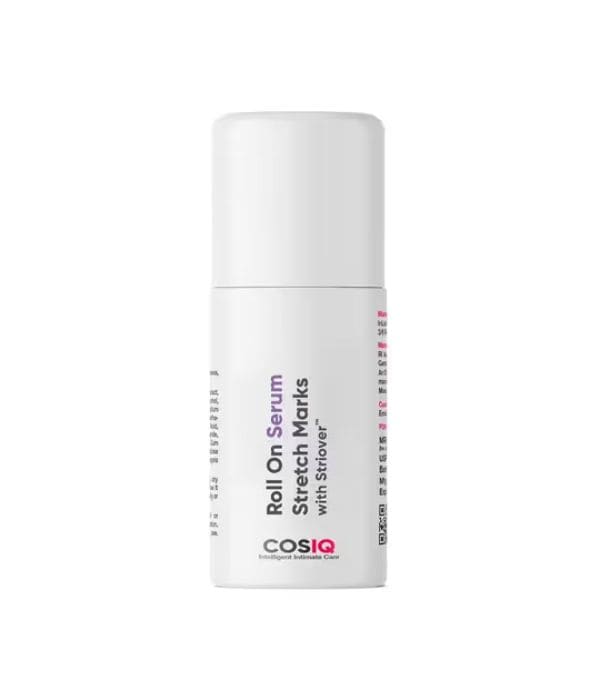
Click To Buy COSIQ Stretch Marks Removal Roll-On Serum
Photo Credit: Tira
7. Thriveco Stretch Mark Expert Serum Cream
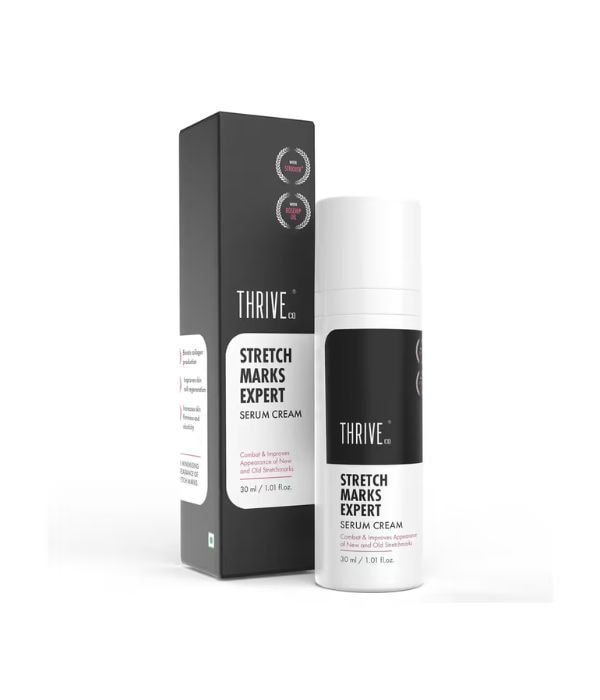
Click To Buy Thriveco Stretch Mark Expert Serum Cream
Photo Credit: Tira
8. Fixderma Scar Gel

Click To Buy Fixderma Scar Gel
Photo Credit: Tira
Frequently Asked Questions (FAQs)
1. Are stretch marks common during pregnancy?
Yes. Stretch marks are very common during pregnancy and occur as the skin adapts to rapid growth and hormonal changes. Their development varies from person to person.
2. Can stretch marks be completely prevented?
No. While skin care can support comfort and hydration, stretch marks are influenced by genetics, hormones, and growth patterns, and cannot be fully prevented.
3. Why does stretching skin itch during pregnancy?
As skin stretches, oil glands may struggle to produce enough natural lubrication, leading to dryness and itchiness, particularly around the abdomen, hips, and breasts.
4. When do stretch marks usually appear in pregnancy?
They can appear at different stages, most commonly in the second or third trimester, depending on how quickly the body changes.
5. Will stretch marks fade after pregnancy?
In many cases, stretch marks gradually soften and lighten over time. How they change varies between individuals and is influenced by skin type and natural healing.
(Disclaimer: This article may include references to or features of products and services made available through affiliate marketing campaigns. NDTV Convergence Limited (“NDTV”) strives to maintain editorial independence while participating in such campaigns. NDTV does not assume responsibility for the performance or claims of any featured products or services.)