Body Exfoliation Decoded: What Dermatologists Actually Recommend
Is exfoliation essential for healthy skin? Here is what Harvard dermatologists say about body exfoliation, its benefits, risks and when it actually helps.
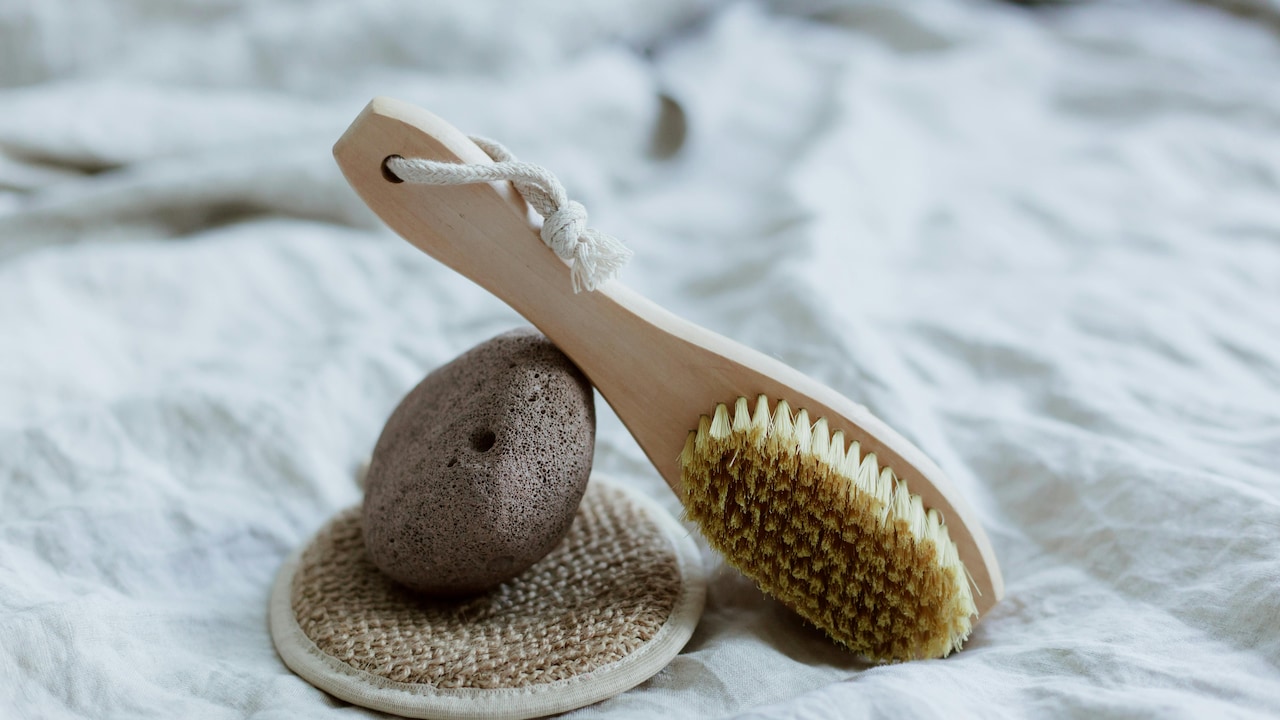
Exfoliation is the process of removal of dead skin cells from the surface of the skin
Social media has a curious talent for reviving familiar routines and reframing them as revolutionary. A process that's existed for decades is suddenly repackaged as a discovery, complete with dramatic before‑and‑after videos, intense routines and confident claims. Body exfoliation finds itself firmly in this loop. Scroll long enough and you might believe that a scrub, glove or acid can undo years of wear, smooth every uneven patch and leave skin looking entirely new.
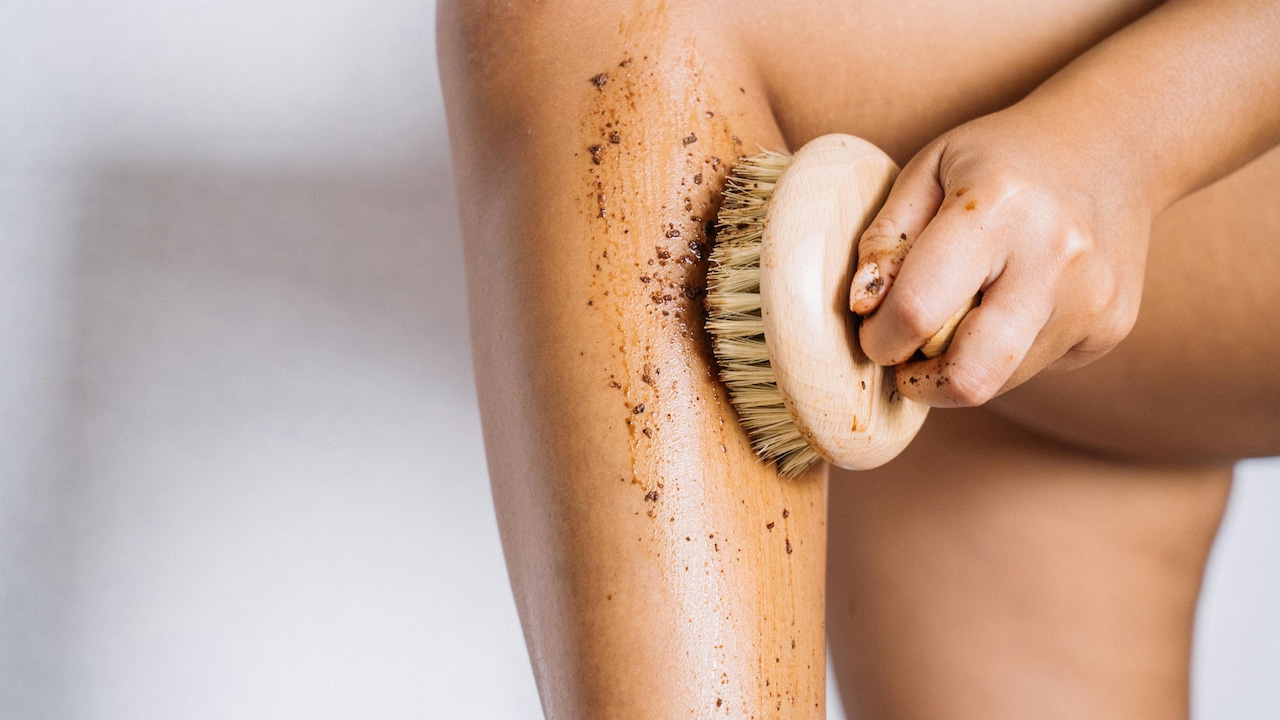
Body skin benefits from restraint, not intensity.
Photo Credit: Pexels
Dermatology, however, tends to take a calmer view.
According to insights shared on the Harvard Medical School blog, exfoliation has its place, but it isn't the miracle transformation tool the internet often promises. “I don't think exfoliation is going to fix anybody's wrinkles,” notes Dr Rachel Reynolds, MD, interim chair of dermatology at Harvard‑affiliated Beth Israel Deaconess Medical Centre. Her assessment is straightforward: exfoliation can help improve how skin looks and feels, but it cannot fundamentally change how skin ages.
Also Read: Build Your Skincare Routine From Scratch: The 4-Step Simple Routine For Everyone
That distinction matters. Especially at a time when body care routines are growing increasingly elaborate, and exfoliation is often framed as essential rather than optional.
What Exfoliation Actually Does And What It Doesn't
At its core, exfoliation is simply the removal of dead skin cells from the surface of the skin. Our bodies naturally shed these cells over time, but the process slows with age, dryness and environmental exposure. The result can be skin that looks dull, feels rough, or flakes more noticeably, particularly on areas like arms and legs.
Exfoliation helps along this natural shedding process. By removing that outer layer, skin can appear smoother and more even in tone. But this is a surface‑level improvement, not a structural reset. It won't erase deep lines, reverse sun damage or fundamentally alter skin ageing.
That's where expectations often collide with reality. When exfoliation is viewed as a maintenance tool rather than a cure‑all, it starts to make far more sense.
The Two Ways Exfoliation Works
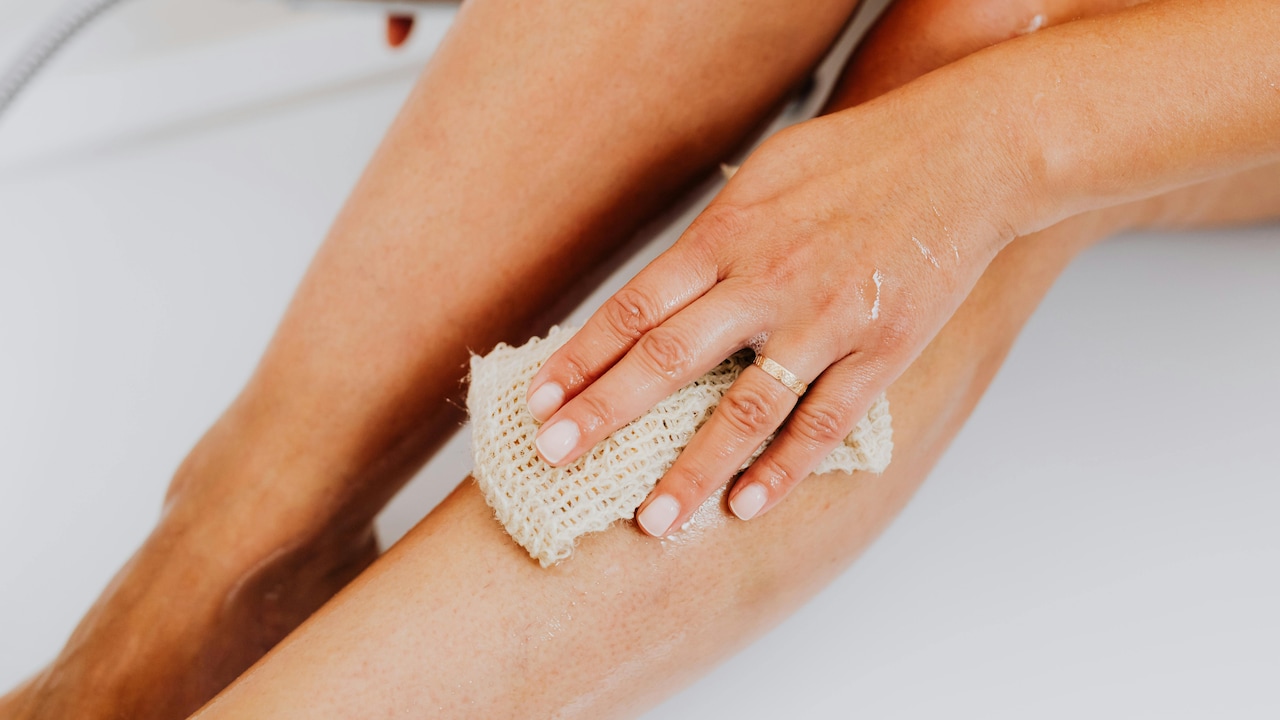
Gentle methods can work better over time.
Photo Credit: Pexels
Dermatology broadly divides exfoliation into two methods: physical and chemical. Both approaches aim for the same result but achieve it in different ways.
1. Physical (Mechanical) Exfoliation
This form involves manual friction, using tools like washcloths, brushes, loofahs or scrubs that contain abrasive particles. The motion physically lifts dead skin cells from the surface.
Dr Reynolds points out that mechanical exfoliation can improve skin lustre by removing the dull, outer layer that masks natural brightness. It can also help unclog pores to a degree, which may benefit certain types of body acne.
The key word here is gentle. While physical exfoliation can be effective, too much pressure or overly harsh tools can inflame the skin, especially if used frequently or on sensitive areas.
2. Chemical Exfoliation
Chemical exfoliants use ingredients like alpha hydroxy acids (AHAs), beta hydroxy acids (BHAs) or salicylic acid to dissolve dead skin cells rather than scrubbing them away.
“They work on a more micro‑level,” Dr Reynolds explains, helping to reduce uneven pigmentation at the surface while improving overall glow. These exfoliants are commonly found in body washes, lotions and leave‑on treatments.
For many, chemical exfoliation feels more even and controlled, particularly on larger body areas. That said, concentration, frequency and skin tolerance matter greatly.
Why Exfoliation Is Everywhere
Walk down any beauty aisle, or browse any online platform, and exfoliation is impossible to miss. Cleansers, scrubs, serums, masks and body lotions often highlight exfoliating benefits front and centre.
Dr Reynolds is sceptical of this prominence. As she notes, the cosmetics market is largely unregulated, allowing brands to make claims without the backing of clinical trials. Promoting exfoliation also conveniently encourages consumers to add more steps, and more products, to their routines.
This doesn't mean exfoliation is marketing fiction. It does mean discernment is required. Not every exfoliating product is necessary, and not every formulation will suit every skin type.
Is Exfoliation Necessary?
The clear answer, from a medical standpoint, is no.
“Nothing happens if you don't exfoliate,” Dr Reynolds states. Skin may feel slightly rougher or look drier, but this is largely cosmetic. There are no health consequences to skipping exfoliation altogether.
That said, exfoliation can be useful. As we age, skin on the arms and legs tends to become drier and more prone to flaking. In these areas, occasional exfoliation can noticeably improve texture and comfort.
Conditions like keratosis pilaris, often described as "chicken skin", are another example. This harmless condition creates rough bumps, typically on the upper arms and thighs. Both physical and chemical exfoliation can help smooth these areas when done carefully, as body skin is generally tougher than facial skin.
So while exfoliation isn't mandatory, it can be an added advantage for those dealing with dryness, roughness or textural concerns.
When Exfoliation Can Do More Harm Than Good
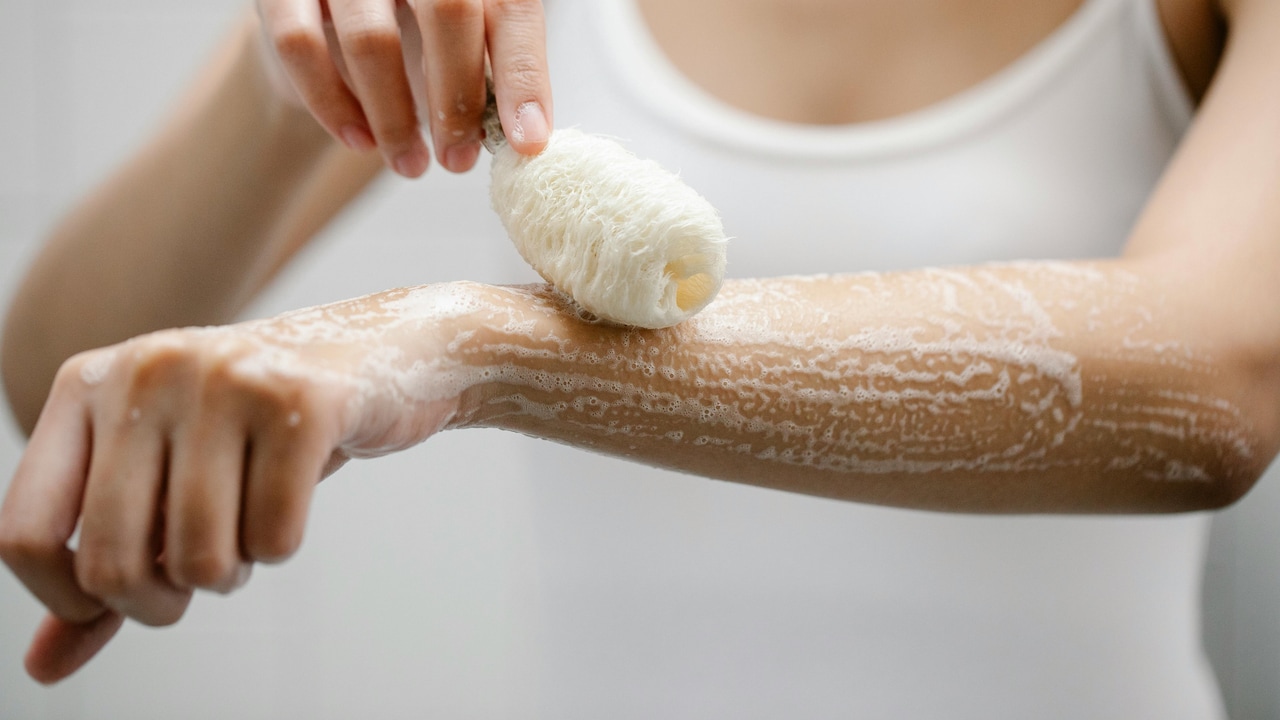
More exfoliation does not mean better skin.
Photo Credit: Pexels
Where exfoliation runs into trouble is excess. Over‑scrubbing, using high‑strength acids too frequently, or exfoliating already sensitive skin can quickly lead to irritation.
According to Dr Reynolds, both physical and chemical exfoliation can cause inflammation if overused. This can trigger irritant contact dermatitis, skin that looks red, feels sore and appears chapped.
Physical exfoliation done too aggressively may also worsen inflammatory acne by disrupting the skin barrier. And because exfoliation thins the surface layer of the skin, it increases vulnerability to sunburn if sun protection isn't used diligently.
The takeaway isn't to avoid exfoliation entirely, but to respect its limits.
Safer Ways to Approach Body Exfoliation
Dr Reynolds tends to favour chemical exfoliants over harsh physical scrubs, noting that some abrasive particles can cause micro‑damage. However, even chemical exfoliation requires restraint.
A sensible approach might look like this:
- Start simple: If you've never exfoliated before, a soft washcloth used lightly during bathing can help gauge your skin's tolerance.
- Move gradually: If using chemical exfoliants, begin with lower concentrations and infrequent use.
- Limit frequency: Exfoliating two to three times a week is more than sufficient. Skin needs recovery time to repair its barrier.
- Avoid daily exfoliation which often does more damage than good.
- For persistent concerns like melasma or stubborn acne, professional treatments such as chemical peels under medical supervision are a safer option than at‑home experimentation.
Where Exfoliation Fits Into Modern Body Care
Exfoliation makes the most sense when viewed as supportive rather than transformative. It's about maintaining comfort, smoothness and evenness, especially in areas that tend to dry out or build up dead skin faster.
Importantly, exfoliation is only one part of the picture. Moisturising, sun protection and gentle cleansing all play a larger role in skin health over time.
This perspective also makes it easier to navigate the crowded product space. Rather than chasing the strongest formula or newest launch, understanding why and when to exfoliate leads to choices that align with your skin's actual needs.
Navigating Options Thoughtfully
With countless exfoliating formulations available today, having access to a well‑curated platform can simplify decision‑making. Tira offers a structured way to explore body care, from gentle exfoliating cleansers to lotions that combine mild exfoliation with hydration, allowing you to filter by concern, ingredient and skin type rather than impulse.
For anyone curious about introducing exfoliation as an occasional step rather than a fixed routine, browsing thoughtfully makes all the difference. The aim isn't to collect products, but to find what genuinely works for your skin and lifestyle.
If exfoliation fits into your routine as a supporting step, explore carefully curated body care options on Tira, where informed choice meets considered care.
Body exfoliation is not essential, nor is it ineffective. It sits firmly in the category of optional enhancement, useful when done correctly, unnecessary when overemphasised.
Harvard's dermatological perspective offers a grounding reminder: healthy skin doesn't come from excess. It comes from consistency, patience and respecting how skin naturally functions.
When exfoliation is approached with that mindset, gently, occasionally and purposefully, it becomes less about chasing flawless skin and more about supporting the one you already have.
Hot-Selling Gentle Scrubs Available On Tira
1. mCaffeine Exfoliating Bath Glove
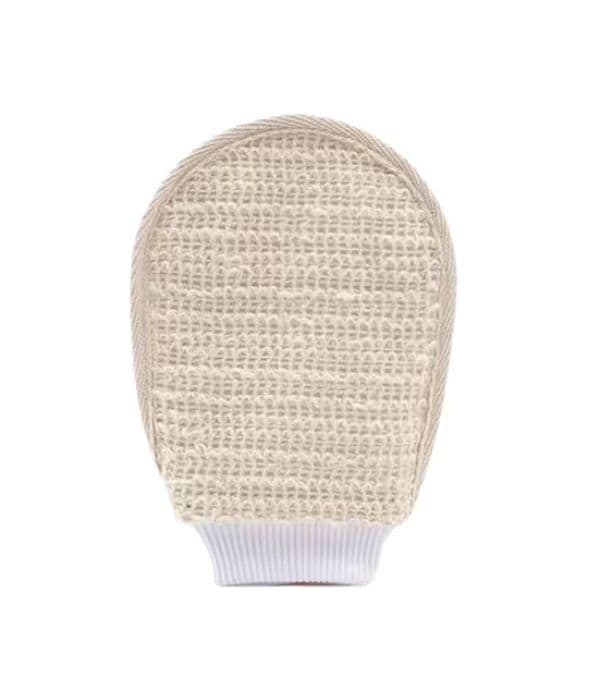
Click To Buy mCaffeine Exfoliating Bath Glove
Photo Credit: Tira
2. mCaffeine Brightening Raspberry Body Scrub, Tan Removal,AHAs-Lactic & Glycolic Acid,Vit C Rich
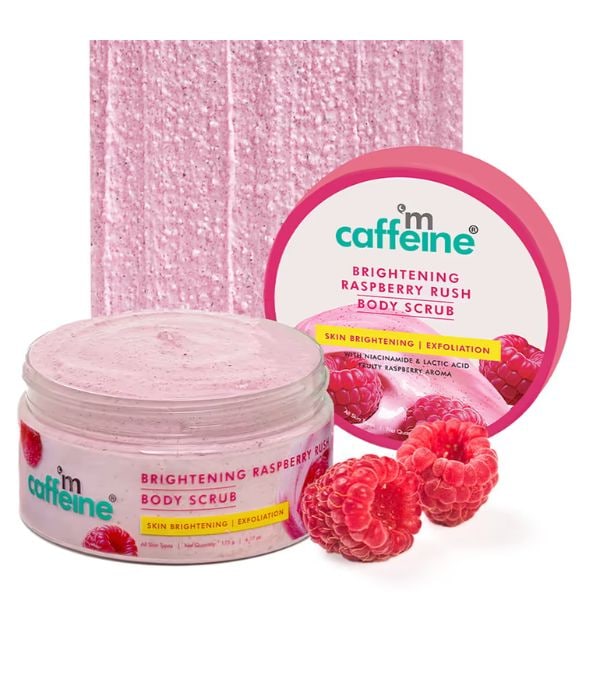
Click To Buy mCaffeine Brightening Raspberry Body Scrub
Photo Credit: Tira
3. mCaffeine Naked And Raw Coffee Body Scrub
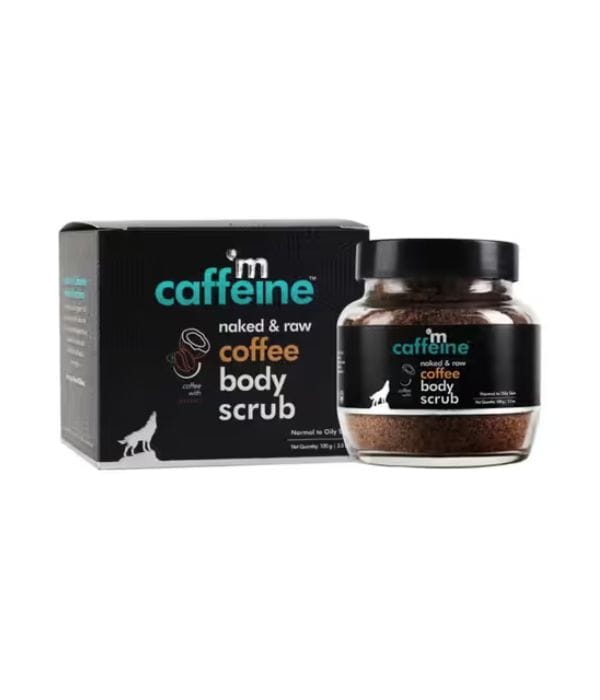
Click To Buy mCaffeine Naked And Raw Coffee Body Scrub
Photo Credit: Tira
4. Be Bodywise 10% Aha Body Scrub For Even Skin Texture
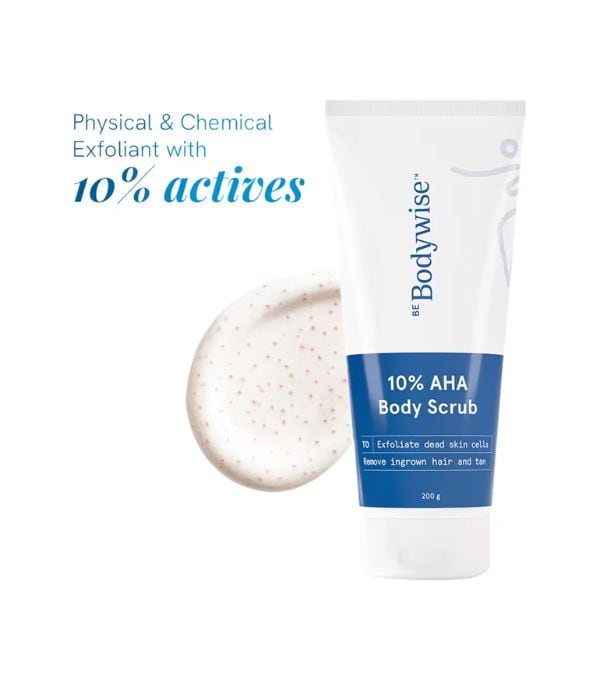
Click To Buy Be Bodywise 10% Aha Body Scrub
Photo Credit: Tira
5. Murshmallow Coconut Milk And Vanilla Body Polish
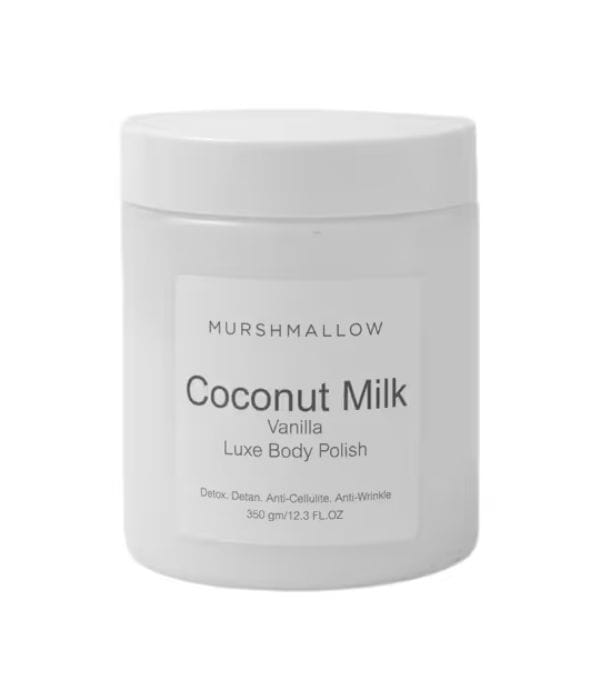
Click To Buy Murshmallow Coconut Milk And Vanilla Body Polish
Photo Credit: Tira
6. Tree Hut Shea Sugar Scrub Watermelon
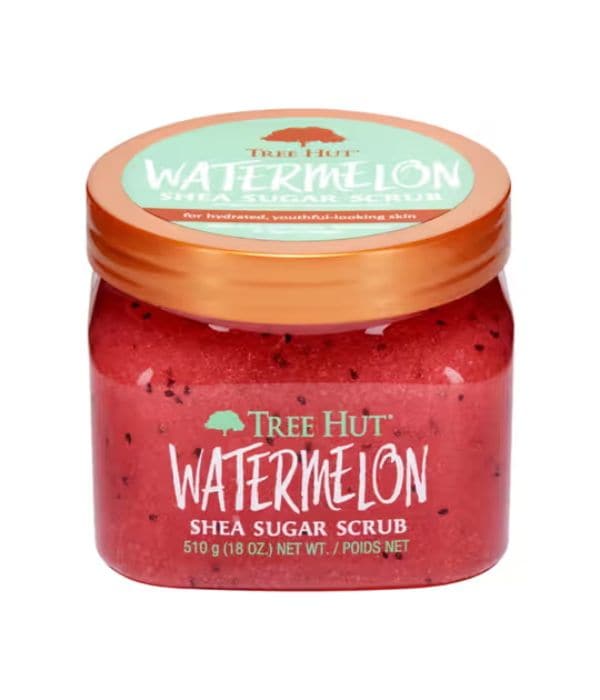
Click To Buy Tree Hut Shea Sugar Scrub Watermelon
Photo Credit: Tira
7. OUAI Scalp And Body Scrub - St Barts
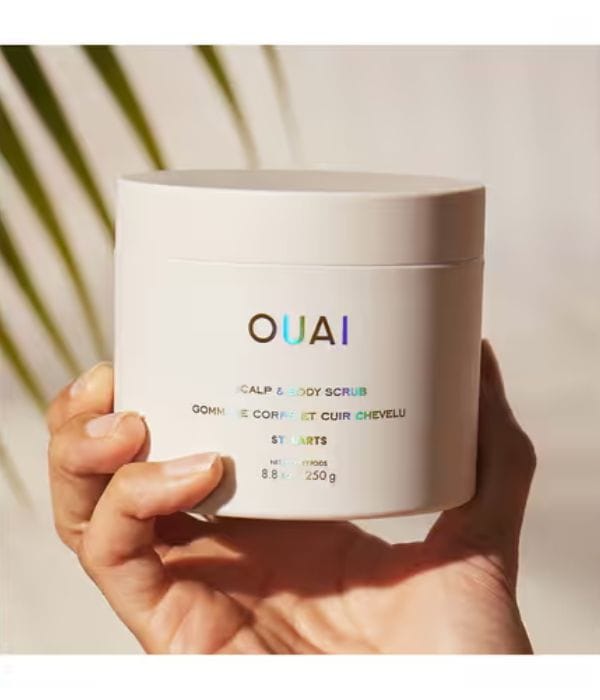
Click To Buy OUAI Scalp And Body Scrub - St Barts
Photo Credit: Tira
8. mCaffeine Exfoliating Face Wash And Face Scrub Combo
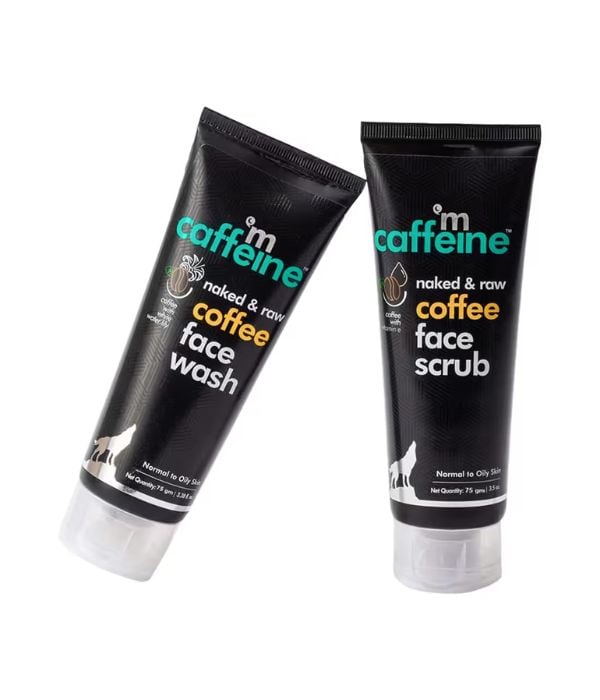
Click To Buy mCaffeine Exfoliating Face Wash And Face Scrub Combo
Photo Credit: Tira
Frequently Asked Questions (FAQs)
1. Is body exfoliation medically necessary?
No, dermatologists state that exfoliation is not essential for skin health. It is optional and primarily affects how skin looks and feels.
2. What does exfoliation actually improve?
Exfoliation can enhance skin smoothness, reduce flakiness and improve surface texture, especially on dry areas like arms and legs.
3. Can exfoliation damage the skin?
Yes, over‑exfoliating or using harsh products can irritate the skin, disrupt the barrier and increase sensitivity.
4. Is chemical exfoliation safer than physical exfoliation?
Dermatologists often recommend gentle chemical exfoliants over aggressive physical scrubs, though both can be safe if used correctly.
5. How often should body exfoliation be done?
At most, two to three times a week. Skin requires time to repair itself between exfoliation sessions.
(Disclaimer: This article may include references to or features of products and services made available through affiliate marketing campaigns. NDTV Convergence Limited (“NDTV”) strives to maintain editorial independence while participating in such campaigns. NDTV does not assume responsibility for the performance or claims of any featured products or services.)