How To Moisturise Skin Without Making It Greasy In Monsoon
Learn how to moisturise your skin without making it greasy during the monsoon. Discover the right products, application tips, and skincare routine for fresh skin.

How To Moisturise Skin Without Making It Greasy In Monsoon
The monsoon season often brings welcome relief from scorching summer temperatures, but it can also leave your skin feeling confused. One moment your face feels oily and sticky, and the next it feels dehydrated after spending time in an air-conditioned room. Many people end up skipping moisturiser altogether because they worry it will make their skin even greasier.
Discover application tips and the perfect monsoon skincare routine for fresh, non-greasy hydrated skin.
Photo Credit: iStock
However, avoiding moisturiser is not always the answer. Humidity, rain, pollution, and constantly changing indoor temperatures can disrupt your skin barrier in subtle ways. And so your skin might start producing even more oil, just to make up for a lack of hydration.
Also Read: Dry Skin Solutions: 5 Best Body Butters To Try This Rainy Season
If you have been thinking about how to moisturise your skin without that greasy feel in the monsoon, this guide will help you with the proper product choices and the way you apply them, plus a few easy skincare habits that keep everything more balanced and comfortable throughout the whole season.
Why Does Skin Feel Greasy During Monsoon?
High humidity levels can make sweat and natural oils sit on the skin's surface for longer periods. This can end up with a sticky sensation that lots of people confuse with proper hydration.
At the same time, things like air conditioning, regular face washing, and environmental pollutants can take away moisture. When that happens, the skin may start to compensate by generating more oil, which sets up a repeating loop of too much shine and dehydration.
How To Moisturise Skin Without Making It Greasy In Monsoon
Step 1: Start With A Gentle Cleanser
Begin with a mild, non-stripping cleanser that removes sweat, dirt, and excess oil without damaging the skin barrier. Harsh cleansers can leave your skin feeling kind of tight, and then it gets dry. That situation may trigger more oil production, not always, but often enough. For most skin types in monsoon weather, cleansing twice a day is usually plenty.
Step 2: Choose A Lightweight Moisturiser
Heavy creams can feel uncomfortable in humid weather. Instead, try to find gel-based, water-based or lightweight lotion formulations like hyaluronic acid, glycerin, and aloe vera that help pull moisture in without you ending up with that greasy residue.
Step 3: Apply Moisturiser On Damp Skin
One of the easiest ways to improve hydration is to apply moisturiser immediately after cleansing. Slightly damp skin helps you lock in moisture more effectively, and it can cut down on the amount of product you actually need for adequate hydration.
Step 4: Use The Right Amount
More product does not necessarily mean better results. A pea-sized amount is often enough for the entire face. Using too much moisturiser can feel like a heavy coat on the skin and, in a way, add to that shiny, oily appearance.
Ingredients That Work Well During Monsoon
1. Look For Hydrating Ingredients
Ingredients like hyaluronic acid, glycerin, panthenol, and aloe vera give hydration without feeling too heavy. They help the skin hold onto moisture while still keeping a lightweight touch on the surface.
2. Avoid Overly Occlusive Formulas
Rich ingredients like thick butters and heavy oils may feel too dense during humid weather, especially for oily or combination skin. While they can be quite beneficial in winter, lighter formulations often work better during monsoon.
Common Moisturising Mistakes To Avoid
1. Don't Skip Moisturiser Entirely
Many people assume that oily skin doesn't need a moisturiser In reality, dehydration can encourage the skin to produce even more oil. Using a lightweight moisturiser helps maintain balance and supports a healthy skin barrier.
2. Don't Layer Too Many Products
Using many serums, creams and oils all together can make the skin feel sort of congested and tacky. If you simplify your routine down to a few targeted products, the skin may do better, especially in those humid months.
How To Build A Simple Monsoon Skincare Routine
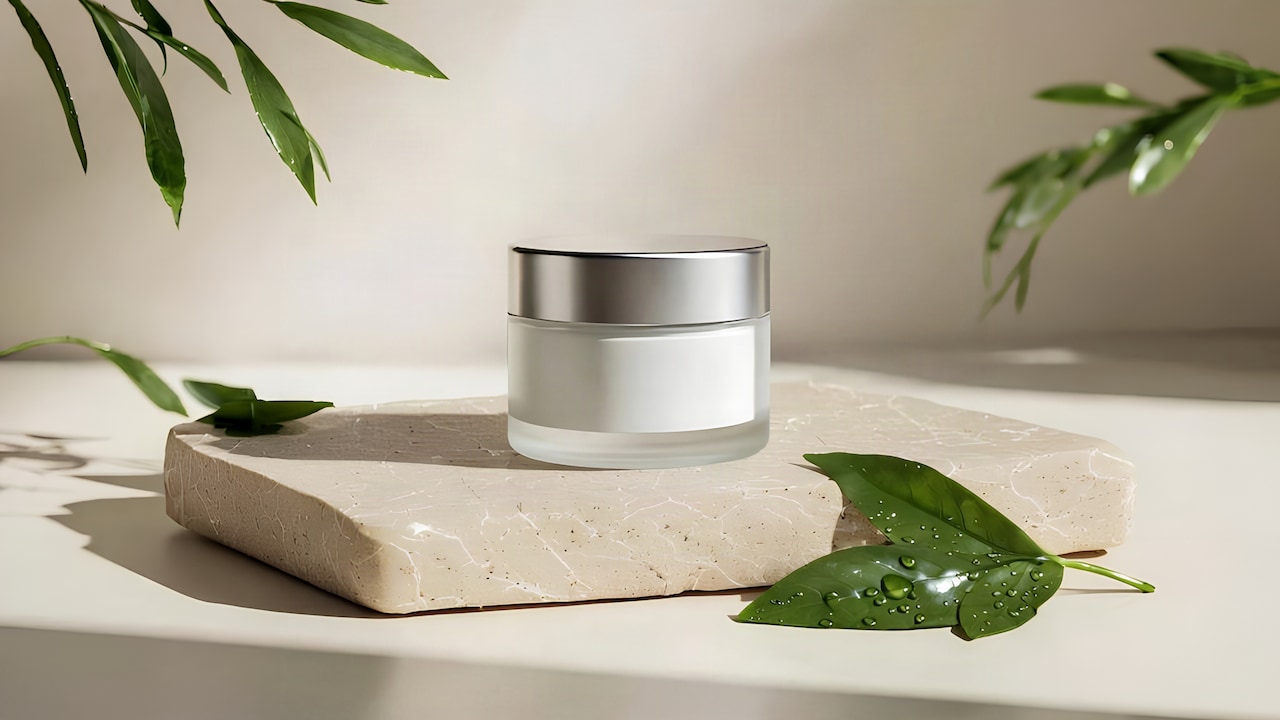
A basic monsoon skincare routine can include a gentle cleanser, lightweight moisturiser, sunscreen during the day, and a mild treatment product if needed. Keeping your routine simple can help minimise excess oil while also ensuring your skin stays hydrated and healthy.
Keep monsoon skin fresh and non-greasy with these essential product tips and skincare routines.
Photo Credit: iStock
Some Moisturiser Products You May Like
1. Simple Hydrating Light Moisturiser
2. Mamaearth Rice Dewy Bright Light Moisturizing Cream
3. Minimalist Vitamin B5 10% Oil-Free Moisturizer
4. VASELINE Cloud Soft SPF 50 PA ++++ Light Moisturiser
5. Asaya New Light Gel Face Moisturiser
6. Dot & Key Barrier Repair Moisturizer
7. Pond's Super Light Gel Oil-Free Face Moisturizer
8. The Derma Co Oil-Free Daily Face Moisturizer
Frequently Asked Questions (FAQs)
1. Should I moisturise my skin during monsoon if I have oily skin?
Yes, oily skin needs hydration. Using a lightweight, oil-free moisturiser can help keep that moisture balance steady without making your skin feel greasy.
2. Which type of moisturiser is best for humid weather?
During humid times, gel-based and water-based moisturisers usually become the better choice because they soak in quite fast and they can feel a bit lighter on the skin.
3. Can moisturiser cause breakouts in the monsoon?
A moisturiser that is too heavy for your skin type may contribute to clogged pores. Choosing a non-comedogenic formula can help reduce this risk.
4. How many times should I apply moisturiser during monsoon?
Most people can moisturise twice a day, once in the morning and once at night. If your skin feels especially dry, then you might need a little extra application too.
5. Is it okay to skip moisturiser if my skin feels sticky?
Skipping moisturiser is a bad idea. Better yet, you can switch over to a lighter formula that hydrates properly, without leaving that oily, greasy finish.
(Disclaimer: This article may include references to or features of products and services made available through affiliate marketing campaigns. NDTV Convergence Limited (“NDTV”) strives to maintain editorial independence while participating in such campaigns. NDTV does not assume responsibility for the performance or claims of any featured products or services.)