How To Protect Your Hair From Heat Damage With Daily Styling?
Learn how to protect your hair from heat damage while styling daily. Discover practical steps, heat-protectant tips and habits for healthier-looking hair.
How To Protect Your Hair From Heat Damage With Daily Styling?
Heat styling has become part of the everyday beauty routine. A quick blow-dry before work, a straightener for a polished look or a curling wand for an evening out can make getting ready feel much easier.
But when these tools turn into a daily habit, your hair sort of needs a bit extra attention. Too much heat can leave strands brittle, frizzy, and a bit lacklustre. And if you style again and again, the damage that's already there starts to look more obvious. Dermatologists usually suggest you limit heat time, use lower settings and also put on a product made to shield hair from heat exposure.
Does heat protectant completely prevent hair damage
Photo Credit: iStock
So, how do you keep styling regularly without your hair basically paying for it? The trick is to shift how you prep, how you style, and how you maintain your hair, rather than simply stopping your favourite tools altogether.
Why Does Daily Heat Styling Damage Hair?
Hair can withstand some styling, but repeated high heat can weaken the strands over time. Blow-dryers, flat irons and curling irons can contribute to dryness, breakage, frizz and a rougher-looking texture.
The frequency matters too. Using a hot tool every day gives your hair fewer opportunities to recover, especially if you repeatedly pass a straightener or curling iron over the same sections. The goal, therefore, is not simply to add a heat-protection product. It is to reduce unnecessary heat while making every styling session gentler.
Start With Properly Prepared Hair
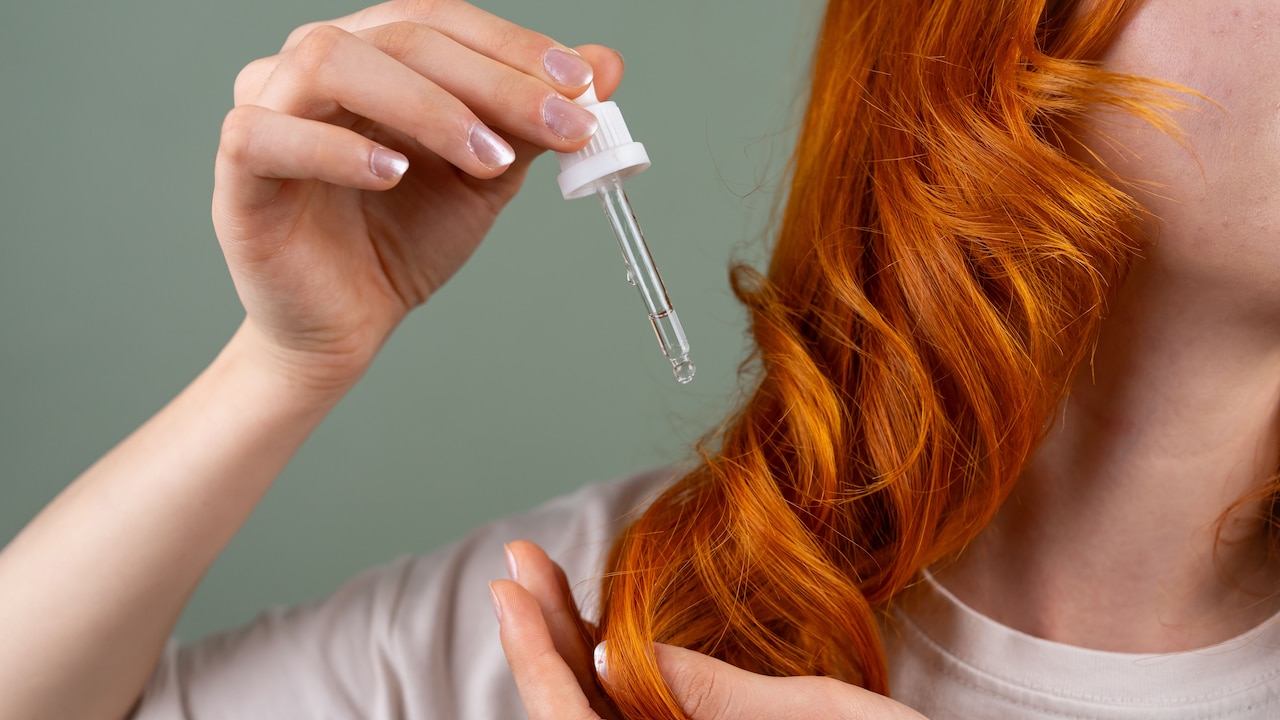
Before you grab a hot tool, try giving your hair a better jump-off point. Using conditioner after shampooing can help with dryness and breakage. Then a leave-in conditioner can make the strands more cooperative for detangling and styling in a steadier way.
Step 1: Condition After Washing
Apply conditioner after every shampoo, concentrating on the lengths and ends rather than the scalp. This helps keep the hair smoother and more manageable before you style it. If your hair is pretty dry, or it gets tangled very fast, then a nourishing leave-in conditioner can add that extra bit of nurture.
Step 2: Remove Excess Water Gently
Instead of vigorously rubbing your wet hair with a towel, try to wrap it gently in a towel or even a soft T-shirt so it can soak up the extra moisture. Also, letting a bit of the water air out and evaporate on its own before you reach for the blow dryer can cut down the time your hair is sitting under heat.
Step 3: Apply Heat Protection Before Styling
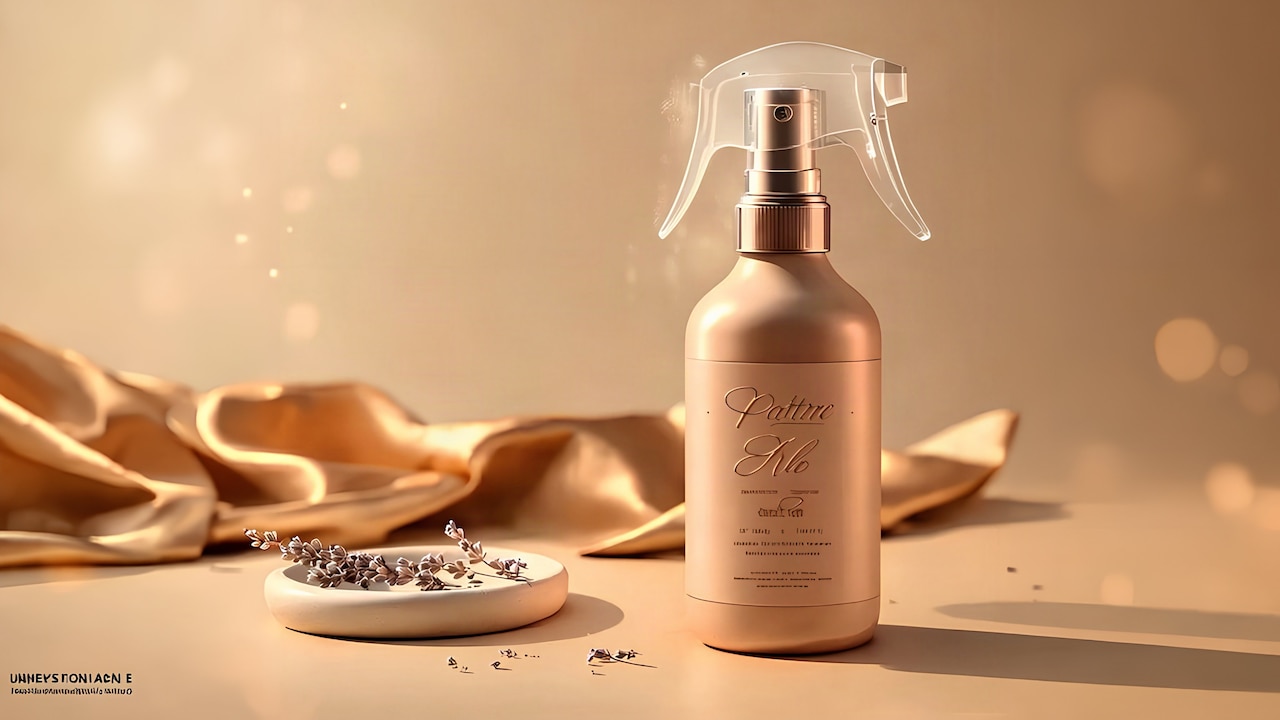
A heat protectant should be part of the preparation, not an afterthought. Seek a product that specifically states it provides heat protection, and follow its directions for application.
Spread the product evenly through the sections you plan to style. If you use a leave-in conditioner with heat protection, check the label to ensure it is intended for use with heated styling tools.
Step 4: Apply A Heat Protectant Evenly
Cut your hair up into manageable chunks, then put the heat-protection product on from the mid-lengths toward the tips unless the instructions say something else. Use just enough to coat the strands, not to soak them through. Keep the coverage even, because heat tools can focus heat on patches that get overlooked or that you keep re-styling.
Choose A Lower Heat Setting
More heat does not automatically mean a better hairstyle. Higher temperatures can shorten styling time, but they also increase the stress placed on the hair. Use low or medium heat settings and limit the use of heated tools.
Your ideal setting depends on your hair type, texture and the tool being used. Start lower and increase only if necessary rather than automatically choosing the highest temperature.
Step 1: Keep The Temperature Moderate
Set your blow-dryer, straightener or curling tool to the lowest setting that can achieve the desired result. For flat irons, use them on dry hair at a low or medium heat setting.
Step 2: Reduce How Long Heat Stays On Your Hair
Temperature is only part of the equation. How long the heat is applied matters as well. Repeatedly passing a straightener over one section or holding a curling iron against the same area for too long can add unnecessary exposure.
Work in small sections and use controlled movements rather than going over the same strand again and again.
Step 3: Style In Small, Controlled Sections
Separate your hair into sections before you begin. This helps you style each area efficiently instead of repeatedly heating the same strands while trying to achieve the desired shape. With a curling iron, keep contact brief, leaving the tool in place for only a second or two.
Also Read: Raksha Bandhan 2026: Top 5 Makeup Essentials For A Minimal Festive Look That Lasts All Day
Step 4: Never Straighten Hair While It Is Wet
A flat iron should be used on dry hair. Starting with wet or damp hair can expose the strands to unnecessary stress as the tool heats the moisture trapped around them.
If you are using a blow-dryer, allow your hair to partially air-dry first whenever possible. This reduces the amount of blow-drying required to finish the style.
Know When Your Hair Needs A Break
If your hair has started feeling unusually dry, brittle, or really hard to manage, take that as a cue to reassess your whole routine. Try upping conditioning a bit, dialing back heated styling, and also skipping unnecessary chemical treatments because those little things can really help prevent more damage.
Watch For Signs Of Excessive Damage
Pay attention to increasing split ends, persistent frizz, rough texture or frequent breakage. These signs do not mean you must stop styling permanently, but they are a good reason to reduce heat frequency, lower the temperature and focus on conditioning and gentle handling.
Why Does Daily Heat Styling Damage Hair
Photo Credit: iStock
Some Heat Protection Hair Products You May Like
1. MAKEMEEBOLD Heat Protectant Mist
2. Kteinm 100% Plant-Based Natural Hair Heat Protection
3. Vellasio Hair Heat Protection Spray
4. TRESemme Keratin Smooth Heat Protect Spray
5. BBLUNT Hot Shot Heat Protection Mist
6. Thriveco Heat Protector Hair Spray
7. QLERIX Hair Heat Protector
8. Schwarzkopf TAFT Power Cashmere Hold 5 Hair Spray for Heat Protection
Daily styling doesn't have to come at the cost of healthy hair. By using heat protectant products, keeping styling tools at moderate temperatures, avoiding excessive heat exposure, and nourishing your hair with regular conditioning treatments, it is possible to minimize damage while still achieving your desired look. Small habits such as air-drying whenever possible, trimming split ends regularly, and giving hair occasional breaks from heat styling can go a long way in maintaining strength, shine, and overall hair health. Consistent care and protection are the keys to enjoying styled hair without compromising its long-term health.
Frequently Asked Questions (FAQs)
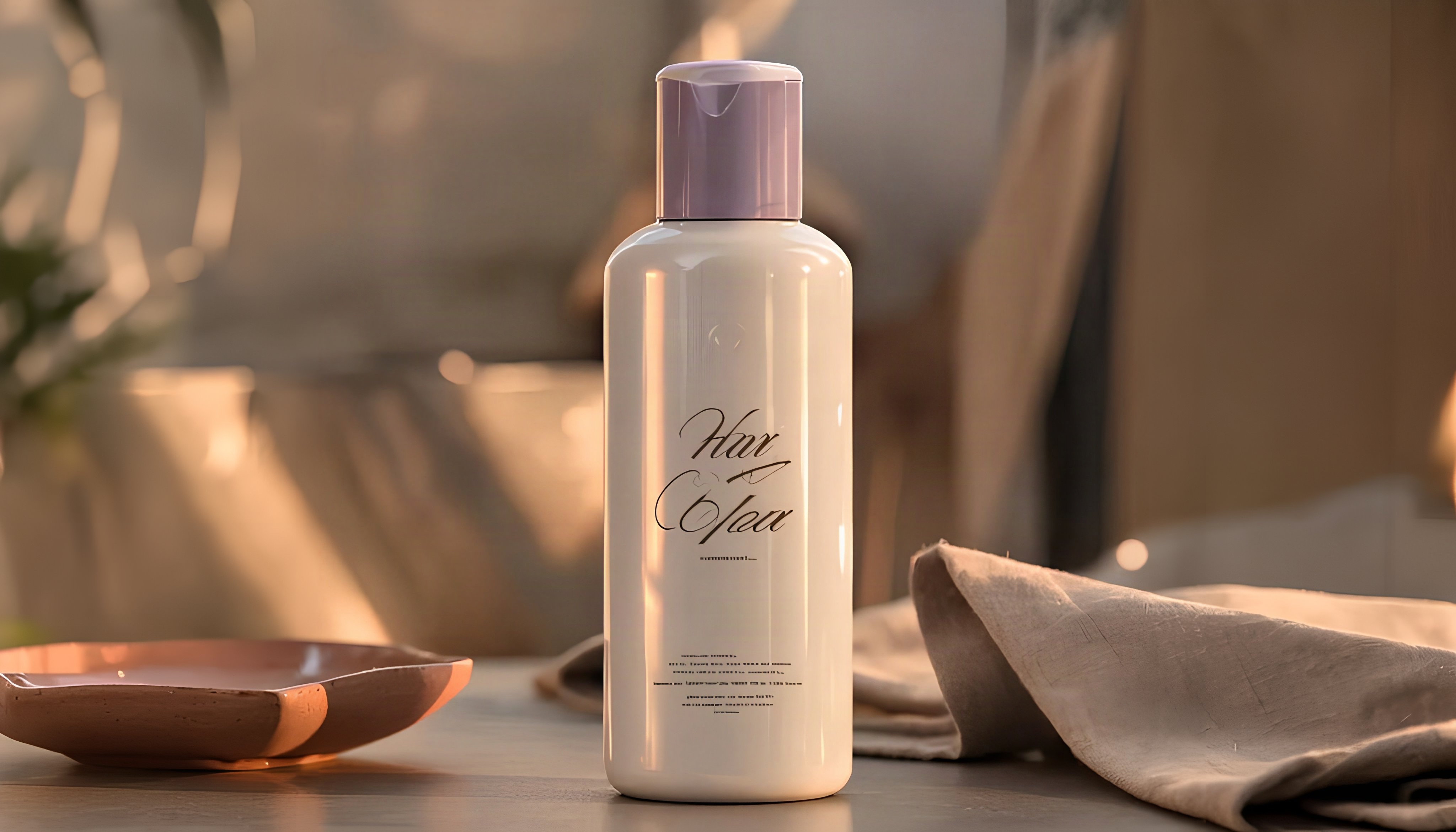
1. Does heat protectant completely prevent hair damage?
No. A heat protectant can help reduce heat-related stress, but it does not make hair immune to damage. Lower temperatures, shorter styling sessions and less frequent heat use are still important.
2. Can I use a straightener every day?
Using daily straightening can end up increasing the total heat exposure and cause damage over time.
3. Should I use heat protectant on wet or dry hair?
It depends on the product, so follow the label instructions. AAD guidance notes that some heat-protective leave-in products are designed for application to damp hair before styling.
4. Is blow-drying less damaging than straightening?
Both involve heat, and excessive use of either can damage hair. Letting hair partially air-dry and using a low or medium dryer setting can help reduce exposure.
5. How often should I use heat styling tools?
There is no single frequency that works for every hair type, but less frequent use generally means less heat exposure. .
(Disclaimer: This article may include references to or features of products and services made available through affiliate marketing campaigns. NDTV Convergence Limited (“NDTV”) strives to maintain editorial independence while participating in such campaigns. NDTV does not assume responsibility for the performance or claims of any featured products or services.)