How To Remove Summer Tan Before Monsoon Outings
Wondering how to remove summer tan before monsoon outings? Discover simple skincare tips, tan-removal steps, and products that help restore brighter-looking skin.
How To Remove Summer Tan Before Monsoon Outings
We've all been there. After spending months enjoying the sunny weather, the arrival of the monsoon season brings a pretty annoying realisation: our skin suddenly looks uneven, tired, and a few shades darker than it did back in the spring. This rainy-day transition is often filled with weekend road trips, family gatherings, brunch dates, and outdoor plans, leaving us in a rush to find quick solutions for a stubborn tan. While your skin will eventually shed those darker layers on its own, a smart, focused skincare routine can significantly accelerate the process and restore your natural, healthy glow.

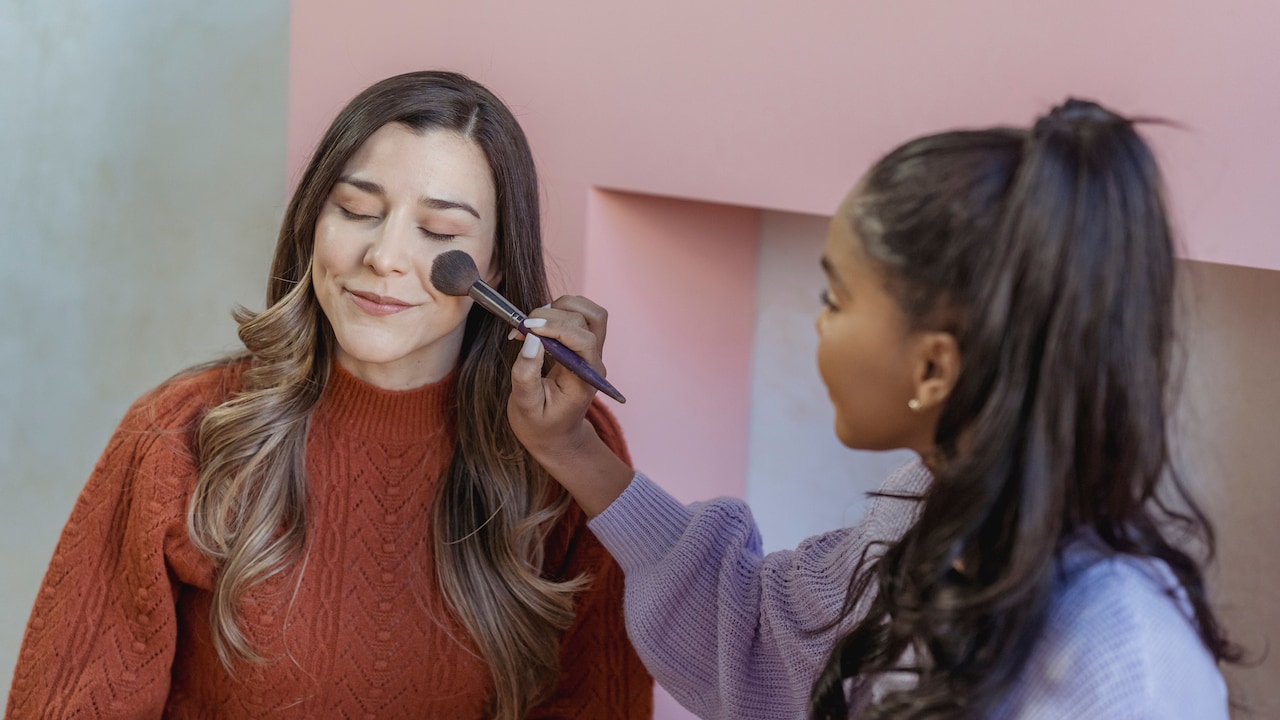
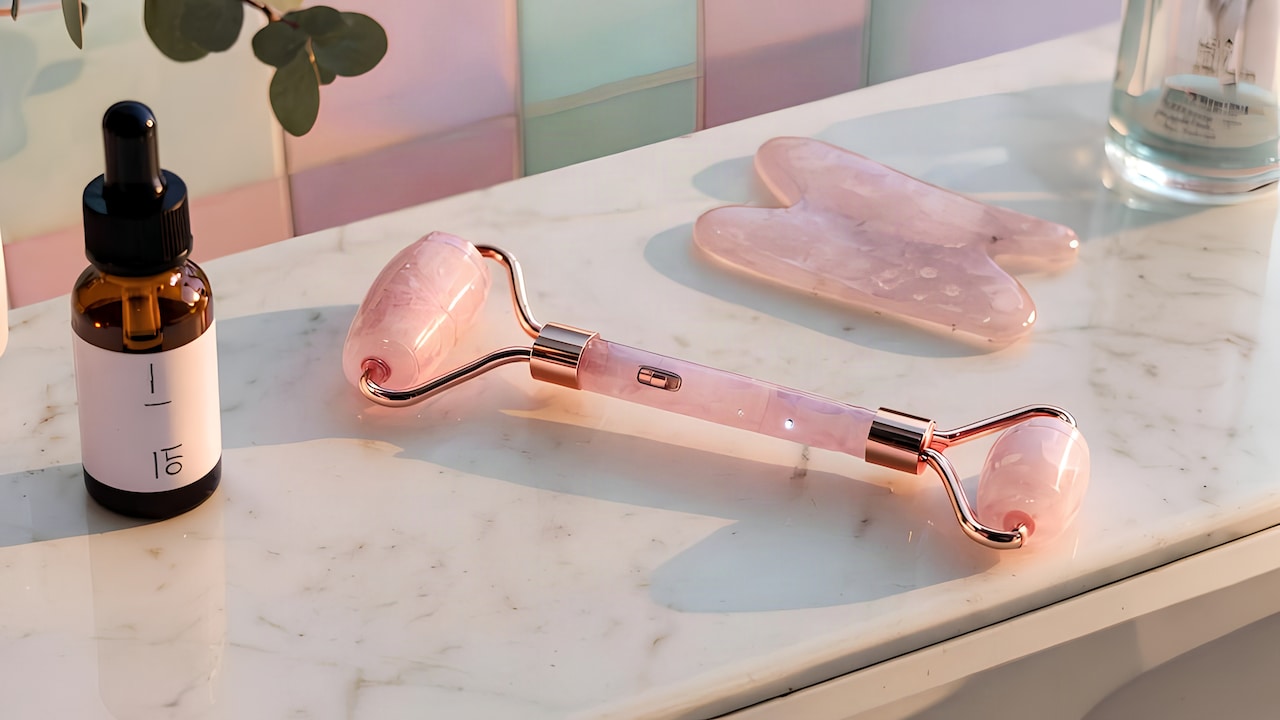
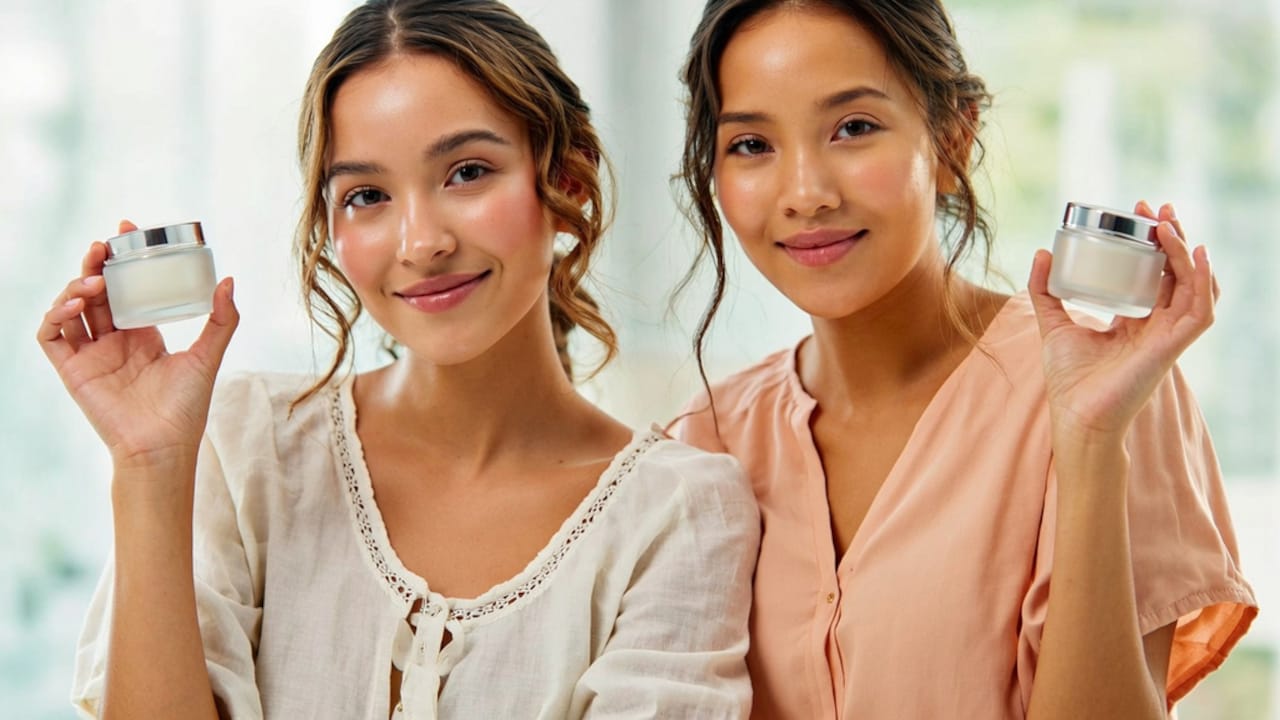
Learn how to remove summer tan and restore bright skin before your upcoming monsoon outings.
Photo Credit: AI generated Image
Fortunately, you can improve your skin without spending a fortune on expensive clinical procedures or spending hours at a salon. In reality, a few thoughtful skincare adjustments and consistent sun protection are more than enough to make a real difference. So, how can you safely fade that summer sun damage before stepping out into the rains without stripping your skin's natural barrier? Let's explore a practical, effective routine that delivers results.
Why Summer Tan Often Lingers Even After The Weather Changes
It is incredibly common to assume that a tan should just vanish the second the clouds roll in, but our skin operates on its own timeline. When you spend time under intense sunlight, your cells churn out extra melanin as a built-in shield against UV damage. This pigment gets locked into the outermost layers of your skin and hangs around long after the intense heat waves have passed.
Adding to the struggle, monsoon weather brings its own set of skin challenges. The spikes in humidity combined with daily pollution, excess sebum, and a buildup of dead skin cells can leave your complexion looking completely exhausted and muddy. So while the sun damage might be slowly fading underneath it all, these surface-level issues trap the dullness. That is precisely why switching up your routine during this seasonal transition is so necessary.
How To Remove Summer Tan Before Monsoon Outings
Reclaiming your original skin tone isn't about scrubbing your face raw or turning to harsh, aggressive products. Instead, the goal is to gently encourage your skin's natural cell turnover while keeping it safe from further irritation.
Step 1: Start With A Gentle Brightening Cleanser
Every solid skincare routine starts with a proper wash. Throughout the day, your face collects a grime layer of sweat, old sunscreen, pollution, and dirt, which heavily compounds that dull, darkened look. When selecting a daily wash, look for brightening agents such as vitamin C, kojic acid, papaya enzymes, or turmeric. These ingredients work beautifully to refresh your skin while gradually promoting a more even tone.
Step 2: Exfoliate Carefully To Remove Dead Skin Build-Up
You might have noticed how your face instantly looks more alive right after a good scrub. That happens because getting rid of the dead, dry cells sitting on the surface immediately lifts away a lot of the visible dullness. Incorporating a mild facial scrub or a gentle chemical exfoliant once or twice a week does wonders for clearing out that top layer. Just remember that less is definitely more here.
Step 3: Add A Tan-Removal Face Mask To Your Weekly Routine
Treating yourself to a face mask is one of the easiest ways to give your skin a quick, noticeable lift. Traditional ubtan blends, clarifying clay bases, and targeted brightening masks are fantastic for pulling out deep-seated impurities and reviving a tired complexion. Carving out time for a mask once or twice a week leaves your skin feeling incredibly smooth, clean, and prepped for any upcoming monsoon outings.
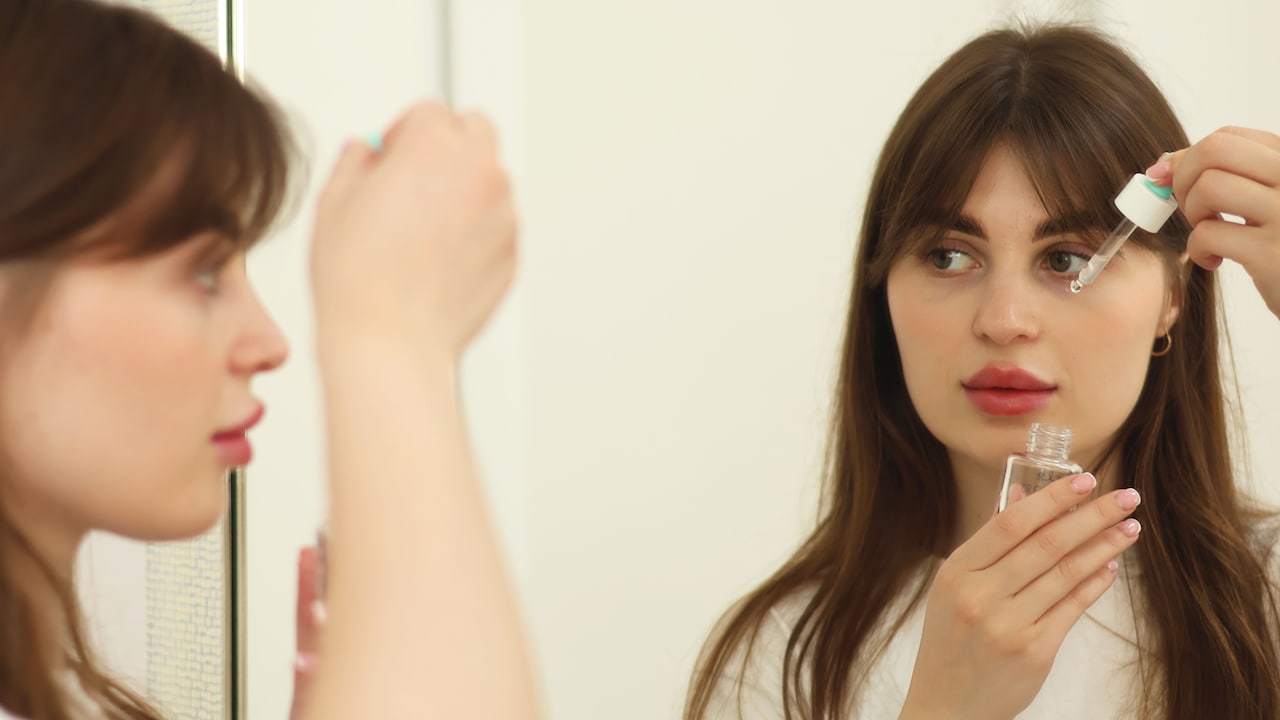
Step 4: Incorporate A Vitamin C Serum Into Your Routine
If your main goal is to fade stubborn discolouration and balance out your skin tone, a reliable vitamin C serum is a non-negotiable addition to your vanity. Vitamin C is a beloved staple in the beauty world for good reason: it actively tackles dullness, shields the skin from environmental stressors, and encourages a brighter look.
Step 5: Wear Sunscreen Every Single Day
It sounds incredibly obvious, but you'd be surprised by how many people try to fade a tan while entirely ignoring the habit that caused it in the first place. Even when the sky is completely overcast and grey, those ultraviolet rays cut right through the clouds and hit your skin. Applying a broad-spectrum SPF 50 sunscreen daily blocks new sun damage from forming, giving your skin the breathing room it needs to repair itself.
Common Tan Removal Mistakes People Make
Ironically, many people accidentally make their hyperpigmentation worse simply by trying to force it off too quickly.
1. Scrubbing Too Aggressively:
Using harsh, gritty physical scrubs will just leave your face raw, red, and highly vulnerable to environmental damage. Slow, gentle, and steady care always wins.
2. Using Lemon Directly On The Face:
Traditional home remedies can be beneficial, but straight lemon juice is highly acidic. It can cause severe chemical burns and make your skin incredibly sensitive to the sun.
3. Skipping Moisturiser:
Well-hydrated skin heals significantly faster and reflects light much better. Throwing moisturiser out the window will only leave you with a flat, deflated appearance.

Remove summer tan before monsoon outings with these simple skincare tips for brighter looking skin.
Photo Credit: AI generated Image
Some Tan Removal Products You May Like
1. Blue Nectar Turmeric Ubtan Face Pack Powder
2. Mamaearth Ubtan Detan Face Pack with Turmeric & Saffron
3. Mamash Beetroot & Sandalwood 2-in-1 Face Pack & Scrub
4. Biotique Fruit Brightening Depigmentation and Tan Removal Face Pack
5. UV Doux Silicone Sunscreen Gel SPF 50 PA+++
6. O3+ Blueberry D-Tan® with Natural Extracts for Tan Removal
7. Biotique Bio Papaya Revitalizing Tan Removal Scrub
8. Lotus Herbals WhiteGlow Skin Brightening Oatmeal & Yogurt Scrub
In conclusion, removing summer tan before monsoon outings requires a mix of gentle exfoliation, hydration, and consistent skincare. Opt for natural remedies or mild exfoliators to gradually lift the tan without irritating your skin, and always follow up with moisturisers to maintain a healthy glow. Incorporating brightening ingredients like vitamin C and using sunscreen daily can further help restore your natural complexion. With a consistent routine and the right products, you can achieve fresh, even-toned skin just in time to enjoy the monsoon season confidently.
Frequently Asked Questions (FAQs)
1. How much time does it really take to get rid of a summer tan?
There is no set timeline; it depends on your skin type and how deep the tan is. Still, if you stick to a steady daily routine, you can notice some change in a couple of weeks.
2. Does sunscreen actually remove tan?
Not really; sunscreen won't scrub away the tan you already have. What it will do is help prevent the sun from darkening you further, so that your brightening products and your skin's natural cell turnover can work in a better way.
3. Is vitamin C any good for skin that is tanned?
Yes, vitamin C is a real powerhouse for fading sun damage, smoothing uneven patches and bringing back that little bit of radiance when your complexion looks a bit tired or lifeless.
4. How often should I exfoliate when trying to remove tan?
For most people, exfoliating once or twice a week is ideal. Exfoliating more than that can easily strip your skin and cause unwanted irritation.
5. Can monsoon weather cause tanning?
Yes, it absolutely can. Clouds only block a fraction of UV light, meaning sun damage can still happen on a rainy day if you skip out on your SPF.
(Disclaimer: This article may include references to or features of products and services made available through affiliate marketing campaigns. NDTV Convergence Limited (“NDTV”) strives to maintain editorial independence while participating in such campaigns. NDTV does not assume responsibility for the performance or claims of any featured products or services.)