How To Style Frizz-Free Hair On A Humid Morning
Struggling with frizzy hair on humid mornings? Discover easy tips, product picks, and styling tricks to keep your hair frizz-free, smooth, and manageable all day.
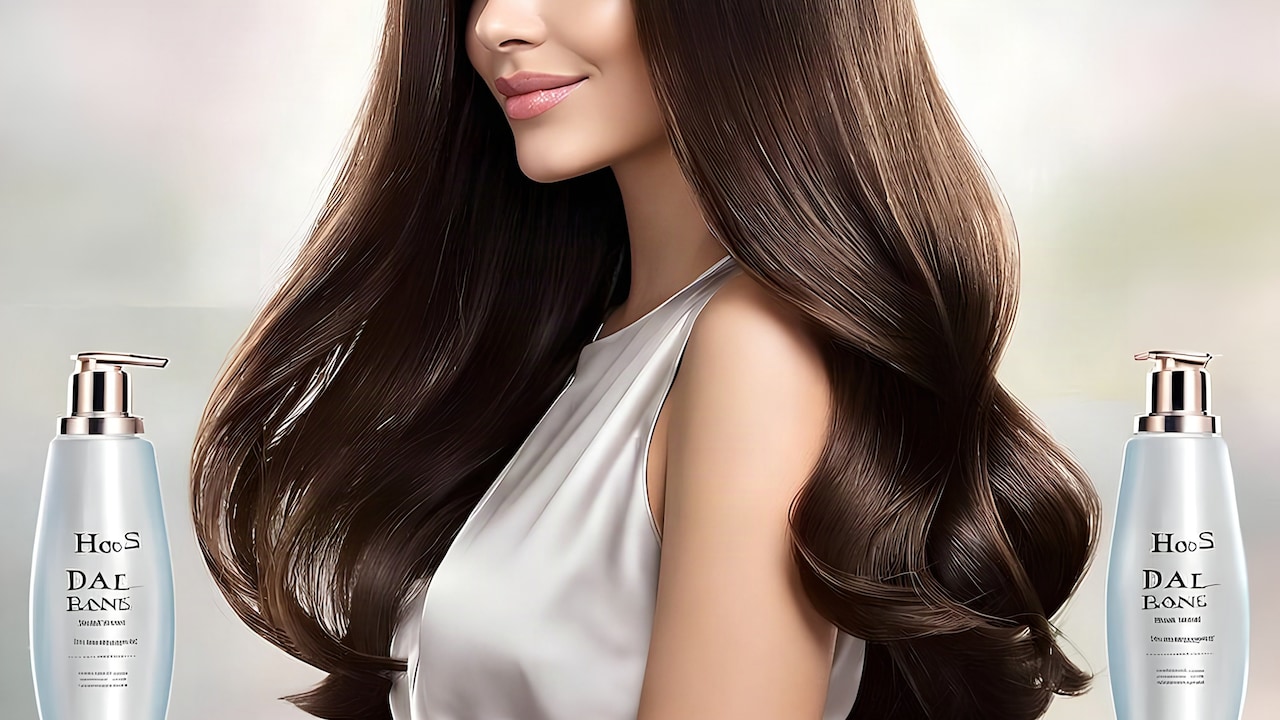
Tame frizzy hair the right way with these easy and effective tips
Humid mornings have a way of undoing everything you carefully styled the night before. You wake up, spend time on your hair, and the moment you step outside, the moisture in the air turns it into something completely unrecognisable. Humidity affects almost every one of us, whether your hair is naturally curly, wavy or straight. It draws moisture into the hair shaft, causing it to swell and lose definition. The good news is that with a few smart product choices available on Myntra, frizz-free hair on a humid morning is totally achievable.
Easy Styling Ideas For Frizz-Free Hair On Humid Mornings
Photo Credit: iStock
The trick is not to fight against your natural hair texture but to know what your hair actually needs. A consistent routine that focuses on moisture balance, protective styles, and the right finishing products can significantly affect how your hair behaves throughout the day, even on the hottest, most humid mornings.
Why Humidity Causes Frizz In The First Place
Frizz isn't random. This happens when the cuticle layer of your hair – the outermost part of each strand – is raised and rough rather than lying flat. When it's humid outside, air moisture creeps into those raised cuticles and causes the hair shaft to swell unevenly. That's why hair that looks sleek indoors can turn puffy or frizzy the minute it hits warm, moist air outside.
Understanding the role of porosity helps you choose the right products and methods. The goal is always to seal the cuticle and create a barrier that keeps excess moisture out while locking the right amount of hydration in.
1. The Role Of Porosity In Frizzy Hair
Hair porosity — how easily your hair absorbs and holds moisture — plays a huge role in how badly humidity affects you. High-porosity hair absorbs moisture quickly, which sounds like a benefit until humid air causes it to absorb too much at once. Low-porosity hair, on the other hand, repels moisture and can still frizz when the cuticle is disrupted by heat or rough handling. Knowing your porosity helps you choose the right products for your specific hair type.
2. How Heat Tools Make Things Worse
Using high heat without protection actually damages the cuticle over time, making hair more prone to frizz in general. When the cuticle is already compromised, humid mornings become far harder to manage. Reducing heat tool usage, or always using a heat protectant, is one of the simplest ways to build long-term frizz resistance.
Building A Frizz-Free Morning Haircare Routine
The work of frizz-free hair often starts before you even pick up a styling product. A consistent wash-day and morning routine sets the foundation for smoother, more manageable hair, regardless of what the weather is doing outside.
1. Start With A Hydrating Wash Routine
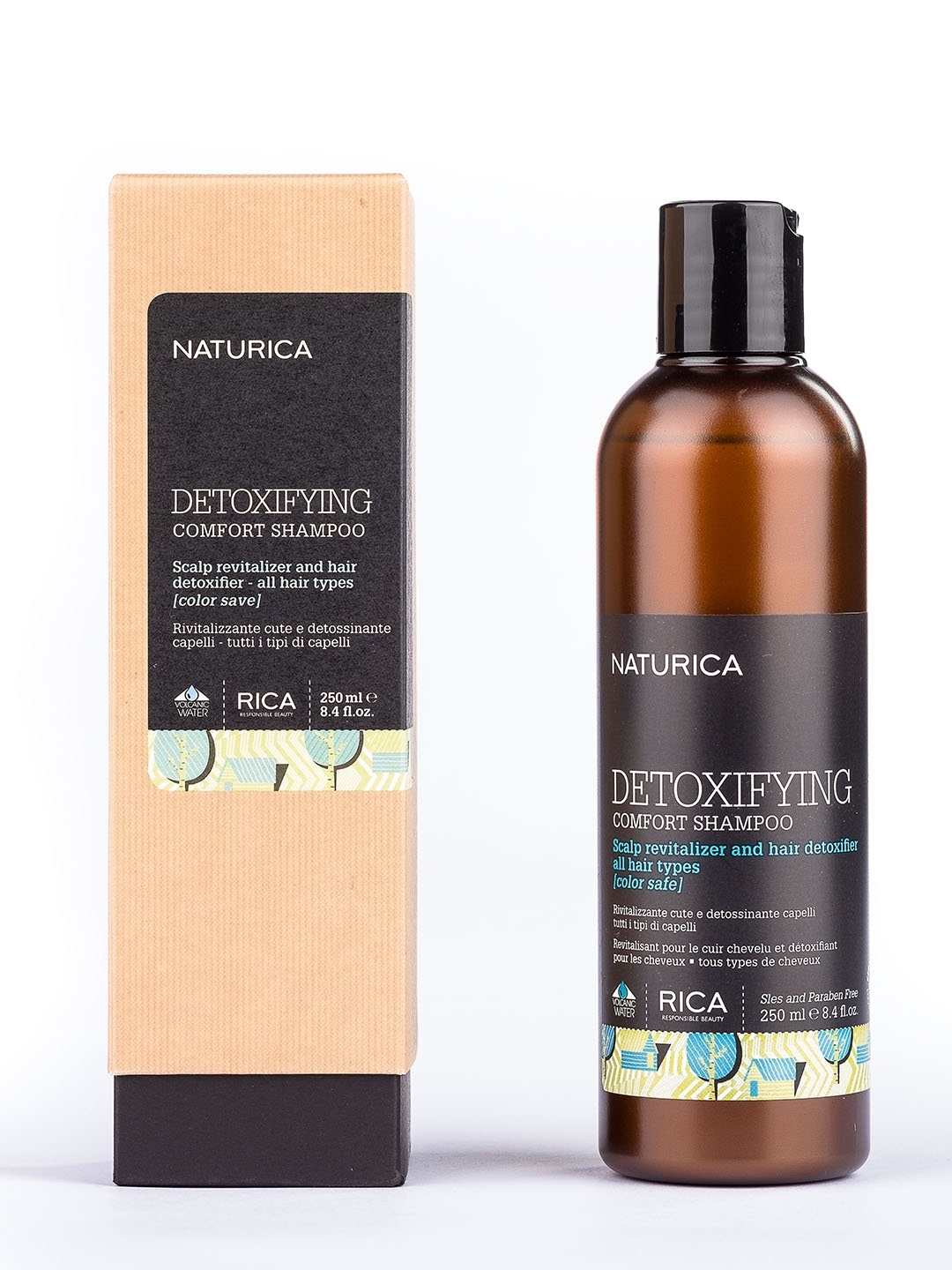
The sulphate shampoos can strip your hair of natural oils, leaving it dry and more prone to frizz. Switch to a sulphate-free shampoo, follow up with a deep hydrating conditioner and you can see a noticeable difference in just a few washes. Apply a focus conditioner to the mid-lengths and ends of your hair, and if it feels particularly dry or coarse, consider adding a weekly deep conditioning mask to your routine.
2. Dry Your Hair The Right Way
The way you dry your hair matters just as much as the products you use. Rubbing wet hair with a regular towel roughs up the cuticle and causes friction-related frizz. Instead, take a microfibre towel or a soft cotton t-shirt and gently squeeze out the excess water. This simple swap can help to reduce frizz before you even start styling.
If you use a blow dryer, always attach a diffuser for curly or wavy hair, and use a concentrator nozzle for straighter styles. Keep the dryer moving rather than holding it in one place, and always finish with a short blast of cool air to help seal the cuticle.
The Best Products For Frizz Control In Humidity
Not all anti-frizz products are created equal. Some coat the hair in silicones that block moisture temporarily but build up over time. Others use natural emollients and humectants that genuinely balance the hair's moisture levels for longer-lasting results.
1. Serums And Oils For Smoothness
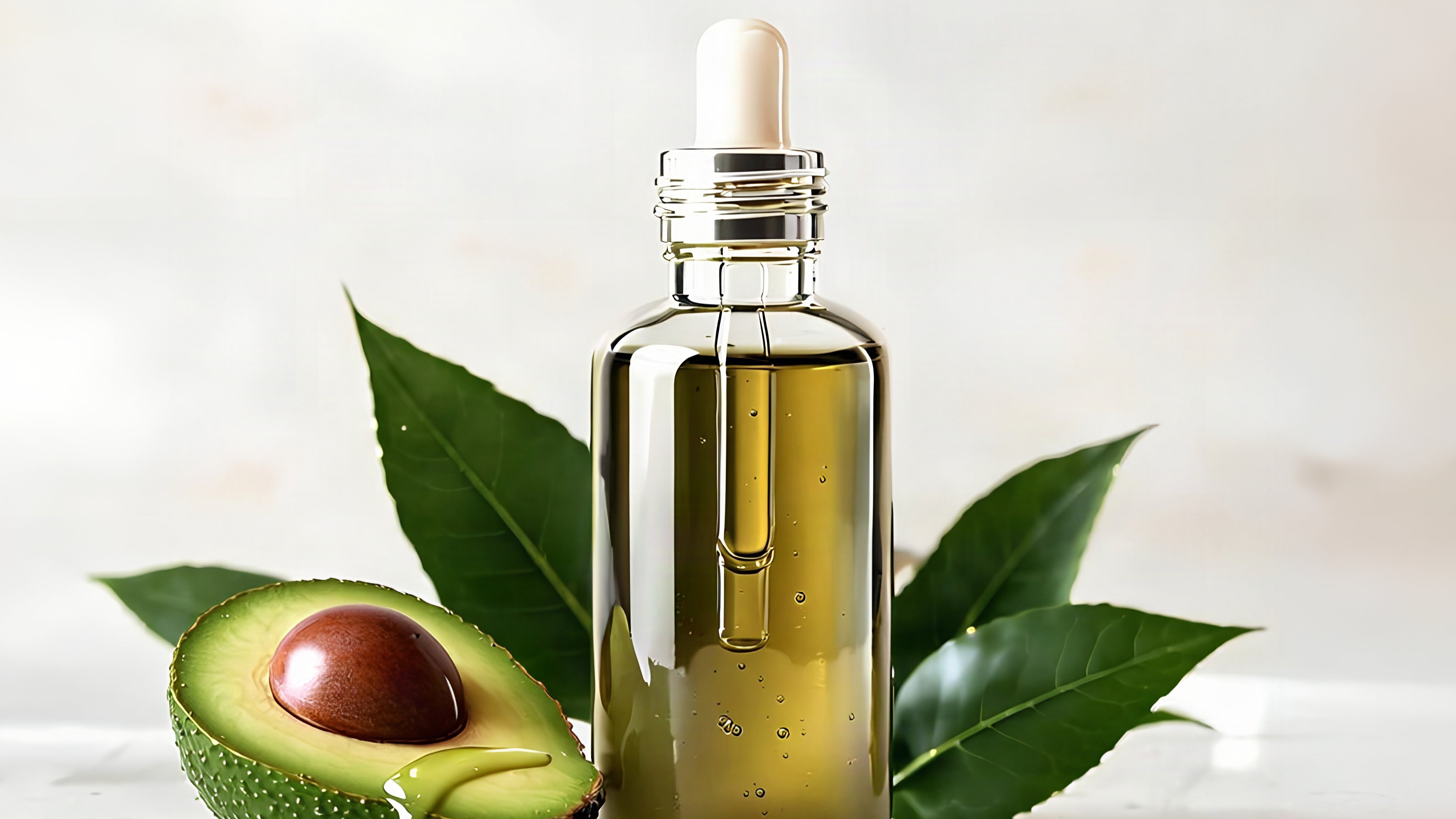
Hair serums and light oils like argan oil, marula oil or camellia oil are especially good at sealing the cuticle and giving hair a smooth finish. Apply a small amount to damp hair before styling, working through mid-lengths to ends. To avoid a greasy look, stay away from the roots. A little goes a long way. Using too much product can weigh down the hair, making it look flat or lank.
2. Anti-Humidity Sprays And Setting Products
Anti-humidity sprays are a useful final step in any humid-morning routine. Misted lightly over finished hair, they create a barrier that helps your style stay in place even when outdoor conditions are working against you. Look for alcohol-free formulas that won't dry out hair and will give hold. Likewise, a light-hold hairspray or flexible styling cream can help set your look without leaving hair feeling stiff or crunchy.
Easy Styling Ideas For Frizz-Free Hair On Humid Mornings
Sometimes the smartest response to a humid morning is choosing a style that works with the weather rather than against it. There are plenty of looks that actually suit humid days and can be pulled together quickly.
1. Protective And Polished Updos
Buns, braids, and chignons are natural allies on humid mornings. By gathering your hair up and away, you minimise how much surface area is exposed to the damp air. A sleek low bun with a few drops of smoothing serum looks polished enough for the office, while a loosely braided style suits a more casual day. Avoid tight styles that can cause breakage, especially on already-fragile, humidity-stressed hair.
2. Embracing Your Natural Texture
If your hair is naturally wavy or curly, humid mornings can actually work in your favour — as long as you use the right products. Scrunching in a curl-defining cream or a light mousse while hair is still damp encourages natural wave patterns and can look intentional rather than dishevelled. The key is to avoid touching your hair too much while it dries, as this disrupts the curl and encourages frizz.
The Best Products For Frizz Control In Humidity
Photo Credit: iStock
Some Products You May Like
1. TRESemme – Keratin Smooth Shampoo
2. VEVANO - 2 In 1 Shampoo Conditioner
3. MATRIX – Mega Smooth Anti-Frizz Shampoo & Conditioner
4. Beauty Garage - Keratin Smooth Daily Shampoo and Conditioner
5. Bare Anatomy – Set of Expert Anti-Frizz Shampoo Conditioner
6. Biolage – Smoothproof 6 in 1 Serum with Avocado Oil
7. BBLUNT – Set of Repair & Revive Shampoo, Conditioner & Serum
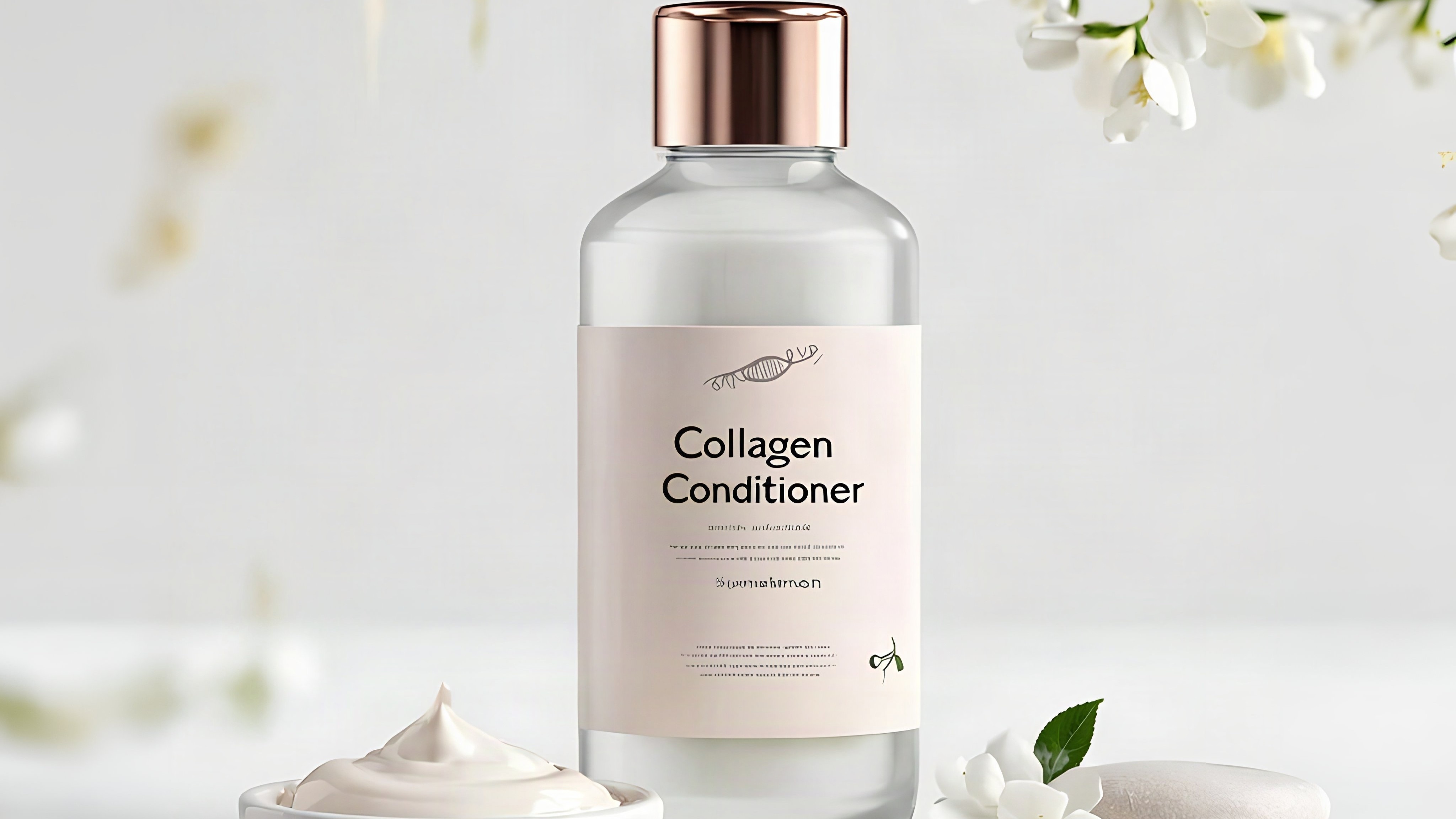
8. LENZIVA LUXE - Collagen Conditioner
Frequently Asked Questions (FAQs)
1. Can I prevent frizz completely on a humid morning?
You can significantly reduce frizz, though eliminating it depends on your hair type and the humidity level. With the right routine and products, most people can keep frizz well under control.
2. What is the best ingredient to look for in anti-frizz products?
Look for ingredients like argan oil, glycerin, shea butter, and dimethicone. These help seal the cuticle, balance moisture, and provide a barrier against humid air.
3. Does washing hair every day make frizz worse?
For most hair types, yes. Daily washing strips natural oils that help keep the cuticle smooth. Washing every two to three days is usually more beneficial for frizz-prone hair.
4. Are there hairstyles that genuinely hold up better in humidity?
Yes. Braids, buns, and other protective styles hold up much better than leaving hair loose. Styles that minimise hair exposure to the air are always more reliable in humid conditions.
5. How long does an anti-humidity spray last throughout the day?
Most anti-humidity sprays are designed to last for several hours, though the duration varies by brand and the level of humidity. A light reapplication at midday can help refresh the barrier if needed.
(Disclaimer: This article may include references to or features of products and services made available through affiliate marketing campaigns. NDTV Convergence Limited (“NDTV”) strives to maintain editorial independence while participating in such campaigns. NDTV does not assume responsibility for the performance or claims of any featured products or services.)