How To Use A Face Serum Correctly For Best Results
Not sure how to use a face serum correctly? Find the right way to apply it and which serums actually give results for different skin concerns.
How To Use A Face Serum Correctly For Best Results
Face serums have become one of those products that nearly every skincare enthusiast swears by, and for a genuinely good reason. They're lightweight, concentrated, and designed to deliver active ingredients straight into the skin far more effectively than a standard moisturiser ever could. But here's the thing – a serum only works as well as you let it.
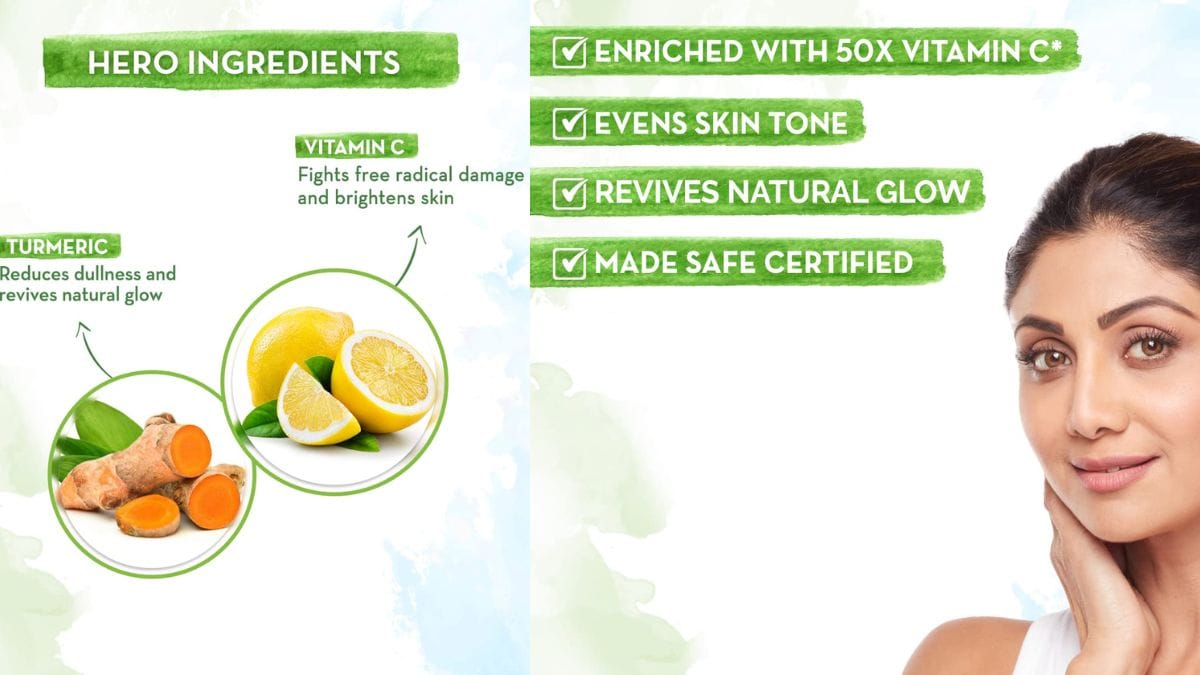
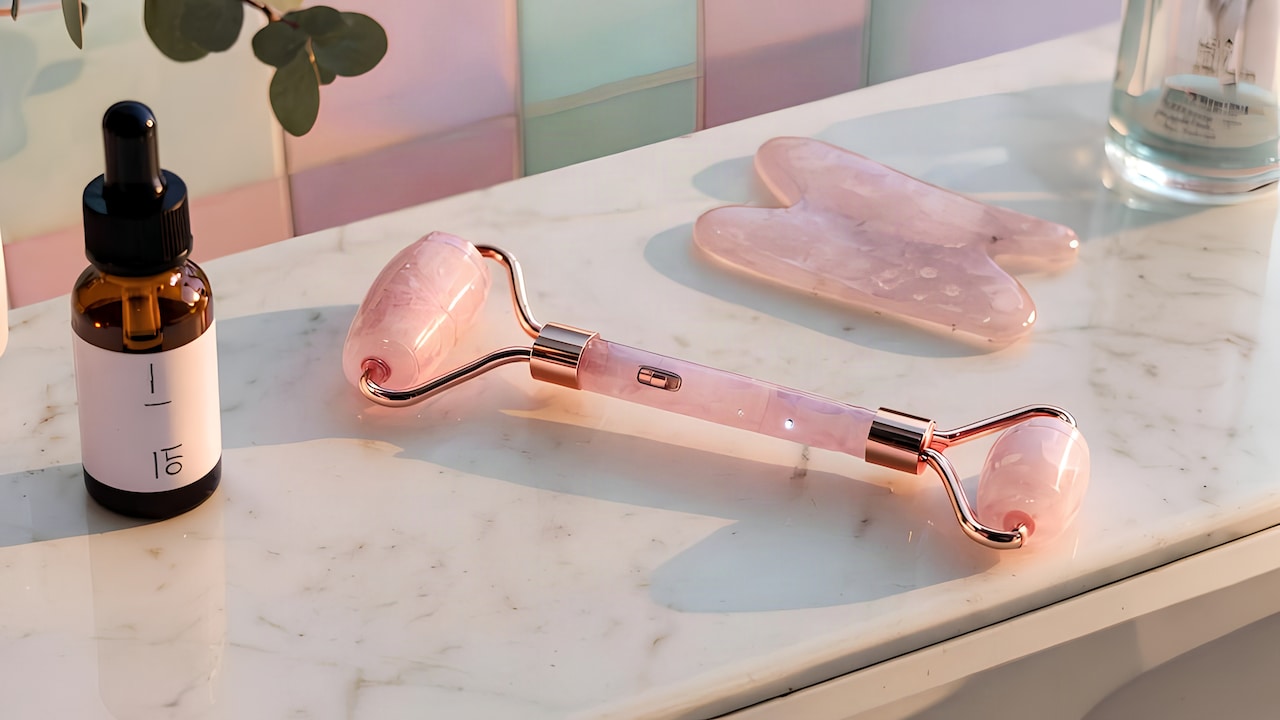
Discover how to use face serums properly to target and solve different individual skin concerns; Photo Credit: Amazon
If you're applying it at the wrong stage of your skincare routine, using too much, or layering it incorrectly, you could be getting a fraction of the benefit. Whether you're brand new to serums or just unsure you've been using yours properly, this guide walks you through everything you need to know.
Also Read: Explore The Best Face Serums For Brightening Skin And Reducing Acne Marks
How To Use A Face Serum The Right Way
A face serum is not something you just pat on and forget about. It works as part of a layered routine, and how you incorporate it makes a genuine difference to the results. Most serums are water-based, which means they sit underneath heavier creams and oils. Applying a rich moisturiser first, for example, would prevent the serum from absorbing effectively, and that defeats the purpose entirely.
The golden rule is to apply skincare products from thinnest to thickest consistency. Cleanse; tone, if you use one; then serum; and finally moisturiser. Think of the serum as the targeted treatment sitting closest to your skin, doing the heavy lifting before you seal everything in.
How To Use A Face Serum For Your Morning Routine
Step 1: Start With A Clean Face
Always use serum on freshly cleansed skin. This means that any leftover makeup, SPF, or excess oil will remain between the serum and your skin, making it much harder for the active ingredients to penetrate properly. Use a gentle face wash suited to your skin type to wash your face, then pat dry with a clean towel – don't rub.
Step 2: Use A Toner First (If You Have One)
If you are using a toner, apply it before your serum. A good toner will help balance the skin's pH levels and can help prep the skin to absorb what comes next. Some toners even contain actives such as niacinamide or hyaluronic acid, which means they work in tandem with your serum, not against it.
Step 3: Dispense The Right Amount
Less truly is more with serums. Most formulas only require two to three drops or a pea-sized amount for the whole face. Overusing a serum doesn't speed up results – it mostly just wastes product. Read the instructions on the packaging, as some serums have specific guidance.
Step 4: Warm It Between Your Palms
Press the serum between your fingertips or palms for a second or two before applying. This slight warming helps the product to spread more easily, feel more comfortable on the skin and is especially helpful with thicker serum textures.
Pat the serum into your skin with your fingertips. Don't rub it like a lotion. Start from the centre of your face and work outwards. The pressing motion helps to increase absorption without compromising the skin barrier. Let it sit for 30 to 60 seconds before moving on to your next product.
Step 5: Follow With Moisturiser
Once your serum is absorbed, seal it all in with a moisturiser. This step is important because it locks the active ingredients in the serum and on the skin while also preventing moisture loss. You can also wind up with active ingredients sitting on the surface, which can cause sensitivity – especially with vitamin C or retinol serums.
Which Serums Work Best For Different Skin Concerns
1. For Brightening: Vitamin C Serums
Vitamin C is one of the most studied brightening ingredients in skincare. It helps fade dark spots, evens out skin tone, and gives a general glow over time. La Roche-Posay Pure Vitamin C Face Serum is a well-regarded option, as is Klarna's SkinCeuticals C E Ferulic if budget allows—it remains a cult favourite for a reason.
2. For Hydration: Hyaluronic Acid Serums
If dryness or dehydration is your main concern, a hyaluronic acid serum is your best starting point. The Neutrogena Hydro Boost Hydrating Serum is an accessible everyday choice, while the Allies of Skin Molecular Hydration & Clarity Serum brings in extra actives alongside the hydration.
3. For Anti-Ageing: Retinol Serums
Retinol continues to be one of the most reliable ingredients for addressing fine lines and skin texture. Start with a low concentration if you are new to it. The RoC Retinol Correxion Line Smoothing Serum is a solid entry-level pick, and the Paula's Choice 1% Retinol Treatment is a more advanced option for those whose skin has built up tolerance.
4. For Acne-Prone Skin: Niacinamide Serums
Niacinamide is brilliant for reducing redness, regulating oil production, and minimising the appearance of pores. The Ordinary Niacinamide 10% + Zinc 1% is one of the most affordable and reliable serums on the market, and the COSRX Niacinamide 15% Face Serum offers a stronger concentration for more stubborn concerns.
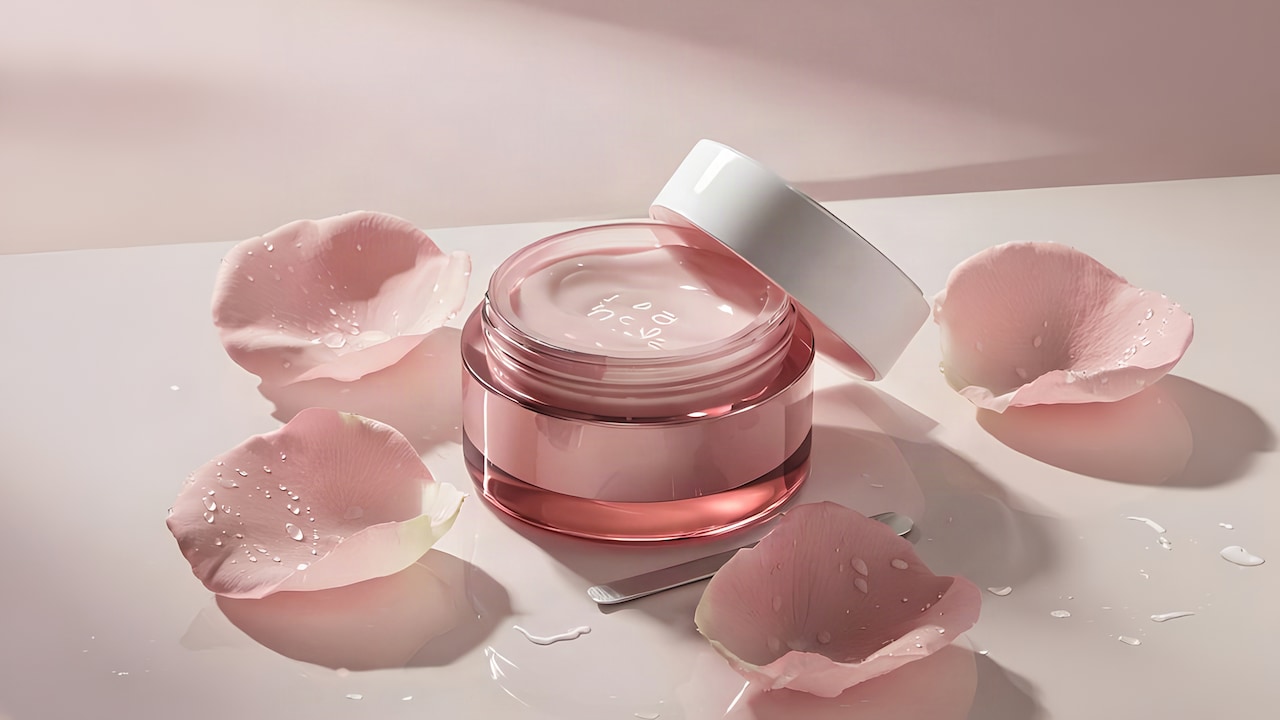
Find out which face serums actually deliver visible results when applied using the correct methods. Photo Credit: Amazon
How To Apply Face Serum At Night
Your skin does most of its repair work while you sleep, so the evening is a genuinely good time to use serums with more active ingredients like retinol, AHA/BHA blends, or peptides. Follow the same cleanse-first approach, but you can skip SPF at night and use a richer moisturiser or overnight mask to seal in the treatment.
If you are using a retinol serum, keep it for evenings only – retinol can break down in sunlight and may irritate during daytime use. Also, do not layer retinol with vitamin C or AHA exfoliants in the same routine, as that combination can be too much for most skin types.
Common Mistakes To Avoid When Using A Face Serum
Getting the technique right matters, but so does avoiding a few common habits that can reduce your serum's effectiveness. Mixing too many active serums—especially conflicting ones, like AHAs with retinol or vitamin C with niacinamide—at high concentrations can irritate or cancel each other out. If you want to use more than one serum, keep the actives gentle or alternate them across your morning and evening routines.
Storing serums improperly is another issue. Vitamin C serums are particularly unstable and should be kept away from direct sunlight and heat to prevent them from oxidising. A cool, dark spot or even the fridge works well for most active formulas.
Finally, don't expect instant results. Most serums take consistent use over four to twelve weeks before you'll notice a visible difference. Patience really is part of the process.
Some Face Serum Options You May Like
1. Pilgrim 10% Vitamin C Face Serum
2. Minimalist 10% Advanced Vitamin C Serum
B0CW1M1BC1
3. Himalaya Dark Spot Clearing Turmeric Face Serum
4. Garnier Vitamin C + Face Serum
5. Asaya Advanced Spot Pigmentation Face Serum
6. Mamaearth Vitamin C Daily Glow Face Serum
7. L'Oreal Paris Glycolic Bright 8% [Melasyl + Niacinamide] Face Serum
8. Lotus Herbals WhiteGlow Vitamin C and Gold Radiance Face Serum
Face serums give your skin the active ingredients it needs for clear, bright, glass-like results. Choose serums with hyaluronic acid, niacinamide, or vitamin C based on what your skin needs most. Apply a few drops daily after cleansing and before moisturiser for a better glow and texture. Pick the right serum for your routine and let your skin shine. Shop now on Amazon.
Frequently Asked Questions (FAQs)
1. Can I use a face serum every day?
Yes, most serums are designed for daily use. Hydrating and vitamin C serums can be used morning and evening. Retinol serums, however, are better suited to evenings only, and beginners should start with two to three times per week to let the skin build tolerance.
2. Do I use serum before or after moisturiser?
Always use serum before moisturising. Serums are thinner and should be applied directly to the skin to absorb properly. Then, apply the moisturiser on top to seal in moisture and protect the skin barrier.
3. How long does it take for a face serum to show results?
It depends on the ingredient and your skin concern, but most serums require consistent use for four to eight weeks to see results. Hydrating serums will seem effective almost immediately, whereas brightening or anti-ageing serums take time to work.
4. Can I use more than one serum at a time?
You can, but it is worth being cautious about which ones you combine. Layering two hydrating serums is generally fine. Mixing strong actives – like retinol and AHA exfoliants – in the same routine is best avoided, as it can cause irritation or sensitivity.
5. Is a face serum suitable for sensitive skin?
Many serums are beneficial for sensitive skin, particularly those containing hyaluronic acid or niacinamide. If your skin is sensitive, patch-test any new serum before applying it all over and avoid formulas with high concentrations of exfoliating acids or fragrance.
(Disclaimer: This article may include references to or features of products and services made available through affiliate marketing campaigns. NDTV Convergence Limited (“NDTV”) strives to maintain editorial independence while participating in such campaigns. NDTV does not assume responsibility for the performance or claims of any featured products or services.)