Is At-Home RF Skin Tightening Safe And Effective
Curious about at-home RF skin tightening? Find out whether it’s safe, how well it actually works, and what to look for before buying a device for home use.
Is At-Home RF Skin Tightening Safe And Effective
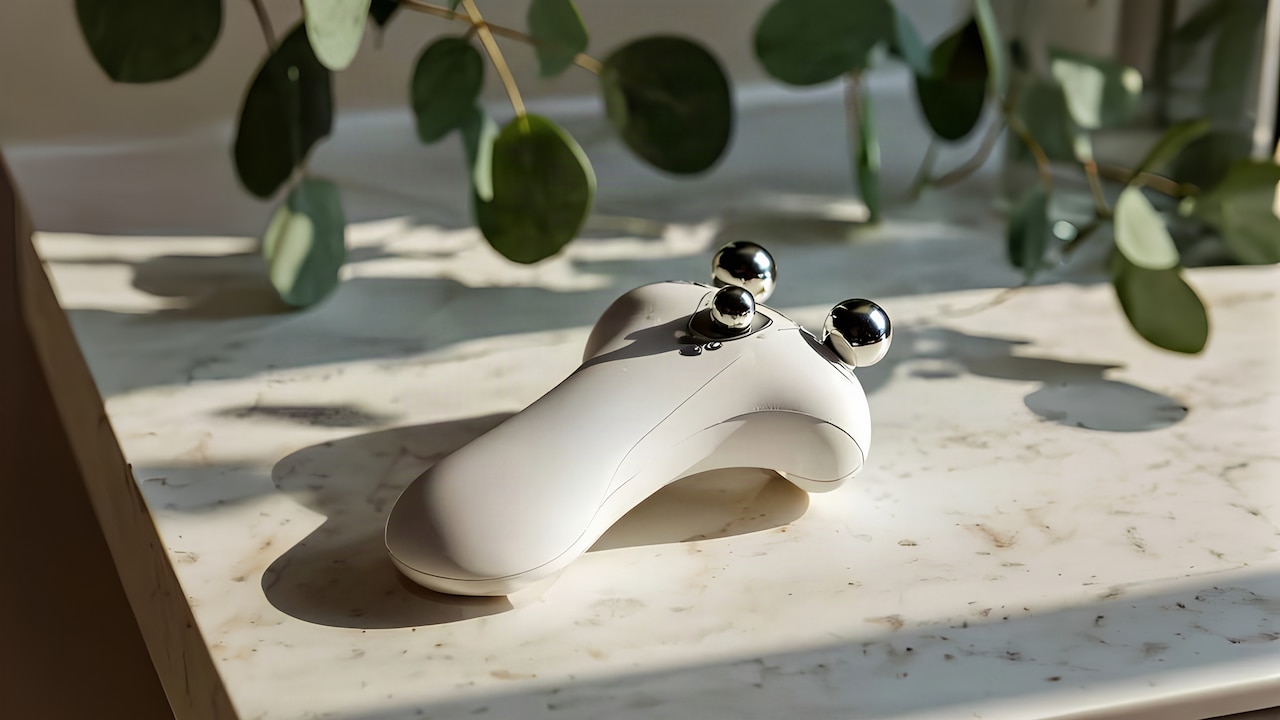
At-home RF skin tightening devices have quietly emerged as one of the more talked-about beauty gadgets in recent years. Head to Amazon, or the beauty aisle of any high street store, and you'll find a host of options that promise salon results without the clinic price tag. It's a tempting idea – firm, lifted skin, all from the comfort of your home. There are so many devices out there, though; it's worth asking whether they really do what they say they'll do, or whether the whole thing is just smart marketing dressed up in medical-sounding language.
What Is RF Skin Tightening And How Does It Work
Photo Credit: iStock
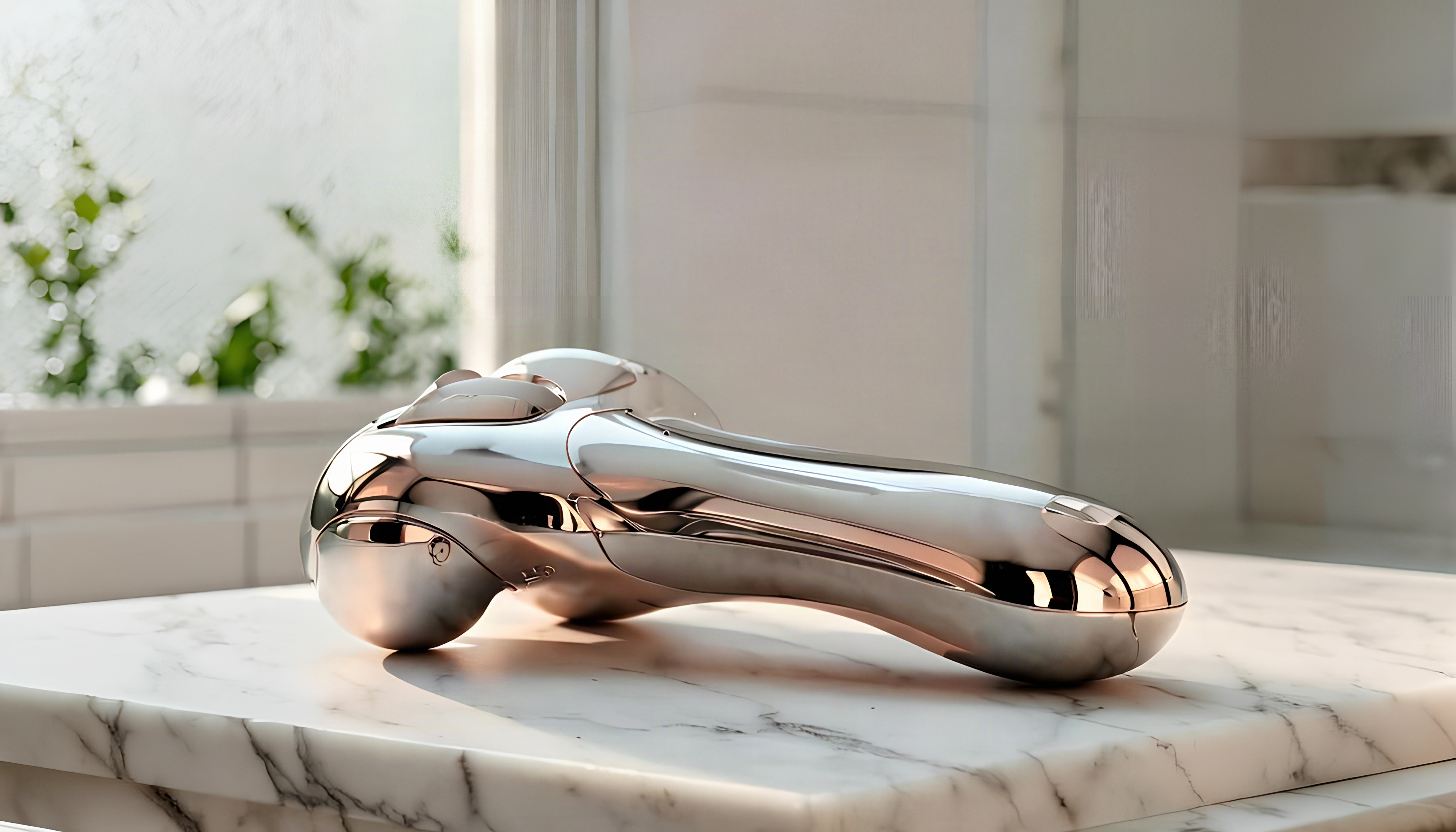
For most people, the larger question isn't what the results mean — it's one of safety. RF stands for radiofrequency energy, and it heats the deeper layers of the skin. That raises concern about whether it's safe for daily use at home without a professional's supervision.
What Is RF Skin Tightening And How Does It Work
1. The Science Behind Radiofrequency Energy
Radiofrequency technology basically delivers controlled heat energy to the deeper layers of the skin, specifically targeting the dermis. The heat also encourages the production of collagen and causes the existing collagen fibres to contract slightly. Over time this process can help the skin look tighter and more toned. The basic principle is the same as for the pro clinic treatments, but the machines in professional settings are typically at higher energy levels than those at home.
2. How At-Home Devices Differ From Clinic Treatments
These are devices that are designed to work at lower frequencies and energy outputs than clinical devices. This makes them safer for self-use but also means that the results tend to be more gradual. Visible change can often be seen in a clinic session after one or two visits; however, home devices typically take several weeks of regular use before visible improvement is noted.
Is At-Home RF Skin Tightening Actually Safe
1. General Safety For Most Skin Types
At-home RF devices are considered safe for most people when used as directed. Most popular devices come with built-in sensors to help prevent overheating and have auto-shut-off features to reduce the chances of getting burnt. That said, people with certain conditions, such as active skin infections, rosacea or metal implants near the area to be treated, are generally advised to avoid RF treatments altogether.
2. Risks Worth Knowing Before You Start
Mild redness and warmth immediately after treatment are common and usually resolve within an hour or two. The more serious side effects, like burns or uneven skin texture, tend to happen when devices are misused — either held in one spot for too long or used on the highest setting without working up gradually. Here, reading the instructions properly is not optional; it really matters.
3. Who Should Avoid RF Devices At Home
Pregnant women, people with pacemakers or other electronic implants, and people who are actively receiving cancer treatment should avoid using RF devices altogether. If there is any doubt, it is more sensible to consult a dermatologist before purchasing rather than experimenting and dealing with the consequences later.
How Effective Are At-Home RF Devices
1. What Results Look Realistic To Expect
At-home RF devices can provide real, visible results – but it's best to set expectations from the get-go. Most users state that after four to eight weeks of regular use, fine lines appear softer, the skin feels slightly firmer and the texture is more even. Professional-level equipment is generally needed for major lifting or dramatic tightening, the kind often featured in before-and-after ads.
2. Consistency Matters More Than Frequency
I find that regular use of an RF device (i.e., 2 or 3 times a week) is more effective than occasional, concentrated sessions. “Collagen remodelling is a slow process by nature, so patience does really play a role here. Skipping weeks and then overcompensating does not speed up results; it just disrupts the process.
Also Read: Festive Glow Starts Here: Top 5 Skincare Essentials You Need Before The Celebrations From Amazon
Tips For Getting The Most From At-Home RF Treatment
1. Prep Your Skin Properly
For best results, use RF treatment on clean bare skin. Any residual makeup, SPF or heavy creams may interfere with the way the energy travels through the skin. Most devices also recommend using a conductive gel beforehand; without it, the treatment may be less effective or the heat distribution uneven.
2. Pair It With A Good Skincare Routine
If you have a good skincare routine, RF treatment is more effective. Using a good vitamin C serum asserum, along with a retinol or peptide moisturiser,ly can help support the collagen-building process and make results more visible over time. RF alone is not a shortcut; think of it as one useful layer in a broader skin health routine.
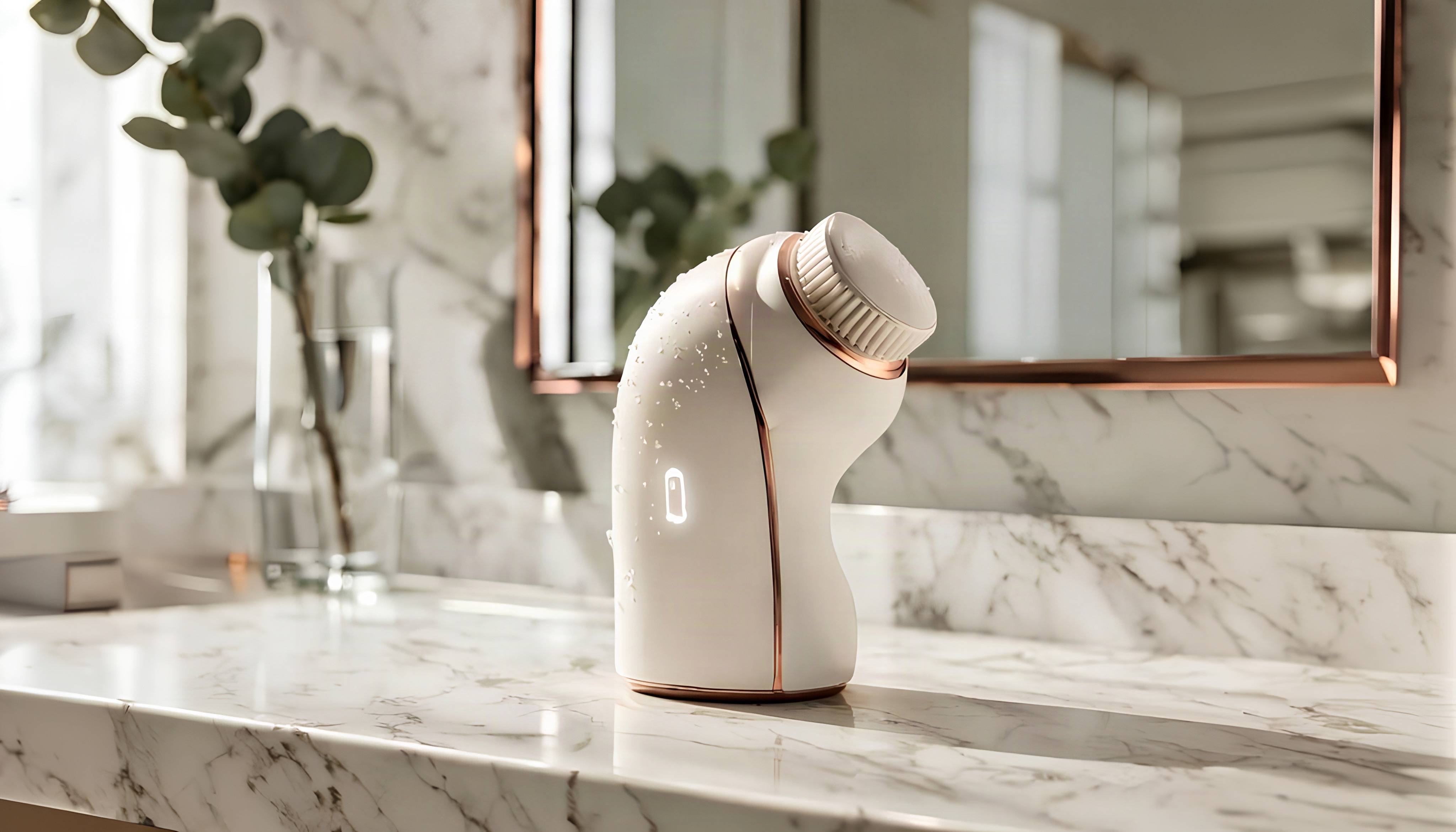
Some Products You May Like
Photo Credit: iStock
Some Products You May Like
1. PROTOUCH GLOW PRO Microcurrent Facial Toning Device
2. 4beauty Therapy Radio Frequency Skin Tightening Facial and Body 2 In 1 RF Lifting Machine
3. ENLIWISH 4-in-1 Skincare Red Light Therapy Wand
4. Brago 7-in-1 EMS Face & Neck Massager
5. SDERMATECH Mini Ultrasonic 2-in-1 Facial Cleanser Machine
6. RAIA Dermalift Skin Tightening Wrinkle Remover Face Massager
7. Pakerler Radio Frequency Cellulite Reduction Body Care Device
8. Effora's Facial Massager 5-in-1 Spa Wand
At-home RF skin tightening devices can be a convenient option for those looking to improve skin firmness without visiting a clinic, but results are usually gradual and less dramatic than professional treatments. When used correctly and consistently, these devices may help enhance skin elasticity and reduce the appearance of mild sagging over time. However, safety depends on following the manufacturer's instructions and choosing a device from a reputable brand. Understanding both the benefits and limitations of at-home RF treatments can help you set realistic expectations and decide whether this non-invasive approach is the right fit for your skincare goals.
Frequently Asked Questions (FAQs)
1. How often should at-home RF treatment be used?
For most devices, two to three sessions per week are recommended. Overuse of a product will not speed up its effects and may just irritate your skin.
2. Can RF tighten loose skin significantly?
Mild to moderate laxity has a better response than severe sagging. At-home devices are not a replacement for surgical or clinical-grade treatments.
3. Is it safe to use RF around the eyes?
Some devices include attachments for the eye area, but be sure to check the manufacturer's guidance. Softer, more sensitive skin.
4. How long before results appear?
Most users will notice a difference after consistent use for 4 to 6 weeks, with more and more improvement seen by the 8 to 12 week mark.
5. Are expensive RF devices always better?
Not necessarily. While price can be an indicator of build quality and added features, the most important thing to consider is if the device is FDA-cleared or CE-marked and if it is suitable for your skin type.
(Disclaimer: This article may include references to or features of products and services made available through affiliate marketing campaigns. NDTV Convergence Limited (“NDTV”) strives to maintain editorial independence while participating in such campaigns. NDTV does not assume responsibility for the performance or claims of any featured products or services.)