Learn How To Choose The Best Mascara That Will Not Smudge By Midday
Smudged mascara by lunchtime? Learn how to choose long-lasting formulas that survive heat, humidity, and long days, with practical tips to keep lashes fresh and defined till evening. Check out these top 10 tips that can help you find smudge-proof mascaras.

Smudge-Free Mascara Guide: All That You Need to Look For Before Buying.
Mascara holds a special place in everyday makeup. A single swipe can open up tired eyes, add confidence, and make a face look fresh within seconds. Yet many people face the same frustrating problem: mascara smudging by midday. Heat, sweat, oily lids, long office hours, and even emotional Bollywood scenes can all play their part.
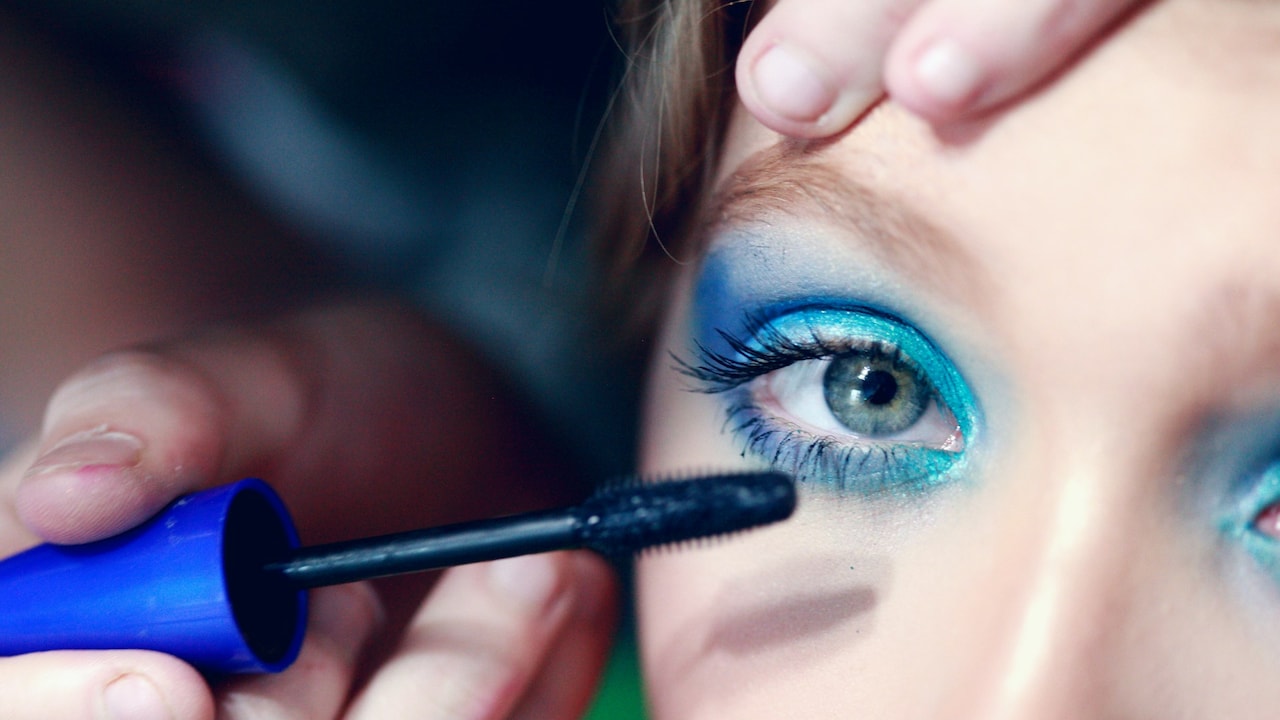
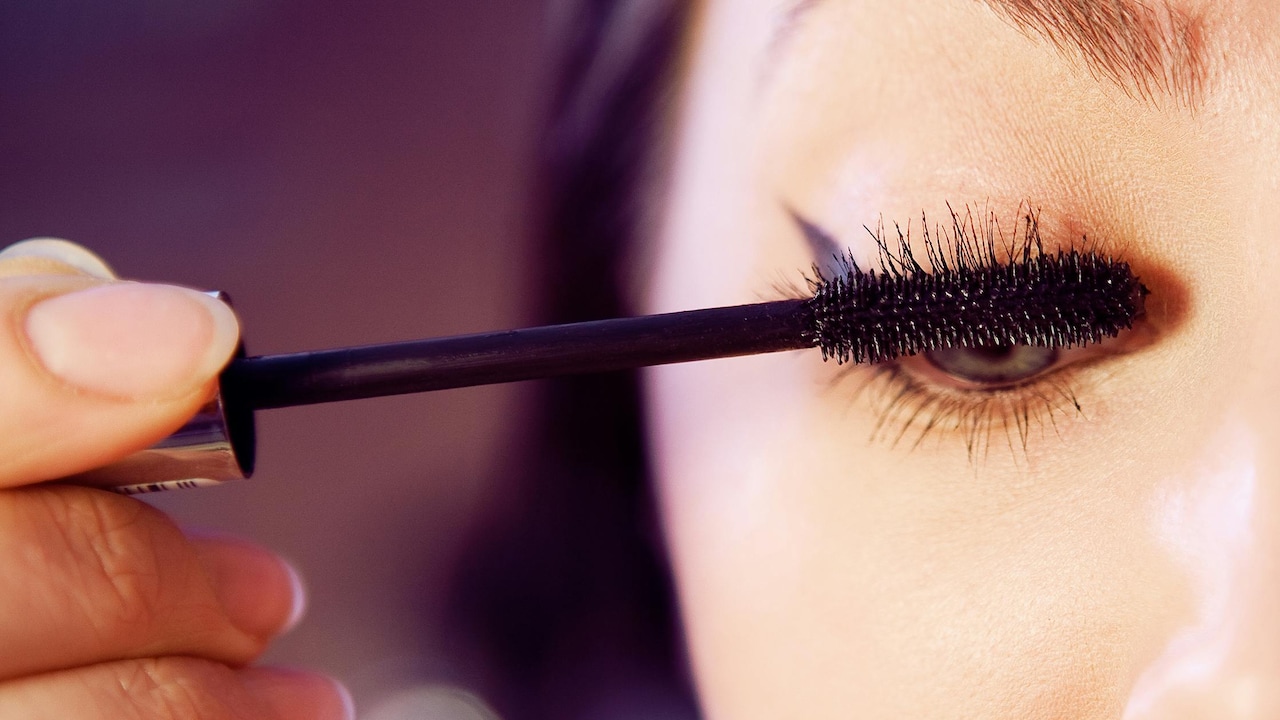
Easy tips to shop mascaras that don't smudge easily; Photo Credit: Pexels
Choosing the right mascara often feels like guesswork. Shelves overflow with options claiming “all-day wear” or “smudge-proof magic.” Some work beautifully, while others melt away faster than roadside kulfi in May. Understanding what actually keeps mascara in place makes all the difference.
This article unpacks the details in a simple, friendly way. Think of it as advice shared over cutting chai, minus the sales pitch. From formulas to brushes and habits that matter more than price tags, here's how to find a mascara that behaves itself till evening tea.
Also Read: From Vibrant Blue To Playful Pink: Explore Colourful Mascara You Need To Try For A Fun Look
Key Factors to Consider Before Buying a Long-Lasting Mascara
1. Understand Why Mascara Smudges in the First Place
Mascara smudging rarely happens without reason. Heat, humidity, and natural oils around the eyes often cause the problem. Many eyelids produce oil during the day, even when the rest of the face feels dry. When mascara meets oil, it tends to travel.
Rubbing eyes also causes trouble. Dust, pollution, and long screen hours make eyes itchy. One unconscious swipe can undo hours of careful makeup. Sweat plays a role too, especially during crowded commutes or summer afternoons.
Formula matters more than most realise. Creamy mascaras glide beautifully but often lack staying power. Heavy layers can worsen the issue by weighing lashes down. Even skincare products, like rich eye creams, can interfere if applied too close to the lash line.
Once the causes become clear, choosing smarter solutions feels easier. Instead of blaming lashes or weather, focus shifts to products designed to resist these daily realities. That small change saves both money and patience.
2. Pick the Right Formula, Not the Flashiest Claim
Mascara formulas vary more than packaging suggests. Waterproof versions resist sweat and tears, making them popular for long days. However, they can feel stiff and tricky to remove. Tubing mascaras offer a clever alternative. They wrap each lash in tiny tubes that stay intact until washed off with warm water.
Oil-free formulas work well for oily lids. They prevent breakdown during the day. Matte mascaras also tend to smudge less than glossy ones. Gloss often looks glamorous but shifts easily in humid conditions.
Avoid formulas that promise too many benefits at once. Length, volume, curl, conditioning, and waterproof claims packed into one tube often mean compromise somewhere. Simple, focused formulas usually perform better.
Testing matters. A quick swipe on the wrist never tells the full story. Lashes behave differently. When possible, wear a new mascara for a full day before trusting it for important occasions. That trial run reveals more than any label.
3. The Wand Shape Can Make or Break Wear Time
The wand often gets ignored, yet it plays a huge role. Thick, fluffy wands deposit more product, which increases the risk of smudging. They suit dramatic looks but struggle in everyday wear.
Slim wands offer better control. They coat lashes evenly and prevent clumps. Rubber or silicone brushes grip lashes well and separate them without excess product. Curved wands lift lashes, reducing contact with skin during blinking.
Short lashes benefit from comb-style brushes. They define without dragging the product onto the lids. Lower lashes need extra care. Using a smaller wand or wiping excess mascara before application helps avoid panda eyes.
Think of the wand as a tool, not an accessory. A simple design often works better than elaborate shapes. The goal remains a clean application with minimal product touching the skin. That alone cuts smudging significantly.
4. Check Ingredients Like a Skincare Pro
Ingredients matter more than marketing slogans. Waxes like carnauba and beeswax add structure and help mascara set firmly. Polymers improve flexibility and hold. These ingredients resist flaking and smearing throughout the day.
Avoid mascaras with heavy oils, high on the list. Oils soften formulas and cause migration. Some nourishing ingredients sound appealing, but suit night serums better than day makeup.
Sensitive eyes benefit from fragrance-free formulas. Irritation leads to rubbing, which leads to smudging. Natural extracts may sound gentle, but can still trigger reactions for some.
Reading labels feels tedious at first, but it becomes second nature. Once a few reliable ingredients become familiar, spotting a good formula takes seconds. Healthy lashes and clean under-eyes make the effort worthwhile.
5. Price Does Not Always Decide Performance
Many believe only expensive mascaras stay put. Reality tells a different story. Several budget-friendly options perform brilliantly, even under tough conditions. Some high-end mascaras focus more on a luxury feel than durability.
Drugstore mascaras often test well in hot climates. Brands design them for daily wear and crowded commutes. Spending ₹300–₹600 can deliver excellent results. Paying more may offer nicer packaging or softer texture, but not always better wear.
That said, extremely cheap formulas may lack balance. They can flake or irritate eyes. A middle-ground price usually hits the sweet spot.
Instead of chasing trends, rely on reviews from people with similar needs. Office workers, students, and travellers often share honest feedback. Their experiences reveal which mascaras survive long days without drama.
Explore mascaras in different budgets to compare performance; Photo Credit: Pexels
6. Application Technique Matters More Than Expected
Even the best mascara fails with poor application. Start with clean, dry lashes. Any leftover oil or cream invites smudging. Curl lashes before applying mascara, not after. Curling later cracks the formula.
Apply thin layers. One light coat, let it set, then add another if needed. Thick layers stay wet longer and transfer easily. Wiggle the wand at the base, then sweep upward to reduce product near the lid.
Avoid pumping the wand. That pushes air inside and dries the formula unevenly. Instead, twist gently to pick up the product.
For extra insurance, dust a tiny amount of translucent powder under the eyes. It absorbs oil and catches stray flakes. Small habits like these turn an average mascara into a reliable one.
7. Lower Lashes Need a Different Strategy
Lower lashes cause most smudging issues. They sit close to the skin and move constantly. Using the same mascara as the upper lashes often leads to disappointment.
Choose a lightweight or tubing mascara for lower lashes. Some even skip mascara there entirely for a cleaner look. When applying, wipe most product off the wand. Touch lashes lightly instead of sweeping.
Waterproof formulas work well here, even if the upper lashes use something gentler. Mixing formulas creates balance. Precision trumps drama on the lower lash line.
Keeping lower lashes subtle also brightens the face. Heavy product drags eyes down and highlights darkness. A restrained approach looks polished and lasts longer through the day.
8. Climate and Daily Routine Should Guide Choices
Weather and lifestyle influence mascara choices more than trends. Humid summers demand stronger formulas. Monsoons test waterproof claims daily. Air-conditioned offices dry lashes, while outdoor work increases sweat.
Long commutes, workouts, and festive gatherings all add stress to makeup. Someone stepping out for ten hours needs more hold than someone working from home.
Seasonal rotation helps. Keep one mascara for daily wear and another for heavy-duty days. This prevents overuse and extends product life.
Understanding routine patterns makes selection smarter. Mascara should support the day, not fight it. Once it matches real life, midday mirror checks become less stressful.
9. Storage and Shelf Life Affect Performance
Mascara changes over time. Old formulas dry out and flake. Using mascara beyond three to six months increases smudging and eye irritation.
Store tubes away from heat and sunlight. Leaving them in handbags or cars ruins texture. Always close the cap tightly to prevent air exposure.
If mascara smells odd or feels sticky, discard it. No savings justify eye discomfort. Fresh formulas apply more smoothly and set faster.
Cleaning the wand occasionally helps too. Wipe it with a tissue to remove buildup. A clean brush delivers even application and reduces clumps that lead to smears.
Good storage habits keep mascara dependable till the last swipe.
10. Removal Matters as Much as Wear
Harsh removal damages lashes and irritates eyes. Irritation causes rubbing the next day, which leads to smudging. Gentle removal supports long-term results.
Use a dedicated eye makeup remover. For tubing mascaras, warm water and gentle pressure work well. Avoid tugging or scrubbing.
Hold a soaked cotton pad over closed eyes for a few seconds. Let the product dissolve, then wipe softly. This method removes mascara without stress.
Healthy lashes hold mascara better. Breakage and gaps make the application uneven. Treat removal as part of the routine, not an afterthought. Calm eyes and strong lashes make every mascara perform better the next day.
Products Related To This Article
1. MAYBELLINE NEW YORK Colossal Waterproof Mascara
2. MARS 2in1 Volumizing and Lengthening Long Lasting Mascara 15 ml
3. Renee Everyday 2X Mascara, Long Lasting, Waterproof
4. Lakmé Eyeconic Volume Mascara 8.5 ml
5. Pilgrim Mega Volume Waterproof Mascara High-definition Volume Smudge-proof 5 ml
Smudge-free mascara does not require magic or endless spending. It calls for understanding lashes, lids, climate, and daily habits. The right formula, wand, and technique together create lasting results.
Small changes, like lighter layers or better lower lash choices, deliver big improvements. Paying attention to ingredients and storage keeps products working as promised.
With thoughtful selection and mindful application, mascara can stay exactly where it belongs. Eyes remain fresh, confidence stays intact, and mirrors stop feeling like enemies by lunchtime.
(Disclaimer: This article may include references to or features of products and services made available through affiliate marketing campaigns. NDTV Convergence Limited (“NDTV”) strives to maintain editorial independence while participating in such campaigns. NDTV does not assume responsibility for the performance or claims of any featured products or services.)