Makeup That Looks Good in Real Life vs Camera: The Hidden Difference
Makeup can look flawless in real life yet completely different on camera. From lighting to textures, this piece uncovers why that happens and how to balance both worlds effortlessly.
Makeup That Looks Good in Real Life vs Camera: The Hidden Difference
Makeup has always been a quiet storyteller. A soft blush suggests freshness, a bold lip commands attention, and a hint of kajal carries nostalgia. Yet, the same carefully applied look that feels just right in front of a mirror can appear flat, harsh, or oddly exaggerated when captured on camera. This contrast often confuses even seasoned makeup lovers.
The difference lies not in skill alone, but in how light, lenses, and textures interact with the skin. What feels subtle in real life may vanish under bright lighting, while what looks dramatic in photos might seem overdone in daylight. Social media has further blurred this boundary, setting expectations that rarely align with everyday reality.
Understanding this hidden divide offers more than technical insight; it changes how makeup is approached. It allows for smarter choices, fewer disappointments, and perhaps a little more confidence when stepping out, whether for a casual outing or a festive celebration.
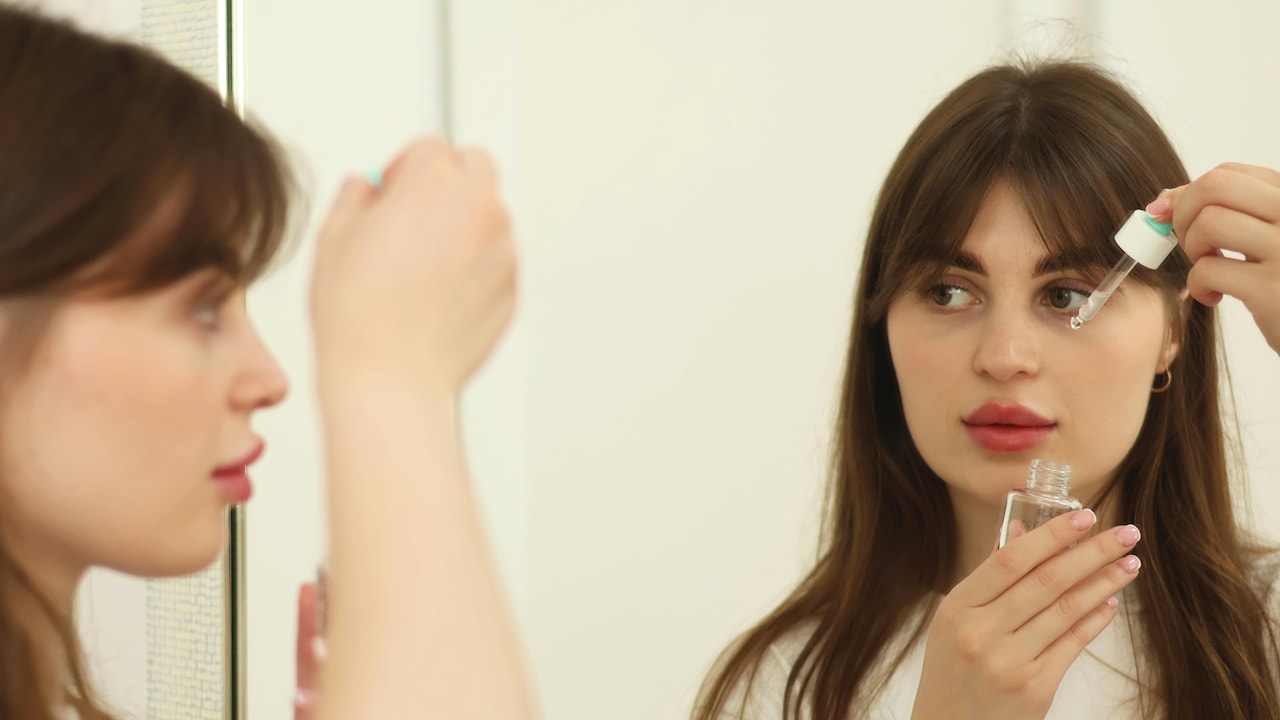
Makeup That Looks Good in Real Life vs Camera: The Hidden Difference; Photo Credit: Pexels
Where Reality Meets The Lens: Breaking Down The Difference
The Role Of Lighting In Makeup Perception
Lighting changes everything. A warm yellow bulb in a cosy room softens features and adds a gentle glow, making minimal makeup appear richer. Step into harsh white lighting, and suddenly every contour, every shimmer, becomes more pronounced. On camera, especially under studio or ring lights, the intensity multiplies.
Cameras tend to flatten features. This is why contouring appears lighter in photos than it does in real life. A sculpted cheekbone that looks sharp in person may barely register on screen unless amplified. Conversely, a light hand with a highlighter may disappear entirely on camera but look perfectly luminous in natural light.
Many have experienced the surprise of seeing wedding photos where the makeup appears heavier than expected. That is often intentional. Photographers rely on stronger makeup to ensure features remain defined under intense lighting conditions. Without it, faces can look washed out.
The key lies in recognising the setting. Makeup meant for a brunch at a café needs a different approach than makeup designed for a photoshoot or evening function under bright lights.
Foundation Finish: Skin-Like Vs Camera-Ready
Foundation forms the base of any makeup look, yet its finish behaves differently depending on context. In real life, a skin-like finish, with visible texture and natural sheen, appears fresh and believable. It allows expressions to breathe and feels comfortable throughout the day.
On camera, however, this same finish can look uneven or too shiny. Cameras often pick up reflections, especially in humid conditions, making the skin appear oily even when it is not. This is why matte or semi-matte foundations dominate camera-ready makeup.
There is also the matter of coverage. Light coverage works beautifully in person, allowing freckles and natural skin tones to show through. On camera, though, uneven pigmentation or redness may become more noticeable. As a result, higher coverage foundations are often chosen for shoots or events where photos are expected.
The trick lies in balance. Too matte, and the skin looks lifeless in person. Too dewy, and the camera exaggerates shine. Understanding this delicate equilibrium helps in choosing the right finish for each occasion.
Also Read: 5 Best Easy-to-Use Makeup Essentials for Everyday Looks
Contour And Highlight: Subtle Sculpting Vs Dramatic Definition
Contouring in real life is about illusion. A gentle shadow under the cheekbone, a slight definition along the jawline, these touches enhance natural structure without drawing attention to themselves. When done well, it is barely noticeable.
On camera, subtlety often disappears. The lens tends to flatten the face, reducing depth. To counter this, contouring needs to be slightly more pronounced. What looks dramatic in the mirror often translates as natural in photographs.
Highlighting follows a similar pattern. A soft glow on the high points of the face looks radiant in person. On camera, especially with flash, that glow can either vanish or appear overly intense, depending on the product and placement.
There is a reason why bridal makeup artists often go heavier with contour and highlight. The goal is not exaggeration but preservation, ensuring facial dimensions remain visible even after being filtered through the lens.
Blush Placement And Intensity Differences
Blush carries emotion. A hint of pink or peach can make the face look lively and youthful. In real life, a light application often suffices, especially in daylight, where natural warmth already exists.
On camera, blush tends to fade. What looks vibrant in person may barely show up in photos. This is why makeup artists often layer blush or choose more pigmented formulas for events that will be photographed.
Placement also plays a role. A higher placement can lift the face in photos, while a more traditional placement on the apples of the cheeks looks softer and more natural in person. The choice depends on the desired effect and the setting.
There is also a cultural familiarity with rosy cheeks during festive occasions. Yet, without adjusting the intensity for the camera, that festive glow may not translate as expected in pictures.
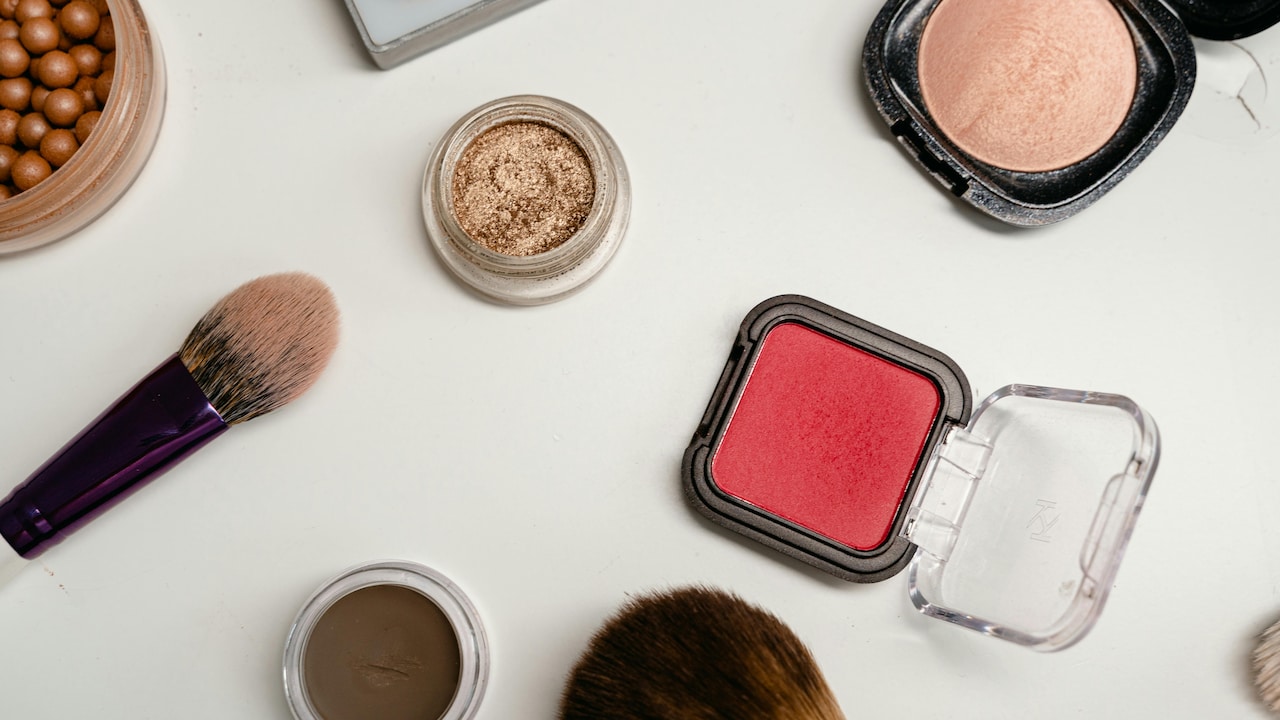
Makeup That Looks Good in Real Life vs Camera: The Hidden Difference; Photo Credit: Pexels
Eye Makeup: Definition Versus Wearability
Eyes often become the focal point of any look. In real life, softer shades and gentle blending create a pleasing, wearable appearance. Heavy eyeliner or bold eyeshadow may feel overwhelming in everyday settings.
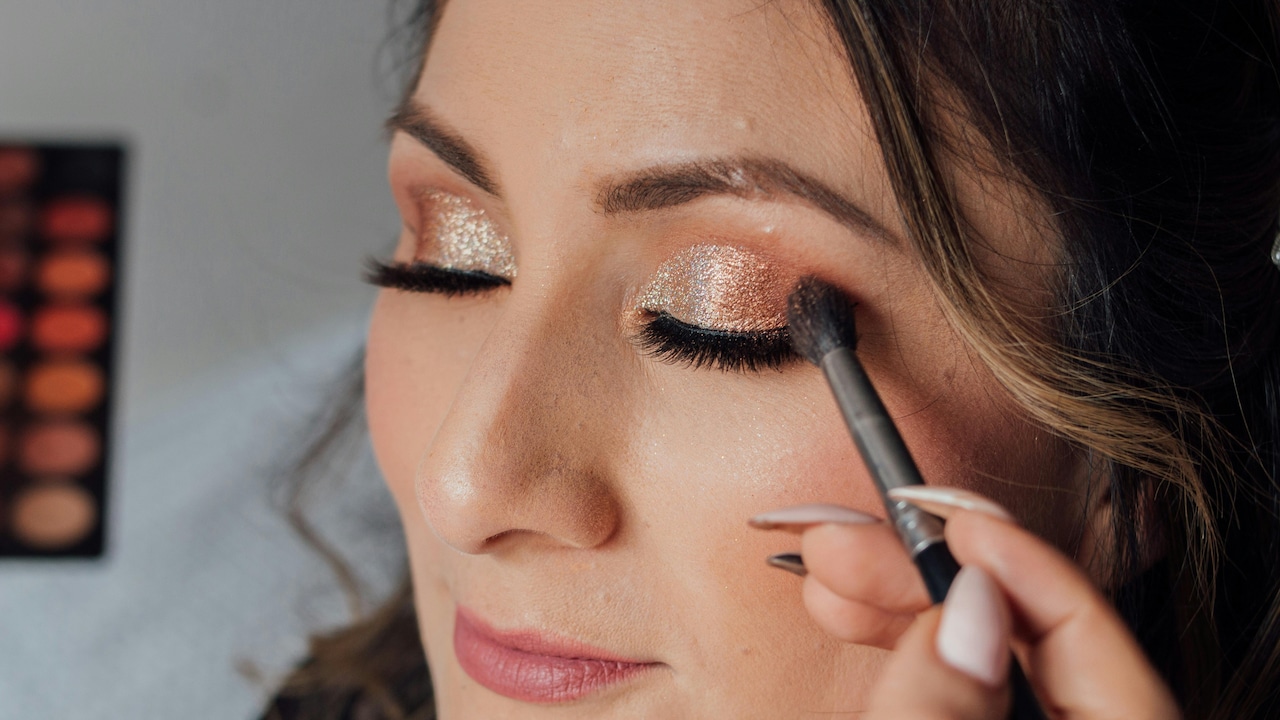
On camera, however, subtle eye makeup can disappear. Eyelashes may look sparse, and eyeshadow may blend into the skin tone. This is why a stronger definition, darker liner, fuller lashes, and deeper shadows are often used for shoots or events.
Kajal, for instance, looks striking in person even with a light application. On camera, though, it may require layering to maintain its intensity. Similarly, mascara that looks adequate in the mirror might not be enough to define lashes in photos.
The difference lies in visibility. Cameras demand clarity, while real life appreciates subtlety.
Lip Colour Choices: Bold Versus Balanced
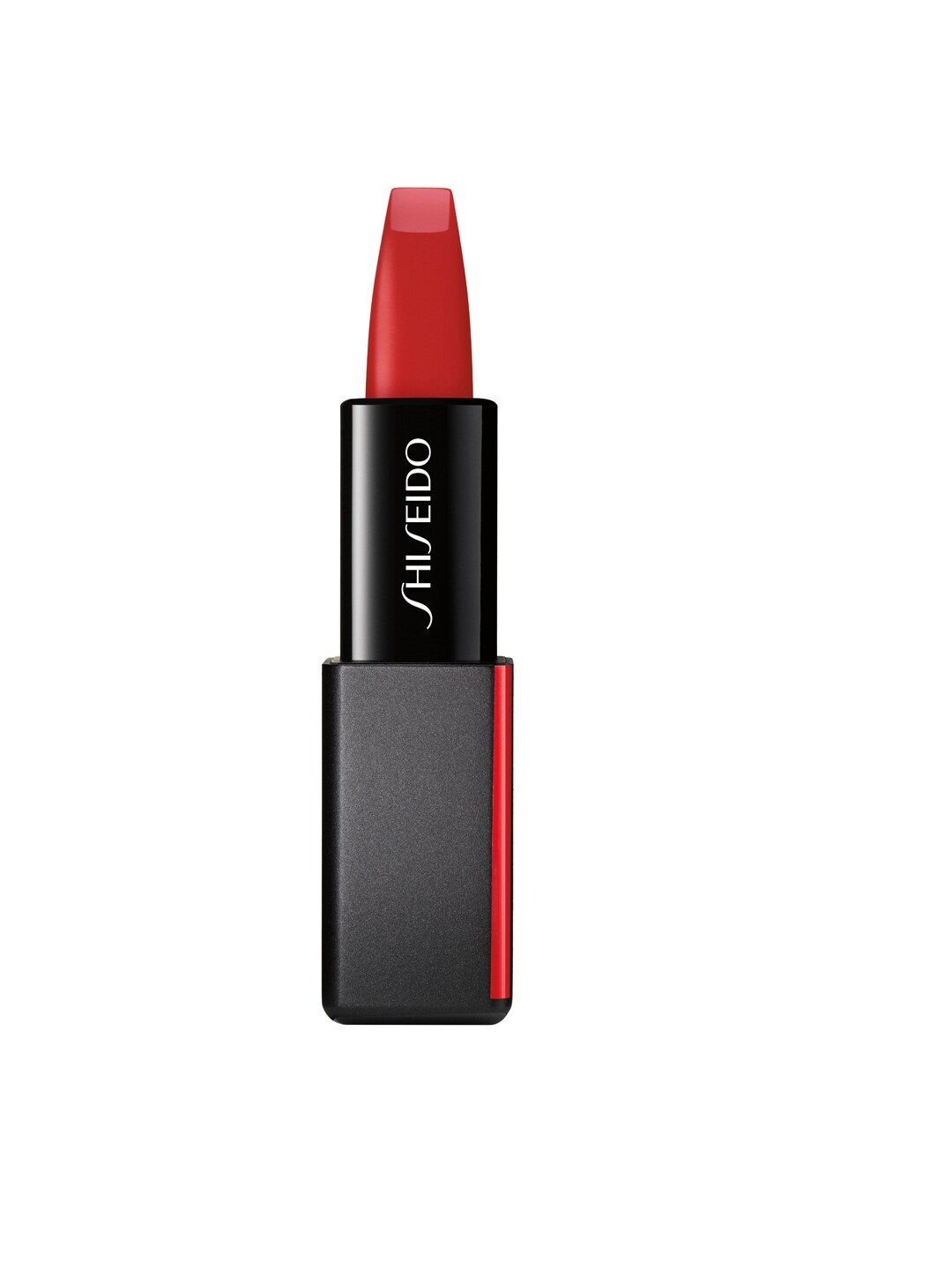
Lip colours behave in fascinating ways across different settings. A bold red or deep berry can feel dramatic in real life, especially during the day. Yet, on camera, these shades often appear more toned down.
Nude lipsticks present the opposite challenge. They look elegant and understated in person but may wash out the face in photos, particularly under bright lighting. This is why slightly deeper or more defined lip shades are often chosen for photography.
Texture matters as well. Glossy lips catch light beautifully in person, but can create unwanted reflections on camera. Matte finishes, though less reflective, provide better colour payoff in photographs.
The right choice depends on the occasion. A casual day out may call for a comfortable, natural lip, while an event with cameras around may benefit from a more defined shade.
The Impact Of Texture And Products On Camera
Texture plays a silent yet powerful role. Products that look smooth in person may reveal unexpected details under high-resolution cameras. Fine shimmer, for example, can appear uneven or overly sparkly when photographed.
Cream products tend to blend seamlessly into the skin, offering a natural finish in real life. Powder products, while effective for controlling shine, may look heavy or cakey on camera if overused.
There is also the issue of flashback. Certain powders, especially those with silica, can reflect light and create a white cast in photos. This often surprises many when viewing event pictures.
Choosing products with both texture and lighting in mind helps avoid these pitfalls. It ensures that makeup looks cohesive, regardless of how it is viewed.
Makeup Longevity: Real Life Wear Vs Camera Durability
Makeup in real life needs to last through daily activities, heat, humidity, and long hours. Comfort becomes a priority. Lightweight formulas and breathable layers often work best.
For camera settings, durability takes on a different meaning. Makeup must remain intact under strong lighting and constant attention. This often requires heavier layering, setting sprays, and touch-ups.
There is a familiar scenario during festive seasons where makeup looks perfect at the start but fades by the time photos are taken. This highlights the importance of adapting products based on the event's demands.
Longevity is not just about lasting longer; it is about maintaining the intended look across different conditions.
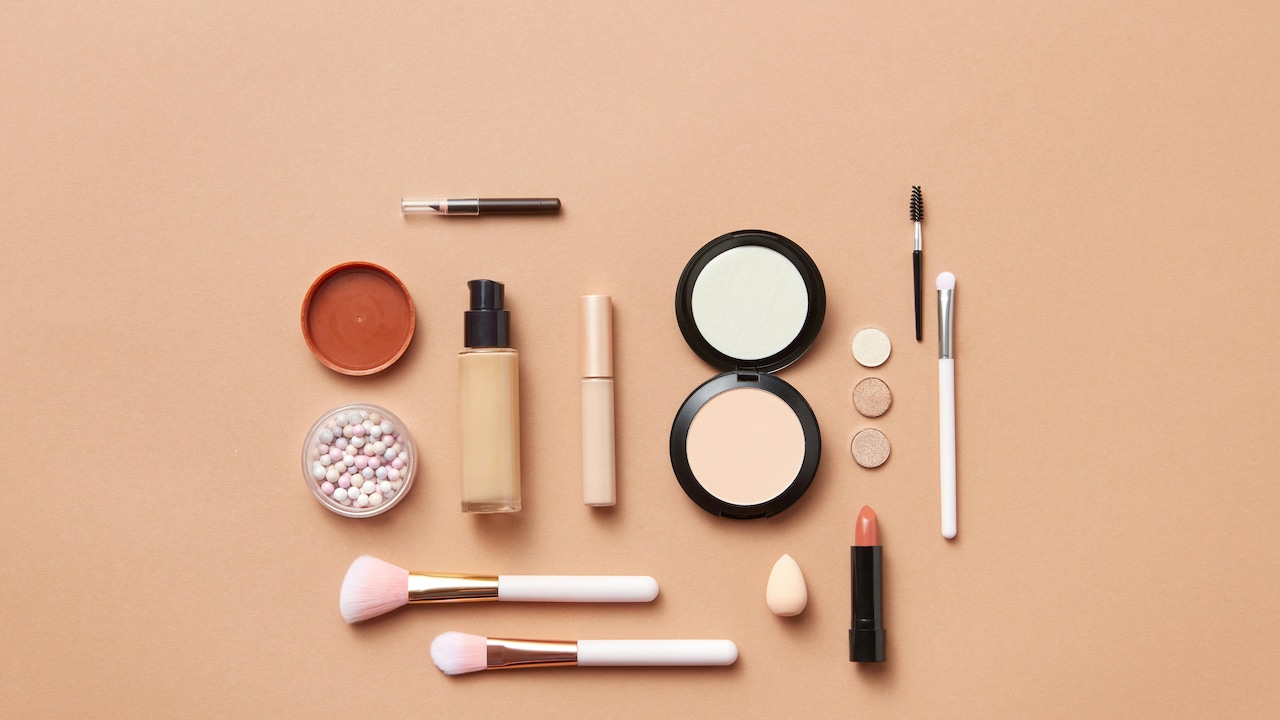
Makeup That Looks Good in Real Life vs Camera: The Hidden Difference; Photo Credit: Pexels
Cultural Expectations And Social Media Influence
Social media has reshaped perceptions of beauty. Perfectly lit selfies and filtered images create a standard that rarely reflects real-life appearances. This often leads to confusion when makeup looks different outside the screen.
There is also a growing expectation for makeup to perform in both worlds simultaneously. A look should feel natural in person yet appear flawless on camera. Achieving this balance requires understanding rather than imitation.
Festive occasions, weddings, and celebrations often highlight this contrast. A look inspired by online trends may not always suit real-life settings without adjustment.
Recognising the influence of digital platforms helps in making more informed choices. It allows for creativity without losing touch with reality.
Finding The Balance Between Both Worlds
Striking the right balance is less about rules and more about awareness. It involves knowing when to soften and when to intensify. A daytime gathering may call for a lighter touch, while an evening event with photography may benefit from added definition.
Experimentation plays a key role. Trying different finishes, adjusting intensity, and observing how makeup appears in various lighting conditions can offer valuable insights.
There is also comfort to consider. Makeup should enhance, not overwhelm. Feeling at ease often reflects more than any contour or highlight ever could.
Ultimately, makeup is personal. It adapts to mood, occasion, and environment. Understanding its behaviour across different settings simply adds another layer of mastery.
Products Related To This Article
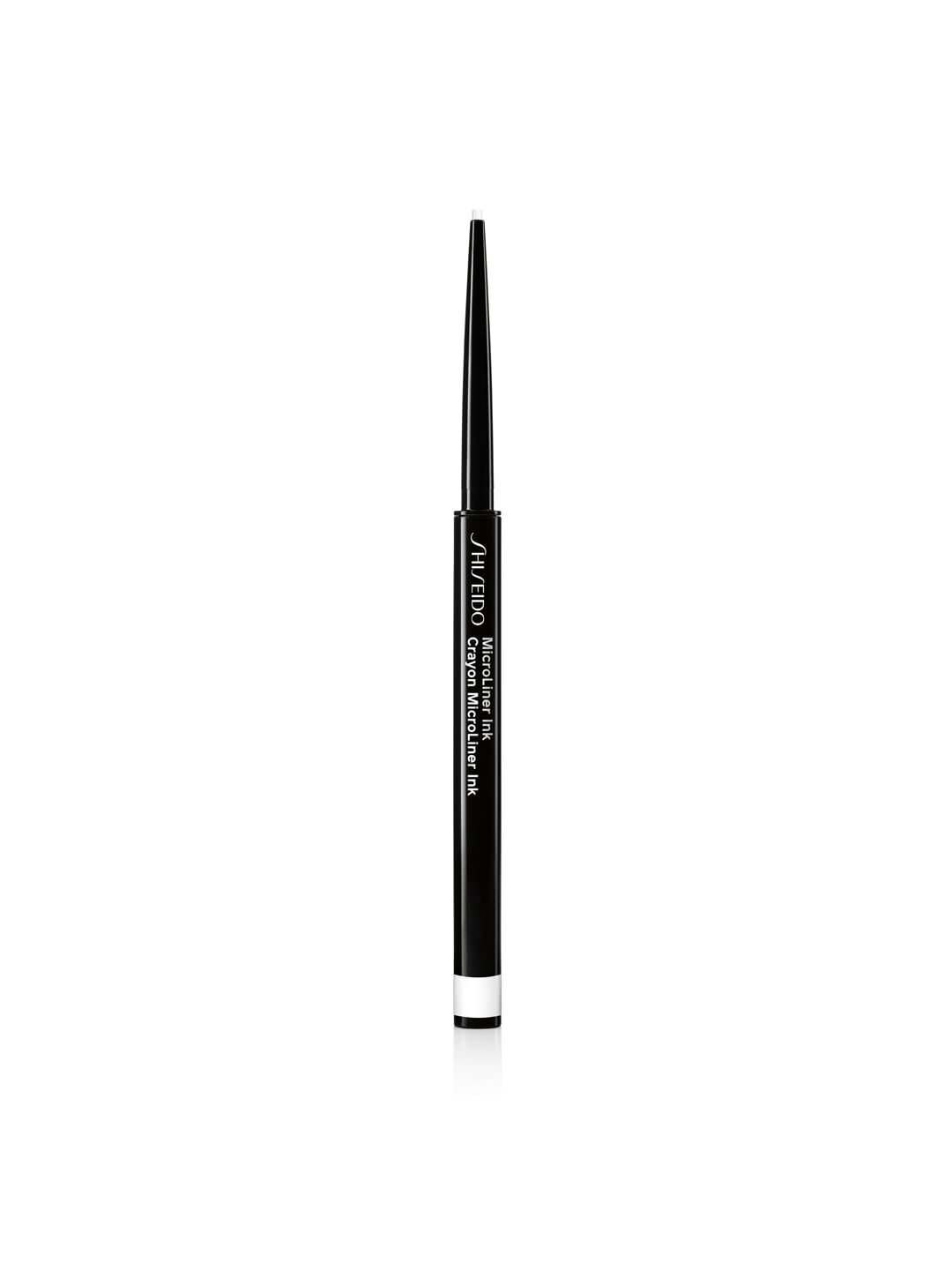
1. MARS Ink Black Smudge Proof Liquid Eyeliner Pen
2. Vembley Set Of 24 Artificial Reusable Press On Nails
3. Maybelline New York Instant Age Rewind Concealer
4. FACES CANADA Comfy Matte Wow Liquid Lipstick
5. Lakme Ultimate Glam Eye Liner With Semi Matte Finish Water & Smudgeproof
Makeup is a craft. It shifts, adapts, and transforms depending on how it is viewed. What looks perfect in the mirror may need adjustment for the camera, and what photographs beautifully may feel excessive in real life.
The hidden difference lies in light, texture, and perception. Once understood, it becomes easier to navigate both worlds without compromise. There is freedom in knowing that makeup does not have to meet a single standard; it can serve multiple purposes, each equally valid.
In the end, the goal is not perfection but harmony. A look that feels right, photographs well, and carries confidence effortlessly, that is where makeup truly shines.
(Disclaimer: This article may include references to or features of products and services made available through affiliate marketing campaigns. NDTV Convergence Limited (“NDTV”) strives to maintain editorial independence while participating in such campaigns. NDTV does not assume responsibility for the performance or claims of any featured products or services.)