Real Reason Your Moisturiser Feels Perfect at Night But Ineffective In Daylight
Your moisturiser isnt failing. Daylight heat, sweat, pollution, sunscreen, and AC change how it performs. Find common reasons that make your moisturiser work at night and not in the day.

Why Your Moisturiser Works At Night But Not During The Day: Real Reasons And The Fixes Required.
There's a very specific kind of betrayal that happens in front of a mirror at 11:30 am.
At night, the moisturiser goes on like silk. Skin looks calm, soft, and expensive. You wake up thinking, “Yes. This is the glow people talk about.” Then the day begins. A little sun, a little traffic, a little sweat, maybe a quick chai, and suddenly the same moisturiser feels useless. Skin looks dull. The T-zone turns shiny. The cheeks feel dry. Makeup slides. Sunscreen pills. And by evening, the face looks like it's been through an emotional breakup.
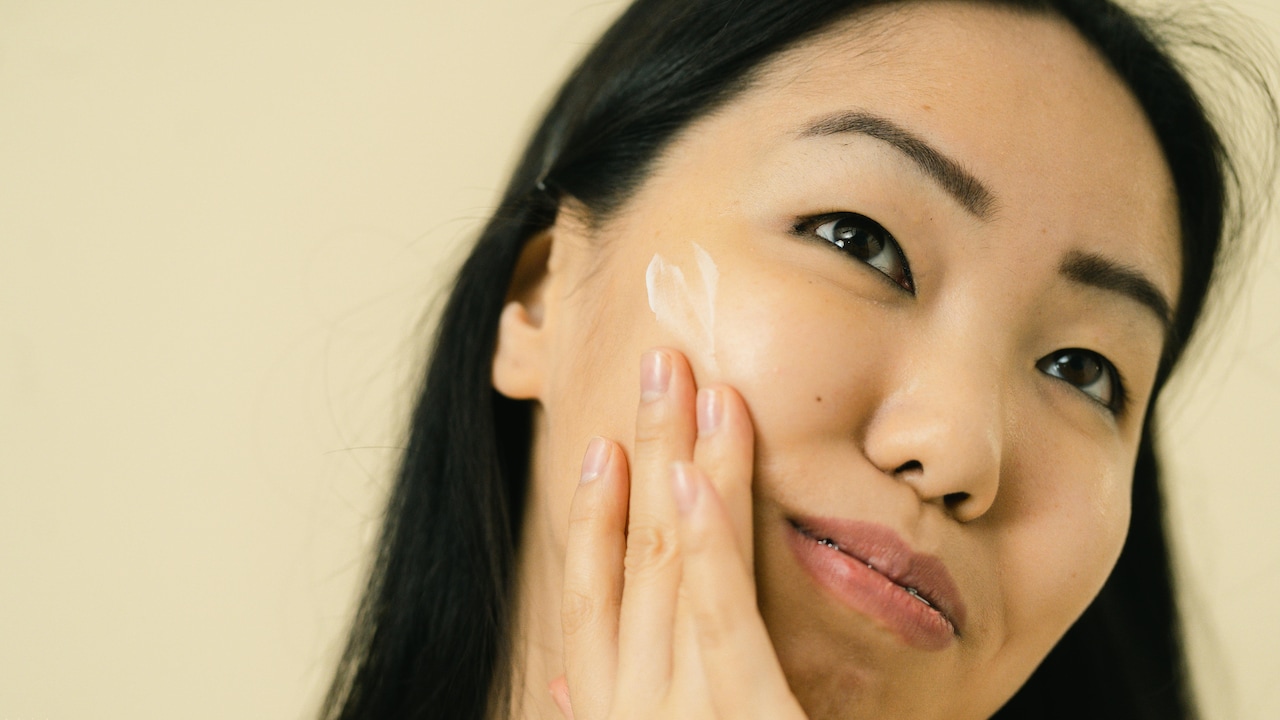
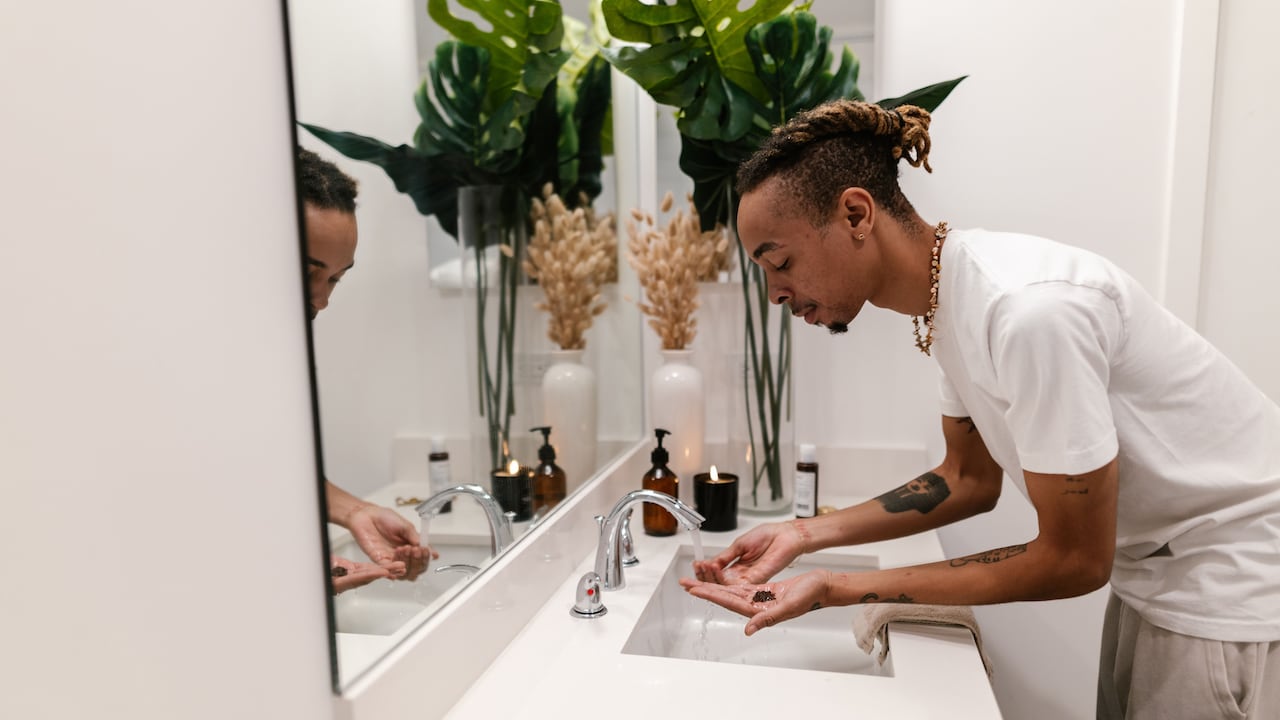
Explore common reasons that make your skin feel dry and flaky even after using moisturisers; Photo Credit: Pexels
Here's the truth: your moisturiser didn't change. Your skin's environment did. Night-time skin is protected, predictable, and repair-focused. Daytime skin is basically fighting for survival in public.
Let's unpack the real reasons this happens, and what actually works.
Also Read: 7 Best Moisturisers Under ₹700 for All Skin Types and Daily Hydration
Why The Same Moisturiser Behaves Like Two Different Products
1) Night skin is in repair mode, day skin is in defence mode
At night, skin behaves like a quiet neighbourhood after 10 pm. Less chaos, fewer attackers, more recovery. Your skin barrier shifts into repair mode, and the natural water loss from skin (called TEWL) changes. This makes moisturiser feel richer, more effective, and longer-lasting.
During the day, it's a different story. Skin goes into defence mode. It deals with UV rays, dust, smoke, heat, and friction from masks, dupattas, collars, and even phone screens. All of this increases stress signals in the skin. The barrier becomes less stable, which means the moisturiser evaporates faster or gets disrupted.
That's why night moisturising feels like it “sinks in,” while day moisturising feels like it disappears. The product isn't weaker. Your daytime skin is just too busy doing crowd control.
A good way to think of it: night is for healing. The day is for shielding. If the moisturiser isn't built for both, you'll feel the difference immediately.
2) Heat and humidity turn your moisturiser into a short-term guest
In many cities, daytime weather is not “skin-friendly.” It's either hot and humid or hot and dusty, with the occasional surprise of both. When the temperature rises, your skin produces more sweat and oil. This can break down the moisturiser film faster than expected.
In humidity, moisturiser can feel great for a few minutes and then turn sticky. In dry heat, it can vanish quickly, leaving the skin tight. Both outcomes feel like the moisturiser “stopped working.”
And here's the sneaky part: you may touch your face more during the day. Wiping sweat, adjusting glasses, scratching a little itch, blotting oil. Every touch removes product. By lunch, half your moisturiser has been physically wiped off.
At night, none of this happens. No sun. No sweat. No constant wiping. Your moisturiser gets to sit peacefully and do its job.
Daytime skin is basically moisturiser's toughest exam, and most formulas aren't built for it.
3) Pollution and dust create a film that blocks performance
If skin had a daily enemy list, pollution would sit at the top, wearing sunglasses.
Dust, smoke, and tiny airborne particles settle on your face throughout the day. They mix with oil and sweat, creating a thin, grimy layer. This can make moisturiser feel ineffective because it can't behave normally on the skin's surface.
Pollution also triggers inflammation and oxidative stress. That can lead to dehydration, rough texture, and dullness, even if you applied a decent moisturiser in the morning. So you look in the mirror and think, “Why is my skin still dry?” But it's not only dryness. It's stressed skin.
This is why someone can use the same moisturiser in a cleaner environment and swear it's amazing, while another person feels like it's doing nothing.
The moisturiser may be fine. The air isn't.
A practical fix is not always “buy a stronger moisturiser.” Sometimes it's simply cleansing properly at night and using daytime protection that doesn't collapse in real-world conditions.
4) Your sunscreen might be sabotaging your moisturiser
This one hurts because sunscreen is non-negotiable. But yes, sunscreen layering is one of the biggest reasons moisturiser feels pointless during the day.
Many sunscreens contain silicones, polymers, and filters that form a protective film. That's great for UV defence, but it can interact with moisturiser underneath. Some combinations pill, some slide, and some feel greasy within an hour.
If you've ever applied moisturiser, then sunscreen, then touched your face and felt everything rolling off like tiny eraser shavings… welcome to the club.
Even without pilling, sunscreen can change the finish. A moisturiser that feels light at night can feel heavy once sunscreen sits on top. The brain reads that heaviness as “this isn't absorbing,” even if the skin is hydrated.
The solution is not skipping moisturiser. It's choosing textures that play well together. Gel-cream moisturisers under sunscreen often behave better than thick creams. And giving a full minute between layers helps more than people expect.
5) Daytime sweat quietly breaks down your skincare
Sweat doesn't just make you feel sticky. It changes the chemistry on your skin.
When you sweat, salts and water sit on the surface. That can dilute the moisturiser layer and make it slide around. Sweat also encourages more wiping, more blotting, and more friction.
Even in air-conditioned offices, sweat can happen during commuting. That short period in the sun, waiting for an auto, walking to the metro, or climbing stairs is enough to disrupt your morning routine.
At night, sweat levels are lower for most people. You're not moving around. The body cools down. Skin stays calmer. Your moisturiser remains intact longer, so it feels more “effective.”
If you want your moisturiser to last during the day, the goal isn't only hydration. It's wear-time. That's why lightweight, slightly film-forming moisturisers work better in the morning. They're not more nourishing, they're more resilient.
Think of it like clothing. A soft cotton kurta is great at home. But in a crowded commute, you might need something that holds up better.

Daytime oil, sweat, and pollution can break down your skincare; Photo Credit: Pexels
6) Office AC dries skin in a different way than you realise
The moment you enter an air-conditioned office, your skin enters a slow dehydration zone.
AC reduces humidity. Lower humidity increases transepidermal water loss. That means water escapes from your skin faster. Even if your face feels oily, it can still be dehydrated underneath.
This is why so many people experience the weird combo of a shiny T-zone and dry cheeks. The skin tries to compensate for dehydration by producing more oil, but oil doesn't equal water. So you end up with both problems at once.
At night, AC might still be on, but it's usually not blasting for hours while you sit under it. During the day, you might spend 7–10 hours in that environment. Your moisturiser needs to survive that.
If your moisturiser is mostly water-based and light, it can evaporate quickly in AC. At night, it feels perfect because you don't test it under the same conditions.
One underrated fix: use a moisturiser with humectants plus a small amount of barrier-supporting ingredients, so hydration stays put instead of vanishing.
7) Daytime cleansing habits make moisturiser less effective
Many people don't realise how much their morning cleansing affects moisturiser performance.
If you use a strong face wash in the morning, especially one that leaves skin squeaky, you start the day with a slightly compromised barrier. Your moisturiser then has to work harder just to get you back to normal.
At night, cleansing makes more sense because you remove sunscreen, dust, and pollution. But in the morning, your skin doesn't need a harsh reset. It needs a gentle refresh.
Over-cleansing can lead to that classic cycle: skin feels dry → you apply more moisturiser → it feels heavy → you wash more aggressively → skin gets drier. The face becomes a confused mess.
Also, many people use hot water in the morning. It feels comforting, especially in winter. But hot water strips lipids faster, which reduces the moisturiser's staying power.
If moisturiser works beautifully at night but fails in the day, check your morning cleanser before blaming the moisturiser. Sometimes the problem begins before the product even touches your skin.
8) Your daytime face gets touched, rubbed, and moved constantly
Night-time skin is peaceful. Daytime skin is in a constant wrestling match with life.
You touch your face while thinking. You rub your nose without noticing. You wipe sweat. You scratch a small itch. You rest your cheek on your hand during a long meeting. You adjust your mask. You pull your dupatta up in the sun. You press your phone against your face during calls.
All of this physically removes moisturiser. Even gentle friction breaks the product film. And if you wear makeup, it adds another layer of disturbance.
At night, none of this happens. Your face isn't being handled like a stressed-out parcel.
This is why your moisturiser feels “more moisturising” at night. It's not only about absorption. It's about survival.
If you want a day moisturiser to last, you need one that dries down properly and forms a stable layer. Not sticky, not greasy, just set. A moisturiser that never sets will always feel like it disappears because it gets transferred onto everything.
Sometimes the fix is as simple as using less product and letting it settle fully.
9) Night moisturisers are often richer, and your brain likes that feeling
Let's be honest: a big part of moisturiser satisfaction is sensory.
At night, people tend to use richer textures. Creams. Balms. Products that feel like comfort food. These sit on the skin longer, giving that “deeply nourished” feeling.
In the morning, many people switch to lighter moisturisers to avoid greasiness. The lighter ones absorb quickly and feel like nothing, which can trick you into thinking they aren't working.
Skin hydration doesn't always feel dramatic. Sometimes the best moisturiser is boring. But the brain likes a noticeable sensation, especially at night when skincare feels like self-care.
Also, night routines are slower. You're not rushing to catch a bus or answer a call. You apply products gently, maybe even massage them in. That alone improves how moisturiser feels.
In the morning, moisturiser gets slapped on in 12 seconds, followed by sunscreen, followed by a frantic search for keys. The product never gets a chance to behave nicely.
So yes, part of the “night vs day” difference is psychological. Your skin isn't the only thing reacting; your mind is too.
10) Your moisturiser may be right, but your morning routine order isn't
Sometimes, moisturiser feels ineffective in daylight because of how it's placed in the routine.
For example: applying moisturiser to completely dry skin can reduce how well it spreads and hydrates. Applying it on slightly damp skin improves performance, especially for humectant-rich formulas.
Another common issue is layering too many activities in the morning. Vitamin C, niacinamide, moisturiser, sunscreen, makeup, that's a lot. If the layers don't sit well, you'll feel like nothing is working.
Also, if you use a heavy serum and then a thick moisturiser, sunscreen may not form an even film. That can cause patchiness and discomfort, which gets blamed on the moisturiser.
Even timing matters. Applying sunscreen immediately after moisturiser can disturb the moisturiser layer. Giving it 60–90 seconds can improve the finish dramatically.
Daytime skincare is not just about “good products.” It's about product compatibility and sequencing.
The moisturiser might be doing its job, but the routine around it is sabotaging the result.
Products Related To This Article
1. Reequil Oil Free Moisturiser for Normal, Oily & Combination Skin
2. WishCare 3:1:1 Barrier Bounce Moisturiser
3. FoxTale Nourishing Ceramide Moisturiser for 100hrs of Hydrated & Glowing Skin
4. Conscious Chemist Pigmentation Corrector Moisturiser for Dark Spots & Uneven Tone
5. Earth Rhythm Phyto Ceramide Deep Moisturiser
A moisturiser that feels magical at night and useless in the day isn't a bad moisturiser. It's just a product living two completely different lives.
At night, your skin is calm, protected, and focused on repair. During the day, it battles sun, sweat, pollution, friction, and layers of sunscreen. Even the office AC gets involved like an uninvited relative at a wedding.
The fix isn't always buying something expensive. Often, it's choosing a daytime-friendly texture, adjusting your cleanser, giving layers time to settle, and making sure sunscreen and moisturiser aren't silently fighting on your face.
And if nothing else works, remember this: skincare is not failing you. It's just competing with the weather, traffic, and the chaos of daily life. Some days, that's not a skincare problem. That's just Tuesday.
(Disclaimer: This article may include references to or features of products and services made available through affiliate marketing campaigns. NDTV Convergence Limited (“NDTV”) strives to maintain editorial independence while participating in such campaigns. NDTV does not assume responsibility for the performance or claims of any featured products or services.)