Sheet Mask vs Clay Mask: Which Is Better Before A Festive Event?
Sheet mask vs clay mask before a festive event: discover which one suits your skin better, when to use each, and how to prep for a fresh, glowing look.
Sheet Mask vs Clay Mask: Which Is Better Before A Festive Event?
Festive skincare often comes with its own little ritual: a little extra cleansing, a favourite serum, perhaps a face mask, and plenty of hope that your skin will cooperate before the celebrations begin. With sheet masks and clay masks both promising a refreshed complexion, choosing between them can get surprisingly confusing.
When Is A Clay Mask The Better Choice?
Photo Credit: iStock
The right pick, however, depends less on the occasion and more on what your skin needs at that moment. So, if you are wondering whether a sheet mask or clay mask is better before a festive event, here is how to decide, how to use either one, and when it makes sense to use both.
What Does A Sheet Mask Do For Your Skin?
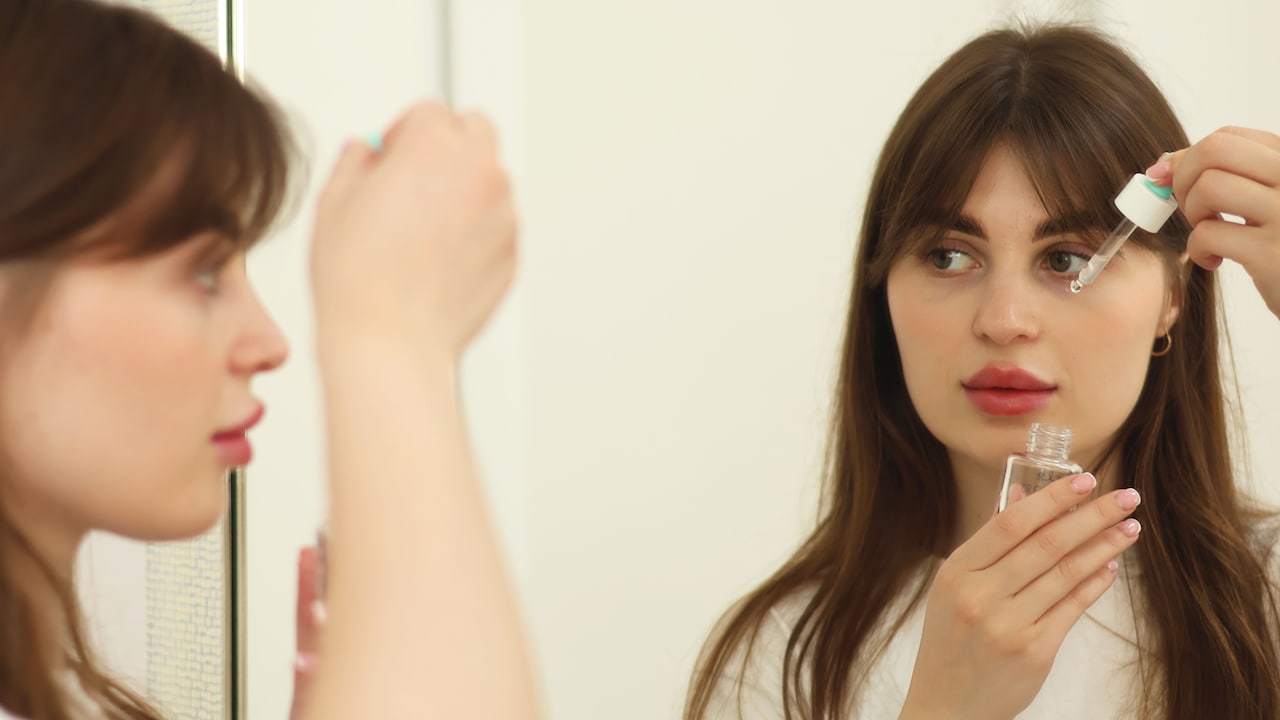
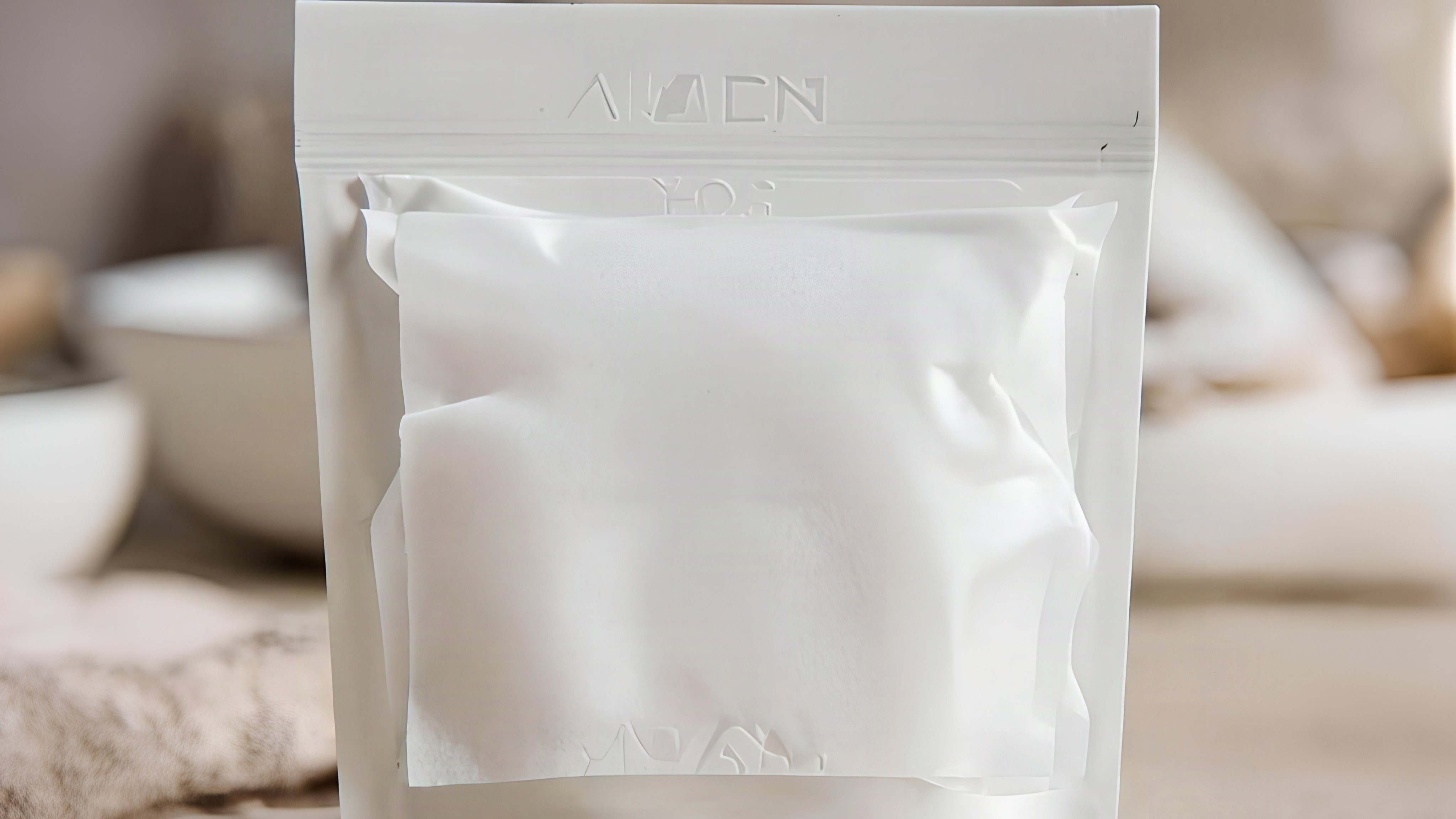
Sheet masks are basically serum–soaked face coverings, meant to sit on your skin for a brief little stretch. The main thing people like, especially right before an event, is the hydration effect, because it can make skin look fresher, softer, and plumper for a short while. You'll usually find ingredients like hyaluronic acid, aloe vera, and other calming compounds mixed into these formulas.
They can be really helpful when your skin looks run down, feels thirsty or needs a quick moisture boost before makeup so things look more even and smooth. Since most sheet masks do not require rinsing, they also fit easily into a pre-event routine.
When Is A Clay Mask The Better Choice?
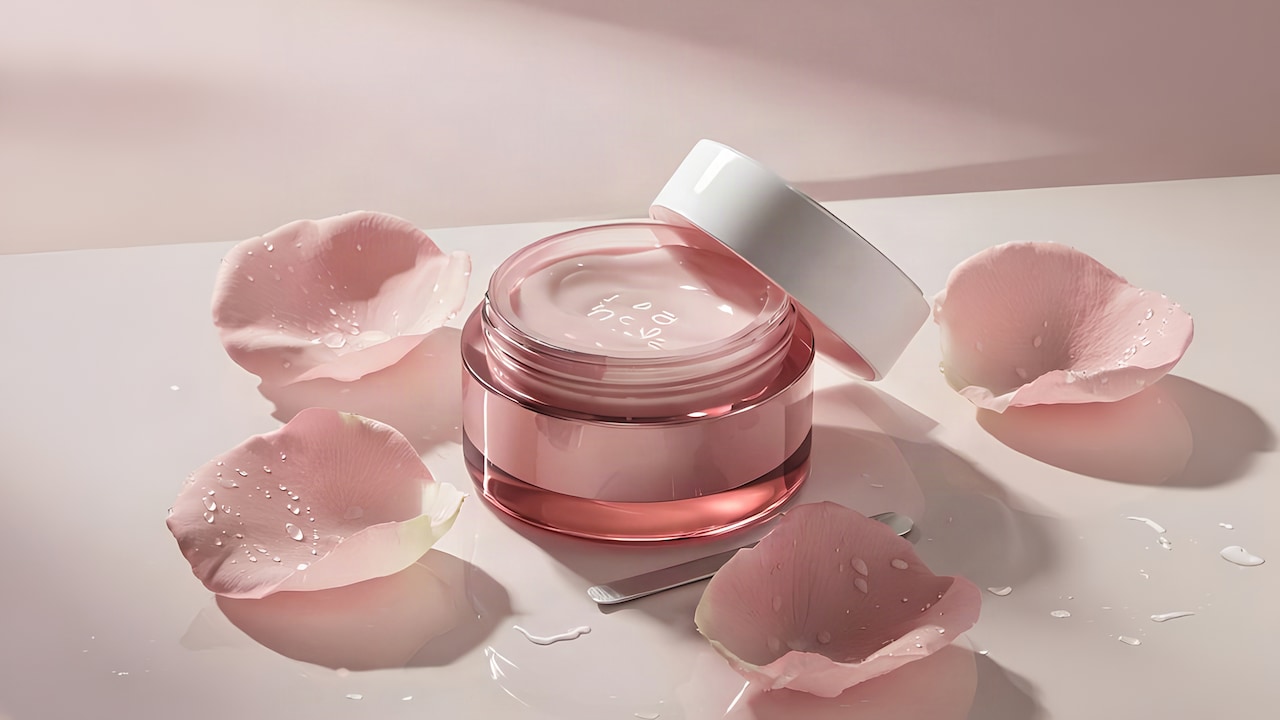
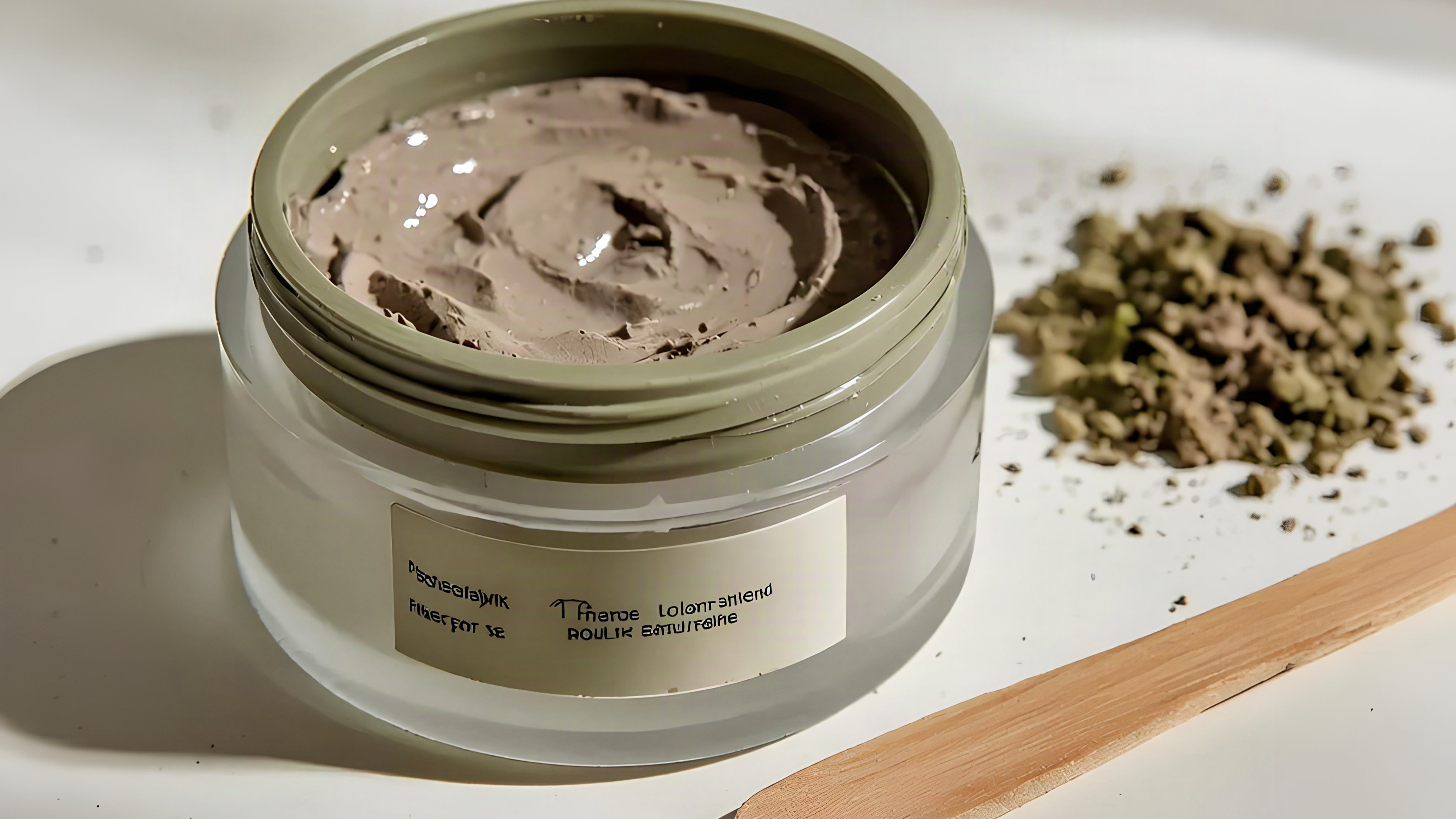
Clay masks take a different approach. Formulas that include clays like kaolin or bentonite are usually used so they can soak up excess oil and also help lift surface impurities, which makes them more fitting for oily, combination, or congested skin types in a more practical way.
That makes clay masks useful when shine or a heavy, congested feeling is your main concern. However, leaving one on too long or using it too frequently can leave some skin types feeling dry or tight, so timing matters.
Also Read: Explore Affordable Makeup Kits For Janmashtami 2026 During Myntra Big Brands Bash Sale
Sheet Mask vs Clay Mask: Which One Should You Pick?
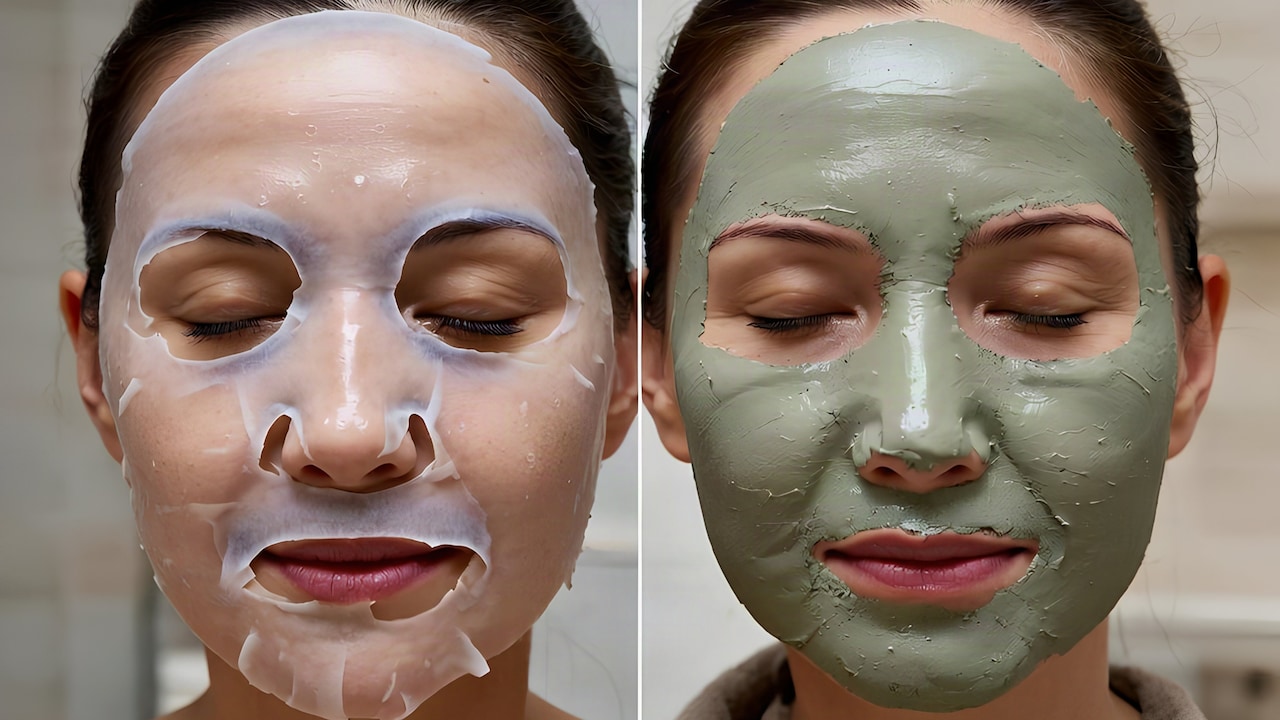
There really isn't one universal winner in the sheet mask vs clay mask debate. A sheet mask is usually the more “easy-going” choice when your skin is thirsty for hydration and you want that fresh-looking vibe, while a clay mask makes more sense when extra oil and congestion are quietly getting in the way.
Sheet Mask For Dry Or Dehydrated Skin
If your face feels tight, flaky or unusually dull, a hydrating sheet mask can be a sensible pre-event option. Look for formulas centred around moisture-supporting ingredients and avoid experimenting with several strong actives at once.
Clay Mask For Oily Or Congested Skin
A clay mask can be useful if your T-zone is particularly oily or your skin feels congested. Just put on a thin, even coat and follow the product's recommended wear time instead of waiting until the mask is fully dry and cracked.
How Should You Use A Mask Before A Festive Event?
Timing can make as much difference as the mask itself. Ideally, do not save an unfamiliar product for the final hour before an important celebration. A new formula can always react differently on your skin, so familiar products are the safer choice when an event is close.
Step 1: Cleanse Your Face
Begin with a gentle cleanser to lift away makeup, sunscreen, sweat and that everyday buildup. Clean skin gives the mask a better surface to work on, while a mild cleanser helps prevent extra dryness before you move on to the rest of the routine.
Step 2: Check What Your Skin Needs
Take a quick look at your skin rather than automatically choosing the mask you usually use. If your skin feels dry or dull, prioritise hydration. If your T-zone is noticeably oily or congested, a clay mask may be more appropriate.
Step 3: Patch Test New Products
If the mask is new to you, patch-testing is worth doing well before the event. Festive skincare is not the ideal time to discover that a particular ingredient does not agree with your skin. Stick to products you already know your skin tolerates when possible.
Step 4: Apply a Clay Mask Correctly
If clay is what you go for, spread it in an even way onto clean skin, just keep it away from the delicate eye and lip zones. Then follow the instructions on the package for how long to keep it there, after that, rinse it off gently with lukewarm water. Don't scrub it away like you're trying to remove stubborn stains.
Step 5: Follow Clay With Hydration
After rinsing a clay mask, your skin may benefit from a simple hydrating routine. Pat your face dry and follow with a gentle moisturiser or other familiar hydrating products, rather than piling on several active ingredients immediately.
Step 6: Apply a Sheet Mask
For the sheet masking, unfold it pretty carefully and place it so it sits evenly on your clean skin, don't rush. Keep it on for the time period stated on the packaging – no more, no less.
Step 7: Seal In The Moisture
A moisturiser can help wrap things up and keep your skin from feeling dry after the mask. Just keep the rest of the routine fairly simple, especially if you are getting ready for a big event and you'd like to reduce the risk of irritation as much as possible.
Step 8: Give Your Skin Time Before Makeup
Don't put a mask on right before you start rushing into heavy makeup. Give your skincare a bit of time to settle, then move on with your usual makeup prep, sort of gradually. That pause can also let you catch any strange redness or mild irritation before you begin getting ready.
Can You Use A Sheet Mask And Clay Mask Together?
Yes, but there is no need to use both every time. If your skin is oily in some areas but dehydrated elsewhere, targeted masking can make more sense: a clay mask can be used on oilier areas, followed by hydration where needed.
If you do use both on the same day, clay generally comes first because it needs to be rinsed away, followed by the sheet mask. This order allows the hydration-focused step to follow the cleansing step.
Sheet Mask vs Clay Mask: Which One Should You Pick?
Photo Credit: iStock
Some Face Mask Products You May Like
1. Lakme Blush & Glow Lemon Sheet Mask
2. ClayCo Rice & Ceramide Collagen Sheet Mask
3. Nua Hydrating Face Mask
4. The Face Shop Real Nature Daily Glow Sheet Mask
5. Foxtale De-Tan Face Mask
6. Innisfree Super Volcanic Pore Clay Mask
7. ClayCo. Matcha Detox Clay Mask
8. The Derma Co 2% Salicylic Acid Clay Face Mask
Before a festive event, both sheet masks and clay masks can be useful, but they serve different purposes. If your skin feels tired, dry, or dull and you want an instant glow, a sheet mask is often the better choice because it helps hydrate and refresh the skin before makeup application. A clay mask, on the other hand, works well for deep cleansing, removing excess oil, and minimizing the appearance of pores, making it suitable for oily or acne-prone skin. For most people preparing for a celebration, a sheet mask can be the final step for quick radiance, while a clay mask is best used a day or two beforehand for a cleaner and smoother-looking complexion. The right choice ultimately depends on your skin type and the result you want to achieve for the occasion.
Frequently Asked Questions (FAQs)
1. Is a sheet mask or clay mask better before a festive event?
A sheet mask is usually best when your main goal is fast hydration and a more refreshed-looking complexion. A clay mask can be better if excess oil or that kind of clogged buildup feeling is your main issue.
2. Can I use a clay mask and sheet mask on the same day?
Yes, if your skin tolerates both. Use the clay mask first, rinse it off, and follow with a hydrating sheet mask.
3. How long before an event should I use a face mask?
Using a familiar mask earlier on the same day can give your skin time to settle before makeup. If the product is new, test it well ahead of the event rather than trying it for the first time just before getting ready.
4. Can I use a clay mask if I have dry skin?
You can do that, but pick a gentle formula and not leave it there too long, or at least not beyond what's recommended. If your skin is already quite dry or extra sensitive, then a hydrating sheet mask might feel better.
5. How often should I use sheet masks and clay masks?
Sheet masks can generally be used more frequently than clay masks, depending on the formula and your skin's tolerance. Clay masks are commonly used around once or twice a week rather than as a daily treatment..
(Disclaimer: This article may include references to or features of products and services made available through affiliate marketing campaigns. NDTV Convergence Limited (“NDTV”) strives to maintain editorial independence while participating in such campaigns. NDTV does not assume responsibility for the performance or claims of any featured products or services.)