Should You Wear Sunscreen Indoors? Necessary or Overhyped Explained
Do you really need sunscreen indoors? From window light to screen exposure, this article breaks down whether indoor SPF is essential or simply overhyped.

How important is applying sunscreen when sitting indoor
Sunscreen has travelled a long way from beach bags and summer holidays to bathroom shelves and daily skincare routines. Dermatologists praise it, influencers swear by it, and even the most minimal skincare enthusiasts now keep a bottle handy. Yet, as habits evolve, so do doubts. One question pops up more often than expected: Does sunscreen still matter indoors?

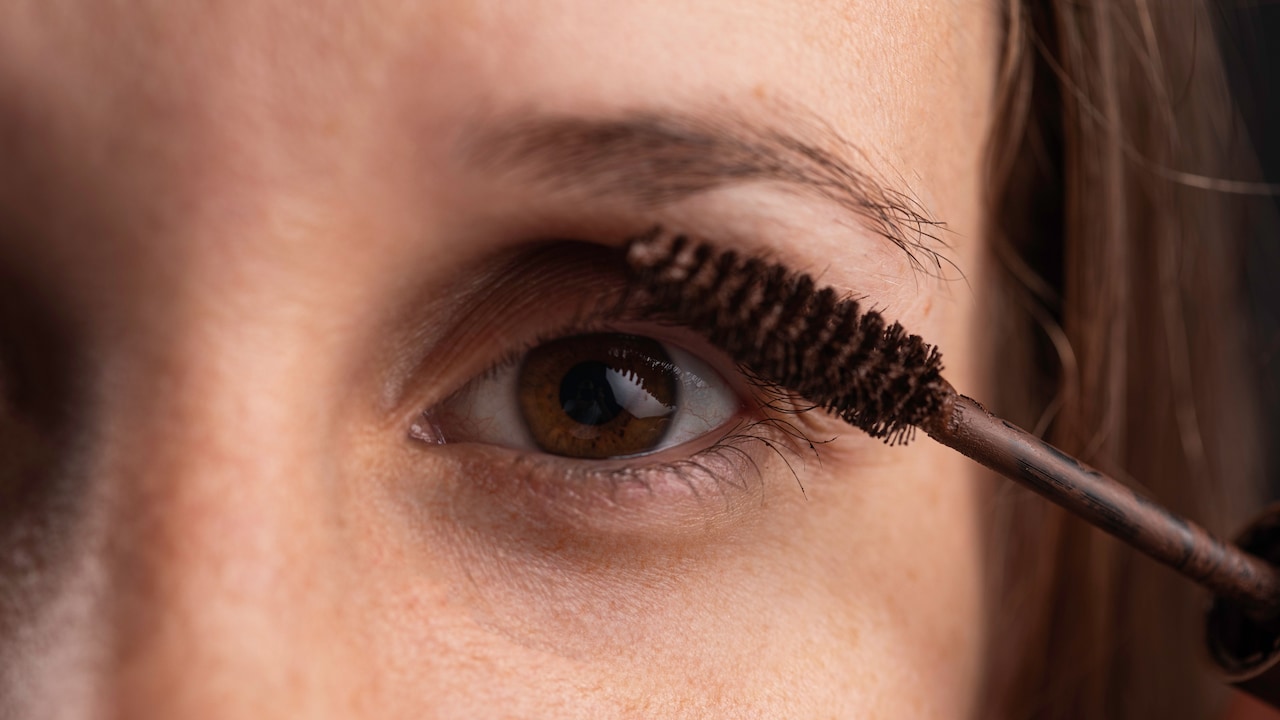
The truth about indoor sunscreen and its importance; Photo Credit: Unsplash
The idea seems excessive at first. After all, a ceiling, four walls, and perhaps a curtain or two should shield the skin well enough. But then come counterarguments, UV rays slipping through windows, blue light from devices, and subtle skin damage building up over time. Suddenly, staying indoors does not feel entirely protective.
The truth, like most things in skincare, lies somewhere in between. Indoor sunscreen is neither a universal necessity nor a complete myth. It depends on lifestyle, environment, and a fair understanding of how light interacts with skin. Let's explore this grey area with clarity, practicality, and just a hint of scepticism.
Also Read: Sunscreens Under ₹500: Dermat-Approved Picks With Vitamin C, Niacinamide And More
Understanding Indoor Sun Exposure And Skincare Realities
The Science Of Sunlight Indoors
Sunlight behaves differently indoors, but it does not disappear entirely. Ultraviolet rays consist mainly of UVA and UVB. While UVB rays, responsible for sunburn, struggle to penetrate glass, UVA rays pass through windows with surprising ease. These rays contribute to premature ageing, pigmentation, and subtle skin damage over time.
Imagine a living room with large windows, sunlight streaming in throughout the afternoon. It may feel harmless, even comforting, but the skin continues to receive low-level exposure. This exposure builds gradually, not dramatically. Unlike a beach day, where redness appears within hours, indoor exposure remains silent yet persistent.
However, context matters. A home with minimal natural light or heavy curtains significantly reduces this exposure. On the other hand, homes with open balconies, glass walls, or skylights create a different scenario altogether. Science does not demand panic, but it does suggest awareness. Indoor sunscreen becomes less about fear and more about understanding how everyday spaces interact with sunlight.
The Role Of Windows And Glass
Windows often create a false sense of protection. Many assume glass acts as a complete barrier, but it only blocks part of the story. Standard window glass filters out most UVB rays, which prevents tanning and burning indoors. Yet UVA rays remain active and continue their quiet work on the skin.
Consider a work-from-home setup placed right next to a sunlit window. Hours pass while working, sipping chai, or scrolling through messages. The skin, particularly on the face and arms, receives steady exposure without any noticeable discomfort. Over months, this may contribute to uneven skin tone or fine lines.
Modern homes sometimes feature larger glass panels, making interiors brighter and more open. While aesthetically pleasing, such designs increase indoor exposure. Tinted or UV-protective glass reduces the effect but does not eliminate it entirely unless specifically designed for that purpose.
This does not mean every window seat demands sunscreen. It simply means the closer one sits to natural light for extended periods, the more relevant sunscreen becomes. Awareness, once again, outweighs alarm.
Blue Light From Screens: Real Concern Or Marketing Hype?
The idea that phone and laptop screens damage skin has gained traction recently. Blue light, also known as high-energy visible light, does exist and can affect skin under certain conditions. However, its impact from everyday devices remains relatively small compared to sunlight.
Hours spent in front of screens do expose skin to blue light, but the intensity is far lower than outdoor exposure. The concern grows slightly for those already dealing with pigmentation issues, as some studies suggest blue light may worsen such conditions. Yet for most people, the effect remains minimal.
The skincare industry has responded quickly, introducing products marketed as blue light protection creams. While these sound convincing, they often blur the line between genuine benefit and clever marketing.
Instead of rushing to buy expensive formulations costing ₹1,500 or more, a balanced approach works better. Regular sunscreen with broad-spectrum protection already covers most concerns. Blue light may sound alarming, but it does not justify a complete overhaul of routine skincare.
Lifestyle Matters More Than Rules
No skincare advice works in isolation from lifestyle. Someone stepping out frequently for errands, commuting, or spending time on terraces will benefit from sunscreen even if most of the day is indoors. Meanwhile, someone working in a dimly lit room away from windows faces a very different reality.
Daily routines vary widely. A person working near a window with bright sunlight pouring in needs more protection than someone sitting under artificial lighting all day. Similarly, time spent near balconies or open spaces adds to exposure.
Rigid rules often make skincare feel exhausting. Applying sunscreen indoors at all times, regardless of context, can turn a simple routine into an unnecessary burden. Instead, adapting to one's environment keeps things practical.
Think of sunscreen as a tool rather than a strict obligation. It becomes useful when conditions demand it, not as a constant requirement imposed by trends.
Skin Type And Sensitivity
Skin does not react uniformly to sunlight. Some individuals tan easily, while others experience pigmentation or irritation even with minimal exposure. This difference plays a crucial role in deciding whether indoor sunscreen matters.
Those with sensitive skin, melasma, or uneven pigmentation often benefit from consistent protection. Even mild exposure through windows may trigger visible changes over time. For such cases, indoor sunscreen acts as a preventive measure rather than an extra step.
On the other hand, individuals with resilient skin and minimal sensitivity may not notice significant effects from indoor exposure. Their routines can remain simpler without compromising skin health.
Understanding personal skin behaviour proves more effective than blindly following trends. Skincare becomes meaningful when tailored to individual needs rather than dictated by universal advice.

Indoor UV protection can also depend on skin type and sensitivity; Photo Credit: Pexels
Climate And Urban Living
Weather conditions influence indoor light exposure more than expected. Bright, sunny cities with long daylight hours increase indoor UV presence. In contrast, overcast or heavily polluted environments reduce it to some extent.
Urban homes often receive filtered sunlight due to surrounding buildings. However, high-rise apartments with unobstructed views may experience stronger indoor exposure. Similarly, homes with open layouts allow sunlight to travel further inside.
Seasonal changes also matter. Summer months bring intense sunlight that easily enters homes, while monsoons reduce overall exposure. Adjusting skincare routines with seasons keeps them relevant and effective.
Spending ₹800 on a sunscreen that sits unused during cloudy months may not feel worthwhile. Adapting habits according to climate ensures both practicality and value.
Psychological Comfort And Skincare Habits
Skincare is not only about physical results; it also influences mental comfort. For some, applying sunscreen daily creates a sense of discipline and control. It becomes a ritual that signals self-care and consistency.
However, this can also tip into overthinking. Constant worry about indoor exposure may lead to unnecessary anxiety. Skincare should enhance well-being, not complicate it.
Striking a balance between awareness and ease proves essential. A routine that feels manageable is more likely to sustain long-term benefits than one driven by fear.
Comfort matters as much as science. A relaxed approach often leads to better consistency than strict, overwhelming rules.
Cost Versus Benefit
Sunscreen prices vary widely, from affordable ₹300 options to premium products costing over ₹2,000. Using them generously indoors every day increases consumption and expense.
For those who genuinely need indoor protection due to high exposure, this investment makes sense. However, for individuals with minimal indoor sunlight, frequent reapplication may not justify the cost.
Skincare should feel like a worthwhile investment rather than a recurring burden. Choosing when and where to use sunscreen wisely helps maintain both skin health and budget balance.
Sometimes, less truly is more, especially when guided by practical understanding rather than marketing pressure.
Dermatologist Perspectives
Dermatologists often recommend sunscreen as a daily habit, but their advice usually considers varied lifestyles. Many suggest applying sunscreen if spending time near windows or stepping outside during the day.
The emphasis lies on prevention rather than perfection. Skin damage accumulates slowly, and consistent protection helps maintain long-term health. Yet most experts also acknowledge that complete avoidance of indoor exposure is unrealistic.
Their guidance encourages flexibility. Sunscreen remains important, but not every indoor moment demands it. Understanding context allows individuals to follow expert advice without feeling overwhelmed.
Professional opinions support balance rather than extremes, reinforcing the idea that skincare should adapt to real-life situations.
Striking The Right Balance
The indoor sunscreen debate often swings between two extremes: absolute necessity and complete irrelevance. The truth sits comfortably in the middle.
Sunscreen indoors becomes relevant in specific scenarios, prolonged exposure to sunlight through windows, sensitive skin conditions, or bright living spaces. In low-light environments with minimal exposure, skipping it occasionally does not pose significant risk.
Balance comes from observing one's surroundings and skin behaviour. It replaces rigid rules with thoughtful choices. Instead of asking whether sunscreen is always necessary indoors, a better question emerges: when does it truly help?
This shift in perspective simplifies skincare. It allows routines to remain effective without becoming unnecessarily complicated.
Products Related To This Article
1. Minimalist SPF 50 PA++++ Multi Vitamin Sunscreen
2. WishCare SPF50 Niacinamide Oil Balance Fluid Sunscreen for Face - In-Vivo Tested
3. Aqualogica Detan Smoothie Face Wash 100ml & Detan Dewy Sunscreen 50g
4. The Derma co. 1% Hyaluronic Sunscreen Oil-Free Gel - 50g In-Vivo tested
5. FoxTale Cleanser 12% Niacinamide Glow Moisturizer Sunscreen Skincare Kit
Indoor sunscreen is neither a myth nor a universal rule. It reflects a nuanced understanding of light, lifestyle, and individual skin needs. While sunlight does enter indoor spaces, its impact varies widely depending on the environment and daily habits.
The key lies in awareness rather than obsession. Observing how much natural light enters a space, how long one stays near windows, and how the skin reacts over time provides clearer answers than any trend ever could.
Skincare works best when it feels sustainable. Applying sunscreen when it genuinely adds value keeps routines practical and stress-free. After all, good skin does not come from rigid rules but from thoughtful, consistent care.
In the end, indoor sunscreen is not about doing more, it is about doing what makes sense.
(Disclaimer: This article may include references to or features of products and services made available through affiliate marketing campaigns. NDTV Convergence Limited (“NDTV”) strives to maintain editorial independence while participating in such campaigns. NDTV does not assume responsibility for the performance or claims of any featured products or services.)