Shampoo Build-Up: Why Your Hair Loses Volume, Looks Greasy And How To Fix It Fast
Shampoo build-up flattens hair at the roots, traps oil and residue, making it look greasy; clarify with deep-cleansing shampoos, scalp exfoliation, and thorough rinsing to quickly restore volume.
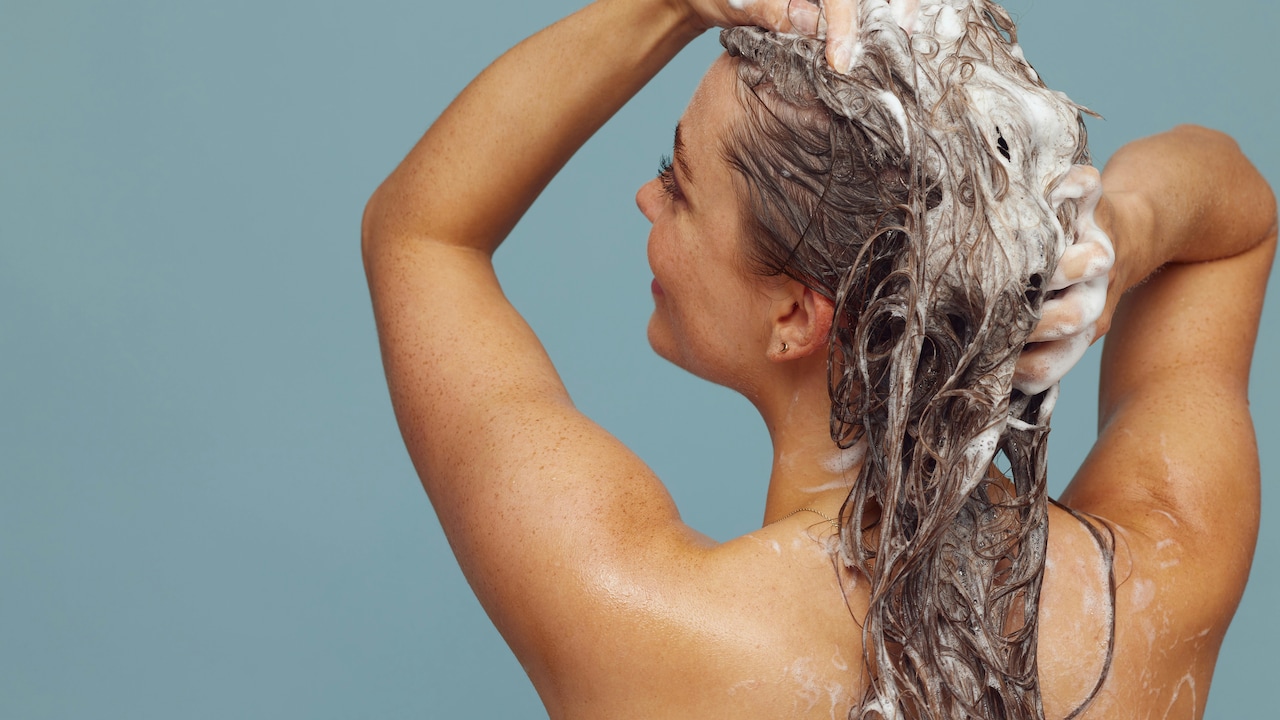
Shampoo Build-Up: The Real Reason Your Hair Starts Falling Flat And How To Fix It Fast.
Hair troubles rarely start overnight. They creep in slowly. One day, the ponytail feels thinner. Another day, curls lose definition or straight hair refuses to behave. Many people respond by washing more often or switching products every few weeks. That only adds fuel to the fire. Shampoo build-up forms when cleansing agents, silicones, hair oils, and minerals cling to the scalp and strands instead of rinsing away. Over time, hair loses volume and shine, and the scalp feels itchy or greasy without reason. Understanding this hidden problem helps stop the endless cycle of bad hair days. More importantly, it helps restore healthy hair without drama.
Shampoo build-up suffocates the scalp, weighing roots down so hair looks greasy; reset quickly with clarifying washes and scalp scrubs to restore volume.
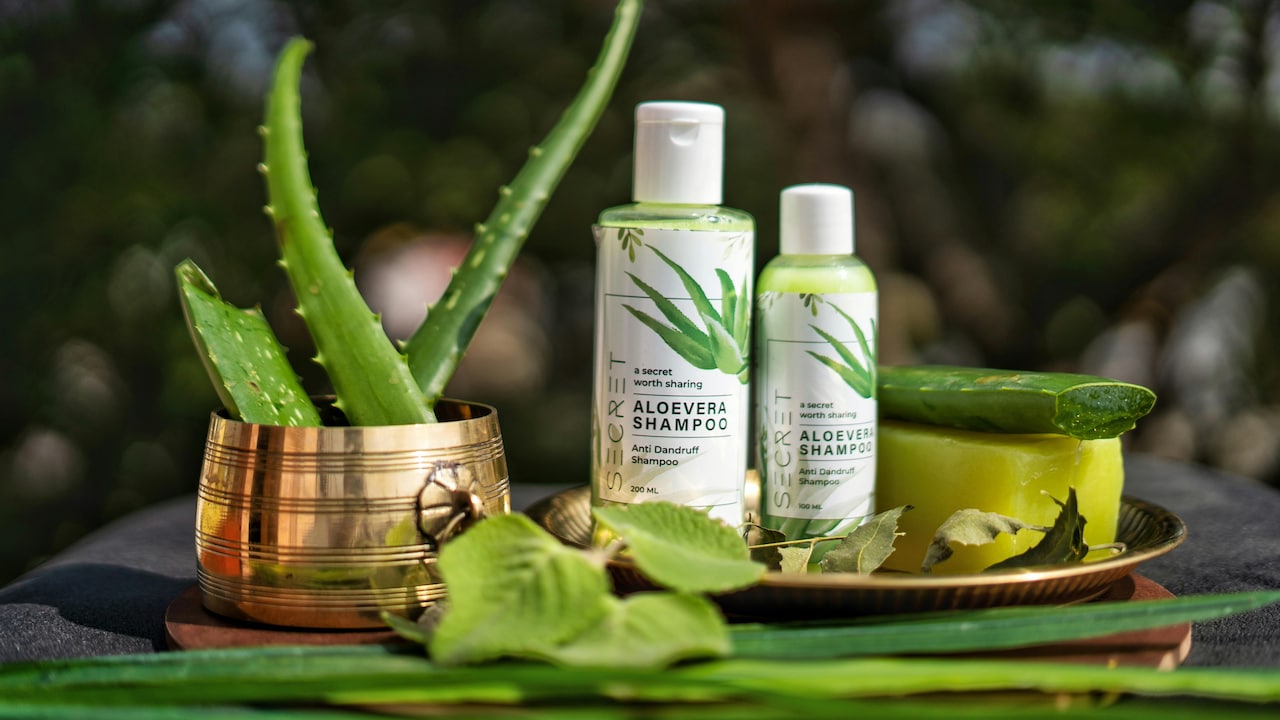
Is Shampoo Build-Up Ruining Your Hair? Signs, Causes And Quick Solutions; Photo Credit: Pexels
Before You Blame Hair Fall, Frizz, or Humidity: Read This
1. What Shampoo Build-Up Really Is (And Why It Sneaks Up Slowly)
Shampoo build-up does not announce its arrival. It settles in quietly, layer by layer. Most shampoos contain surfactants to clean dirt and oil. Many also include conditioners, fragrances, and smoothing agents. These ingredients stick around when hair does not rinse fully or when washing happens too often. Add styling products, dry shampoo, and even minerals from tap water, and the scalp turns into a magnet for residue.
At first, hair feels normal. Over weeks, it starts looking dull despite regular washing. Roots feel heavy by evening. Ends feel rough no matter how much conditioner is used. This happens because build-up creates a film that blocks moisture from entering the hair shaft. Hair behaves like it wears a raincoat all the time.
Busy routines make this worse. Quick showers, rushed rinsing, and overuse of “nourishing” products speed things up. Many people confuse this problem with dryness or hair fall and reach for stronger products. That only adds more layers. Recognising the build-up early saves time, money, and patience.
2. The Flat Hair Problem: Why Volume Disappears First
Volume suffers first when build-up takes hold. Hair loses lift at the roots long before split ends show up. Residue weighs strands down, especially near the scalp. Fine hair feels the impact fastest, yet thick hair does not escape either. The roots stick close to the scalp, while the lengths look lifeless and tired.
This flatness creates a frustrating illusion. Hair looks oily even after washing. Many respond by shampooing daily. That strips natural oils and triggers the scalp to produce even more oil. The cycle continues. Hair ends up greasy and dry at the same time.
Humidity and heat worsen the issue. During long summers, sweat mixes with residue and blocks follicles. Hairstyles refuse to hold. Even a fresh blow-dry falls flat within hours. Volume sprays and mousses sit on top of the build-up instead of lifting hair. True volume returns only when the scalp feels clean, light, and balanced again.
Also Read: Why These Top 7 Budget Shampoos Perform As Well As Premium Brands
3. The Scalp Connection: Itch, Oil, and Hair Fall
A healthy scalp sets the foundation for healthy hair. Build-up disrupts this balance. Residue clogs pores and traps sweat and bacteria. The scalp reacts with itchiness, flakes, or excess oil. Scratching follows. Hair weakens at the root.
Hair fall often increases during this stage. Not because the shampoo causes hair loss directly, but because follicles struggle to breathe. New growth faces resistance. Existing strands loosen faster. The hair fall feels sudden and alarming.
Many mistake this for stress-related shedding or seasonal hair fall. Some even invest in expensive treatments costing ₹5,000 or more without addressing the root cause. A clean scalp improves blood circulation and supports stronger growth naturally. Once the build-up clears, the scalp calms down. Itch reduces. Oil levels balance out. Hair fall often slows within weeks. The solution starts with treating the scalp as skin, not just a surface to scrub.
4. Overwashing vs Underwashing: Finding the Sweet Spot
Hair care advice often sounds contradictory. Wash less to save hair. Wash more to stay clean. The truth lies somewhere in between. Overwashing strips natural oils and pushes the scalp into overdrive. Underwashing allows residue and dirt to pile up.
The right frequency depends on scalp type, lifestyle, and climate. Someone who exercises daily or travels through dusty roads needs more frequent washes. Someone working indoors with dry skin needs fewer. Problems arise when habits do not match needs.
Using shampoo every day with heavy formulas builds residue faster. Skipping washes for too long does the same. Balance matters more than rigid rules. Listening to the scalp helps. Itch, heaviness, or lack of volume signals the need for a reset. Clean hair feels light, not squeaky. It holds shape without effort. Finding that rhythm keeps building up, and hair is happier overall.
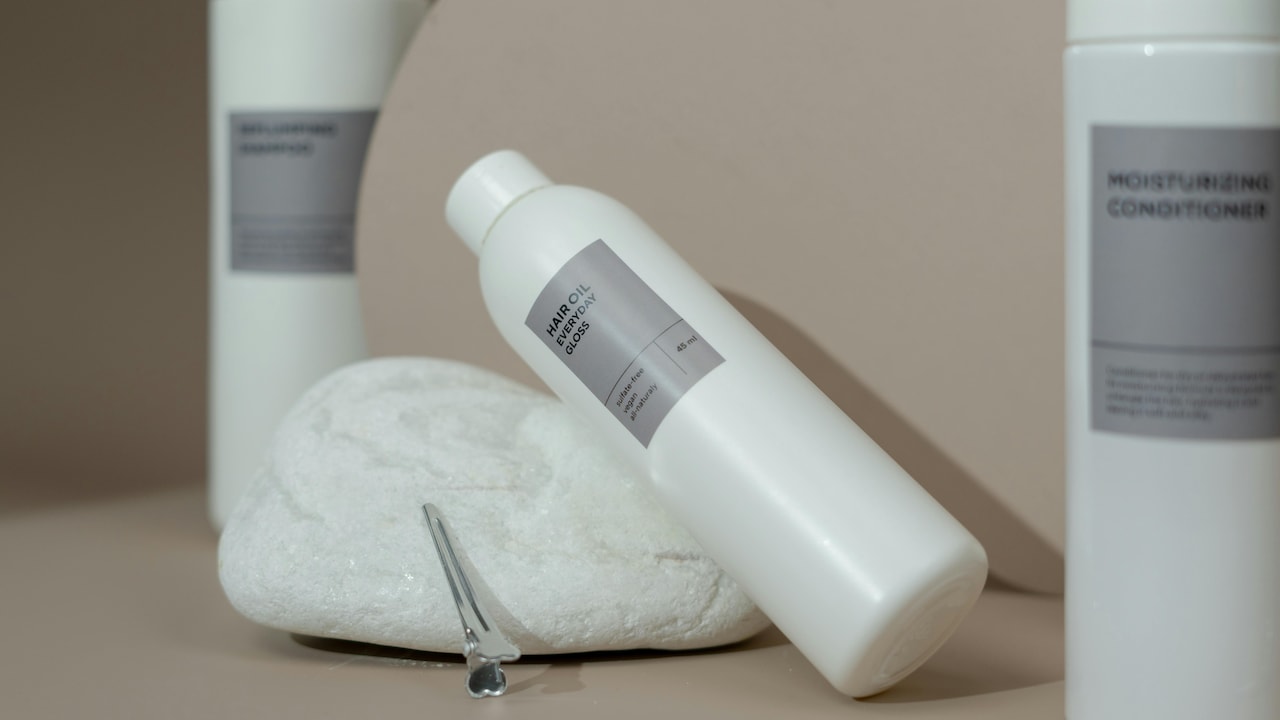
Is Shampoo Build-Up Ruining Your Hair? Signs, Causes, And Quick Solutions; Photo Credit: Pexels
5. The Ingredient Trap: When “Nourishing” Turns Heavy
Labels promise shine, smoothness, and repair. Many shampoos rely on silicones and conditioning agents to deliver instant results. These ingredients coat hair strands and make them feel soft. Over time, they pile up.
Silicones do not always wash away with gentle shampoos. They need stronger cleansers or clarifying washes. Without those, hair feels soft for a day, then dull and greasy. The shine looks fake. The softness disappears quickly.
Natural oils and butters can cause similar issues when overused. Coconut oil, shea butter, and argan oil nourish hair in moderation. Too much of a good thing creates weight. Especially in humid weather.
Reading ingredient lists helps. Products marketed for extreme damage or frizz control often suit occasional use. Daily shampoos work best when they clean without leaving a film. Switching formulas seasonally also helps. Hair needs change with the weather, diet, and routine.
6. Hard Water Woes: The Silent Build-Up Partner
Tap water quality plays a bigger role than most realise. Hard water contains minerals like calcium and magnesium. These minerals cling to hair and scalp during washing. Over time, they form a stubborn layer that shampoo alone struggles to remove.
Hair washed in hard water feels rough and looks dull. Colour fades faster. Curls lose bounce. Straight hair turns frizzy at the ends. No amount of conditioner fixes it fully.
Many households face this issue without knowing it. Signs include white residue on taps and difficulty creating lather. Installing a water filter helps, but not everyone wants that expense. Clarifying treatments remove mineral build-up effectively. Even simple remedies like diluted apple cider vinegar rinses help restore balance. Addressing water quality often creates dramatic improvements without changing every product on the shelf.
7. Clarifying Shampoos: The Reset Button Hair Needs
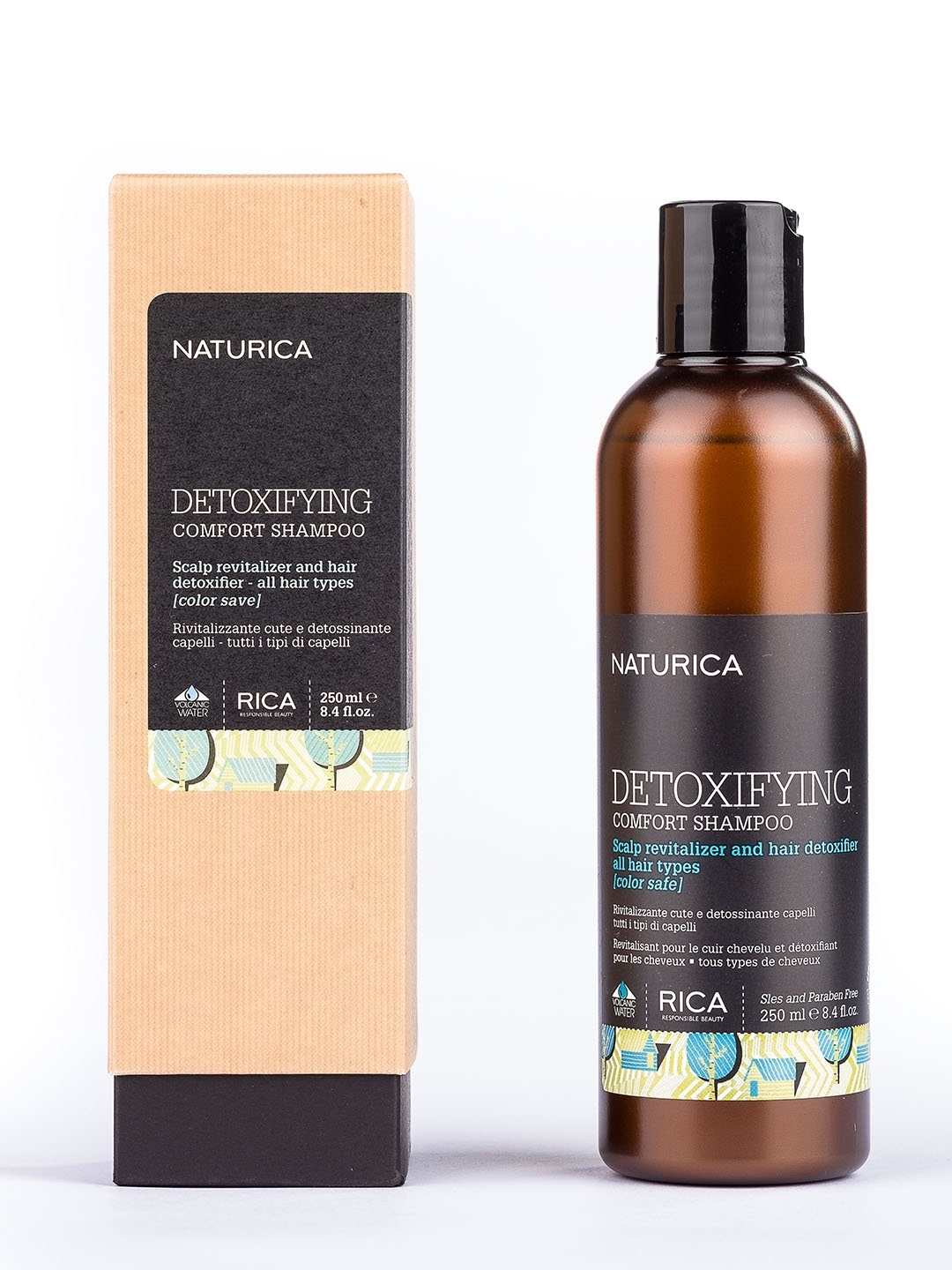
Clarifying shampoos sound intimidating. Many fear dryness or damage. Used correctly, they act like a detox for hair. These shampoos remove product residue, oil build-up, and mineral deposits in one go.
They work best when used occasionally, not daily. Once every two to four weeks suits most people. Those using heavy styling products or living in humid areas may need them more often.
After a clarifying wash, hair feels lighter and responds better to conditioners and masks. Volume returns. Curls regain shape. Straight hair moves freely again. Following up with a gentle conditioner prevents dryness.
Skipping this step keeps hair stuck in a cycle of temporary fixes. Think of clarifying as cleaning a canvas before painting. Everything works better afterwards. Affordable options exist under ₹600, proving that effective hair care does not require luxury spending.
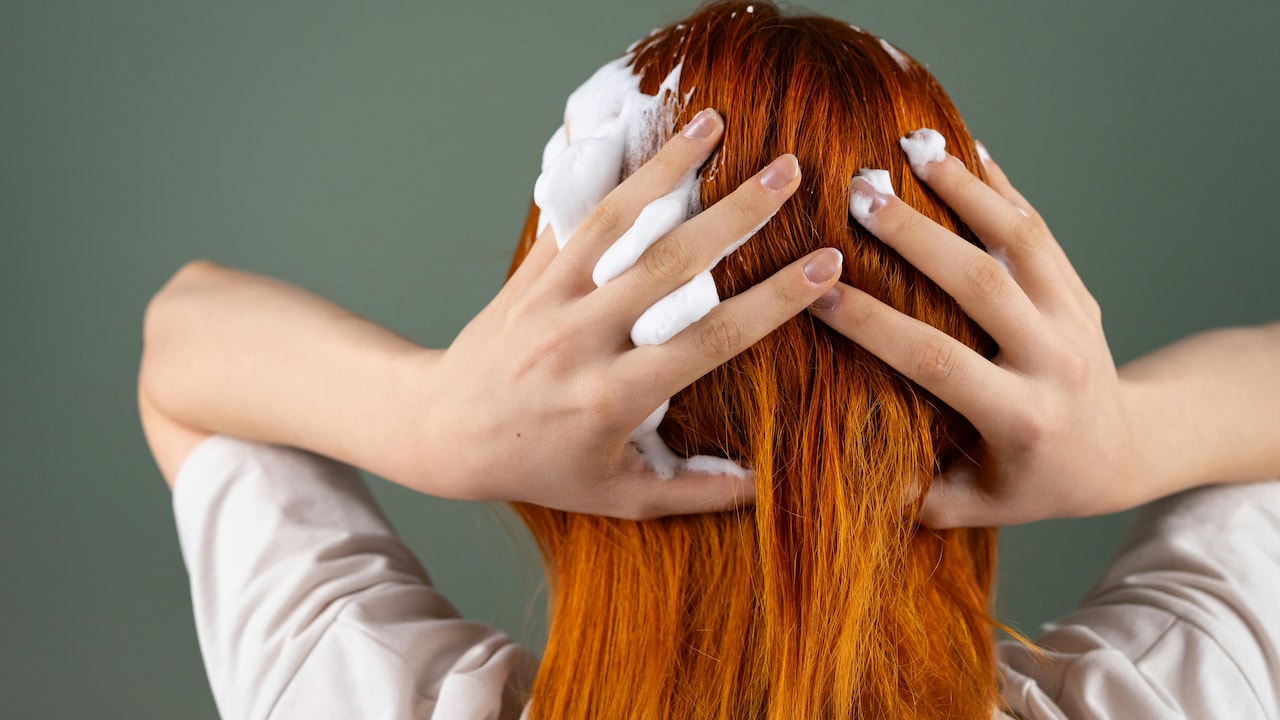
Is Shampoo Build-Up Ruining Your Hair? Signs, Causes And Quick Solutions; Photo Credit: Pexels
8. Home Fixes That Actually Work (Without Kitchen Chaos)
Home remedies often sound tempting. Some work wonders. Others create more mess than magic. Simplicity works best.
A baking soda rinse removes residue but is suitable for rare use only. Overuse dries hair out. Aloe vera gel mixed with water soothes the scalp and removes light build-up gently. Apple cider vinegar balances pH and boosts shine when diluted properly.
Oil massages help only when followed by proper cleansing. Leaving oil on the scalp for days attracts dirt and worsens build-up. Short massages before washing improve circulation without clogging pores.
Consistency matters more than experimentation. One effective remedy used occasionally beats ten used randomly. Hair responds well to routines that respect its natural balance. The goal stays clear: clean scalp, light strands, and minimal residue.
9. Styling Smarter: How Products Add to the Problem
Styling products bring convenience and confidence. They also contribute heavily to building up. Serums, creams, sprays, and dry shampoos leave residue by design. They cling to hair for hold or shine.
Problems arise when layering happens daily without proper cleansing. Hair feels coated. Styles stop holding. More product gets added to compensate. The spiral continues.
Using less product works better. Applying only to lengths instead of roots reduces scalp issues. Washing brushes and combs weekly prevents reapplying old residue. Rotating between styling-free days gives hair a break.
Heat styling worsens build-up effects. Residue heats up and bonds more strongly to hair strands. This causes dullness and breakage over time. Clean hair handles heat better. Smart styling choices protect hair health and keep volume intact.
10. A Simple Hair Reset Routine That Works Fast
Fixing shampoo build-up does not require a full overhaul. A short reset routine brings visible change within weeks.
Start with a clarifying shampoo once. Follow with a lightweight conditioner applied only to mid-lengths and ends. Skip heavy masks for a week. Let hair breathe.
Reduce washing frequency slightly. Rinse thoroughly every time. Use lukewarm water. Massage the scalp gently instead of scrubbing.
Choose one daily shampoo suited to your scalp type. Rotate products seasonally. Add a clarifying wash every few weeks. Keep styling minimal. Protect hair from hard water when possible.
Hair responds quickly to balance. Volume returns. Shine looks natural again. The scalp feels calm. Maintaining this routine saves money, time, and frustration. Good hair days stop feeling like luck and start feeling normal.
Products Related To This Article
1. PLIX THE PLANT FIX Rosemary Anti HairFall Advanced Shampoo with Plant Keratin
2. Love Beauty & Planet Argan Oil & Lavender Sulfate Free Smooth and Serene Shampoo
3. Pilgrim Australian Tea Tree Anti-Dandruff Shampoo With Salicylic Acid
4. Bare Anatomy Anti-Dandruff Shampoo With Salicylic Acid & Biotin For Reduces Dandruff
5. LOreal Professionnel Liss Unlimited Shampoo for Frizzy Hair with Pro-Keratin
Flat, lifeless hair often sends people searching for complex solutions. The real issue usually hides in plain sight. Shampoo build-up sneaks in through habits, products, and water quality. It affects volume, scalp health, and hair fall without warning. The fix stays surprisingly simple. Clean smarter, not harder. Remove residue regularly. Respect the scalp. Choose products thoughtfully. Hair rewards care that focuses on balance rather than excess. Once the build-up clears, hair regains its natural movement and shine. Confidence follows. Good hair days become consistent again, without stress or overthinking.
(Disclaimer: This article may include references to or features of products and services made available through affiliate marketing campaigns. NDTV Convergence Limited (“NDTV”) strives to maintain editorial independence while participating in such campaigns. NDTV does not assume responsibility for the performance or claims of any featured products or services.)