Why Sunscreens Create a White Cast: The Key Ingredients to Avoid for Better Blending
White cast in sunscreen often comes from mineral filters like zinc oxide and titanium dioxide. Understanding these ingredients helps in choosing formulas that blend smoothly while still providing effective sun protection.

10 reasons why even the most popular sunscreens can leave white cast on your skin.
Stepping out on a sunny afternoon often begins with a quick layer of sunscreen. Dermatologists insist on it, skincare influencers rave about it, and the blazing summer sun makes the need obvious. Yet one small problem frequently ruins the experience: the white cast. A carefully applied sunscreen suddenly turns the face pale, dull, and patchy.

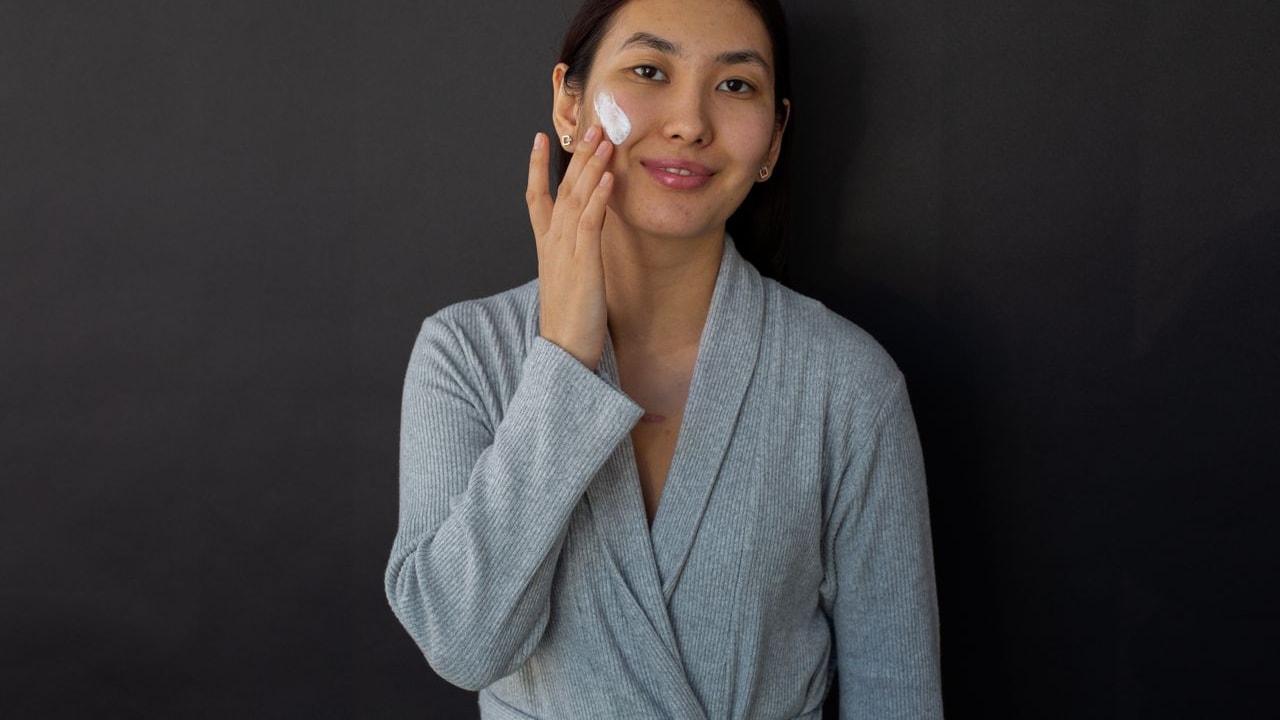
Explore sunscreen ingredients that leave a white cast on the skin; Photo Credit: Pexels
The result feels especially annoying before a morning commute, a weekend brunch, or a festive gathering. A person may spend ₹800 on a trusted sunscreen, only to watch it sit on the skin like a thin layer of chalk. Foundation struggles to blend, selfies appear washed out, and the mirror offers a disappointing reminder.
This effect has little to do with skin tone or skincare habits. Instead, the real cause lies in the ingredients inside the sunscreen bottle. Certain UV filters reflect sunlight effectively but also reflect visible light, creating that familiar white film. Others clump together or sit unevenly on the skin's surface.
A better understanding of these ingredients can make sunscreen shopping far easier. Some formulas blend seamlessly, disappear into the skin, and still deliver powerful protection. The difference often comes down to a few key components. Exploring these ingredients reveals why that white cast appears and how to avoid it.
Also Read: Best Matte Sunscreens for Oily Skin Under ₹1000 That Will Do Wonders For You
Understanding The Ingredients That Affect Sunscreen Blending
Zinc Oxide: The Classic Culprit Behind Chalky Sunscreens
Zinc oxide remains one of the most trusted sunscreen ingredients in dermatology. This mineral filter sits on the skin's surface and reflects harmful UV rays before they cause damage. Dermatologists love it because it protects against both UVA and UVB rays. Skin experts also recommend it for sensitive skin because it rarely causes irritation.
Yet zinc oxide often produces the most noticeable white cast. The mineral particles scatter visible light, which creates a pale film across the skin. Older sunscreen formulas used larger zinc particles, which intensified this effect. The result resembled a layer of white paint rather than skincare.
Anyone who has watched a cricket match might recall players with bright streaks of sunscreen across their cheeks and noses. That dramatic white layer usually came from heavy zinc oxide formulas designed for intense sun exposure.
Modern formulations attempt to fix this problem through micronised or nano zinc oxide. Smaller particles blend more smoothly into the skin and reduce the visible white effect. However, the ingredient still appears in many thicker mineral sunscreens that prioritise protection over cosmetic elegance.
For those who prefer invisible sunscreens, products with high percentages of zinc oxide often feel difficult to blend. Choosing lightweight formulas or tinted mineral sunscreens can reduce the chalky appearance while still delivering strong sun protection.
Titanium Dioxide: Effective But Often Visible
Titanium dioxide often appears beside zinc oxide in mineral sunscreens. This ingredient protects the skin by reflecting and scattering ultraviolet rays. Many skincare brands rely on titanium dioxide because it works quickly after application and rarely irritates the skin.
Despite these advantages, titanium dioxide contributes to the familiar white cast seen in mineral sunscreens. Its reflective particles bounce visible light in a way that brightens the skin unnaturally. When the formula sits unevenly, the effect becomes even more noticeable.
The white finish may look manageable under indoor lighting. Step outside into harsh sunlight, however, and the effect becomes obvious. Photographs often reveal the problem clearly. Flash photography exaggerates the reflective particles, leaving the face looking dramatically lighter than the neck.
Many sunscreens use titanium dioxide in high concentrations to boost SPF ratings. While this improves protection, it also increases the chance of a visible white layer.
Cosmetic chemists have attempted to refine the ingredient through smaller particle sizes and improved dispersion techniques. These adjustments help titanium dioxide blend more naturally into modern formulas.
Even so, thick mineral sunscreens with large amounts of titanium dioxide may still struggle to disappear completely into the skin. People who prefer invisible finishes often look for hybrid sunscreens that combine mineral filters with chemical filters for better blending.
High Mineral Filter Concentrations Can Create Heavy Layers
Mineral sunscreens rely on physical filters like zinc oxide and titanium dioxide. These ingredients sit on the skin's surface to block UV rays. When used in moderate amounts, they protect effectively without overwhelming the skin.
Problems appear when the concentration climbs too high. Many sunscreen manufacturers increase mineral content to achieve higher SPF levels. While this improves sun protection, it also thickens the formula and amplifies the white cast.
The texture of these sunscreens often feels dense and difficult to spread. Instead of melting into the skin, the cream forms a visible film. Even careful blending struggles to hide the chalky finish.
Imagine applying sunscreen before rushing to catch a local train during a scorching afternoon. A thick mineral sunscreen may leave streaks along the hairline and eyebrows. Sweat can then highlight the uneven patches even further.
High mineral concentrations also create another issue. They can make the skin appear dull or dry. The reflective particles scatter light unevenly, reducing the natural glow of the skin.
Choosing a balanced formula can solve this problem. Sunscreens that mix mineral and chemical filters often achieve strong SPF protection while keeping the texture lightweight and blendable.
Poorly Micronised Particles Sit On The Skin
Particle size plays a huge role in how sunscreen appears on the skin. Mineral filters like zinc oxide and titanium dioxide naturally form tiny solid particles. When these particles remain large or poorly refined, they sit visibly on the surface of the skin.
Older sunscreen formulations often used coarse mineral powders. These particles reflected light strongly, creating a pale film across the face. The effect resembled dust rather than skincare.
Modern cosmetic chemistry focuses heavily on micronisation. This process breaks mineral particles into much smaller pieces. Smaller particles scatter light more evenly and blend more naturally into the skin.
However, not all sunscreens use advanced micronisation techniques. Budget formulas sometimes rely on less refined mineral powders. The difference becomes obvious during application. The cream may feel gritty or appear streaky, leaving visible patches even after careful blending.
Anyone who has applied sunscreen in a hurry before stepping out for errands knows the struggle. A poorly blended mineral sunscreen can settle into fine lines or cling to dry areas, making the white cast even more noticeable.
Choosing sunscreens from brands that invest in refined particle technology can significantly improve blending. The sunscreen still protects effectively but feels smoother and less visible.
Thick Cream Bases Trap Mineral Pigments
The base formula of a sunscreen matters just as much as the active ingredients. Many sunscreens use thick cream bases designed for intense hydration. While these textures suit dry skin, they sometimes worsen the white cast problem.
Heavy creams hold mineral particles in dense clusters. When applied to the skin, these clusters spread unevenly and create visible streaks. Instead of melting into the skin, the sunscreen sits like a pale mask.
This effect often appears during humid weather. Thick sunscreen creams may feel comfortable inside an air-conditioned room. Step outdoors into heat and humidity, however, and the formula begins to separate slightly. The mineral particles then gather around pores, fine lines, and dry patches.
Imagine applying sunscreen before an afternoon shopping trip at a crowded market. Within minutes, the heat causes sweat to mix with the heavy cream. The result looks patchy rather than protective.
Gel-based sunscreens and fluid formulas often perform better in such conditions. These lighter bases distribute mineral particles more evenly across the skin. The sunscreen blends faster and reduces the chance of a visible white film.
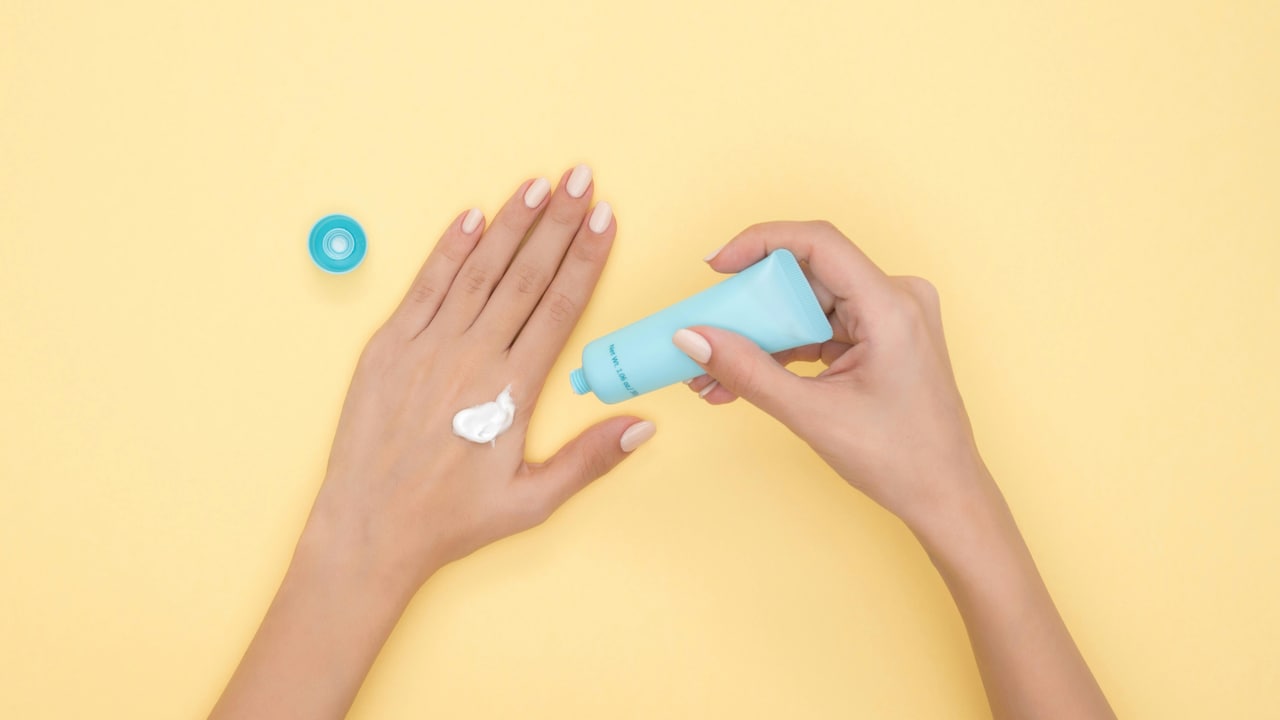
Sunscreens with thick cream bases can sometimes worsen the white cast problem.; Photo Credit: Pexels
Lack Of Tint In Mineral Sunscreens
Tinted sunscreens have gained popularity for a good reason. The subtle pigments inside these formulas help balance the white cast created by mineral filters. Without these pigments, mineral sunscreens often appear noticeably pale on the skin.
The tint works by neutralising the reflective particles. Instead of scattering visible light harshly, the pigment blends with the natural tone of the skin. This creates a smoother, more even appearance.
Many traditional mineral sunscreens lack this tint entirely. The formula focuses purely on UV protection, ignoring cosmetic finish. The result may protect the skin effectively but leave an obvious white layer.
Tinted sunscreens solve this issue elegantly. They behave like a light base or tinted moisturiser while delivering sun protection. The finish appears more natural, and makeup often applies more smoothly on top.
Picture a morning routine before heading to work. A tinted sunscreen can replace foundation on busy days. The skin looks even, protected, and ready for the day without extra layers of makeup.
Choosing a mineral sunscreen with a gentle tint can dramatically reduce the white cast effect. It offers the same protection while improving how the sunscreen blends into the skin.
Silicone-Free Formulas May Spread Unevenly
Silicones often appear in modern sunscreen formulas for a practical reason. These ingredients create a silky texture that allows sunscreen to glide smoothly across the skin. They also help distribute mineral particles evenly.
Some sunscreen brands remove silicones to create more “natural” formulations. While this appeals to ingredient-conscious consumers, it sometimes affects the texture of the sunscreen. Without silicones, the cream may drag during application.
This dragging motion prevents the sunscreen from spreading evenly. Mineral filters then clump together in certain areas, producing visible white patches. Even careful blending struggles to correct the uneven distribution.
Silicones also help sunscreens sit comfortably beneath makeup. Without them, the foundation may cling to patches of sunscreen, making the white cast even more obvious.
Imagine preparing for a family celebration or festival. After applying sunscreen, makeup suddenly refuses to blend properly. The uneven base highlights pale streaks around the nose and cheeks.
A well-formulated sunscreen often includes lightweight silicones to improve spreadability. These ingredients help the formula disappear more smoothly into the skin, reducing the chance of that chalky finish.
Sunscreens Designed For Sports Often Leave Residue
Sports sunscreens prioritise durability over cosmetic elegance. These formulas aim to stay intact during sweating, swimming, and long hours under harsh sunlight. As a result, they often contain high levels of mineral filters and thick film-forming ingredients.
This combination creates a sunscreen that resists water and sweat effectively. However, it also increases the chance of a visible white cast. The formula forms a protective layer across the skin rather than blending invisibly.
Many outdoor athletes accept this trade-off. During activities like trekking or cricket practice, sun protection matters far more than cosmetic appearance. The white streaks across the nose and cheeks signal strong protection.
For everyday use, however, these formulas may feel excessive. A quick trip to the office or a casual walk through the neighbourhood does not require such heavy-duty sunscreen.
Using a sports sunscreen during daily routines can leave the face looking noticeably pale. The thick layer also feels heavy under makeup or in humid weather.
Choosing sunscreens designed for daily wear often solves the problem. These formulas prioritise cosmetic comfort and blending while still delivering reliable sun protection.
Inadequate Emulsification Can Cause Patchy Application
Sunscreen formulas rely on a delicate balance between oil, water, and active ingredients. Cosmetic chemists use emulsifiers to keep these components evenly mixed. When this balance fails, the sunscreen may apply unevenly on the skin.
Poor emulsification allows mineral particles to separate slightly within the formula. During application, some areas receive more mineral content than others. The result appears as streaks or pale patches across the face.
This issue often becomes noticeable when sunscreen sits unused for long periods. Without proper emulsification, ingredients may settle unevenly inside the bottle. A quick shake rarely solves the problem completely.
The patchy effect becomes frustrating during rushed mornings. A sunscreen that looked promising in the store suddenly refuses to blend evenly across the skin. Pale streaks appear along the jawline or forehead despite repeated blending.
High-quality sunscreens invest heavily in stable emulsification systems. These formulations keep ingredients evenly distributed from the first drop to the last. The sunscreen spreads smoothly and reduces the risk of visible white patches.
Products Related To This Article
1. Mamaearth Sunscreen Spf 50 Pa Vitamin C Daily Glow Sunscreen Tan Protection No White Cast Turmeric
2. Cetaphil Sunscreen Spf 50 Pa Sun Very High Protection Light Gel 50ml
3. Dot Key Sunscreen Spf 50 Pa Vitamin C E Super Bright Sunscreen In Vivo Tested All Skin
4. Foxtale Sunscreen Spf 50 Pa Glow Vitamin C Niacinamide Dewy
5. Derma Co Sunscreen Spf 50 Pa 1 Hyaluronic Aqua Gel, Lightweight, No White Cast Broad Spectrum
A white cast from sunscreen may seem like a minor cosmetic inconvenience, yet it often discourages consistent sun protection. Many people skip sunscreen entirely after experiencing that chalky finish. The irony feels obvious: a product designed to protect the skin becomes difficult to use daily.
The real issue rarely lies with sunscreen itself. Instead, specific ingredients and formulation choices influence how the product behaves on the skin. Mineral filters like zinc oxide and titanium dioxide offer excellent UV protection, but can create visible residue when poorly formulated. Thick textures, high mineral concentrations, and inadequate blending technology further amplify the problem.
Modern skincare science continues to improve sunscreen formulations. Lightweight gels, tinted mineral sunscreens, and hybrid formulas now offer strong protection without leaving a ghostly layer behind.
Understanding the ingredients inside a sunscreen bottle empowers smarter choices. A well-formulated sunscreen should protect the skin while disappearing almost effortlessly. After all, sun protection works best when it becomes a comfortable, everyday habit rather than a cosmetic compromise.
(Disclaimer: This article may include references to or features of products and services made available through affiliate marketing campaigns. NDTV Convergence Limited (“NDTV”) strives to maintain editorial independence while participating in such campaigns. NDTV does not assume responsibility for the performance or claims of any featured products or services.)