The Summer Skincare Shuffle: Why Your Routine Needs A Seasonal Reset
As temperatures rise, your skin changes too. Learn why transitioning your cleanser, serums, moisturiser and sunscreen before summer is essential.

As temperatures rise, your skin produces more oil and needs lighter products.
Every year, as temperatures begin their slow climb, a familiar set of questions surfaces among skincare consumers: Why is the skin suddenly breaking out when it was perfectly calm all winter? Why does it feel tight in the morning and shiny by noon? Why does the moisturiser that worked faithfully for four months now feel like a layer that won't come off?

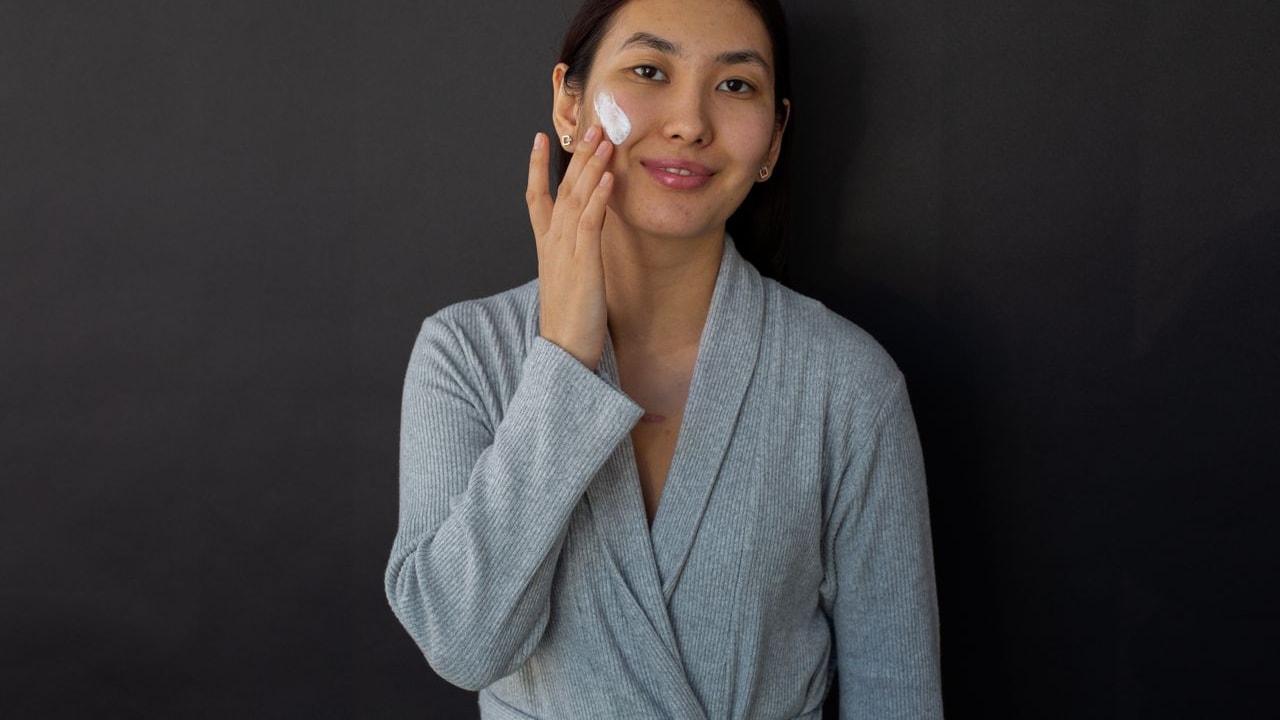
Lightweight moisturisers hydrate the skin without making it greasy.
Photo Credit: Pexels
The answer, more often than not, is the same: the skin has changed and the routine has not caught up.
Malini Adapureddy, Founder and CEO of Deconstruct Skincare, calls this one of the most underestimated stressors in skincare. The transition is not a sudden flip from cold to hot, it is a gradual, week-by-week shift in temperature, humidity, UV intensity, and sebum production that rewrites the rules the skin has been operating by. Routines built for January are rarely fit for April. Without a corresponding reset, the skin pays the price.
Also Read: 6 Face Washes That Don't Leave Skin Dry
What Actually Happens to Your Skin During Seasonal Transition
Imagine that your skin barrier is a sophisticated weather instrument. Through winter, it calibrates itself to conserve moisture, producing less sebum, relying more on external application, and keeping cell turnover relatively slow. The moment temperatures begin climbing consistently, even by just a few degrees, the skin responds in multiple ways at once.
Sebaceous glands wake up. Pores begin to expand slightly with the warmth. UV radiation intensifies, and what makes the transition
window particularly tricky is the layer of dead skin cells accumulated through the drier winter months is still sitting on the surface, creating a film that can trap the increased oil production underneath and that is often where congestion, dullness, and breakouts begin.
For drier skin types, the picture becomes even more layered. The outer dryness may not have fully resolved, the deeper layers are still catching up, while the surface begins producing more oil. The result is that confusing presentation of flaky patches and congested zones appearing on the same face. It is not a contradiction. It is biology responding to transition.
The First Reset: Rethinking Your Cleanser
Cleansing is where most seasonal transitions begin to go wrong. The instinct is to either hold on to the rich, cream-based cleansers that worked well in January, or to overcorrect entirely and reaching for something far too harsh for skin that is still in a vulnerable mid-transition state.
According to Malini, a double-cleanse approach in the evening is worth adopting at this stage. Starting with an oil-based or balm cleanser that dissolves sunscreen, pollution, and the day's accumulated sebum without disrupting the skin barrier, followed by a gentle, low-pH face wash that completes the cleanse without leaving skin feeling stripped. In the morning, a simple gel or foam cleanser which is lightweight and rinse-clean is typically sufficient.
The signal to watch for: if the skin feels tight or looks dull immediately after washing, the cleanser is working against it, not for it.
The Serum Strategy: What the Skin Actually Needs Now
Winter is a season for deep nourishment - thick moisturisers, occlusive layers, barrier-repairing formulations. As April sets in, the serum strategy needs to become more targeted and more purposeful.
Malini points to Vitamin C as an active worth prioritising at this time of year. The months ahead bring more sun exposure, more melanin production, and more opportunity for pigmentation and uneven tone to take hold. A well-formulated Vitamin C serum, particularly ones that pair the active with Ferulic Acid for enhanced stability and efficacy when applied consistently in the morning builds the skin's antioxidant defences before the damage begins.
For those managing increased oiliness and congestion, a Niacinamide serum becomes a pivotal addition. Niacinamide works at a cellular level to regulate sebum production, visibly reduce pore appearance, and address the kind of dullness and post-inflammatory pigmentation that tends to surface with seasonal breakouts. Paired with Alpha Arbutin, it becomes especially effective for anyone managing tan lines, acne marks, or persistent uneven tone.
For those already using a Retinol serum, summer is also a moment to reassess concentration and frequency. The same dose that felt gentle in December may need to be managed more carefully as UV exposure increases. Retinol and sun are not natural partners, which makes a consistent, broad-spectrum sunscreen not just a recommendation but a requirement.
The Moisturiser Misconception
One of the most common errors as temperatures rise is abandoning moisturiser altogether. The reasoning - "my skin already feels oily" - is understandable, but the biology does not support it. Skipping moisturiser when the skin begins overproducing oil often exacerbates the very problem it is meant to solve.
Dehydrated skin tends to overproduce sebum as a compensatory response. The solution is not to remove moisturiser from the routine but to change its format. Summer calls for a lighter touch: a gel-based or fluid moisturiser that delivers meaningful hydration without weight or occlusion. Non-comedogenic, fast-absorbing formulations that allow the skin to breathe are the right fit for this window.
Sunscreen Is Not A Summer Product
This bears repeating every year, because every year a significant number of people treat sunscreen as a warm-weather accessory rather than a foundational step. Well before summer officially arrives, UV intensity across most of India has already risen considerably. The cumulative sun exposure that causes pigmentation, collagen breakdown, and cellular damage is happening on the morning commute, during the lunch hour, and through windows at home and office - long before summer officially begins.
The shift in season also means that sunscreen format becomes a more active consideration. A rich, moisturising SPF that performed well in December will often feel suffocating by April. Gel sunscreens and lightweight fluid sunscreens - broad-spectrum UVA/UVB, SPF 50 or above - are the appropriate switch. For oilier skin types specifically, formulations with photostable UV filters that hold up in heat and leave no white cast make the difference between a product that gets used consistently and one that gets quietly shelved. As Adapureddy puts it, the best sunscreen is the one a person will actually wear every day, without resenting it.
The Bigger Principle: Less Aspiration, More Information
At the heart of Malini's philosophy is a fairly straightforward idea: skincare has for too long been sold on aspiration and anxiety. Glossy imagery of glass skin paired with the quiet suggestion that one is always doing too little, using too little, spending too little needs to go. What she advocates, both in her thinking and in the way she has approached building in this space, is to give people accurate information, and trust them to make good decisions.
A seasonal reset does not require a complete product overhaul. For most people, it means swapping two or three steps for lighter, more seasonally aligned alternatives and committing to consistency where it matters most: sunscreen, targeted actives, and appropriate hydration. The science of it is not complicated. What tends to make it feel complicated is the way it has historically been communicated.
The skin is not failing this April. It is adjusting. The routine simply needs to adjust with it.
Products Related To This Article
1. deconstruct 5% Vitamin C Gel Sunscreen Brightens Oily Skin
2. deconstruct Brightening Lip Balm SPF 50 Moisturizes And Brightens Lips
3. deconstruct 10% Vitamin C Serum Non-Irritating + Non-sticky
4. deconstruct Oil-Free Moisturizer Non Sticky with 72 HR Hydration
5. deconstruct Niacinamide Serum Fades Dark Spots and Pigmentation
6. deconstruct Fluid Brightening SPF 50+ PA++++ Sunscreen With Niacinamide Brightens Skin
7. deconstruct Salicylic Acid Oil Control Non-drying And Cooling Face Wash with Niacinamide
8. deconstruct Anti-Dandruff Scalp Serum
9. deconstruct Salicylic Acid Body Wash
10. deconstruct 0.2% Hyaluronic Acid And 1% Squalane Face Moisturizer
(Disclaimer: This article may include references to or features of products and services made available through affiliate marketing campaigns. NDTV Convergence Limited (“NDTV”) strives to maintain editorial independence while participating in such campaigns. NDTV does not assume responsibility for the performance or claims of any featured products or services.)