Tinted Vs Invisible Sunscreens: Which One Actually Works Better Under Makeup?
Which tinted or invisible sunscreen works better under makeup? Discover how each formula affects coverage, wear time, finish, and overall makeup performance.
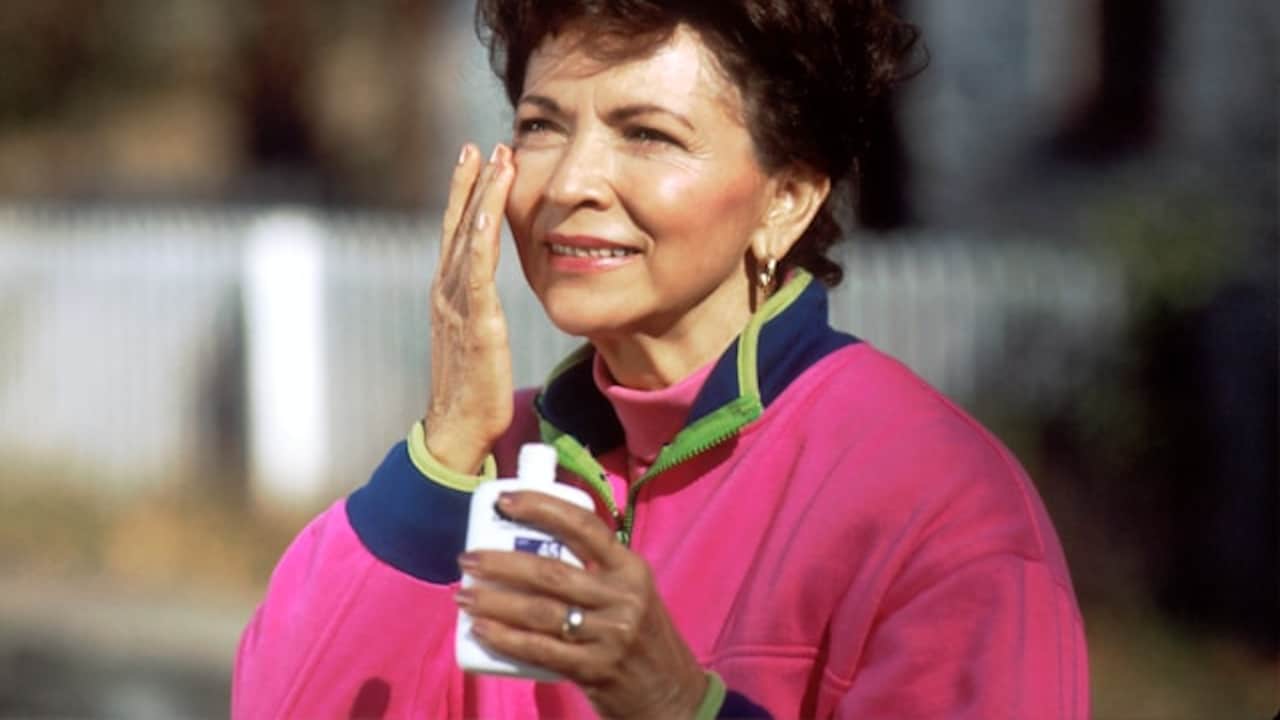
Which is the best sunscreen type to wear under makeup
Few beauty products have undergone a glow-up quite like sunscreen. Gone are the days when applying SPF meant dealing with a thick white layer that refused to blend. Today's shelves feature lightweight invisible sunscreens, skin-perfecting tinted formulas, and innovative hybrids that promise protection without compromising appearance. For makeup lovers, however, choosing a sunscreen often feels like solving a puzzle. A product may offer excellent sun protection yet cause foundation to pill. Another may create a beautiful glow but leave the complexion looking greasy by lunchtime. The challenge becomes even more apparent during hot afternoons, crowded commutes, and festive seasons when makeup needs to stay put for hours.
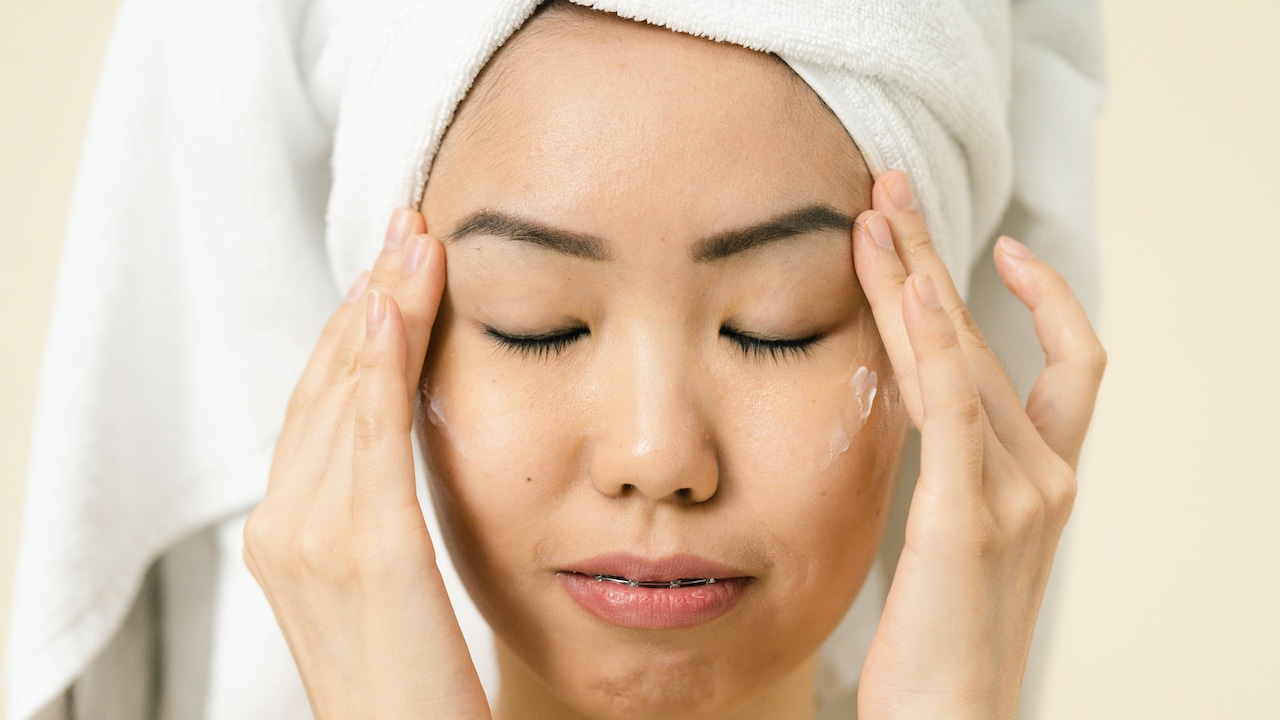
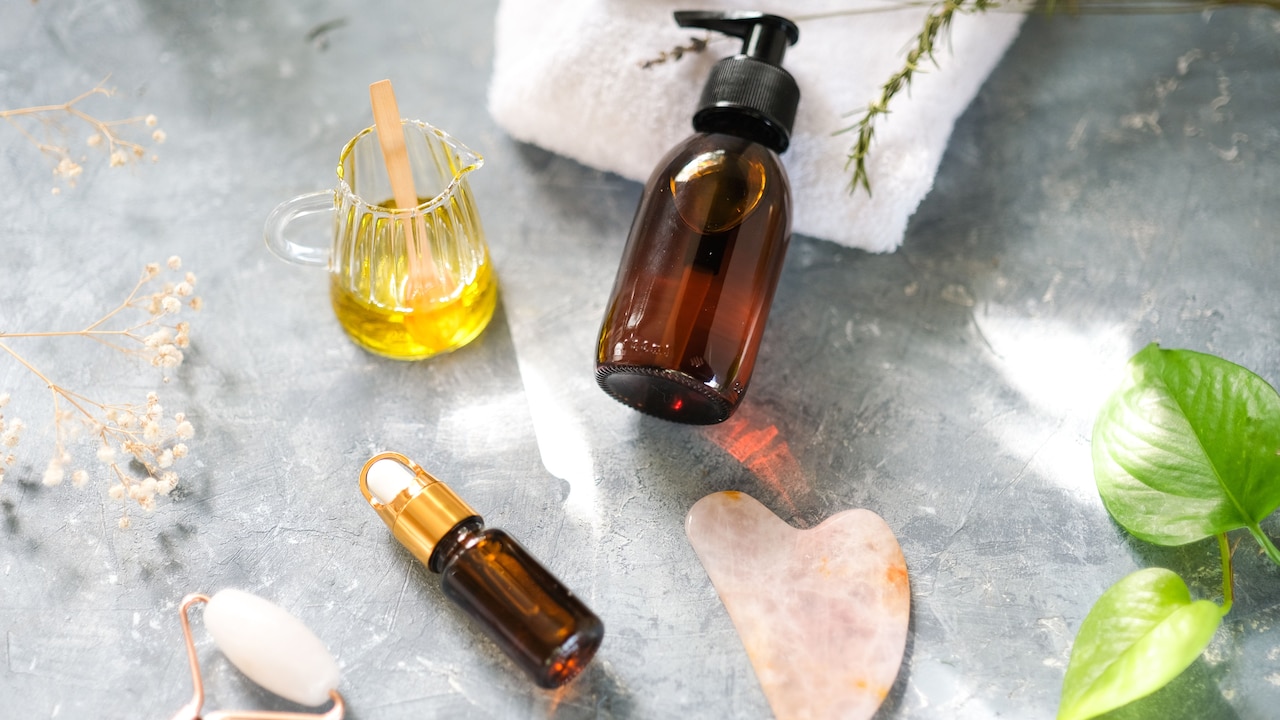
Tinted vs invisible sunscreen which works better under makeup; Photo Credit: Pexels
Among the many options available, tinted and invisible sunscreens remain two of the most popular choices. Both claim to work seamlessly under makeup, but they achieve that goal in very different ways. Understanding how each formula behaves can make all the difference between a smooth, long-lasting finish and a makeup disaster waiting to happen.
Also Read: SPF 30 Or SPF 50: Are You Using The Right Sunscreen?
Tinted Vs Invisible Sunscreens: Understanding The Key Differences
What Makes Tinted Sunscreens Different?
Tinted sunscreens combine sun protection with a hint of colour. They often contain iron oxides, which help neutralise uneven skin tone while adding an extra layer of defence against visible light. This makes them particularly appealing for those concerned about pigmentation and dark spots.
The immediate attraction lies in their multitasking ability. On busy mornings, a tinted sunscreen can replace several products. Instead of applying moisturiser, sunscreen, primer, and a light base separately, many people achieve a polished appearance with just one product.
Under makeup, tinted formulas often create a smoother canvas. The slight colour correction helps the foundation appear more even and natural. For someone heading to work or a weekend brunch, this can save both time and effort.
However, not every tinted sunscreen suits every complexion. Finding the right shade can sometimes feel like searching for the perfect pair of jeans. A mismatch may create an unnatural cast, making foundation blending more complicated rather than easier.
Why Invisible Sunscreens Have Become So Popular
Invisible sunscreens focus on one key promise: protection without any visible residue. Their lightweight texture and transparent finish appeal to those who dislike the feeling of traditional SPF products.
Many invisible formulas use advanced silicone-based technology that creates a smooth surface similar to a makeup primer. This explains why they have become favourites among makeup enthusiasts. Foundation glides over the skin effortlessly, and the finish often looks refined and polished.
Another major advantage is flexibility. Invisible sunscreens work across a wide range of skin tones because they leave no colour behind. There is no need to worry about shade matching or oxidation throughout the day.
The popularity of these products has also surged because of social media beauty trends. When influencers demonstrate a sunscreen disappearing instantly into the skin, it naturally attracts attention. Yet despite the impressive finish, not all invisible formulas perform equally. Some may feel overly silicone-heavy, while others struggle to control excess oil in humid conditions.
The Battle Of Texture Under Makeup
Texture often determines whether a sunscreen becomes a favourite or ends up forgotten at the back of a drawer.
Tinted sunscreens generally have a creamier consistency. This richer texture can benefit dry or normal skin because it provides additional hydration. Foundation often sits comfortably on top, creating a dewy and healthy-looking finish.
Invisible sunscreens, by contrast, usually feel lighter and silkier. Many resemble a smoothing primer, which can help blur pores and fine lines. This characteristic makes them particularly attractive for people who enjoy a soft-focus makeup look.
However, layering products requires balance. Applying a heavy foundation over a rich-tinted sunscreen may feel excessive. On the other hand, pairing a matte foundation with a lightweight invisible sunscreen can create a more breathable finish.
The ideal choice often depends on personal preference. Some people enjoy a hydrated glow, while others prefer a barely-there feel that allows makeup to take centre stage.
Which Option Lasts Longer In Humid Weather?
Hot and humid weather can test even the most expensive makeup products. A perfectly blended base at 8 a.m. may look entirely different by lunch.
Tinted sunscreens tend to offer better grip because of their creamier composition. Many users notice that makeup clings well to the surface, reducing patchiness throughout the day. This can prove useful during weddings, family gatherings, or long office hours.
Invisible sunscreens excel in another area. Their lightweight nature often prevents the skin from feeling overloaded. Since they absorb quickly, they may reduce the likelihood of makeup sliding around when temperatures rise.
The outcome largely depends on skin type. Oily complexions often prefer invisible sunscreens because they feel less heavy. Dry skin may appreciate the extra nourishment provided by tinted alternatives.
In reality, no sunscreen can completely defeat humidity. Setting powders, fixing sprays, and regular touch-ups still play important roles in maintaining a fresh appearance.
Coverage Benefits Beyond Sun Protection
Sunscreen's primary role remains protection, but cosmetic benefits influence purchasing decisions more than ever.
Tinted sunscreens provide a subtle layer of coverage that can blur redness, mild pigmentation, and uneven tone. On low-maintenance days, many people skip foundation entirely and rely solely on the tint for a naturally polished look.
This added coverage proves particularly useful during quick errands or casual outings. A product that protects and perfects the skin simultaneously offers undeniable convenience.
Invisible sunscreens take a different approach. Rather than covering imperfections, they create a neutral base. This allows makeup products to perform exactly as intended without altering colour or finish.
The choice comes down to priorities. Those seeking a streamlined routine may lean towards tinted formulas. Those who enjoy full-face makeup and precise colour matching may find invisible options more practical.
How Skin Type Influences The Winner
No beauty product works universally, and sunscreen is no exception.
Dry skin often thrives with tinted sunscreens because their moisturising properties help prevent flakiness. Foundation appears smoother and less likely to cling to dry patches.
Combination skin occupies the middle ground. Depending on the season, either formula may work beautifully. During cooler months, tinted options can provide extra comfort. During warmer months, invisible formulas may feel more refreshing.
Oily skin frequently gravitates towards invisible sunscreens. Their lightweight texture reduces the sensation of heaviness, particularly during long days outdoors. Many modern formulas also include oil-control features that help maintain a matte appearance.
Sensitive skin requires additional attention. Fragrance-free and dermatologist-tested products often matter more than whether a sunscreen is tinted or invisible. Reading ingredient labels carefully remains essential.
Ultimately, skin type influences performance more than marketing claims ever will.
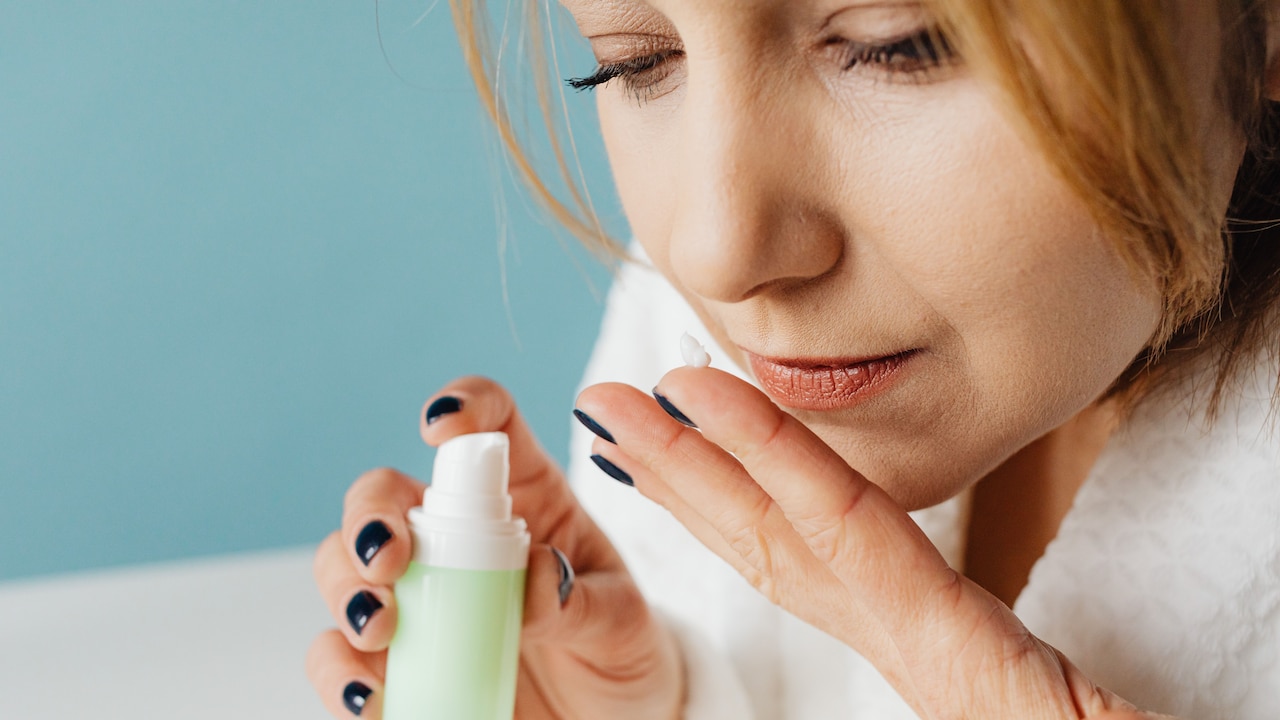
Dry, oily, and combination skin type can also affect the final result; Photo Credit: Pexels
The Hidden Advantage Of Tinted Formulas
One aspect often overlooked in sunscreen discussions involves visible light protection. Tinted sunscreens typically contain iron oxides, ingredients that help shield the skin from visible light exposure.
For people dealing with stubborn pigmentation or post-acne marks, this benefit can be significant. Even diligent sunscreen users sometimes struggle with recurring dark patches despite applying SPF regularly.
Visible light contributes to these concerns, especially when combined with sun exposure. Tinted formulas offer an additional layer of defence that invisible products may not always provide.
Dermatologists increasingly highlight this advantage when discussing pigmentation management. Although the difference may not be obvious immediately, consistent use can support long-term skin health.
This does not mean invisible sunscreens lack effectiveness. They still deliver valuable UV protection. However, for individuals specifically targeting hyperpigmentation, the extra support from iron oxides may tip the scales.
Do Invisible Sunscreens Work Better As Primers?
Many invisible sunscreens market themselves as primer-like products, and in many cases, the claim holds true.
Their silky texture often fills minor skin irregularities and creates a smoother surface for foundation application. This can make makeup appear more refined and evenly distributed.
For those who dislike applying multiple layers, an invisible sunscreen may eliminate the need for a separate primer. Over time, this can also reduce spending. After all, skipping an additional product every month could save a noticeable amount, especially when beauty budgets already stretch beyond ₹2,000 or ₹3,000.
Tinted sunscreens can also function as primers, but they typically focus more on evening out skin tone than creating a pore-blurring effect. Their strengths lie in colour correction rather than texture refinement.
Anyone who prioritises a flawless makeup finish may appreciate the primer-like qualities of invisible formulas. Those who value complexion enhancement may prefer the benefits of a tinted alternative.
Which One Actually Works Better Under Makeup?
The answer may disappoint anyone hoping for a clear winner.
Tinted sunscreens work exceptionally well under makeup when skin tone correction and added coverage matter most. They simplify routines, enhance radiance, and provide valuable visible light protection.
Invisible sunscreens shine when a lightweight, seamless base takes priority. They pair effortlessly with various foundation types and often create a smoother application experience.
For full-face makeup enthusiasts, invisible sunscreens frequently edge ahead because they allow foundation shades and finishes to remain unchanged. For minimalists, tinted sunscreens often offer the perfect balance between skincare and cosmetics.
The best choice depends less on the label and more on lifestyle, skin type, and makeup preferences. A person attending a summer wedding may prefer one formula, while someone rushing to a morning meeting may favour the other.
Products Related To This Article
1. Deconstruct Invisible Water Sunscreen SPF 50 PA+++
2. RE' EQUIL Sheer Zinc Tinted Sunscreen
3. The Derma Co Hyaluronic Invisible Sunscreen SPF 50 Gel For All Skin With Hyaluronic Acid
4. Dot & Key Strawberry Dew Tinted Sunscreen In-Vivo Tested SPF 50+ PA
5. FIXDERMA Shadow Invisible Serum Sunscreen SPF 50+ PA+++
6. Foxtale SPF 50 PA++++ Tinted Sunscreen
7. The Plant Fix Plix Spf 50+ Guava Glow Invisible Sunscreen For All Skin Type With Pa +++
The debate between tinted and invisible sunscreens does not end with one product outperforming the other. Both offer excellent sun protection when applied correctly and in sufficient amounts. The real difference lies in how they interact with makeup and address individual skincare goals.
Tinted sunscreens bring the advantage of subtle coverage, visible light protection, and a naturally polished finish. Invisible sunscreens deliver versatility, lightweight comfort, and a primer-like effect that many makeup lovers appreciate.
Rather than searching for a universal winner, consider what the skin needs most. Some days call for effortless coverage and glow. Other days demand a barely-there base that lets foundation do all the work. Having both options available can often be the smartest beauty move of all.
After all, the best sunscreen under makeup is the one that gets applied consistently, feels comfortable throughout the day, and encourages healthy skin for years to come.
(Disclaimer: This article may include references to or features of products and services made available through affiliate marketing campaigns. NDTV Convergence Limited (“NDTV”) strives to maintain editorial independence while participating in such campaigns. NDTV does not assume responsibility for the performance or claims of any featured products or services.)