10 Signs Hair Product Build-Up Is Blocking Conditioner From Doing Its Job
Product build-up can stop conditioner from working properly, leaving hair dull, greasy, rough or hard to manage. Here are 10 clear signs that residue may be getting in the way.
Is Hair Build-Up Blocking Your Conditioner? 10 Signs To Watch For
There are few hair-care disappointments quite like applying a generous amount of conditioner, waiting patiently, rinsing it out and discovering that the hair still feels like it has spent the afternoon arguing with a ceiling fan. The conditioner may not be the problem. Modern hair routines often involve more products than expected. A little serum before work, dry shampoo between washes, heat protectant before styling, oil before shampooing, and perhaps a leave-in cream for good measure. Each product can be useful on its own. Trouble begins when traces of these formulas stay behind wash after wash. Over time, oils, silicones, styling polymers, sweat, pollution particles, and mineral deposits from water can collect along the hair shaft. Think of it as an invisible raincoat. Conditioner sits on top, but the nourishing ingredients struggle to get where they need to go. Build-up does not always announce itself with greasy hair. Sometimes the signs are oddly contradictory: oily roots with dry ends, flat hair that also feels rough, or freshly washed strands that still seem coated. Here are ten signs that product build-up may be standing between the hair and the conditioner meant to care for it.
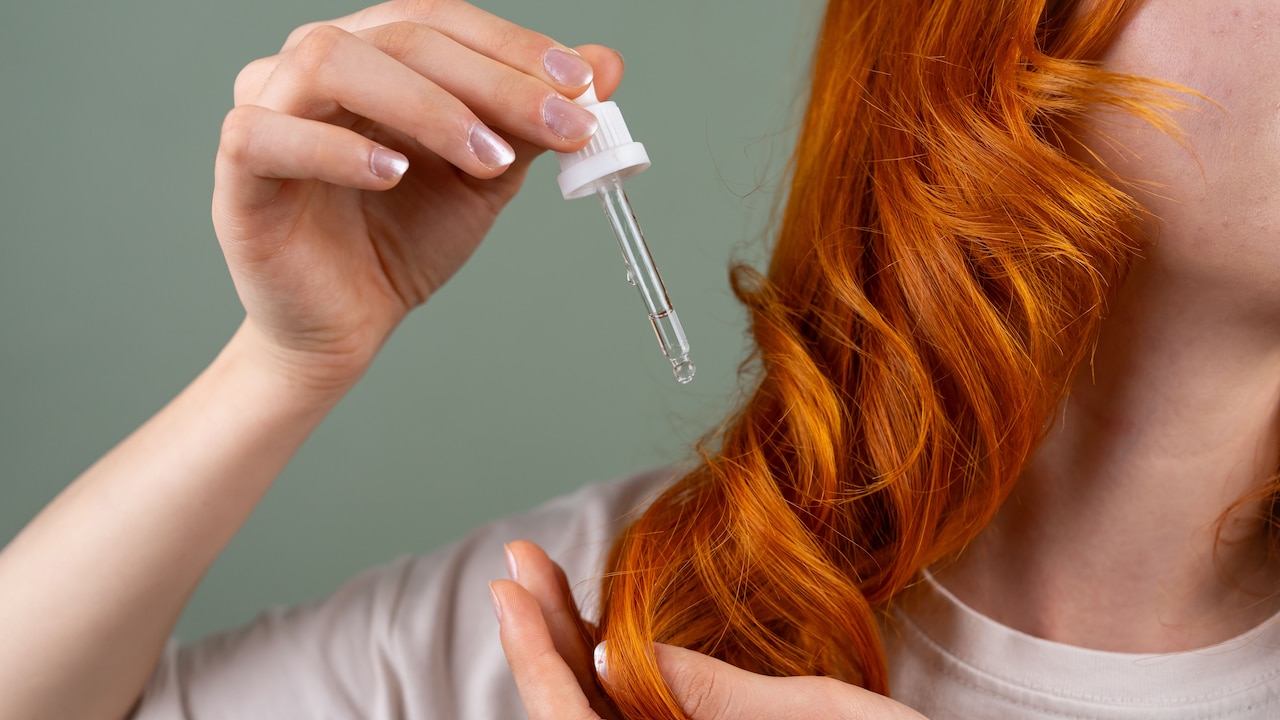
Is Hair Build-Up Blocking Your Conditioner? 10 Signs To Watch For; Photo Credit: Pexels
How To Tell If Product Build-Up Is Blocking Your Conditioner
1. Hair Still Feels Rough After Conditioning
Conditioner should leave the hair noticeably smoother, even if the effect varies with texture and damage. When strands remain coarse, raspy or straw-like after a normal conditioning routine, build-up may be stopping the formula from working properly.
The problem often begins gradually. Styling creams, silicone-based serums, and heavy oils can coat the hair shaft. With repeated use, these layers may make the surface feel polished at first. Eventually, however, conditioner struggles to spread evenly or penetrate areas that need moisture most.
This can create a frustrating situation where more conditioner seems like the obvious answer. Extra product may only add another layer.
A useful clue appears during rinsing. Healthy, well-conditioned hair usually feels slippery and pliable under water. Hair affected by build-up can feel oddly stiff, coated or resistant, as though the strands refuse to soften.
Before changing conditioners, consider what has been used during the previous week. Several styling products layered together can leave more residue than expected, especially when regular shampoo is very gentle.
Sometimes the best solution is not a richer conditioner. It is giving the conditioner a cleaner surface to work on.
Also Read: Top 5 Hair Conditioners That Work - Just Follow THIS Routine For Great Results
2. Your Roots Turn Greasy Soon After Washing
Freshly washed hair should usually enjoy at least a little breathing room before the roots begin to look oily again. When the scalp appears greasy just hours after shampooing, lingering product residue may be part of the reason.
Dry shampoo, hair oil, smoothing creams and styling sprays can settle near the roots. If shampoo does not fully remove them, the scalp can look shiny even when excess natural oil is not the main issue.
The result feels particularly annoying on busy mornings. Hair gets washed before breakfast, dried carefully and styled, only to look suspiciously flat by lunchtime.
Build-up can also tempt people into washing more frequently. That may create another cycle of heavy cleansing followed by generous conditioning and styling, which adds more products back into the routine.
Pay attention to how the roots feel rather than how they look alone. Residue-heavy hair often feels waxy or slightly tacky when fingers run through the scalp area.
A thorough wash focused on the roots can make a noticeable difference. Conditioner should then stay mostly on the mid-lengths and ends unless the formula specifically suits scalp use.
Clean roots also help the rest of the routine behave more predictably.
3. Conditioner Seems To Sit On Top Of The Hair
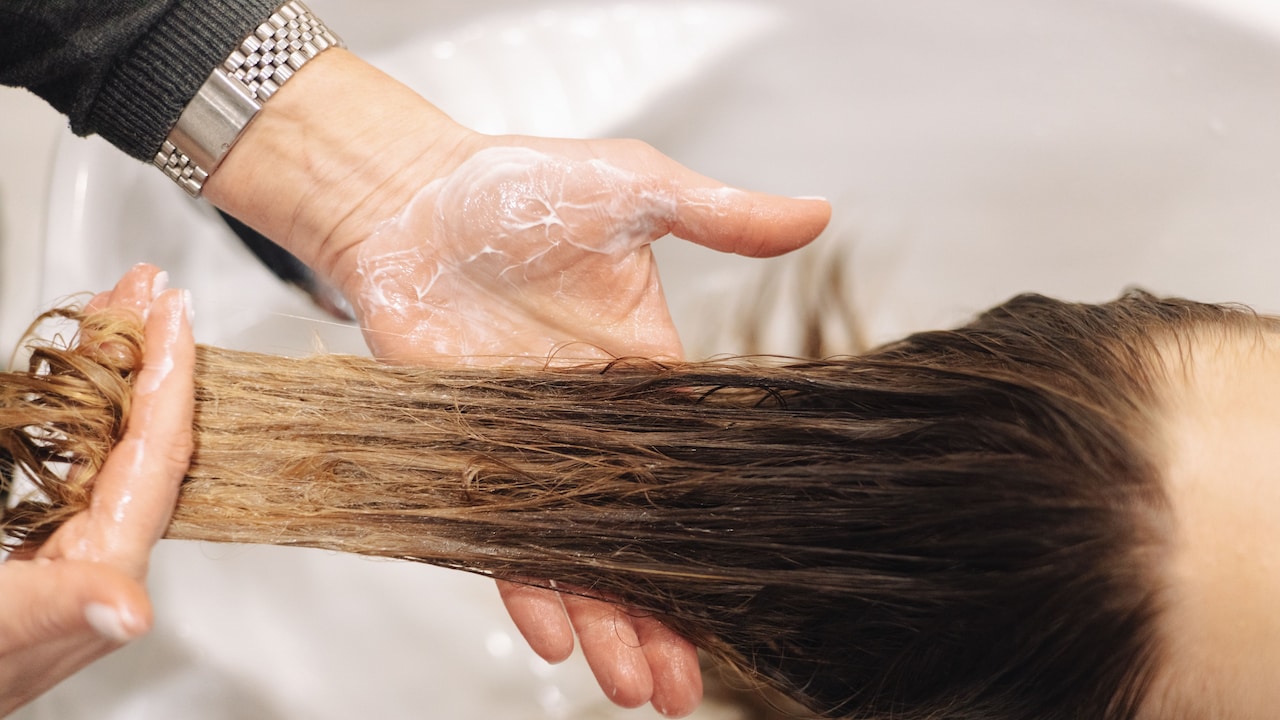
One of the clearest signs of build-up appears during conditioning itself. The product spreads across the surface but never seems to melt into the strands.
Instead of becoming softer and easier to detangle, the hair feels coated with cream. Even after several minutes, the conditioner remains strangely obvious, almost as though it has been painted on rather than absorbed.
This often happens when layers of silicone, oil or styling polymers have accumulated along the cuticle. These ingredients are not automatically harmful. Many make hair smoother, shinier and easier to manage. Problems arise when repeated layering outpaces cleansing.
Picture applying moisturiser over a thick layer of festival make-up without removing the make-up first. The moisturiser may be excellent, but it cannot do much through everything sitting underneath.
Hair can behave in much the same way.
A good test is to observe how quickly conditioner disappears into wet strands. When build-up is minimal, the product generally spreads smoothly, and the hair begins feeling more flexible.
When residue becomes heavy, the conditioner may remain creamy, patchy or slippery on the outside.
That sensation is often a sign that cleansing needs more attention before another conditioning product enters the bathroom shelf.
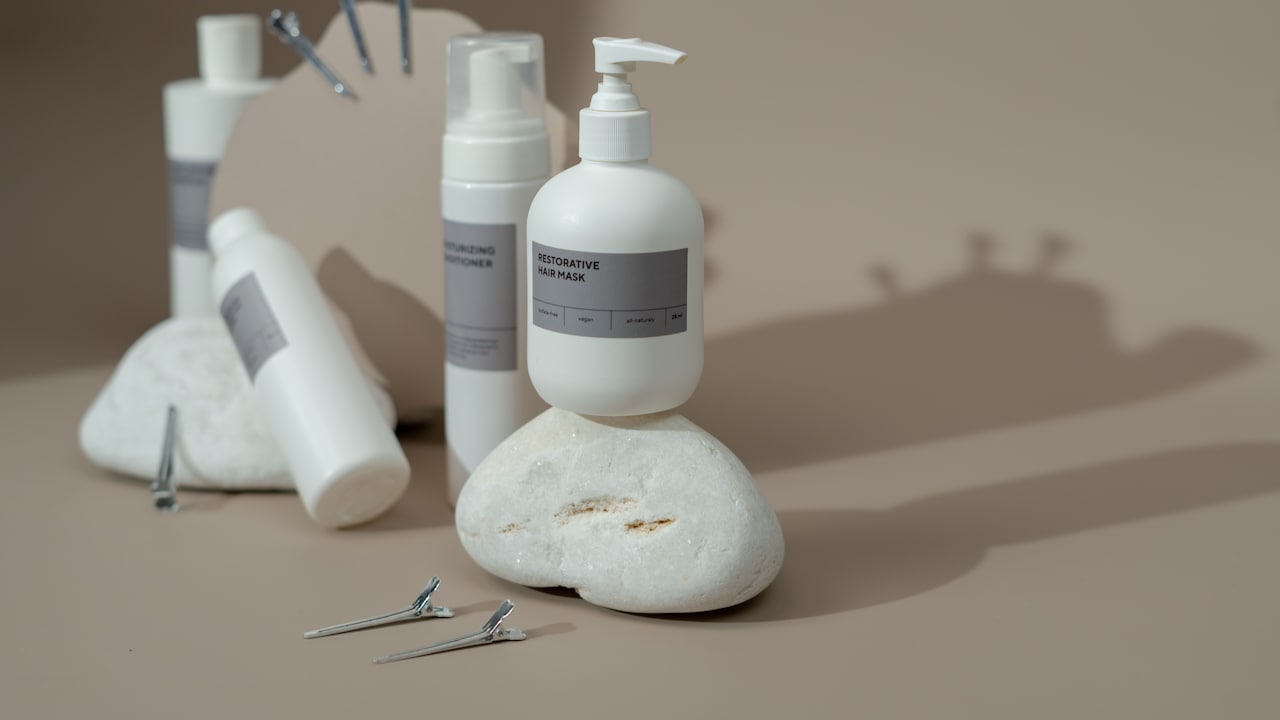
Is Hair Build-Up Blocking Your Conditioner? 10 Signs To Watch For; Photo Credit: Pexels
4. Hair Looks Flat Even After Styling
Volume disappearing by the time the morning chai cools can feel almost personal.
Heavy build-up adds weight to the strands, especially near the roots. Oils, creams, serums and dry shampoo particles may cling to the hair and reduce natural movement. Even freshly styled hair can fall flat much faster than expected.
This problem often gets mistaken for naturally fine hair or humid weather. Both can affect volume, of course, but residue creates a different kind of heaviness. The hair may feel dense, coated or unusually smooth without looking healthy and bouncy.
Conditioner can make the problem more noticeable when it lands on already coated strands. Instead of improving softness, it contributes another layer of weight.
The temptation is to skip conditioner completely. That can leave the ends dry while doing little to solve the actual residue near the roots.
A better approach involves restoring balance. Thorough cleansing helps remove old styling layers, while conditioner can then be applied where the hair needs it most.
Hair that feels lighter after washing, moves more freely and responds better to styling often confirms that build-up had been quietly stealing volume.
Sometimes the best volumiser is simply a cleaner canvas.
5. Your Ends Feel Dry While Your Hair Looks Oily
Oily and dry at the same time sounds like a contradiction, yet product build-up can make exactly that happen.
The roots may appear greasy because of oil, sweat and styling residue, while the ends remain rough because conditioner cannot properly reach the hair shaft. This combination commonly causes confusion. More shampoo gets used on the roots, while more conditioner gets piled onto the ends.
Soon the routine begins resembling a negotiation where nobody wins.
Build-up can form an uneven coating. Areas receiving the most serum or oil may become slick, while porous or damaged sections underneath continue losing moisture. Conditioner then smooths the surface temporarily without correcting the deeper dryness.
The hair may look shiny but still feel brittle. That distinction matters.
True softness has flexibility. Coated hair can look glossy yet feel stiff when twisted or brushed.
Heat styling can make the contrast stronger. Rough ends become more obvious after straightening or blow-drying, while the crown may look heavy.
Removing excess residue allows conditioner to interact with the hair more evenly. Once the coating decreases, moisture can spread through the lengths instead of simply sitting on top.
Shine should feel healthy, not suspiciously greasy.
6. Your Hair Takes Longer To Get Fully Wet
Hair revealing resistance to water can offer an unexpected clue about build-up.
During a shower, clean hair usually becomes thoroughly wet fairly quickly. When layers of oil, silicone or styling product have collected on the surface, water may bead, slide away or take longer to saturate the strands.
This effect can be subtle. The top layer may look wet while the inner sections remain surprisingly dry.
Anyone with thick or long hair may already need extra time under the shower, but a sudden change deserves attention. If the hair once became soaked easily and now seems strangely waterproof, residue could be forming a barrier.
That same barrier can block conditioner.
Water helps prepare the hair for conditioning by spreading moisture through the strands. If water struggles to enter, conditioner may struggle too.
This does not mean every water-resistant strand has build-up. Natural porosity, texture and hair treatments can also affect absorption. The important clue is change.
When hair suddenly behaves differently despite using the same products, accumulated residue becomes a reasonable suspect.
After a more thorough cleanse, many people notice that water spreads through the lengths faster and conditioner feels easier to distribute.
That small shower-time difference can say quite a lot about what is happening on the hair surface.
7. Hair Feels Waxy Or Sticky After Washing
Clean hair should not feel as though it has been lightly coated with candle wax.
A waxy, gummy or sticky texture after shampooing often suggests that some product remains behind. The feeling may appear near the crown, behind the ears or along sections where styling products are applied most often.
It can become especially noticeable after air-drying. Strands may clump together instead of separating naturally, and fingers may drag slightly when running through the hair.
Several products can contribute to this sensation. Pomades, styling waxes, silicone-heavy serums, leave-in conditioners and dry shampoos may all accumulate when cleansing is too mild for the amount used.
Hard-water minerals can add another layer of trouble.
Conditioner applied over this residue may make the hair feel heavier rather than softer. The formula has nowhere useful to go, so the surface becomes even more coated.
This is one reason endlessly switching conditioners may not solve the problem.
A cleansing reset occasionally does more than buying another bottle promising “intense repair” for ₹699.
Once the waxy layer is reduced, the same everyday conditioner may suddenly perform much better.
Hair care can be wonderfully dramatic that way. Sometimes the hero product was innocent all along.

Is Hair Build-Up Blocking Your Conditioner? 10 Signs To Watch For; Photo Credit: Pexels
8. Detangling Has Become Strangely Difficult
Conditioner usually makes detangling easier by reducing friction between strands. When knots remain stubborn despite using enough product, build-up may be interfering with that slip.
Residue can create an uneven surface. Some strands become slick and coated, while others remain rough underneath. Instead of gliding past one another, they catch and twist.
The result is the kind of shower situation where a wide-tooth comb begins to feel like gym equipment.
This is particularly common when several leave-in products are layered between washes. Curl creams, smoothing serums, heat protectants and oils can all serve useful purposes, but repeated application without effective cleansing may eventually change how the hair behaves.
Conditioner then gets blamed for failing to detangle.
Notice whether the knots feel dry or oddly sticky. Sticky tangles can point more strongly towards residue.
Breakage may also increase because extra force gets used while combing.
After removing excess build-up, conditioner can spread more evenly through the lengths and help strands slide apart with less effort.
Gentle detangling still matters, especially for fragile hair, but the process should not feel like separating wired earphones pulled from the bottom of a handbag.
When it suddenly does, product accumulation deserves a closer look.
9. Your Hair Has Lost Its Natural Shine
Build-up can create shine, but not always the good kind.
There is a difference between healthy lustre and a dull, coated sheen. Healthy hair reflects light with movement. Build-up often makes strands look flat, muted or slightly greasy despite using products specifically designed to boost shine.
Pollution, styling residue, oils and mineral deposits can collect on the outer surface and scatter light unevenly. Over time, hair may lose the brightness it once had.
This can be especially noticeable in strong daylight. Indoors, everything seems acceptable. Step outside and suddenly the hair looks tired.
Adding more shine serum might appear sensible, but that can deepen the problem if residue already exists.
Conditioner works best when it can smooth the cuticle properly. When a layer of old product sits in the way, its smoothing ingredients cannot perform as effectively.
A thorough cleanse may bring back more shine than another finishing spray.
The difference often shows after drying. Hair feels lighter, reflects light more evenly and moves instead of hanging in coated sections.
Healthy shine rarely needs to look wet or oily.
When the hair surface is clean enough for conditioner to work, natural gloss tends to return without needing half the bathroom cabinet to create it.
10. Your Usual Conditioner Suddenly Stops Working
Perhaps the most confusing sign of build-up is when a trusted conditioner appears to lose its magic overnight.
For months, it leaves the hair soft and manageable. Then, with no warning, the same formula seems useless. Hair feels rough, heavy or difficult to detangle despite using the same amount.
It is easy to assume the product has changed. Sometimes formulas do change, but hair conditions change more often.
A new serum, frequent dry-shampoo use, heavier oiling, extra styling for wedding season or simply fewer thorough washes can gradually create residue. The conditioner has not necessarily become weaker. It may just be trying to work through several layers of product.
Seasonal changes matter too. Sweat, humidity and pollution can influence how quickly residue develops.
Before replacing a familiar conditioner, look at the entire routine.
Has another product recently joined the line-up? Has shampooing become less frequent? Are larger amounts of serum being used to control frizz?
A single clarifying wash may reveal the answer.
If the old conditioner suddenly feels effective again afterwards, the problem was probably not the bottle. It was the build-up standing between the formula and the hair.
Sometimes hair needs subtraction before it needs another purchase.
Products Related To This Article
1. LOreal Paris Hyaluron Moisture 72H Moisture Sealing Conditioner for Dehydrated Hair
2. Bare Anatomy Anti-Hair Fall Conditioner with Rosemary & Peptides
3. Pilgrim Korean Rice Water & Collagen Advanced Damage Repair Conditioner
4. Schwarzkopf PROFESSIONAL Bonacure Moisture Kick Leave-In Spray Conditioner
5. WishCare Anti - Hairfall Multi Peptide Rice Water Conditioner for Dry & Frizzy Hair
6. BBLUNT 7 In 1 Repair & Revive Conditioner
7. Reequil Anti-Frizz & Smoothing Hair Conditioner with Babassu Oil
Hair Conditioner cannot perform at its best when the hair is covered in layers of yesterday's styling routine.
Build-up develops quietly. A little serum here, a little dry shampoo there, perhaps an oiling session at the weekend, and suddenly the hair feels heavy even after washing. The confusing part is that residue can imitate several other problems. It can make the roots oily, the ends dry, the lengths dull, and the conditioner seem completely ineffective.
The answer does not involve scrubbing the hair aggressively or abandoning every styling product in sight. Most hair products have a useful place in a routine. The key is balance.
Regular shampoo should remove everyday dirt and residue, while an occasional clarifying cleanse can help when the hair starts feeling coated or unusually resistant. Conditioner can then return to doing what it was designed to do: soften, smooth and make the hair easier to manage.
Pay attention to changes in texture, shine, movement and how the hair behaves under water. Those small details often reveal more than dramatic product claims ever will. When conditioner suddenly stops delivering results, another expensive bottle may not be necessary. Sometimes the hair simply needs a clean slate.
(Disclaimer: This article may include references to or features of products and services made available through affiliate marketing campaigns. NDTV Convergence Limited (“NDTV”) strives to maintain editorial independence while participating in such campaigns. NDTV does not assume responsibility for the performance or claims of any featured products or services.)