Trimmer Vs Razor: Which Gives A Closer Shave Without Irritation?
Trimmer or razor: which one gives a closer shave without skin irritation? Compare grooming tools, shaving techniques, and skincare tips for smoother results.
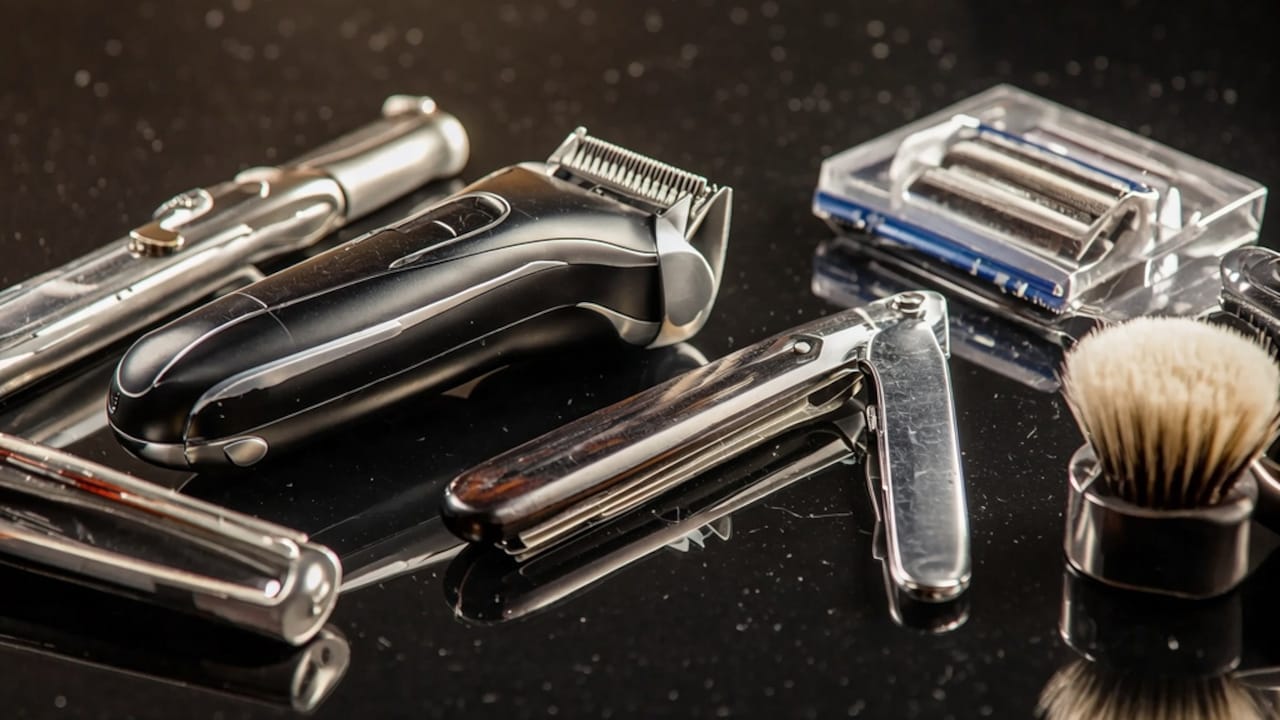
Trimmer Vs Razor: Which Gives A Closer Shave Without Irritation
Choosing between a trimmer and a razor is one of those grooming dilemmas that never really goes away. Both tools promise a neat, tidy finish, but they work in completely different ways, and that difference matters more than most people realise. A razor glides right down to the skin for that ultra-smooth look, while a trimmer leaves a bit of length behind, which often feels gentler on sensitive areas. So, which one actually gives you a closer shave without leaving your skin red, itchy, or irritated afterwards?
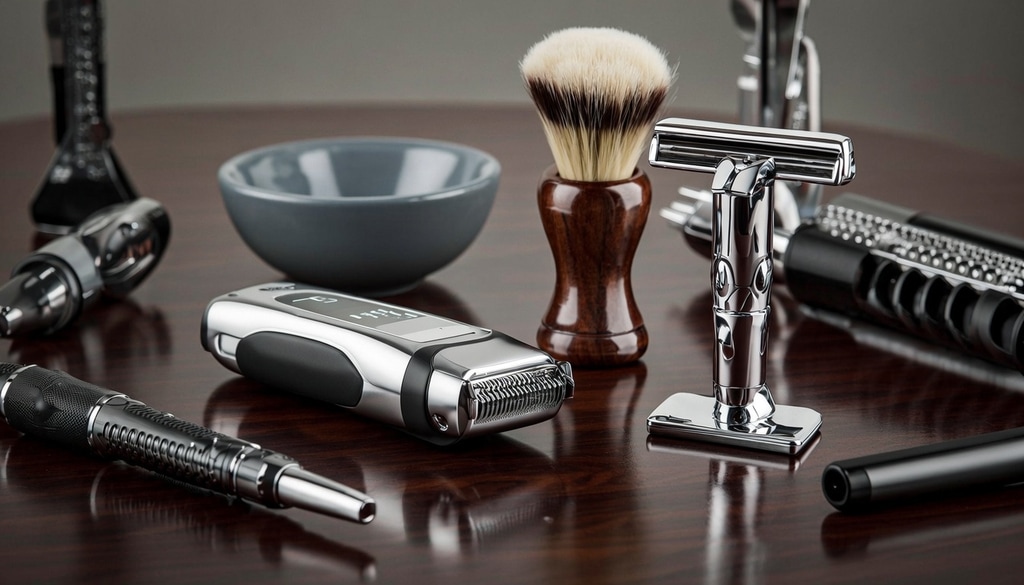
Choose the perfect grooming tool to achieve a flawlessly smooth finish without causing any skin irritation.
Photo Credit: iStock
That's exactly what we're breaking down here. From how each tool actually works on your skin to which one suits different hair types and skin sensitivities, this guide covers everything you need before picking up either one. Whether you're after a completely smooth, close-cropped finish or just want to avoid those annoying red bumps and rashes, understanding these differences properly can save you a lot of grooming frustration.
Trimmer Vs Razor: Understanding The Basic Difference
Before you decide which tool is better for you, it helps to know what each is actually built to do. They are not really interchangeable, though people often use them for similar purposes.
1. How A Trimmer Works
Trimmers are used to cut hair to a certain length, usually with moving blades. You can change the length with different guard settings. Since it doesn't have direct contact with the skin, it tends to feel much less harsh. Instead, you're left with stubble or short, even hair instead of that completely bare finish.
2. How A Razor Works
A razor, on the other hand, will cut the hair right down to the skin. There's no length setting or anything. It's just a clean, smooth result. The entire process of shaving is a bit more delicate and requires the right technique to avoid nicks or irritation as the blade is in direct contact with the skin.
Which Gives A Closer Shave: Trimmer Or Razor
This is where most people get curious, and honestly, the answer depends on what "close" really means to you.
1. Closeness Of Shave With A Trimmer
Trimmers, even on their lowest setting, usually leave a thin layer of stubble behind. It's short, but not skin-smooth. For those who prefer a groomed rather than completely hairless look, this is often ideal, though it won't match the bare finish a razor gives.
2. Closeness Of Shave With A Razor
Razors are the clear winner when it comes to a truly close shave. Since the blade works right against the skin, hair is removed almost entirely, giving that silky-smooth texture. This is why razors remain the go-to choice whenever a completely smooth finish is the goal.
Which One Causes Less Irritation
Irritation is honestly the bigger concern for most people, and it's often the deciding factor between these two tools.
1. Why Razors Tend To Irritate Skin More
Razors can leave you with redness, razor burn, or ingrown hairs, especially if the blade is old, your technique is rushed, or you don't use proper lubrication. The blade is so near the skin that any rubbing or pressure causes almost immediate irritation.
2. Why Trimmers Are Gentler On Skin
Trimmers barely make contact with skin, so there's far less overall friction. This makes them a safer choice for sensitive skin types or anyone who's suffered from recurring rashes or bumps from normal shaving. They're not entirely risk-free, but the chance of irritation is much lower.
How To Choose Between A Trimmer And A Razor For Your Skin Type
Your skin type and personal grooming goals really should guide this decision more than trends or habits.
1. Best Pick For Sensitive Skin
If your skin is sensitive and you get redness, itching, or breakouts after shaving, a trimmer is generally the safer option. Setting the guard a little longer will also further reduce the chances of irritation while still keeping things neat and tidy.
2. Best Pick For A Fully Smooth Finish
If you care more about the end result of a shave than about comfort, a razor is your best bet. Just make sure you use a sharp blade, proper shaving cream, and gentle strokes to keep irritation to a minimum, but still get that clean finish.
Trimmer Vs Razor: Which One Saves More Time?
1. Trimmers Are Faster For Daily Grooming
Convenience is one of the biggest advantages of a trimmer. Most electric trimmers work fast and don't need shaving cream, which is a good thing for busy mornings. Cleaning up is usually easier, too, especially if the trimmer is washable.
2. Razors Need A Bit More Effort
A good shave often starts with washing the skin, applying shaving cream, shaving carefully, rinsing, and then putting on a moisturiser. It is a slower process, but many feel the smooth finish is worth the time.

Trimmer or razor: which one gives a closer shave without skin irritation? Compare grooming tools, shaving techniques, and skincare tips for smoother results.
Photo Credit: iStock
Some Trimmer And Razor Options You May Like
1. Gillette Series 3 All-in-One Beard & Body Trimmer
2. Havells Beard & Hair 7 in 1 Trimmer
3. Bombay Shaving Company Beard Trimmer For Men
4. Philips India's No. 1 Men's Trimmer
5. Philips OneBlade Turbo2X Hybrid Trim
6. Gillette Presto Manual Shaving Razor
7. Gillette Guard 3-in-1 Shaving Razor Blade for men
8. Gillette Men Mach 3 Shaving Blades
There's no one best answer to the trimmer vs razor debate, because it all comes down to what you want to get out of your shave. If you want the closest shave you can get, a razor is still your best bet. If comfort, convenience, and less irritation are your concern, though, a trimmer is generally the wiser choice.
In truth, quite a few people do well with both. A trimmer is great for everyday upkeep, and a razor can be kept for when a super clean shave is necessary. Using the right tool for the right situation means you get better results without damaging or irritating your skin.
Frequently Asked Questions (FAQs)
1. Is a trimmer better than a razor for sensitive skin?
Yes, trimmers are generally gentler because they don't make direct contact with the skin, which lowers the risk of redness, bumps, or irritation.
2. Does a razor always give a closer shave than a trimmer?
Yes, razors cut hair right at the skin's surface, giving a smoother finish than a trimmer, which always leaves a small amount of stubble behind.
3. Can using a razor cause long-term skin damage?
Not usually, but repeated irritation, ingrown hairs, or nicks from poor technique can lead to dark spots or scarring over time if not managed properly.
4. How can I reduce irritation while using a razor?
Use a sharp, clean blade, shave with the grain, apply a proper shaving gel, and moisturise straight after to keep the skin calm and hydrated.
5. Should I switch between a trimmer and a razor depending on the season?
Many people do exactly that, sticking with a trimmer during colder months when skin feels drier and more sensitive, and using a razor when a closer shave feels more manageable.
(Disclaimer: This article may include references to or features of products and services made available through affiliate marketing campaigns. NDTV Convergence Limited (“NDTV”) strives to maintain editorial independence while participating in such campaigns. NDTV does not assume responsibility for the performance or claims of any featured products or services.)