Underarm Odour in Cotton Clothes: Why Deodorant Makes It Worse and What Actually Works
Underarm odour clings to cotton clothes for a reason, and deodorant often makes it worse. Find out common reasons that cause underarm odour in cotton clothes even after using deodrants.

Underarm Odour In Cotton Clothes: Why Deodorant Makes the Smell Worse And What To Do Instead.
Few everyday annoyances feel as persistent as underarm odour that refuses to leave cotton clothes. A freshly washed kurta or T-shirt smells fine at first, then a faint whiff appears within an hour of wear. Add deodorant, and suddenly the smell turns sharper, almost sour. Many people blame sweat or personal hygiene, yet the real story runs deeper.
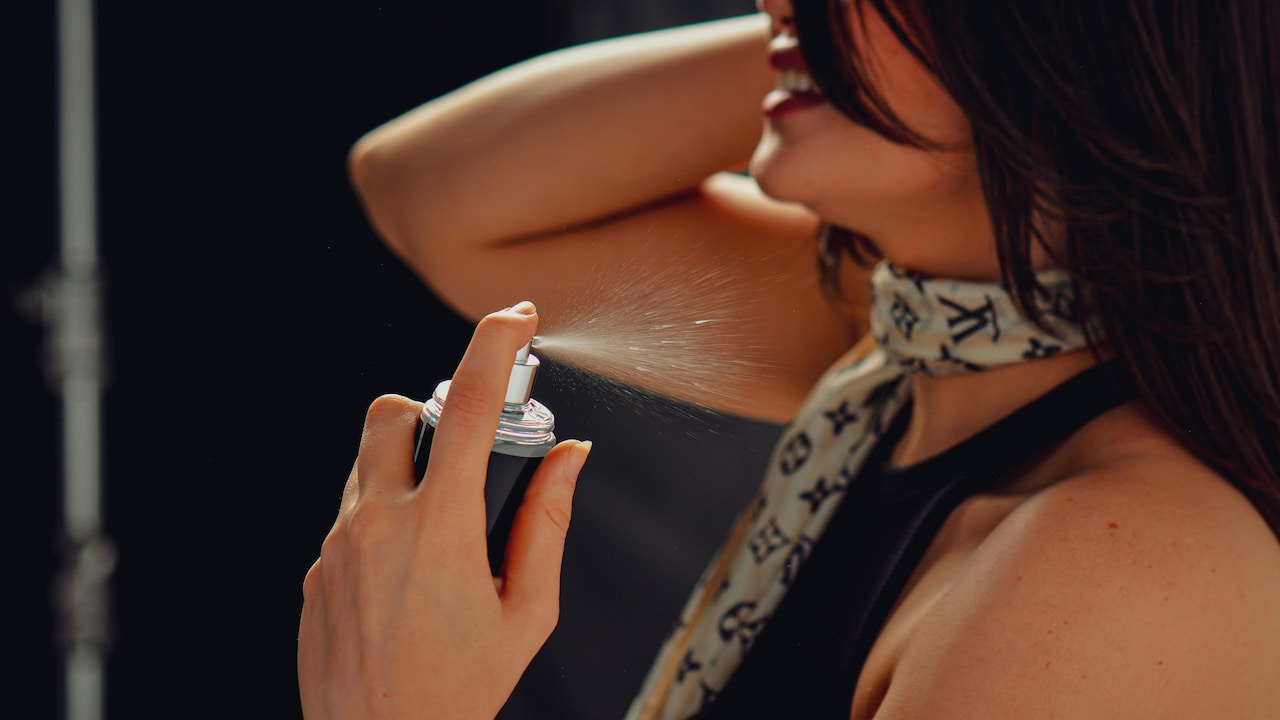
10 things that can make your cotton clothes smell bad even after using deodorants; Photo Credit: Pexels
Cotton enjoys a loyal following for good reason. It breathes well, feels soft and suits hot weather. However, when sweat, bacteria and deodorant residues meet cotton fibres, trouble begins. Instead of masking odour, many deodorants lock it in, creating that familiar “washed-but-not-clean” smell.
This issue has nothing to do with cleanliness or effort. It comes from chemistry, fabric science and a few habits passed down through generations. From crowded buses to long office days and evening errands, clothes work hard. Understanding why deodorant worsens odour opens the door to smarter, simpler fixes that actually work.
Also Read: Smell Great, Spend Less: Discover Top Deo Combos Under ₹200 for Amazing Budget Fragrances
If Your Freshly Washed Clothes Still Smell, This Is What Is Going Wrong
1. Why Cotton Loves to Hold On to Smell
Cotton behaves like a sponge. Its natural fibres absorb moisture easily, which feels great on hot days, but creates a perfect home for odour-causing bacteria. Sweat itself carries very little smell. The problem begins when bacteria on the skin break down sweat proteins and release pungent compounds.
Once these compounds sink into cotton fibres, they cling tightly. Even a regular wash may not remove them fully. Over time, layers of invisible residue build up, especially around the underarm area. Each wear reactivates old odour, much like water reviving dried spices.
Many notice that synthetic fabrics smell faster, yet cotton smells stronger after washing. That irony confuses most people. The reason lies in cotton's porous structure. It traps bacteria deep inside, beyond the reach of quick washes or mild detergents. Warm weather, humidity and long wear only strengthen this bond. Cotton feels clean, yet secretly stores memories of sweat long past.
2. The Deodorant Myth: Freshness in a Can
Deodorants promise freshness, confidence and all-day protection. Sprays, roll-ons and sticks dominate bathroom shelves, often layered generously before stepping out. Yet many of these products worsen underarm odour in cotton clothes rather than fix it.
Most deodorants contain fragrances and alcohol. The scent masks the odour briefly but does nothing to stop bacterial growth. Worse, fragrance molecules mix with sweat compounds and create heavier, more stubborn smells. Alcohol dries the skin temporarily, then triggers rebound sweating later in the day.
Add antiperspirants to the mix, and aluminium salts block sweat glands. Sweat then finds other pathways, while bacteria continue to thrive under the surface. These salts also bind strongly to fabric fibres. Over repeated use, they create stiff patches under the arms that trap odour even more.
The result feels unfair. More deodorant leads to a stronger smell, not relief. The issue lies not in quantity but in chemistry.
3. Sweat Isn't the Enemy, Bacteria Are
Sweat plays a vital role in cooling the body. Fighting sweat aggressively often backfires. The real culprit behind underarm odour remains bacteria living on the skin. These microbes feed on sweat and release acids responsible for that sharp smell.
Overusing deodorant disrupts the skin's natural balance. It kills some bacteria while allowing tougher strains to dominate. These survivors produce stronger-smelling compounds. Think of it as clearing a field only to let weeds grow back thicker.
Skin health matters as much as fabric care. Harsh soaps, frequent shaving and strong fragrances irritate underarm skin. Irritation leads to micro-cuts, warmth and moisture, all of which encourage bacterial growth.
A gentler approach works better. Clean skin, balanced bacteria and breathable clothing reduce odour at the source. Sweat then becomes less of a villain and more of a silent helper doing its job.
4. Laundry Habits That Secretly Lock in Odour
Laundry routines often receive little thought. Clothes go into the machine, detergent goes in, and hope does the rest. Unfortunately, several common habits trap underarm odour instead of removing it.
Quick washes at low temperatures save time and electricity, but fail to kill bacteria embedded in cotton fibres. Overloading the machine prevents proper rinsing. Fabric softeners coat fibres with a waxy layer that seals in odour while adding artificial fragrance on top.
Drying clothes indoors without enough airflow worsens the problem. Damp cotton encourages bacterial survival. Ironing masks smells temporarily, but heat can also set residues deeper into the fabric.
Underarm areas need special attention. Turning clothes inside out, pre-soaking sweaty zones and allowing full drying in sunlight help far more than extra detergent. Clean clothes should smell neutral, not perfumed. True freshness carries no scent at all.
5. The Role of Diet and Daily Routines
What goes into the body often comes out through sweat. Spicy foods, strong masalas, onions and garlic influence body odour more than many realise. Long gaps between meals can also change sweat composition, making it more pungent.
Hydration plays a quiet but powerful role. Dehydrated bodies produce concentrated sweat that bacteria love. Drinking enough water dilutes sweat and reduces odour intensity naturally.
Stress deserves a mention, too. Emotional sweat differs from heat sweat. It contains more proteins, which bacteria break down faster. Crowded commutes, deadlines and daily pressures contribute to that midday underarm smell.
Simple changes help. Balanced meals, regular hydration and moments of calm reduce odour from within. Clothes then face a lighter battle, and deodorant becomes less necessary.
Dehydrated bodies can produce concentrated sweat and odour-causing bacteria; Photo Credit: Pexels
6. Why Natural Fabrics Still Need Smart Care
Cotton earns praise for breathability, yet it demands thoughtful care. Natural does not mean low maintenance. Without proper washing and drying, cotton becomes an odour archive.
Rotating clothes matters. Wearing the same shirt repeatedly without deep cleaning compounds the issue. Allowing clothes to rest between wears gives fibres time to release trapped moisture.
Sunlight works wonders. Drying cotton in direct sunlight helps break down bacteria naturally. This old habit holds scientific merit. Sun exposure reduces microbial load without chemicals or cost.
Storing clothes properly matters too. Damp cupboards, packed wardrobes and poor ventilation allow odour to linger. Fresh clothes need fresh air, both during drying and storage.
Respecting cotton's nature turns it from a problem fabric into a reliable ally against heat and sweat.
7. Smarter Alternatives to Deodorant
Quitting deodorant entirely sounds extreme, yet many alternatives work better in the long run. Gentle cleansing forms the foundation. Washing underarms with mild soap removes bacteria without stripping the skin.
Natural acids help too. A quick swipe of diluted vinegar or lemon juice changes skin pH, making it hostile to odour-causing bacteria. The smell fades quickly, leaving no residue on clothes.
Powders absorb moisture without clogging pores. A light dusting keeps underarms dry and reduces friction. Coconut oil, known for its antibacterial properties, works in small amounts for some skin types.
These methods cost little and avoid chemical build-up. They support skin balance instead of fighting it. Consistency matters more than strength, and subtle solutions often outperform flashy sprays.
8. Treating Existing Smelly Clothes
Once cotton clothes develop that stubborn underarm smell, regular washing rarely solves it. A deeper approach becomes necessary. Pre-soaking clothes in warm water with baking soda helps neutralise acidic odours.
Vinegar rinses break down deodorant residue and kill bacteria. Soaking underarm areas for thirty minutes before washing can revive clothes thought beyond saving. Avoid mixing vinegar and detergent together; use them in separate steps.
Boiling water treatments work for durable cotton garments. Pouring hot water over the underarm sections loosens trapped residues. Care remains essential to avoid shrinkage.
These methods restore fabric freshness without harsh chemicals. Favourite clothes deserve rescue, not replacement. With patience, even well-worn cotton can smell clean again.
9. Clothing Choices That Reduce the Problem
Fit matters as much as fabric. Tight underarms increase friction, sweat and bacterial growth. Slightly looser cuts allow airflow and reduce moisture build-up.
Layering helps too. Wearing a thin inner vest absorbs sweat before it reaches outer clothing. This simple habit protects shirts and kurtas from direct contact with sweat and deodorant.
Colour choice plays a subtle role. Dark fabrics hide stains but often trap more heat. Lighter shades reflect heat and reduce sweating, though they show marks more easily. Balance remains key.
Rotating outfits prevents overuse. Giving clothes time between wears reduces bacterial load and prolongs freshness. Small wardrobe tweaks deliver noticeable improvements without major expense.
10. Rethinking Freshness and Confidence
Freshness often gets confused with fragrance. Many associate strong scents with cleanliness, yet true freshness smells like nothing at all. Underarm odour causes embarrassment because it feels personal, even though it affects nearly everyone.
Confidence grows when habits align with body chemistry rather than fight it. Accepting sweat as normal changes perspective. Managing bacteria, caring for fabrics and choosing gentle solutions restore comfort without constant worry.
Cotton clothes regain their charm when treated kindly. Deodorant loses its throne as the ultimate fix. Freshness becomes a quiet state, not a loud promise in a can.
The Practical Solution: A Simple Reset That Actually Works
The most effective solution begins with a reset, not an upgrade. Start by detoxing both skin and clothes. For underarms, reduce deodorant use for a week and focus on gentle cleansing twice daily. This allows the skin's natural balance to recover and cuts down aggressive bacteria. For clothes, treat the underarm area separately before washing by soaking in warm water with either vinegar or baking soda, never both together. Skip fabric softeners completely and wash cotton garments inside out. Dry them thoroughly in sunlight whenever possible. Once the reset is complete, switch to minimal deodorant use or gentler alternatives, apply only on clean, dry skin, and allow clothes to breathe between wears. This approach removes the root cause instead of masking it, breaking the cycle of recurring odour and restoring true freshness without extra effort or expense.
Products Related To This Article
1. Dove Men+Care Invisible Dry Spray Antiperspirant Deodorant
2. Dove Eventone Deodorant Roll On For Women
3. Enchanteur Gorgeous Roll-On Anti-Perspirant Deodorant
4. Adidas Fresh Endurance 72H Anti-Perspirant Spray For Men
5. Rexona Powder Dry Advanced Protection Anti-Perspirant Deodorant for Women
6. Wild Stone Awake Anti-Odour Roll On For Men, 50ml
7. Arm & Hammer Ultra Max Invisible Solid Antiperspirant Deodorant
Underarm odour in cotton clothes stems from a complex mix of sweat, bacteria, fabric behaviour and modern habits. Deodorants, despite their promises, often worsen the problem by trapping residue and disrupting skin balance. The solution lies not in stronger products but smarter routines.
Gentle skin care, mindful laundry practices, breathable clothing choices and simple natural remedies work together to reduce odour at its source. Cotton, when respected, supports comfort even in challenging weather. Freshness then feels effortless, not forced.
Letting go of the deodorant obsession opens space for healthier skin, longer-lasting clothes and quiet confidence that lasts well beyond the morning spray.
(Disclaimer: This article may include references to or features of products and services made available through affiliate marketing campaigns. NDTV Convergence Limited (“NDTV”) strives to maintain editorial independence while participating in such campaigns. NDTV does not assume responsibility for the performance or claims of any featured products or services.)