Can Fragrance Mists Cause Body Acne? Triggers, Myths And Skin-Safe Tips
Fragrance mists can trigger body acne when misused. Learn what causes these breakouts, which ingredients to watch out for, and how to use body mists safely for clearer, healthier skin.
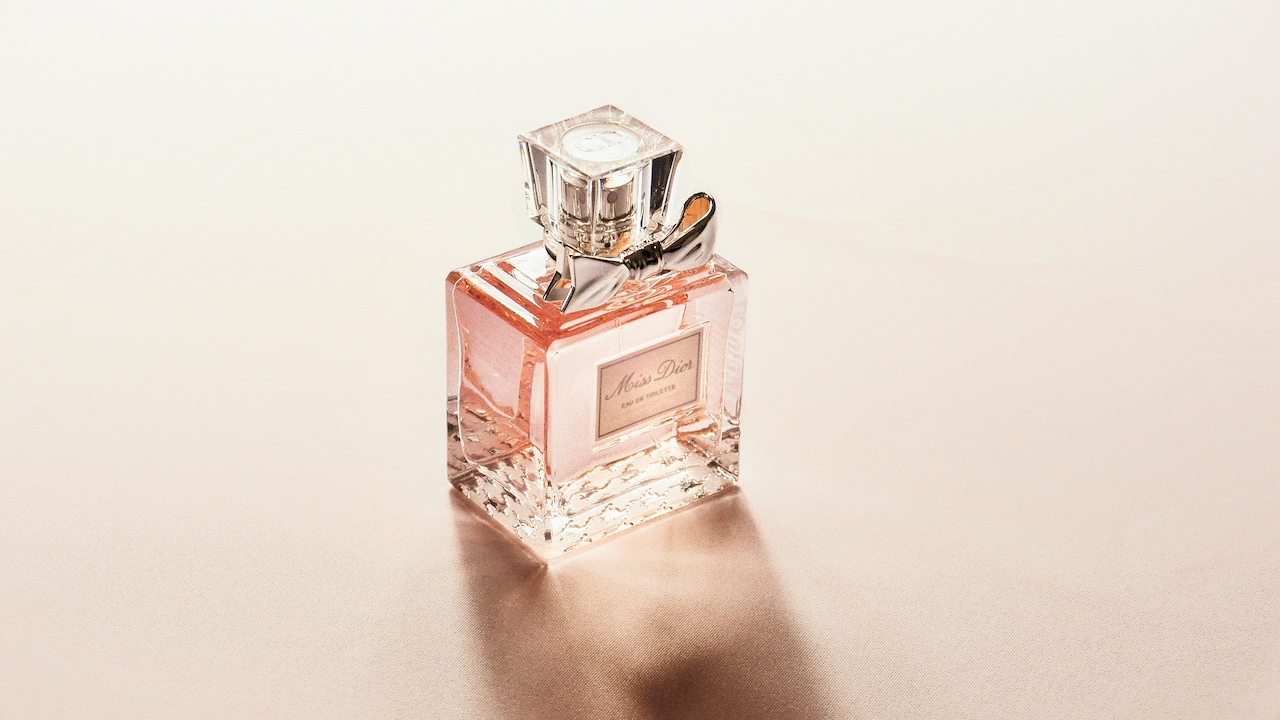
Fragrance Mists and Body Acne: Triggers And Tips To Use Body Mists For Clearer And Healthier Skin.
A quick spritz of body mist has become a daily ritual for many. It fits easily into busy mornings, gym sessions, and rushed evenings before stepping out. A favourite scent can lift the mood, spark confidence, and even feel comforting during long commutes or humid days. Yet, for some, this harmless habit comes with an unwelcome side effect: body acne.
Back breakouts, chest bumps, and shoulder pimples often appear without warning. Many blame sweat, stress, or food, while the real culprit hides in plain sight on the dressing table. Fragrance mists, though lighter than perfumes, still contain ingredients that interact closely with skin. When sprayed repeatedly or layered incorrectly, they may clog pores or irritate sensitive areas.
Understanding this link does not mean giving up fragrance altogether. Skin and scent can coexist happily with the right choices and habits. This article breaks down common triggers, clears popular myths, and shares practical ways to use body mists more thoughtfully. The aim stays simple: enjoy smelling great while keeping skin calm, balanced, and healthy.

Fragrance Mists and Body Acne: Triggers And Tips To Use Body Mists For Clearer And Healthier Skin
Photo Credit: Unsplash
Why That Favourite Body Mist May Be Upsetting Your Skin
1. What Makes Fragrance Mists Different From Perfumes
Fragrance mists often feel gentler than perfumes, which explains their popularity. They contain more water and less concentrated fragrance oils. This lighter formula allows generous spraying without the overpowering effect associated with perfumes. However, lighter does not always mean harmless.
Most body mists still rely on alcohol, synthetic fragrances, and preservatives to ensure longevity and scent projection. When sprayed directly on skin, especially repeatedly throughout the day, these ingredients may disrupt the skin barrier. Areas like the back, chest, and upper arms already face friction from clothing and sweat. Adding fragrance mists to this mix can increase pore congestion.
Another overlooked factor involves reapplication. A perfume usually stays put for hours, while a mist fades faster. Many people spray again and again, often without cleansing the skin. Layers build up, trapping sweat and bacteria underneath. Over time, this environment encourages breakouts.
Understanding the nature of body mists helps set realistic expectations. They suit quick refreshes and casual wear but still demand mindful use. Treating them with the same care as skincare products makes a noticeable difference.
2. How Fragrance Ingredients Trigger Body Acne
Body acne forms when pores clog with oil, dead skin cells, and bacteria. Fragrance mists can contribute to this process in subtle ways. Synthetic fragrance compounds rank among common skin irritants. They may not cause immediate reactions, but can slowly inflame pores with regular use.
Alcohol appears in many mists to help the scent dry quickly. While it gives a fresh feel, it may dry out the skin. In response, the skin produces more oil to compensate. Excess oil then mixes with sweat and residue from fragrance, creating the perfect setting for acne.
Certain colourants and preservatives also raise concerns. Though approved for cosmetic use, they do not suit every skin type. Sensitive or acne-prone skin often reacts with small bumps or redness, especially in humid weather.
Environmental factors amplify these effects. Long days outdoors, crowded buses, and tight clothing worsen friction and sweating. When fragrance mists join the routine without proper cleansing, pores struggle to breathe. Recognising ingredient behaviour helps make smarter choices and reduces unnecessary skin stress.
3. Common Mistakes While Using Body Mists
Many people unknowingly misuse body mists. One frequent mistake involves spraying directly on acne-prone areas. The chest and back seem like ideal spots for fragrance, yet these regions contain larger pores and more sweat glands.
Another misstep includes applying mists right after workouts. Sweat-covered skin needs cleansing first. Spraying fragrance over sweat traps bacteria and salt against the skin. Breakouts often follow within days.
Layering products without thought also causes issues. Body lotions, sunscreens, and fragrance mists all sit on the skin. When heavy creams mix with scented sprays, pores clog faster. This combination proves especially problematic during hot months.
Storage habits matter too. Keeping mists in warm places can alter their composition. A bottle left in a car or near a window may irritate skin more than expected.
Correcting these small habits brings big improvements. Body mists work best on clean, dry skin and in moderation. Treating fragrance as a finishing touch, not a cover-up, keeps skin happier.
4. The Role of Sweat, Heat, and Humidity
Climate plays a major role in body acne. Heat and humidity increase sweating, especially around the back and chest. Sweat alone does not cause acne, but it creates a moist environment where bacteria thrive.
When fragrance mists mix with sweat, the skin struggles. The liquid may block pores temporarily, trapping sweat beneath the surface. Repeated exposure worsens inflammation and leads to painful breakouts.
Crowded travel, outdoor events, and long workdays intensify the problem. Synthetic fabrics add friction, further irritating the skin. In such conditions, even a mild fragrance mist can tip the balance.
A smarter approach involves timing. Applying fragrance before stepping out, rather than during peak heat, reduces interaction with sweat. Choosing breathable clothing and showering soon after heavy sweating also helps.
Skin responds well to routines that respect environmental conditions. Adjusting fragrance habits according to the weather keeps both scent and skin under control.
5. Choosing Skin-Friendly Body Mists
Not all fragrance mists harm the skin. Some formulas suit sensitive and acne-prone types better. Labels offer helpful clues. Terms like “alcohol-free,” “dermatologically tested,” and “for sensitive skin” suggest gentler options.
Fragrances derived from essential oils still need caution. Natural does not always mean safe for acne-prone skin. Citrus and spicy notes may irritate when used frequently.
Testing new mists on a small patch of skin prevents unpleasant surprises. A simple test behind the ear or on the inner arm reveals potential reactions within a day or two.
Budget-friendly options exist across price ranges. Many reliable mists cost between ₹300 and ₹800, making experimentation accessible without overspending.
Choosing fewer, better products beats collecting dozens of bottles. A well-chosen mist used correctly supports both fragrance enjoyment and skin health.
6. Where and How to Apply Body Mists Safely
Application technique matters as much as product choice. Spraying directly onto clothes instead of skin reduces pore exposure. Lightly misting scarves, dupattas, or the inside of jackets keeps fragrance lingering without skin contact.
When skin application feels necessary, focus on pulse points less prone to acne. Wrists and behind the ears usually tolerate fragrance better than the back or chest.
Distance also counts. Holding the bottle at least six inches away ensures even distribution. Heavy, close sprays overload one area and increase irritation risk.
Applying fragrance after moisturiser can create a buffer. A non-comedogenic lotion seals the skin, reducing direct contact between pores and fragrance.
These small adjustments preserve the joy of fragrance while protecting vulnerable areas. Consistency with proper application shows visible results over time.
7. Skincare Habits That Complement Fragrance Use
Healthy skin routines reduce the impact of fragrance mists. Regular exfoliation removes dead skin cells that trap residue. Gentle exfoliation once or twice a week keeps pores clear without causing irritation.
Cleansing the body after long days removes sweat, pollution, and fragrance build-up. Using mild, fragrance-free body wash works best for acne-prone skin.
Hydration also plays a role. Well-moisturised skin produces balanced oil levels, lowering breakout risk. Lightweight, non-greasy lotions suit humid climates better.
Laundry habits deserve attention, too. Washing clothes regularly prevents fragrance residue from transferring back to the skin. Fabric softeners with strong scents may worsen acne for some people.
Skincare and fragrance routines should work together, not compete. When both align, skin stays clearer and more resilient.
8. Myths Around Body Acne and Fragrance
Several myths cloud the understanding of body acne. One common belief blames poor hygiene alone. In reality, over-cleansing strips natural oils and triggers more oil production.
Another myth suggests that only oily skin reacts to fragrance. Dry and sensitive skin often reacts even faster due to a compromised barrier.
Some believe expensive mists never cause acne. Price does not guarantee skin compatibility. Even premium fragrances may contain irritants.
There's also the idea that body acne disappears on its own. Without addressing triggers, breakouts often return repeatedly.
Separating fact from fiction empowers better decisions. Knowledge replaces guilt and confusion with confidence and control.

Fragrance Mists and Body Acne: Triggers And Tips To Use Body Mists For Clearer And Healthier Skin
Photo Credit: Pexels
9. When to Take a Break From Fragrance Mists
Sometimes, the skin sends clear signals. Persistent breakouts, itching, or redness suggest the need for a pause. Continuing fragrance use during flare-ups delays healing.
A short break allows the skin to reset. During this time, focus on gentle cleansing and minimal products. Many notice improvement within two to three weeks.
Reintroducing fragrance gradually helps identify triggers. Using the mist once every few days, instead of daily, reveals how the skin responds.
Seeking professional advice may help when acne persists. Dermatologists often recommend fragrance-free periods for troubled skin.
Listening to the skin builds trust and long-term balance. Fragrance can wait; skin health deserves priority.
10. Balancing Scent, Confidence, and Skin Health
Fragrance connects deeply with confidence and personal style. It marks special moments, routines, and memories. Giving it up completely feels unnecessary for most people.
The key lies in balance. Thoughtful product choices, smarter application, and supportive skincare allow fragrance and clear skin to coexist.
Confidence also grows from healthy skin. Fewer breakouts mean less discomfort and more freedom in clothing choices. That confidence often outweighs any temporary sacrifice in scent strength.
Scent should enhance presence, not compromise comfort. When fragrance habits respect skin needs, both thrive together.
Products Related To This Article
1. Plum Bodylovin' Vanilla Vibes Body Mist for Women
2. Forest Essentials Fragrant Body Mist Lime Saffron Oudh
3. Layer'r Wottagirl Vanilla Twist Body Splash, 135ml
4. Yardley London Fine Fragrance Mist Alpine Rose & Black Currant 140 ml
5. Aqualogica Refresh+On the Go Set of 3 Perfume Body Mist
Fragrance mists bring joy, freshness, and a sense of personal expression. Yet, when used carelessly, they may contribute to body acne and skin irritation. Understanding ingredients, application methods, and environmental factors helps prevent unwanted breakouts.
Clearer skin does not require abandoning favourite scents. Small changes in routine, product selection, and timing make a lasting difference. Skin responds best to kindness, moderation, and consistency.
With mindful habits, fragrance mists remain a pleasure rather than a problem. Healthy skin and a great scent can walk hand in hand, every single day.
(Disclaimer: This article may include references to or features of products and services made available through affiliate marketing campaigns. NDTV Convergence Limited (“NDTV”) strives to maintain editorial independence while participating in such campaigns. NDTV does not assume responsibility for the performance or claims of any featured products or services.)