Why Using Less Sunscreen To Avoid Greasiness Can Backfire
Cutting back on sunscreen to avoid a greasy face might seem harmless, but it can leave skin poorly protected. Here's why applying the right amount matters and how to avoid that sticky feeling.
10 Reasons Why Using Too Little Sunscreen Can Lead To Skin Damage
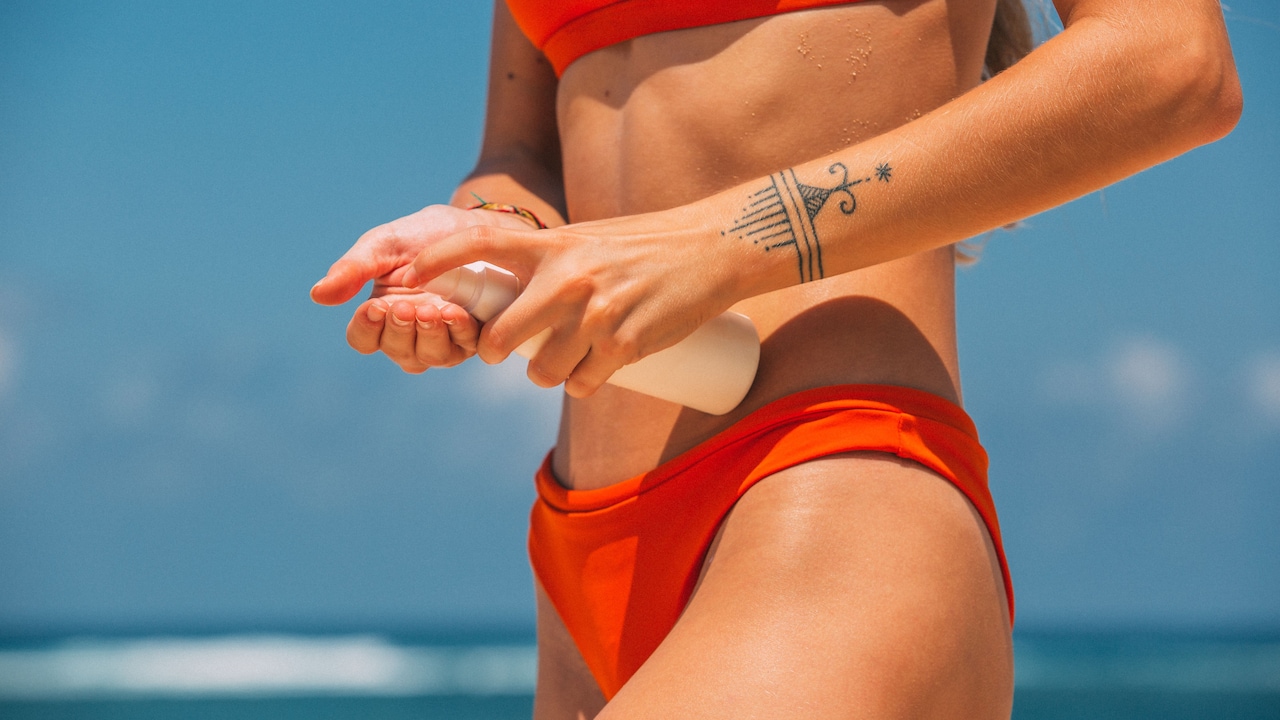
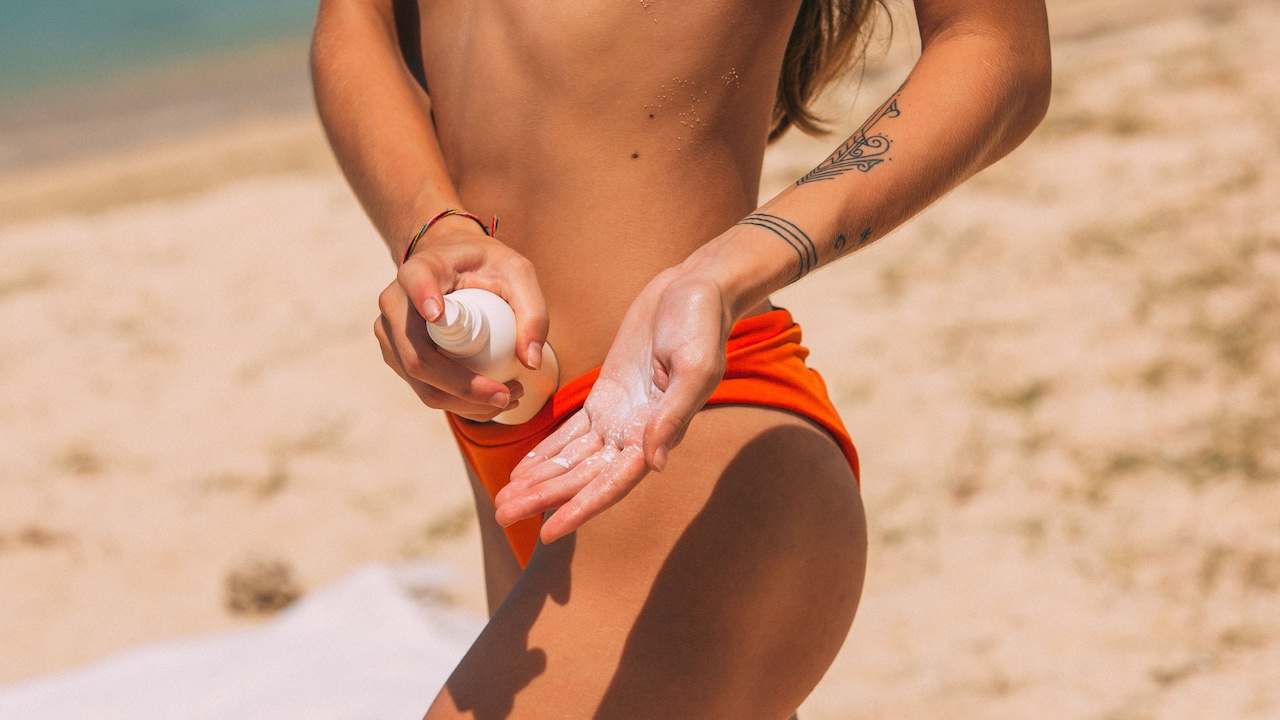
There's something particularly frustrating about applying sunscreen on a hot morning, only to find the face looking shiny before even stepping outside. Add humidity, sweat and a crowded commute, and that freshly washed feeling disappears rather quickly. For anyone with oily or combination skin, sunscreen can sometimes feel less like skincare and more like an extra layer of discomfort. The obvious solution? Use a little less. A tiny dot on each cheek, a quick swipe across the forehead and perhaps whatever remains on the fingers for the nose. The skin feels lighter, makeup sits better and there's no unpleasant sticky sensation. Everything seems fine until prolonged sun exposure starts taking a toll. Here's the problem. Sunscreen doesn't work quite like an ordinary moisturiser. Its sun protection factor, or SPF, depends on applying an adequate amount and spreading it evenly. Using considerably less than the recommended quantity can reduce the protection considerably, even when the bottle proudly displays SPF 50. That doesn't mean choosing between a greasy face and healthy skin. The real solution involves understanding sunscreen formulations, application techniques and everyday habits. From choosing lightweight textures to reconsidering how skincare products work together, small adjustments can make daily sun protection far more comfortable.
10 Reasons Why Using Too Little Sunscreen Can Lead To Skin Damage
Photo Credit: Pexels
10 Reasons Why Using Less Sunscreen Can Do More Harm Than Good
1. Using Less Sunscreen Can Significantly Reduce SPF Protection
The SPF 50 printed on a sunscreen bottle looks reassuring. However, that number doesn't automatically translate into the same level of protection once the product reaches the skin. Manufacturers test sunscreen at a standard application thickness of 2 milligrams per square centimetre. Applying substantially less can compromise its performance.
Consider someone who purchases an SPF 50 sunscreen but applies only a thin smear to avoid shine. Although the product itself offers high protection under test conditions, the amount on the face may deliver considerably less protection. The relationship between application quantity and effective SPF isn't straightforward, so there's no reliable way to calculate the exact protection from a tiny amount.
This matters particularly during daily commutes, outdoor errands and afternoon walks. The face might look perfectly normal, yet ultraviolet radiation can still affect the skin.
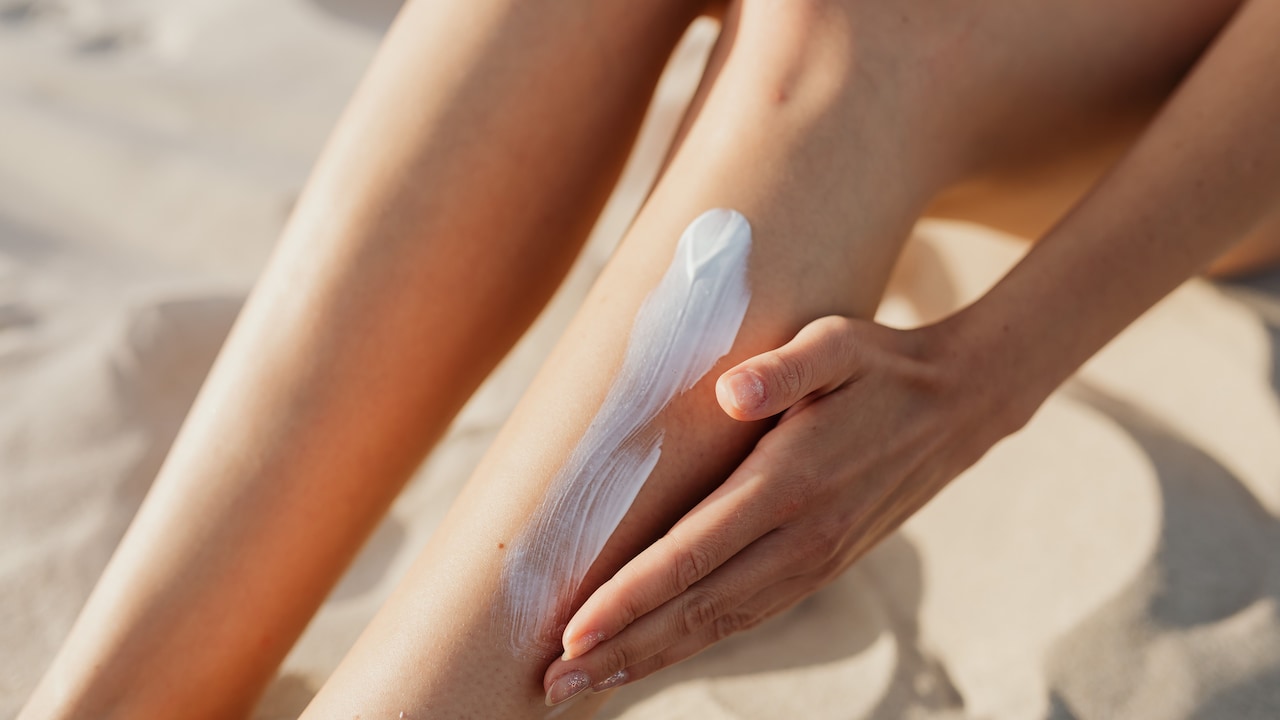
A practical approach involves applying approximately two finger-length lines of sunscreen for the face and neck as a starting guide. However, finger width, product consistency and coverage area vary. Some people may need more to achieve adequate coverage.
Rather than treating sunscreen quantity as negotiable, focus on finding a formulation comfortable enough to apply generously.
2. Thin Application Can Leave Certain Areas Poorly Protected
Ever noticed how the nose develops redness more easily than the cheeks after spending time outdoors? Uneven sunscreen application may contribute to the problem.
When people deliberately use less sunscreen, they often concentrate on the larger areas of the face. The cheeks and forehead receive attention, while the hairline, ears, sides of the nose and jawline get whatever remains on the fingers.
Unfortunately, ultraviolet radiation doesn't politely avoid these neglected areas.
A thin application can also create inconsistent coverage. Some sections receive enough product, while others receive very little. This becomes more likely when someone rushes through their morning routine or attempts to spread a pea-sized quantity across the entire face.
The solution isn't necessarily adding another skincare step. Instead, apply sunscreen systematically, covering smaller sections of the face before moving to the next area.
Remember the ears, neck and hairline, particularly when wearing tied-back hairstyles or clothing that exposes the neckline.
For people who dislike thick products, dividing the required quantity into two lighter layers can make application easier. Both layers should collectively provide adequate coverage. The goal is even protection without turning the morning routine into a lengthy exercise.
3. Less Sunscreen May Increase The Risk Of Sunburn And Tanning
A little tanning after a weekend outing might seem harmless, especially when the skin doesn't feel sore or irritated. However, tanning itself reflects a response to ultraviolet exposure.
Sunscreen helps reduce the amount of ultraviolet radiation reaching the skin. Applying too little can weaken that protection, increasing the likelihood of tanning and sunburn during prolonged exposure.
The concern becomes more noticeable during activities such as shopping at outdoor markets, attending afternoon celebrations or spending time on a terrace.
Even a short outing can involve more sun exposure than expected, particularly when errands take longer than planned.
There's also a common misunderstanding that darker skin tones don't require substantial sun protection. Although higher melanin levels provide some natural protection against ultraviolet radiation, they don't eliminate the risk of sun damage.
Sunburn may appear less obvious on deeper skin tones, but ultraviolet exposure can still contribute to pigmentation changes and long-term skin damage.
Adequate sunscreen application is therefore important across skin tones.
For outdoor activities, choose broad-spectrum SPF 30 or higher, apply enough product and reapply approximately every two hours while exposed. Seek shade and use protective clothing as well, particularly during intense midday sunlight.
Also Read: Best Budget Sunscreens That Stay On Through Sweat, Water And Outdoor Fun
4. Cutting Back On Sunscreen Can Make Pigmentation Harder To Manage
Few skincare concerns feel as stubborn as pigmentation. Just when an old acne mark begins fading, another patch appears, leaving the complexion looking uneven.
Insufficient sunscreen application can make managing these concerns more difficult.
Ultraviolet radiation can stimulate melanin production, contributing to dark spots and uneven pigmentation. People dealing with melasma or post-inflammatory hyperpigmentation may find that inadequate sun protection undermines their skincare efforts.
Imagine consistently using a brightening serum every night while applying only a tiny amount of sunscreen every morning. The serum might support the skincare routine, but continued sun exposure can interfere with visible improvements.
For some pigmentation concerns, visible light also matters. This is particularly relevant for melasma and pigmentation-prone deeper skin tones.
Tinted sunscreens containing iron oxides can offer additional protection against visible light when their formulation provides suitable coverage.
However, simply choosing a tinted product isn't enough. Applying an adequate quantity remains essential.
A sensible routine combines suitable skincare products with consistent sun protection. Those managing persistent pigmentation may also benefit from professional dermatological advice.
After all, there's little point investing in an elaborate skincare routine while overlooking one of its most important supporting steps.
5. Insufficient Sunscreen Can Allow More Premature Skin Ageing
Fine lines and uneven texture don't appear overnight. They develop gradually, influenced by several factors, including repeated ultraviolet exposure.
UVA radiation penetrates the skin and contributes to changes in collagen and elastin, the structural proteins that help maintain firmness and elasticity.
Over time, cumulative exposure can contribute to wrinkles, rough texture, uneven pigmentation and loss of elasticity.
Using less sunscreen than necessary may allow more ultraviolet radiation to reach the skin, reducing the protection that consistent sunscreen use can provide.
The tricky part? Photoageing often develops quietly. Unlike an uncomfortable sunburn, it doesn't necessarily announce itself after an afternoon outdoors.
Someone might use expensive anti-ageing creams every evening but regularly underapply sunscreen because it makes the forehead look oily.
Unfortunately, skincare products cannot fully compensate for repeated, insufficiently protected sun exposure.
A more effective approach involves making sunscreen an everyday habit rather than something reserved for beach holidays.
Choose a broad-spectrum formula that feels comfortable, apply enough and support it with sensible sun-avoidance measures.
The aim isn't to prevent natural ageing. It's to minimise avoidable ultraviolet damage while keeping the routine practical enough to maintain over the years
10 Reasons Why Using Too Little Sunscreen Can Lead To Skin Damage
Photo Credit: Pexels
.
6. Using Less Sunscreen Doesn't Necessarily Solve Greasiness
Here's an inconvenient possibility: the problem might not be how much sunscreen you're applying. It might be the sunscreen itself.
Some formulations contain rich emollients and occlusive ingredients that create a heavier finish. These can feel comfortable on dry skin but excessively shiny on oily or combination skin, especially in humid weather.
Reducing the quantity may make the product feel lighter temporarily. However, it doesn't change the formulation's underlying texture.
The result can be an uncomfortable compromise: less greasiness, but potentially inadequate protection.
Instead, consider switching to a sunscreen specifically designed for oily skin.
Lightweight fluids, gels and gel-creams often feel less heavy than richer creams, although texture alone doesn't guarantee a non-greasy finish.
Look for descriptions such as oil-free, non-comedogenic or matte finish while remembering that individual results vary.
It's also worth examining the products underneath sunscreen. Applying a rich moisturiser, facial oil and heavy sunscreen together can create unnecessary layers for some skin types.
A lighter moisturiser, or a sunscreen that provides sufficient moisturisation on its own, may feel more comfortable.
Good sun protection shouldn't require enduring a slippery face throughout the day.
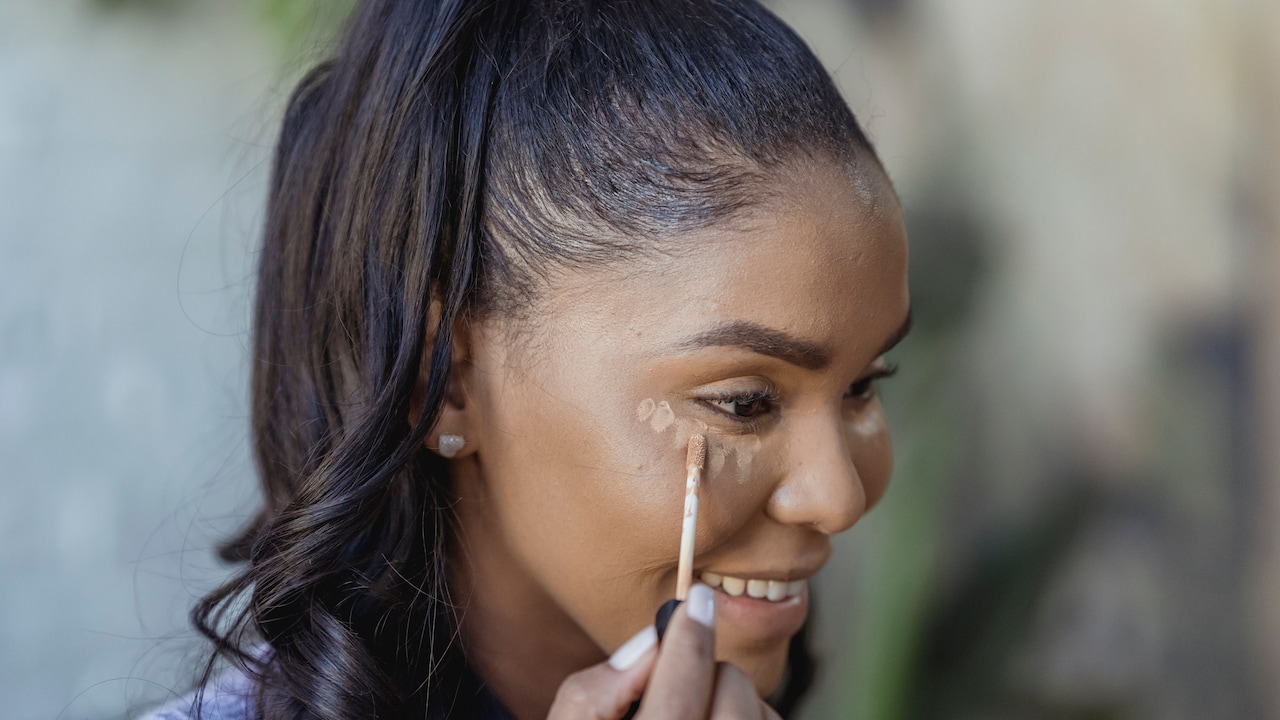
7. Skipping Proper Application Can Create Problems Under Makeup
Sunscreen and makeup occasionally behave like two people forced to share a very small kitchen. Everything works separately, but combining them can become messy.
Foundation starts sliding, concealer gathers around the nose and the forehead develops an unwanted shine before lunchtime.
It's tempting to solve the problem by applying less sunscreen.
However, that approach can compromise protection without necessarily improving how makeup behaves.
The issue may involve incompatible textures, excessive layering or insufficient time between skincare steps.
For example, combining a rich moisturiser, silicone-heavy sunscreen and a dewy foundation may produce a finish that feels heavier than expected.
Try simplifying the routine instead.
Allow moisturiser to settle before applying sunscreen. Spread an adequate quantity evenly and let it form a comfortable layer before introducing makeup.
Choose lightweight foundation or concealer where possible, particularly during humid weather.
A small amount of translucent powder can help manage surface shine without reducing the initial sunscreen quantity.
Avoid aggressively rubbing or blending makeup over the sunscreen layer, as this may disturb coverage.
Most importantly, don't rely on SPF foundation alone unless you apply enough to provide the labelled protection. In practice, people often use much smaller quantities of makeup.
8. Sweat And Humidity Can Make Underapplication Even Less Reliable
A hot afternoon can challenge even the most carefully planned skincare routine.
Between perspiration, frequent face wiping and occasional splashes of water, sunscreen coverage may become less dependable throughout the day.
Applying too little at the beginning can make matters worse because there is already less product protecting the skin.
This becomes particularly relevant for people who travel on two-wheelers, walk between bus stops or spend substantial time outdoors.
Sweat doesn't automatically remove every trace of sunscreen. However, perspiration, rubbing and wiping can disturb the protective film, especially during prolonged activity.
Choosing a water-resistant sunscreen can help during sweaty outdoor conditions, but water resistance isn't permanent.
Products may carry water-resistance claims for 40 or 80 minutes under standard testing conditions. These claims don't mean the sunscreen remains fully effective indefinitely.
Reapply according to the product instructions, particularly after heavy sweating, swimming or towel drying.
For everyday outdoor exposure, reapplication approximately every two hours provides a useful general guideline.
If greasiness becomes an issue, gently blot excess surface oil before reapplying, rather than rubbing the face repeatedly.
A comfortable, water-resistant formulation can make sun protection easier to maintain without sacrificing coverage.
9. Applying Too Little Can Encourage A False Sense Of Protection
There's a subtle psychological trap in using sunscreen. Once the product touches the face, it can feel as though the day's sun-protection responsibility is complete.
The bottle says SPF 50. The skincare routine includes sunscreen. Everything appears sorted.
But wearing sunscreen and applying enough sunscreen aren't necessarily the same thing.
Someone who uses a minimal quantity may feel confident spending longer outdoors, assuming the product provides its full advertised protection.
This false reassurance can encourage more exposure than intended.
Sunscreen also doesn't block all ultraviolet radiation, even when applied correctly. Higher SPF values offer greater UVB protection under standard testing conditions, but none creates an invisible shield against every form of sun damage.
That is why dermatologists recommend combining sunscreen with other protective habits.
Seek shade during intense sunlight, wear suitable clothing and consider sunglasses and a wide-brimmed hat for longer outdoor activities.
The point isn't to avoid sunshine altogether or turn every outing into a complicated safety exercise.
It's about recognising that sunscreen works best as part of a broader approach.
Applying the correct quantity helps ensure the product can perform closer to its tested potential, rather than merely providing reassurance from the label.
10. Choosing The Right Sunscreen Is Better Than Reducing The Quantity
If sunscreen consistently leaves the face greasy, the solution doesn't have to involve tolerating discomfort or compromising protection.
It may simply be time to reconsider the product.
Different skin types respond differently to sunscreen formulations. Someone with dry skin might appreciate a nourishing cream, while a person with oily skin may prefer a lightweight fluid.
Combination skin can be trickier, particularly when the cheeks feel dry but the forehead becomes shiny.
In such cases, consider balancing moisturisation across different facial areas while maintaining adequate sunscreen coverage everywhere.
People with sensitive skin may prefer fragrance-free formulations, while those prone to breakouts might benefit from products labelled non-comedogenic.
However, no single formulation suits everyone, and product claims cannot guarantee individual results.
Texture matters just as much as SPF when it comes to daily consistency. A sunscreen that feels pleasant encourages proper application and makes reapplication less troublesome.
Try testing a new product during an ordinary day rather than immediately before an important occasion.
Observe how it behaves after moisturiser, during commuting and under makeup.
The best sunscreen isn't necessarily the most expensive, the most advertised or the one with the trendiest ingredients.
It's a broad-spectrum product that suits the skin, offers appropriate protection and feels comfortable enough to use in the recommended amount.
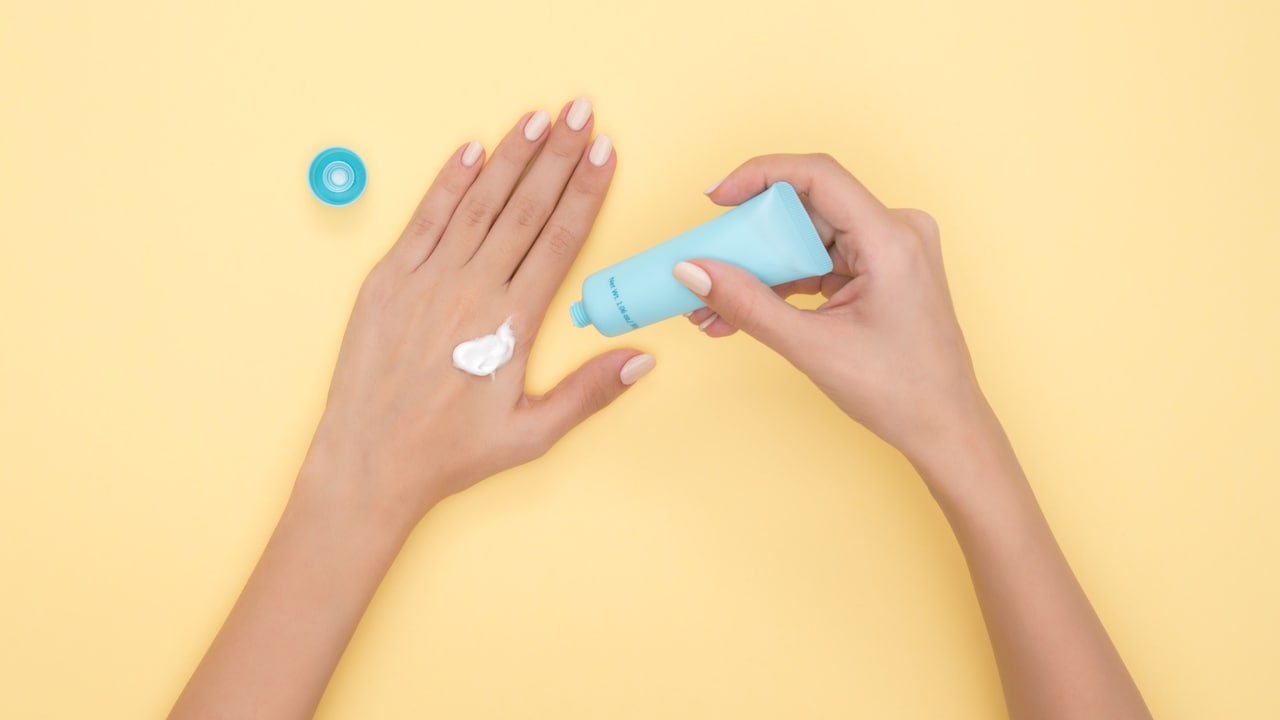
10 Reasons Why Using Too Little Sunscreen Can Lead To Skin Damage
Photo Credit: Pexels
Products Related To This Article
1. Deconstruct Gel Sunscreen SPF 50 PA++++ -100% Photostable-Lightweight In-Vivo Tested
2. Dermatouch Kojic Acid 2% Cream
3. Minimalist SPF 50 PA++++ Multi Vitamin Sunscreen
4. Aqualogica Everyday Glow+ Combo - Dewy Sunscreen 50g & Smoothie Face Wash
5. Hyphen All I Need SPF50 PA++++ Sunscreen with Niacinamide
6. Plum Rice Water & 2% Niacinamide SPF50 PA++++ Hybrid Sunscreen
7. WishCare SPF50 Niacinamide Oil Balance Fluid Sunscreen for Face - In-Vivo Tested
8. Reequil Unisex Sheer Zinc Tinted SPF 50 PA+++ Mineral Sunscreen with Zinc Oxide
Using less sunscreen might solve the immediate problem of a shiny forehead, but it can create a much bigger issue: unreliable sun protection. From uneven coverage and pigmentation to sunburn and premature ageing, the consequences can accumulate gradually.
Fortunately, greasy skin doesn't have to be the price of staying protected. Lightweight formulations, simpler skincare routines and better application techniques can make sunscreen considerably more comfortable.
Instead of stretching a tiny amount across the face, choose a product that makes adequate coverage feel effortless. After all, sunscreen should protect the skin, not become another daily inconvenience worth avoiding.
(Disclaimer: This article may include references to or features of products and services made available through affiliate marketing campaigns. NDTV Convergence Limited (“NDTV”) strives to maintain editorial independence while participating in such campaigns. NDTV does not assume responsibility for the performance or claims of any featured products or services.)