Why Vitamin C Serums Oxidise So Quickly: Storage Tips That Help Them Last Longer
Vitamin C serums oxidise quickly when exposed to air, heat, and sunlight. Learn why this happens and discover simple storage habits that help your serum stay fresh and effective for longer.
Why Vitamin C Serums Oxidise Quickly And How To Make Them Last Longer
Vitamin C serums enjoy celebrity status in the skincare world, and honestly, the hype makes sense. They brighten dull skin, fade marks left behind by stubborn acne, and add that healthy glow usually seen after a long holiday and eight hours of uninterrupted sleep. Dermatologists praise them, beauty influencers swear by them, and chemists continue to improve their formulas every year. Yet Vitamin C has one dramatic personality trait. It oxidises faster than most skincare ingredients. One careless afternoon in the heat or a loosely closed cap can begin the downfall. Suddenly, the serum changes colour, texture, and smell. Many people continue using it anyway, hoping expensive skincare can somehow survive tropical weather, crowded bathrooms, and daily exposure to sunlight.
Why Vitamin C Serums Oxidise Quickly And How To Make Them Last Longer
Photo Credit: Pexels
The problem lies in the nature of Vitamin C itself. It remains highly unstable when exposed to oxygen, heat, moisture, and UV rays. That instability makes proper storage essential rather than optional. Fortunately, keeping a serum fresh for longer does not require a laboratory setup or a mini science degree. A few practical habits can protect the formula and help every bottle last closer to its actual shelf life.
Why Vitamin C Serums Oxidise Faster Than Most Skincare Products
Why Air Is Vitamin C's Biggest Enemy
Vitamin C serums react aggressively to oxygen. The moment air enters the bottle, oxidation begins slowly in the background. Every time the cap stays open for too long, fresh oxygen slips inside and weakens the formula bit by bit. It resembles cutting an apple and watching it turn brown on the kitchen counter. The same chemical process affects skincare.
Many people unknowingly speed things up during rushed morning routines. The bottle sits uncapped while sunscreen, moisturiser, and makeup products scatter across the table. In humid weather, the damage happens even faster. Oxygen exposure not only changes the colour of the serum but also reduces its effectiveness. Skin stops receiving the brightening and antioxidant benefits promised on the label.
Packaging matters greatly here. Dropper bottles look luxurious and photogenic, but they allow repeated air exposure every single day. Airless pumps usually protect formulas better because they reduce contact with oxygen. Some skincare enthusiasts even transfer serums into smaller airtight containers once opened.
Tiny habits matter too. Closing the cap immediately after use sounds painfully obvious, yet many people forget while multitasking during chaotic mornings. That one careless minute may not destroy the serum instantly, but repeated exposure adds up quickly over weeks.
Why Heat Speeds Up Oxidation Dramatically
Heat behaves like a fast-forward button for Vitamin C oxidation. Warm temperatures increase chemical reactions, which means the serum degrades much faster than intended. This becomes especially relevant during scorching summers when room temperatures can climb uncomfortably high even before lunchtime.
Bathrooms often become the worst storage location despite seeming convenient. Hot showers create steam and warmth that destabilise sensitive ingredients. Keeping a serum beside a foggy mirror may look aesthetically pleasing, but the formula silently suffers every day.
Cars present another disaster zone. Leaving skincare products inside vehicles during errands can expose them to extreme temperatures. A bottle forgotten in a handbag during afternoon shopping trips can also overheat surprisingly quickly. Vitamin C serums dislike heat with the same intensity that people dislike stepping outside during peak summer afternoons.
A cool bedroom drawer works far better than open shelves exposed to sunlight and warm air. Some people refrigerate their serums, which can help maintain freshness longer. The chilled sensation also feels refreshing during humid weather. However, refrigeration works best when the product stays consistently cool. Constantly moving the bottle in and out may create condensation, which introduces moisture into the formula.
Stable temperatures remain the goal. Think of Vitamin C serum as fresh fruit rather than a sturdy household product. It needs gentle handling and protection from environmental stress.
Why Sunlight Breaks Down Vitamin C Quickly
Vitamin C and sunlight share a deeply complicated relationship. While the ingredient protects skin from free radical damage caused by UV exposure, direct sunlight damages the serum itself. Ultraviolet rays destabilise the formula and accelerate oxidation almost immediately.
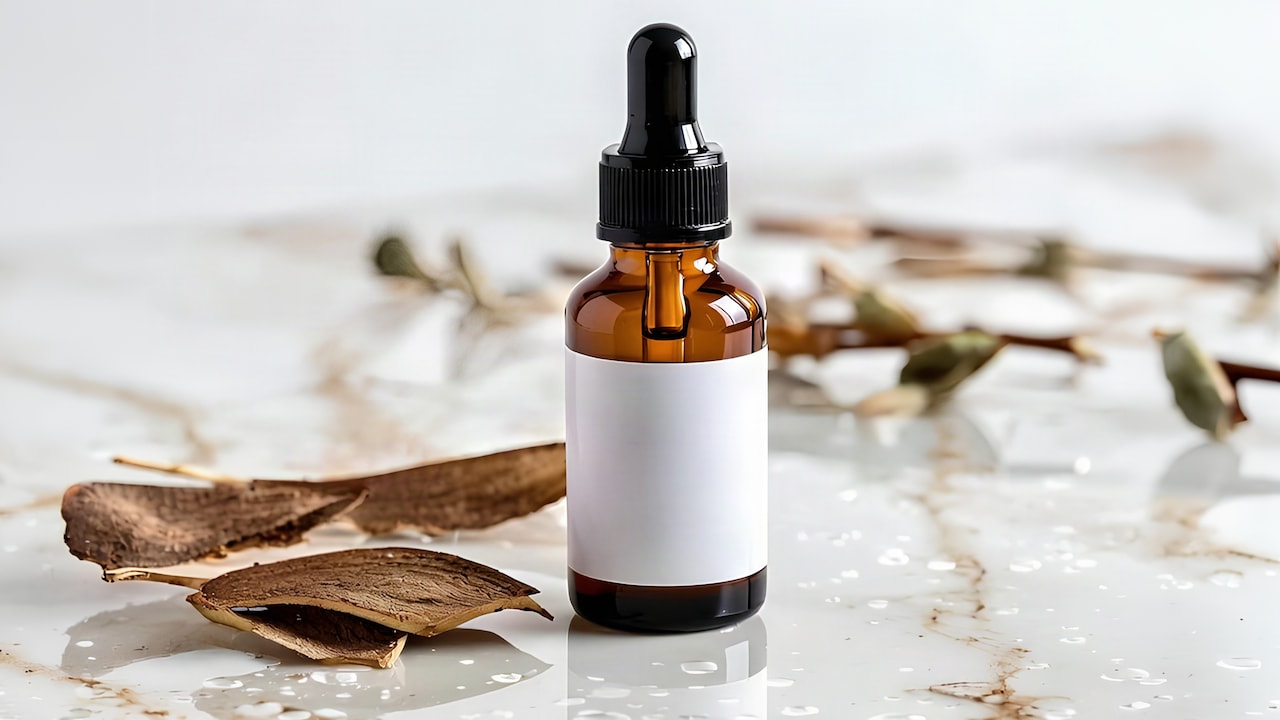
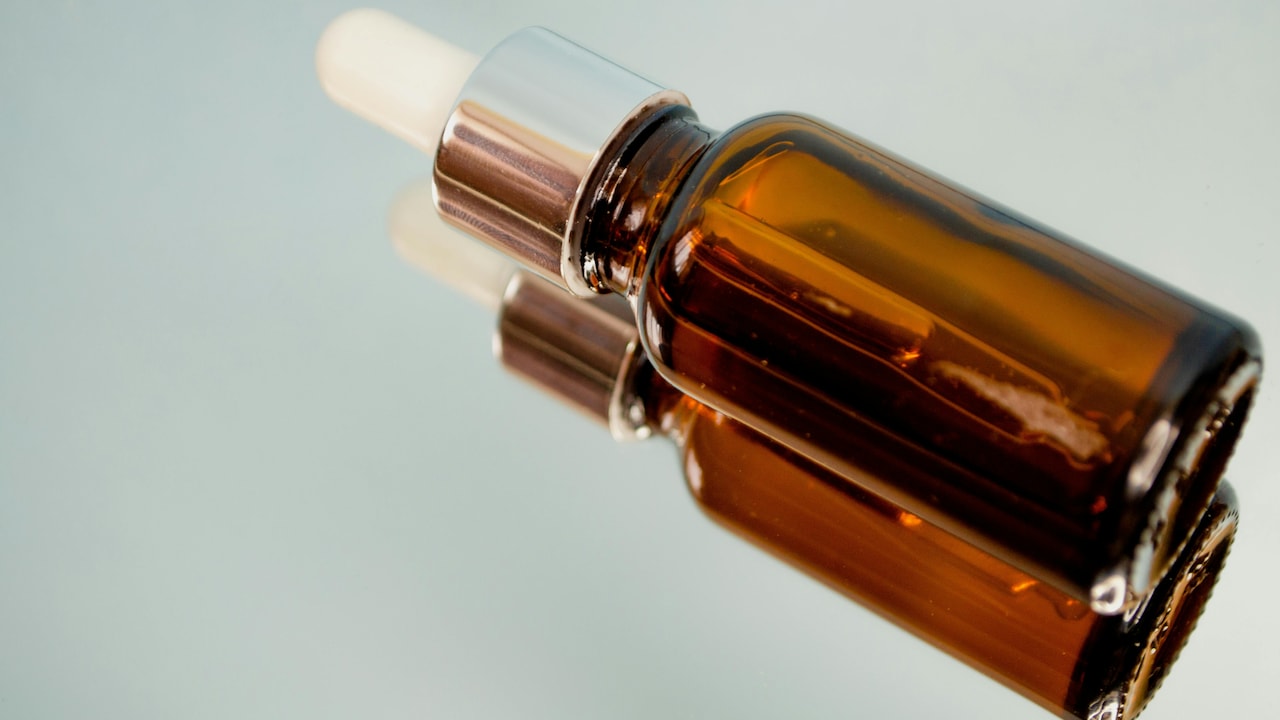
Transparent bottles often worsen the issue. They may look elegant on store shelves, but clear packaging exposes the liquid to harmful light every time sunlight hits the bottle. Amber or opaque containers offer much better protection because they block UV rays more effectively.
Many people place skincare products on dressing tables near windows because the natural lighting helps during makeup application. Unfortunately, even indirect sunlight can weaken Vitamin C over time. Morning light streaming through curtains may feel harmless, but prolonged exposure gradually affects potency.
The change usually appears first in colour. Fresh Vitamin C serums tend to look clear, pale yellow, or slightly champagne-toned. As oxidation progresses, the liquid deepens into orange or brown shades. At that stage, the serum no longer performs at full strength.
Storage away from windows makes a noticeable difference. A closed cupboard, drawer, or shaded shelf offers better protection than open displays. Fancy skincare collections arranged like boutique store counters may look satisfying, but Vitamin C prefers darkness over decoration.
Why Water And Humidity Create Problems
Humidity quietly sabotages skincare products, especially in coastal cities where moisture hangs permanently in the air. Vitamin C formulas become unstable when exposed to excessive moisture because water speeds up degradation and encourages chemical changes within the serum.
Bathrooms once again deserve blame here. Steam from showers creates a damp environment that affects sensitive ingredients over time. Even tightly closed bottles experience gradual wear in constantly humid spaces. The same problem appears during the monsoon season when the air feels heavy and sticky for weeks.
People often touch droppers directly against damp skin or wet hands, accidentally introducing moisture back into the bottle. That tiny amount may seem insignificant, but repeated contamination weakens the formula steadily.
Dry hands before application helps more than expected. Applying serum in a cool, dry space also reduces unnecessary exposure to humidity. Some skincare users wipe bottle openings gently after each use to prevent product residue from oxidising around the neck.
Humidity also explains why a serum behaves differently across seasons. A bottle that survived winter beautifully may oxidise rapidly during monsoon months. Environmental conditions matter more than many realise.
Protecting Vitamin C from moisture requires consistency rather than complicated effort. Small precautions repeated daily preserve the formula far better than expensive storage gadgets.
Why Packaging Makes A Huge Difference
Packaging often determines whether a Vitamin C serum survives three months or barely lasts three weeks. Beautiful branding means very little if the bottle design exposes the formula constantly to air and light.
Dropper bottles dominate the skincare market because they look premium and luxurious. Unfortunately, every squeeze introduces oxygen into the bottle. Frequent opening and closing also expose the serum repeatedly to environmental stress.
Airless pump packaging usually performs better because it minimises oxygen exposure. The formula stays sealed more securely, which slows oxidation significantly. Tubes also offer better stability than traditional droppers in many cases.
Dark-coloured bottles matter too. Amber glass blocks UV rays more effectively than transparent packaging. Opaque containers provide even stronger protection. Some brands now combine airtight pumps with UV-protective packaging specifically to tackle oxidation problems.
Many people unknowingly damage products by transferring them into decorative containers for aesthetic reasons. That trend may suit social media photos, but it often shortens product lifespan dramatically. Original packaging exists for a reason.
Buying smaller bottles can also help. A giant bottle may appear cost-effective initially, but oxidation becomes more likely if the product remains open for too long. Finishing smaller quantities faster keeps the serum fresher throughout use.
Smart packaging may not sound glamorous, but it often separates an effective serum from an expensive disappointment.
Why Fingers And Dirty Droppers Affect Stability
Skincare products dislike contamination, and Vitamin C reacts particularly badly to careless handling. Dirty fingers, unwashed droppers, and residue around bottle openings introduce bacteria, oils, and moisture into the formula. Over time, these contaminants destabilise the serum further.
Many people touch the dropper directly against their skin while applying the product. Others leave dried serum crusted around the bottle neck for weeks. Those habits seem harmless, but they gradually compromise freshness and hygiene.
Think about how often hands touch phones, wallets, door handles, and public surfaces during the day. Applying skincare without washing hands first transfers unwanted grime into the product. In warm weather, bacteria multiply even faster.
Keeping droppers clean helps preserve both safety and effectiveness. Avoid touching the applicator directly to the skin. Dispense serum onto fingertips or palms instead. Wiping excess product from the bottle opening prevents oxidation around exposed areas.
Sharing skincare products creates another issue. Passing around a serum among friends during sleepovers or family gatherings unnecessarily increases contamination risks unnecessarily. Skin reactions sometimes blamed on “sensitive skin” actually come from compromised formulas.
Clean handling may sound boring compared to exciting skincare trends, but proper hygiene protects expensive products remarkably well. A ₹2,000 serum deserves slightly better treatment than being tossed carelessly beside hairbrushes and tangled charging cables.

Why Vitamin C Serums Oxidise Quickly And How To Make Them Last Longer
Photo Credit: Pexels
Why Buying Too Many Active Products Backfires
Skincare enthusiasts often fall into the trap of overbuying products during online sales. One Vitamin C serum turns into three backups sitting unopened in drawers while fresh launches continue appearing every month. By the time the third bottle opens, oxidation may already have begun quietly.
Vitamin C products usually work best within a limited timeframe after opening. Stockpiling creates waste because active ingredients lose potency gradually, even when sealed. Heat during shipping and storage also affects stability before the product even reaches home.
Impulse shopping worsens the problem. Flash sales and influencer recommendations create urgency that convinces people they need backups immediately. Yet most serums contain enough product to last several months already.
Checking manufacturing dates before purchasing helps avoid older stock. Buying from authorised retailers also reduces the risk of receiving products stored improperly in overheated warehouses.
Rotating too many active skincare products creates confusion, too. People forget opening dates and continue using oxidised formulas unknowingly. A simple label with the opening month written underneath the bottle can help track freshness.
A streamlined skincare routine often works better than crowded shelves overflowing with half-used bottles. Skin rarely benefits from chaos, and neither does the wallet. One fresh, properly stored serum beats five neglected ones every single time.
Also Read: Hydrate Your Lips With Trending Lip Serums On Myntra
Why Refrigeration Helps But Needs Care
The skincare fridge trend exploded online over the past few years, and surprisingly, it holds some truth for Vitamin C storage. Cooler temperatures slow oxidation and help maintain ingredient stability for longer periods.
A refrigerator can extend shelf life, especially during brutally hot weather when room temperatures remain high day and night. Chilled serum also feels incredibly soothing on tired skin after long commutes or humid afternoons.
However, refrigeration requires consistency. Constantly moving the bottle between warm and cold environments creates condensation, which introduces moisture into the formula. Temperature swings may end up causing more harm than good.
The door compartment often experiences the most fluctuation because it opens repeatedly. A stable shelf inside the fridge works better. Keeping the bottle sealed tightly remains essential even in cold storage.
Not every serum requires refrigeration, though. Some formulations already contain stabilising ingredients designed to withstand moderate temperatures. Reading storage instructions on the packaging helps avoid unnecessary fuss.
For many households, a cool dark drawer works perfectly well without purchasing fancy skincare fridges costing several thousand rupees. Simplicity usually wins. The goal involves protecting the serum from heat and sunlight rather than turning skincare into a science experiment worthy of a chemistry lab.
Why Colour Changes Should Never Be Ignored
Colour tells the entire story of a Vitamin C serum's condition. Fresh formulas usually appear clear, pale yellow, or lightly golden, depending on concentration and ingredients. As oxidation progresses, shades deepen into dark yellow, orange, or brown.
That transformation signals reduced effectiveness. The serum may no longer deliver the brightening and antioxidant benefits expected from Vitamin C. In some cases, oxidised formulas can even irritate skin or stain lighter complexions temporarily.
Many people continue using darkened serums simply because the bottle cost too much to waste. Nobody enjoys throwing away expensive skincare halfway through. Yet using heavily oxidised Vitamin C often produces disappointing results at best.
The smell can also change. Fresh serums tend to smell mild or slightly citrusy. Oxidised products may develop sour or metallic notes that feel distinctly unpleasant.
Checking colour regularly helps catch oxidation early. Good lighting matters because bathroom lighting sometimes hides subtle changes. If uncertainty remains, comparing the serum against a white background can reveal darkening more clearly.
Some formulas naturally appear deeper in colour due to added ingredients, so understanding the original shade helps avoid confusion later. Paying attention to the first use makes it easier to recognise noticeable changes over time.
Why Consistency Matters More Than Fancy Tricks
People often search for complicated hacks to preserve skincare products, yet consistency usually matters more than expensive gadgets or viral internet tips. Daily habits determine whether a Vitamin C serum remains stable or oxidises prematurely.
Simple routines work best. Store the bottle in a cool, dark place. Close the cap immediately after use. Keep your hands clean. Avoid direct sunlight. Finish the product within a reasonable timeframe. Those small actions collectively make a huge difference.
Many skincare mistakes happen through absent-minded habits rather than a lack of knowledge. Someone spends ₹2,500 on a serum, then leaves it uncapped beside a sunny window every morning while making coffee. The irony feels almost painful.
Skincare works best when treated with a little respect rather than obsession. There is no need for military-level storage systems or panic every time the bottle leaves the fridge for five minutes. Practical care remains enough.
Consistency also prevents unnecessary spending. A properly stored serum delivers better results, which reduces the temptation to keep buying replacement bottles constantly. Healthy skin routines thrive on patience and regularity rather than dramatic trends.
Sometimes the smartest beauty advice sounds surprisingly ordinary. Keep products cool, clean, and protected. The simplest habits often save the most money and frustration.

Why Vitamin C Serums Oxidise Quickly And How To Make Them Last Longer
Photo Credit: Pexels
Products Related To This Article
1. Deconstruct 10% Vitamin C Serum for Oily Skin
6. Pilgrim 10% Vitamin C Fac
2. The Man Company Vitamin C Serum for Men - 30ml I For Glowing Skin
3. Chemist At Play 10% Vitamin C Serum for Glowing Skin
4. Minimalist 10% Advanced Vitamin C Serum for Glowing Skin
5. The Derma Co 10% Vitamin C Face Serum with 5% Niacinamide
6. Pilgrim 10% Vitamin C Face Serum For Daily Brightness 10 ml
7. Himalaya Brightening Vitamin C Serum
Vitamin C serums earn their popularity honestly. Few skincare ingredients brighten tired skin and tackle pigmentation quite as effectively. Yet their biggest strength also creates their biggest weakness. Vitamin C remains notoriously unstable, reacting quickly to air, heat, sunlight, and moisture.
Fortunately, oxidation does not need to feel inevitable. Thoughtful storage habits can extend freshness significantly and help every bottle perform closer to its full potential. Small changes such as avoiding bathroom storage, choosing airtight packaging, and protecting products from sunlight genuinely matter.
Skincare shelves often overflow with trendy products promising instant miracles. Still, sometimes success depends less on buying the newest launch and more on taking proper care of what already sits at home. A serum stored carefully stands a far better chance of delivering glowing results instead of turning orange halfway through the month.
At the end of the day, Vitamin C behaves a bit like fresh juice. Leave it exposed too long, and it loses its spark. Treat it well, though, and it rewards skin beautifully. Shop now on Amazon
(Disclaimer: This article may include references to or features of products and services made available through affiliate marketing campaigns. NDTV Convergence Limited (“NDTV”) strives to maintain editorial independence while participating in such campaigns. NDTV does not assume responsibility for the performance or claims of any featured products or services.)