Why Vitamin C Skincare Is Essential For Pollution Protection In Indian Cities
Living in polluted metros exposes your skin to invisible damage daily, and Vitamin C might be the simplest, smartest fix your routine has been missing.

Vitamin C Skincare Benefits For Indian Metro Pollution
If you live in a bustling Indian metro, your skin is constantly under silent attack. Beyond visible dust and grime, harmful pollutants such as particulate matter, nitrogen dioxide, and ozone linger in the air, settling onto your skin daily. These pollutants are not merely cosmetic concerns but biological aggressors, triggering oxidative stress that accelerates ageing, weakens the skin barrier, and causes stubborn pigmentation. In such an environment, skincare becomes less about vanity and more about defence, making certain ingredients not optional but essential for maintaining long term skin health and resilience.

Your skin fights pollution daily. Give it backup with Vitamin C and SPF that actually work.
Photo Credit: Pexels
This is where Vitamin C enters the conversation with renewed urgency. Often marketed as a glow boosting ingredient, its role goes far beyond brightness. In polluted urban settings, it works as a protective antioxidant, counteracting free radicals and supporting skin recovery. However, not all Vitamin C products are created equal, and misuse can limit its effectiveness. Understanding how to choose, apply, and pair Vitamin C correctly can transform it from a trendy skincare add on into a powerful daily essential tailored specifically for city living and environmental challenges.
Pollution And Its Invisible Impact On Skin
Urban air pollution is more complex than it appears, consisting of microscopic particles that penetrate deep into the skin. These particles trigger oxidative stress, a process where unstable molecules attack healthy skin cells, leading to collagen breakdown and barrier damage. Over time, this results in dullness, fine lines, and increased sensitivity. What makes this particularly concerning in Indian metros is the consistent exposure, as pollution levels often exceed global safety standards. This means your skin is under constant assault, even on seemingly clear days. Recognising pollution as a primary skincare concern is the first step towards building a routine that actively protects and repairs, rather than simply cleanses and moisturises.
Also Read: Face Serum Vitamin C Benefits For Glowing Skin: Is It Worth the Hype? Find Out
Why Vitamin C Is More Than A Glow Booster
Vitamin C has long been associated with brighter skin, but its real strength lies in its antioxidant properties. It helps neutralise free radicals before they damage the skin, making it particularly valuable in polluted environments. Additionally, it supports collagen production, which is essential for maintaining firmness and elasticity. For Indian skin tones, it also plays a critical role in reducing post inflammatory hyperpigmentation, a common issue exacerbated by environmental stress. By integrating Vitamin C into your routine, you are not just improving appearance but actively strengthening your skin's ability to defend itself against daily aggressors.

Metro life is harsh on your skin. A simple Vitamin C routine could be your easiest glow-up fix.
Photo Credit: Pexels
Choosing The Right Vitamin C Formulation
One of the most overlooked aspects of Vitamin C skincare is formulation stability. Pure L ascorbic acid is highly effective but notoriously unstable, especially in warm and humid climates typical of Indian cities. Once oxidised, it loses its benefits and can even irritate the skin. This is why dermatologists often recommend stable derivatives such as sodium ascorbyl phosphate and magnesium ascorbyl phosphate. These alternatives offer similar benefits while being more resilient to environmental conditions. The focus should not be on the highest concentration but on the stability and quality of the product, ensuring that what you apply remains effective throughout its use.
Also Read: Best Vitamin C Serums With Ferulic Acid Under ₹700
How To Use Vitamin C Correctly In Your Routine
Using Vitamin C effectively requires more than simply applying it once a day. Timing, layering, and consistency all play a role in maximising its benefits. It is best applied in the morning, allowing it to protect the skin throughout the day. However, it must always be followed by a broad spectrum sunscreen. Vitamin C enhances the effectiveness of SPF but cannot replace it. Think of it as a supporting player that strengthens your skin's defence system. Allowing the serum to absorb fully before applying sunscreen ensures optimal performance and minimises potential irritation or product layering issues.
The Importance Of A Complete Skincare System
While Vitamin C is undeniably valuable, it is not a standalone solution. Effective skincare in polluted environments requires a holistic approach. A gentle yet thorough cleanser is essential to remove accumulated pollutants at the end of the day. A barrier supporting moisturiser helps repair daily damage and maintain hydration. Sunscreen remains the most critical step in preventing UV induced harm. When combined, these elements create a comprehensive defence system. Vitamin C acts as a key component within this system, enhancing each step and ensuring that your skin remains resilient despite continuous exposure to harsh environmental factors.
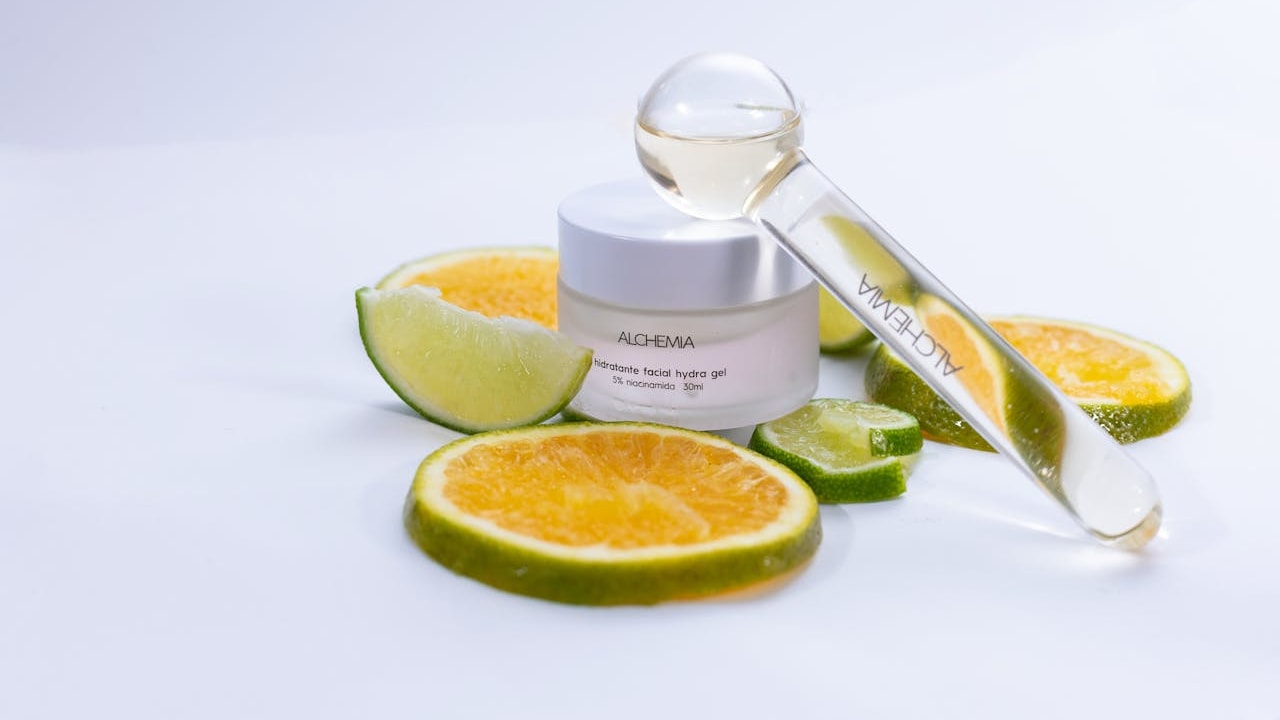
Pollution, sun, stress, repeat. Vitamin C might just be the everyday shield your skin has been missing.
Photo Credit: Pexels
Living in an Indian metro means accepting a level of environmental exposure that your skin cannot ignore. While you cannot control pollution, you can control how well your skin responds to it. Vitamin C offers a scientifically backed, accessible way to strengthen your skin's defences, reduce visible damage, and maintain long term health. When chosen carefully and used consistently alongside sunscreen and a balanced routine, it becomes more than just another skincare step. It evolves into an essential habit, supporting your skin daily as it navigates the challenges of urban living with resilience, strength, and clarity.
Products Related To This Article
1. HealthBest Teens Vitamin C Face Serum
2. BellaCast Anti-Aging Vitamin-C Serum
3. Chemist at Play 10% Vitamin C Face Serum
4. Orgatre 30% Vitamin C Face Serum
5. DOT & KEY Vitamin C+E Oil-Free Moisturizer For Glowing Skin & Fades Dark Spots
6. BRILLARE Vitamin C Powder Face Wash
7. VEDANUM Premium Natural Orange Peels with Vitamin C
8. Pears Naturale Set of 4 Vitamin C Soap
9. The Derma co. 1% Vitamin C Brightening Lip Balm
10. Mamaearth Vitamin C Face Wash with Vitamin C & Turmeric for Skin Illumination
Frequently Asked Questions (FAQs)
Q1. What is the best time to use vitamin c serum?
Vitamin C serum is best applied in the morning as it helps protect the skin against daily environmental damage. Follow it with sunscreen to maximise its protective effects.
Q2. Can vitamin c replace sunscreen in a routine?
No, Vitamin C cannot replace sunscreen. It enhances protection but must always be used with a broad spectrum SPF for complete defence.
Q3. Which type of vitamin c is best for humid climates?
Stable derivatives such as sodium ascorbyl phosphate and magnesium ascorbyl phosphate work best in humid climates. They are less likely to oxidise and remain effective longer.
Q4. How long does it take to see results from vitamin c?
Visible improvements like brighter skin can appear in a few weeks, while benefits like reduced pigmentation and improved firmness may take longer with consistent use.
Q5. Can beginners use vitamin c daily?
Yes, beginners can start with a lower concentration and gradually increase usage. Choosing a gentle, stable formulation helps minimise irritation and improves tolerance.
(Disclaimer: This article may include references to or features of products and services made available through affiliate marketing campaigns. NDTV Convergence Limited (“NDTV”) strives to maintain editorial independence while participating in such campaigns. NDTV does not assume responsibility for the performance or claims of any featured products or services.)