What Does Non-Comedogenic Mean? Why It Matters For Oily Skin
Non-comedogenic sounds technical, but it plays a big role in managing oily skin. This article explains what the term really means, why it matters, and how it helps reduce clogged pores and breakouts. Explore non-comedogenic label meaning and importance for your skincare routine.
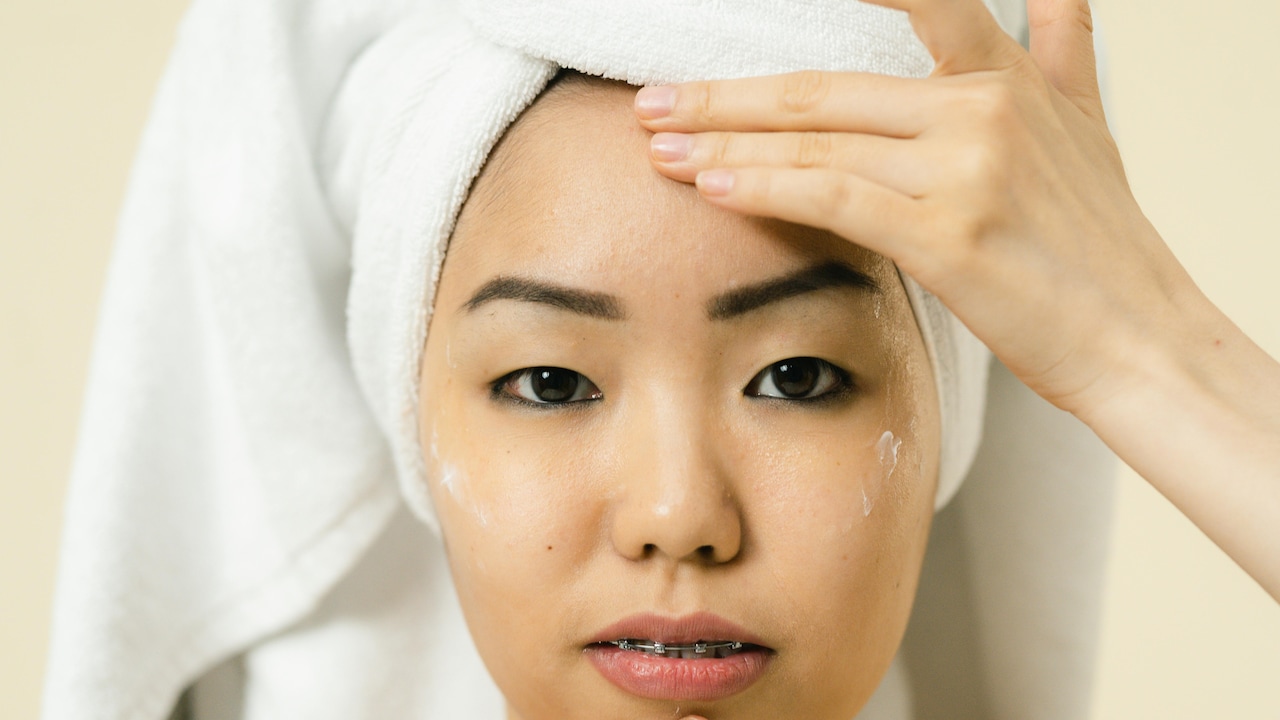
Understand What Non-Comedogenic Products Are And Their Importance for Healthy, Oil-Free Skin.
Oily skin comes with a reputation. Shiny by noon. Makeup sliding off by lunch. Surprise breakouts before important events. Add heat, humidity, pollution, and long commutes, and skin often feels like it never gets a break. That's where the term “non-comedogenic” enters the conversation.
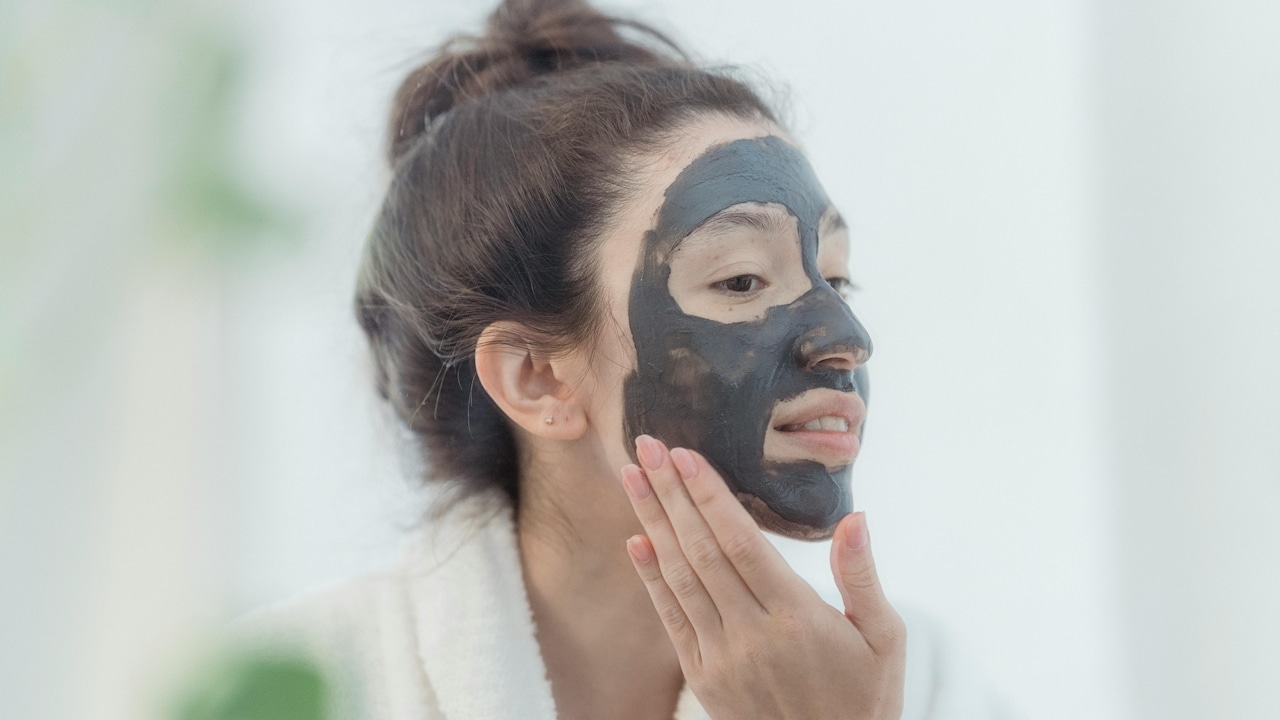
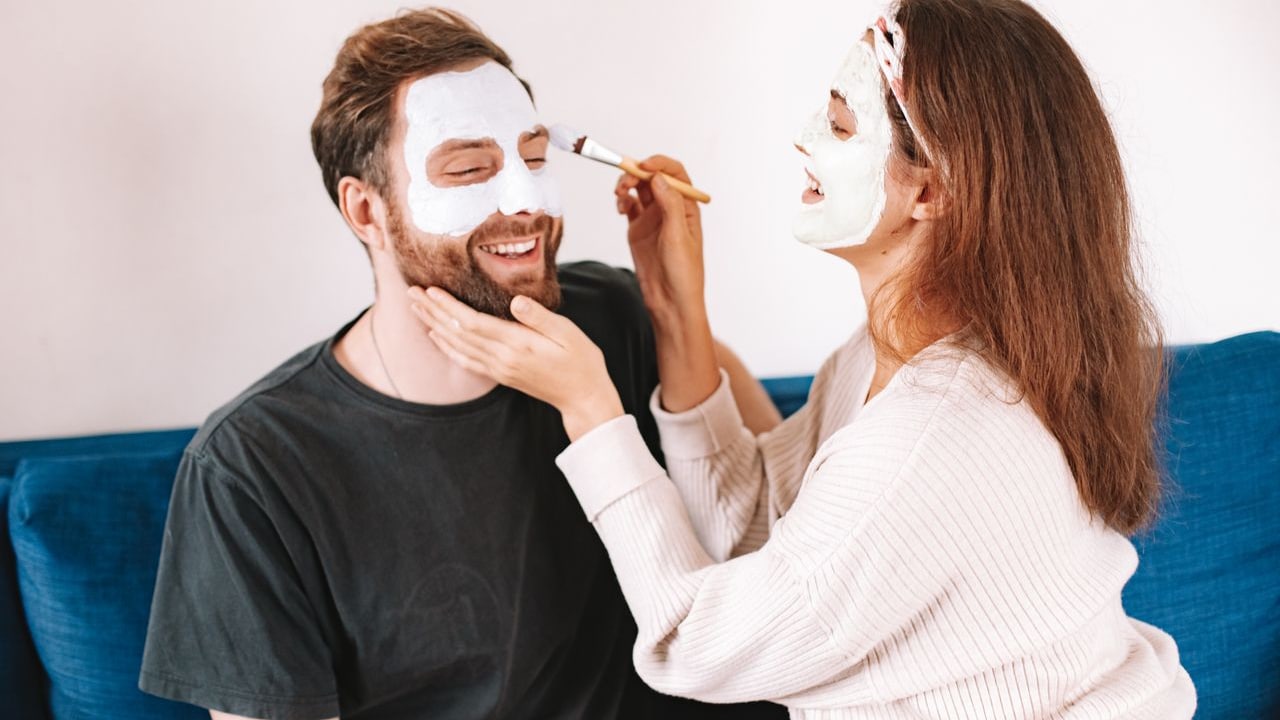
Understand the meaning and importance of non-comedogenic in skincare; Photo Credit: Pexels
The word sounds clinical. It appears everywhere, from sunscreens to serums. Yet confusion still lingers. Does it mean oil-free? Does it guarantee zero pimples? Or is it just another fancy label?
Understanding this term can change how skincare choices are made. It helps avoid clogged pores, angry breakouts, and wasted money on products that never stood a chance. More importantly, it brings control back to the person standing in front of the mirror, wondering why the skin refuses to behave.
Also Read: 5 Must-Have Face Washes for Oily and Acne-Prone Skin
Before You Trust the Label, Here's What You Should Know
1. Breaking Down the Word: What “Non-Comedogenic” Actually Means
“Comedones” refer to clogged pores. Think blackheads and whiteheads that appear uninvited and overstay their welcome. A non-comedogenic product claims that it will not clog pores or contribute to these blockages.
That's it. No magic. No guarantee of perfect skin. Just a promise that the ingredients used have a low likelihood of blocking pores.
The confusion often starts because many assume non-comedogenic equals oil-free. That's not true. Some oils nourish skin without clogging pores. Others suffocate them. The term focuses on how ingredients behave on skin, not whether they contain oil.
Another misconception involves breakouts. A non-comedogenic label does not stop hormonal acne or stress-induced flare-ups. It simply reduces one major trigger: pore blockage.
In everyday life, this matters more than expected. After a sweaty commute or a long day outdoors, skin already deals with enough. Products that add congestion only worsen the situation. Understanding the term helps make smarter, calmer choices at the shelf.
2. Why Oily Skin Needs Extra Care with Pore-Clogging Products
Oily skin produces excess sebum. That natural oil protects skin but also traps dirt, sweat, and pollution. When a heavy product sits on top, pores struggle to breathe.
Clogged pores stretch and inflame. Blackheads form quietly. Whiteheads announce themselves loudly. Over time, repeated clogging leads to persistent texture issues that never seem to fade.
In warm climates, this problem intensifies. Heat increases oil production. Humidity prevents sweat from evaporating. Dust and pollution stick easily. Skin feels greasy even after cleansing.
Using non-comedogenic products helps break this cycle. They allow skin to function without adding extra weight. Pores stay clearer. Oil flows more evenly. That midday shine still appears, but breakouts feel less frequent and less severe.
This does not mean oily skin needs harsh products. Stripping skin only pushes it to produce more oil. The goal involves balance, not punishment. Non-comedogenic formulas support that balance without triggering chaos beneath the surface.
3. The Science Behind Clogged Pores and Breakouts
Pores act like tiny doorways. They release oil and sweat to keep skin comfortable. When these doorways get blocked, trouble follows.
Dead skin cells mix with oil. Add a pore-clogging ingredient, and the mixture thickens. Bacteria thrive in this environment. Inflammation builds. A pimple forms.
Some ingredients sit comfortably on the skin. Others seep into pores and solidify. Early research tested ingredients on animal skin, which caused plenty of debate. Modern testing uses human skin data, though results still vary.
This explains why a product may work wonders for one person and cause breakouts for another. Skin responds differently based on genetics, environment, and routine.
Non-comedogenic products reduce risk rather than eliminate it. They avoid ingredients known to block pores easily. Think of them as a safer bet, not an absolute rule. In a world full of skincare experiments, that reduction in risk feels valuable.
4. Marketing Buzzword or Meaningful Label?
Scepticism around skincare labels feels justified. Brands love impressive terms. “Non-comedogenic” often gets lumped into that pile.
Unlike vague claims, this term holds a specific meaning. Still, no universal regulation controls its use. Brands decide based on internal testing or ingredient lists.
That sounds worrying, but ingredient transparency helps. Many pore-clogging ingredients have well-documented reputations. When brands avoid them, the label earns credibility.
Problems arise when consumers treat the term as a cure-all. No product solves every skin concern. Non-comedogenic does one job: it avoids clogging pores.
Used correctly, the label saves time and frustration. It narrows choices in crowded aisles. It prevents impulse buys based on packaging alone. In a market overflowing with options, any honest filter helps.
5. Everyday Products That Can Clog Pores Without Warning
Moisturisers and foundations often take the blame. Hair products deserve suspicion, too. Oils and waxes slide down onto the forehead and temples. Breakouts appear along the hairline and jaw.
Sunscreens pose another challenge. Heavy formulas feel greasy and suffocating. Skipping sunscreen causes bigger problems, though. Non-comedogenic sunscreens offer a safer compromise.
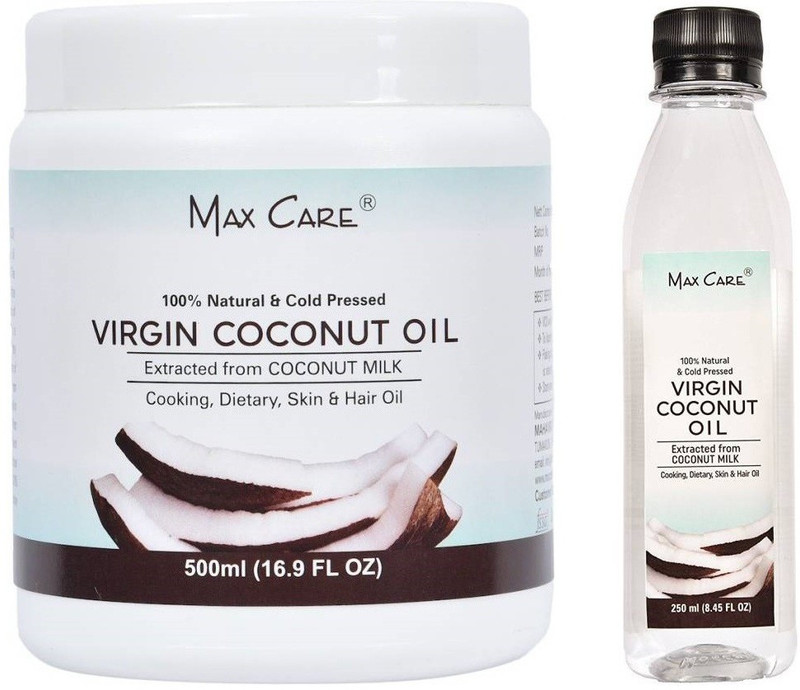
Even natural ingredients can cause issues. Coconut oil enjoys popularity, butit clogs pores for many people. Shea butter feels nourishing yet proves too heavy for oily skin types.
The label becomes a useful checkpoint. It encourages looking beyond trends and focusing on skin behaviour. That trendy face oil may work wonders for dry skin. Oily skin often tells a different story by morning.
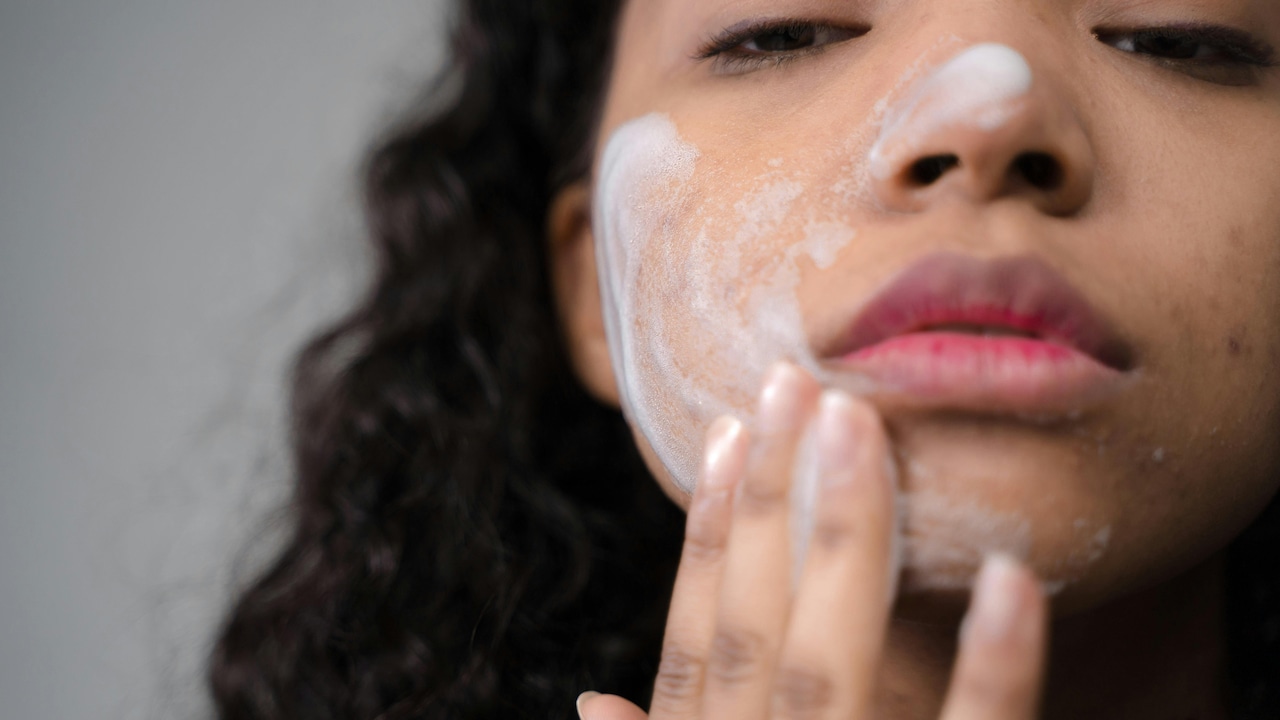
Non-comedogenic skincare products can prevent your skin from suffocating; Photo Credit: Pexels
6. Non-Comedogenic Does Not Mean Lightweight or Weak
Some assume non-comedogenic products lack power. That myth persists. These formulas can hydrate, protect, and treat skin effectively.
Modern skincare blends science with comfort. Gel-based moisturisers deliver hydration without grease. Serums sink in quickly. Sunscreens protect without shine.
Texture matters. Lightweight does not mean ineffective. Heavy does not mean nourishing. Skin absorbs what it needs.
For oily skin, comfort matters. When products feel good, routines stay consistent. Skipping steps often leads to more issues later.
A non-comedogenic routine supports long-term skin health. It keeps pores clearer and allows active ingredients to work without interference. That quiet consistency often shows better results than dramatic, short-lived fixes.
7. Reading Ingredient Lists Without Losing Patience
Ingredient lists look intimidating. Long names scare people away. A few familiar offenders deserve attention.
Ingredients known to clog pores include certain waxes, heavy butters, and thick oils. Lists rank ingredients by concentration. Those listed at the top matter more.
This does not require memorising chemistry textbooks. A quick scan helps. Over time, patterns appear. Skin reacts similarly to certain textures and ingredients.
Trial and observation remain key. Patch testing saves regret. Introducing one new product at a time avoids confusion.
Non-comedogenic labels simplify this process. They reduce guesswork. Combined with basic ingredient awareness, they empower smarter decisions without stress.
8. Climate, Lifestyle, and Why Skin Behaves Differently
Skin does not exist in isolation. Weather, food, stress, and sleep all play roles. Long summers and humid monsoons push oily skin to its limits.
Air pollution settles into pores. Sweat mixes with grime. Frequent cleansing becomes necessary but risky. Over-cleansing damages the skin barrier.
Non-comedogenic products fit well into this environment. They support skin without overwhelming it. They allow breathable layers that adapt to changing conditions.
Lifestyle matters too. Long workdays, travel, and screen exposure take their toll. Skincare routines need practicality. Complicated steps rarely survive busy schedules.
Choosing products that respect pores simplifies routines. Less congestion means fewer emergency treatments. Skin feels calmer, even on exhausting days.
9. Common Myths That Refuse to Disappear
One myth claims oily skin does not need moisturiser. Dehydrated skin produces more oil to compensate. Skipping moisturiser backfires.
Another myth says expensive products work better. Price does not predict pore behaviour. Plenty of affordable options perform well.
Some believe frequent scrubbing clears pores. Harsh exfoliation irritates skin and worsens breakouts.
Non-comedogenic products counter these myths quietly. They support hydration without clogging. They work across price ranges. They encourage gentle care.
Education shifts habits. Understanding skin reduces frustration. Myths lose power when replaced with knowledge and observation.
10. Building a Simple, Skin-Friendly Routine That Lasts
Consistency beats complexity. A gentle cleanser, a non-comedogenic moisturiser, and a suitable sunscreen form a solid base.
Add treatments slowly. Observe reactions. Adjust based on seasons and stress levels.
Listen to skin signals. Excess shine, sudden bumps, or irritation provide clues. Respond calmly rather than panic-buying new products.
Non-comedogenic choices reduce background noise. They allow skin to express real concerns instead of constant congestion.
Over time, skin feels more predictable. Breakouts still happen. They pass more quickly. Confidence grows quietly, without dramatic promises or overnight miracles.
Products Related To This Article
1. FIXDERMA COSMETIC LABORATORIES Alpha-Beta Non-Comedogenic Acne Cleanser
2. VANDYKE 100% Squalane Non-Comedogenic Face Oil with Olive
3. Minimalist SPF 50 PA++++ Multi Vitamin Sunscreen
4. FIXDERMA Shadow SPF 50+ UVA & UVB Protection Gel Sunscreen
5. Deconstruct Deconstruct Oil-Free Moisturizer Non Sticky with 72 HR Hydration
“Non-comedogenic” does not promise perfect skin. It offers something more realistic: fewer clogged pores and a smoother path forward for oily skin.
Understanding the term removes confusion and builds confidence. It shifts focus from chasing trends to supporting skin's natural balance. In hot, busy environments, that support matters more than ever.
Skincare works best when it feels sustainable. Non-comedogenic products fit into real lives, real climates, and real routines. They do not shout. They simply work in the background, letting skin breathe and behave a little better each day.
(Disclaimer: This article may include references to or features of products and services made available through affiliate marketing campaigns. NDTV Convergence Limited (“NDTV”) strives to maintain editorial independence while participating in such campaigns. NDTV does not assume responsibility for the performance or claims of any featured products or services.)