How To Stop Makeup Separation: Fix Skincare Prep Errors For A Flawless Foundation
Makeup separating by midday? The real issue often lies in skincare prep. Learn the common mistakes that cause the foundation to crack, pill, or slide, and how to fix them for a flawless base.

Makeup Separating On Your Face? Fix These Skincare Prep Mistakes For A Flawless Base.
Makeup separation feels like betrayal. Time gets spent blending, buffing, and perfecting, only to spot foundation breaking apart around the nose, clinging to dry patches, or sliding off by noon. Many blame the foundation, but the problem usually starts much earlier. Skincare prep sets the stage for how makeup behaves. When that stage feels uneven, overloaded, or rushed, the foundation struggles to stay put.
Weather adds its own drama. Humid summers, dry winters, and long commutes test even the best products. Add busy mornings and experimental skincare trends, and the skin often ends up confused. However, you can do something about it. Makeup separation rarely needs expensive fixes. Small, thoughtful changes make a big difference. This article dives into 10 practical skincare prep errors that cause makeup to separate.
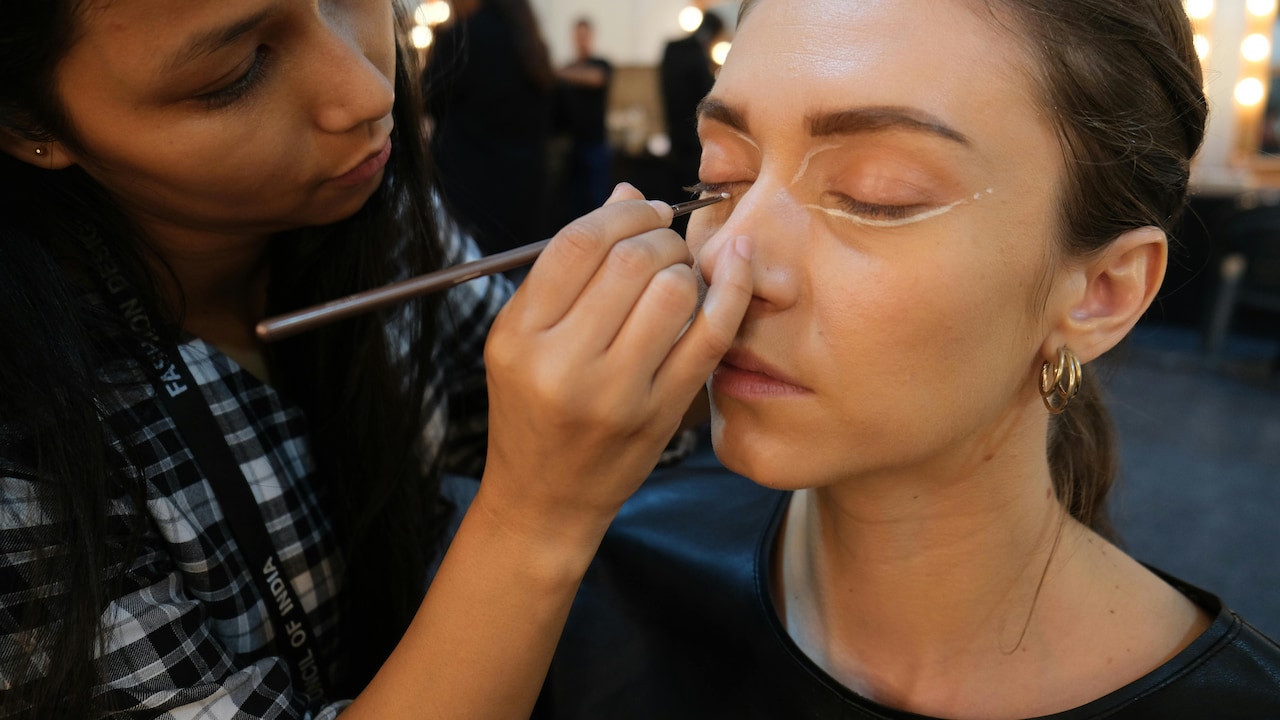
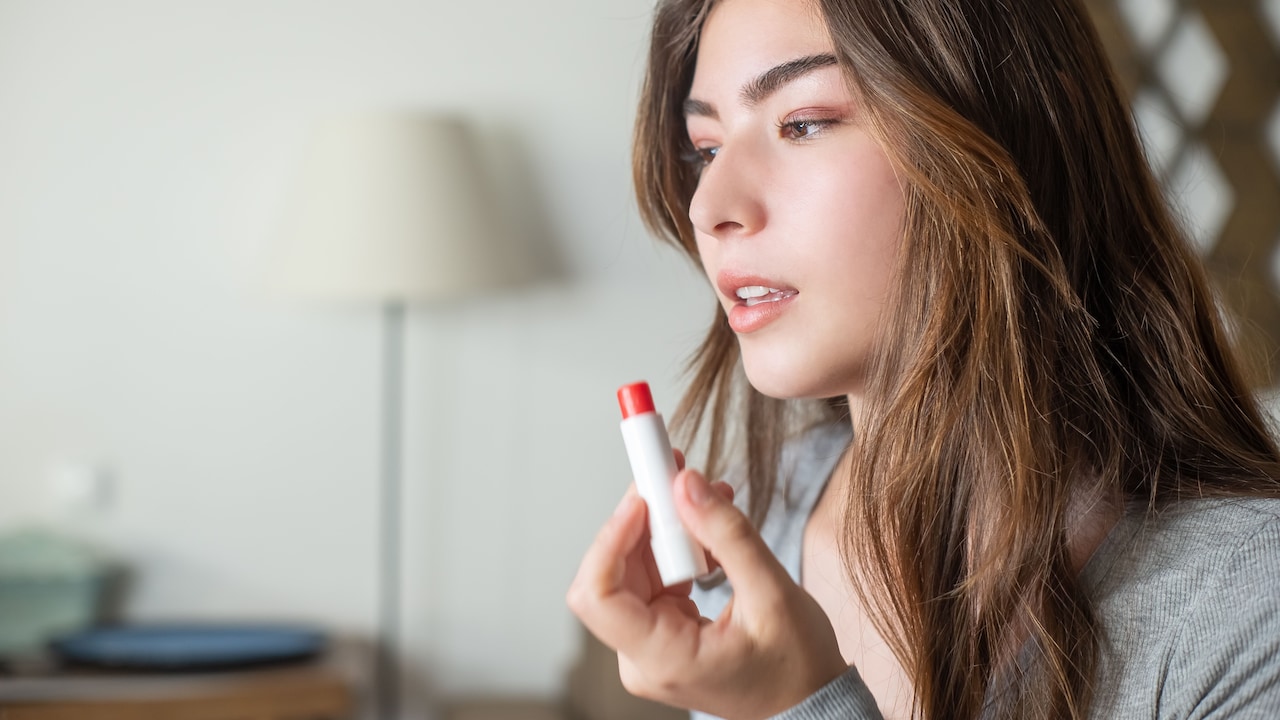
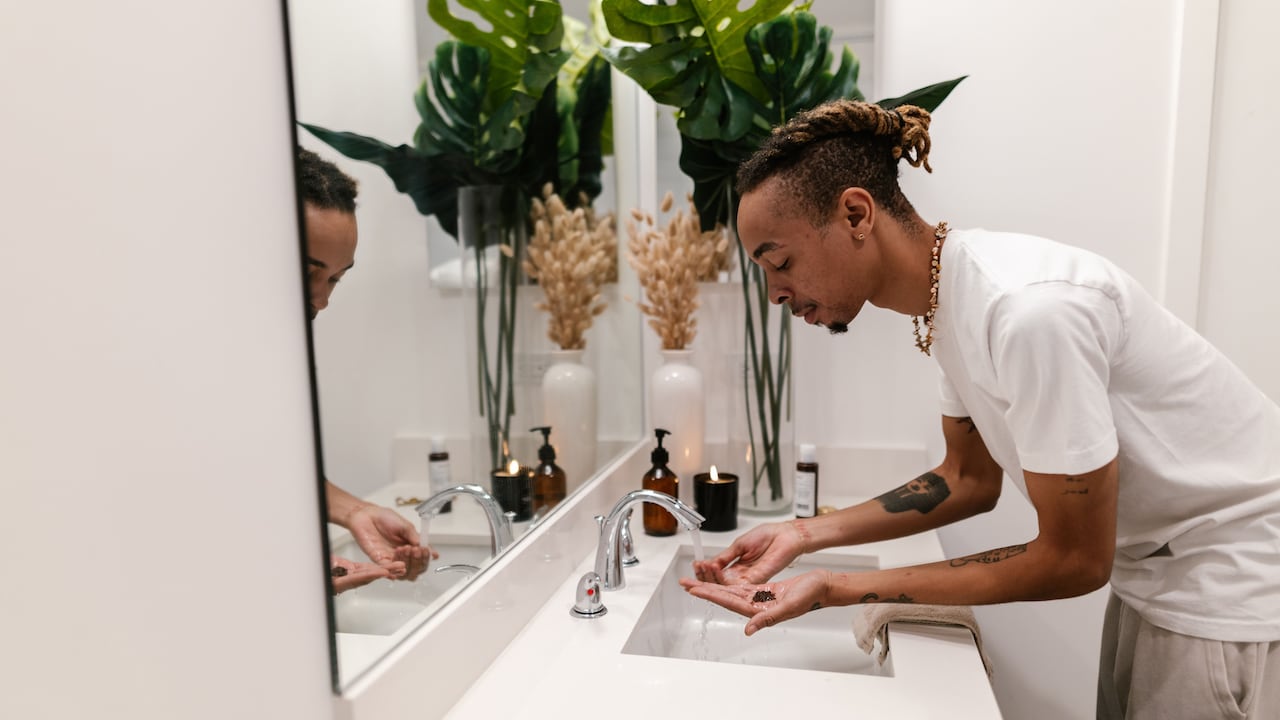
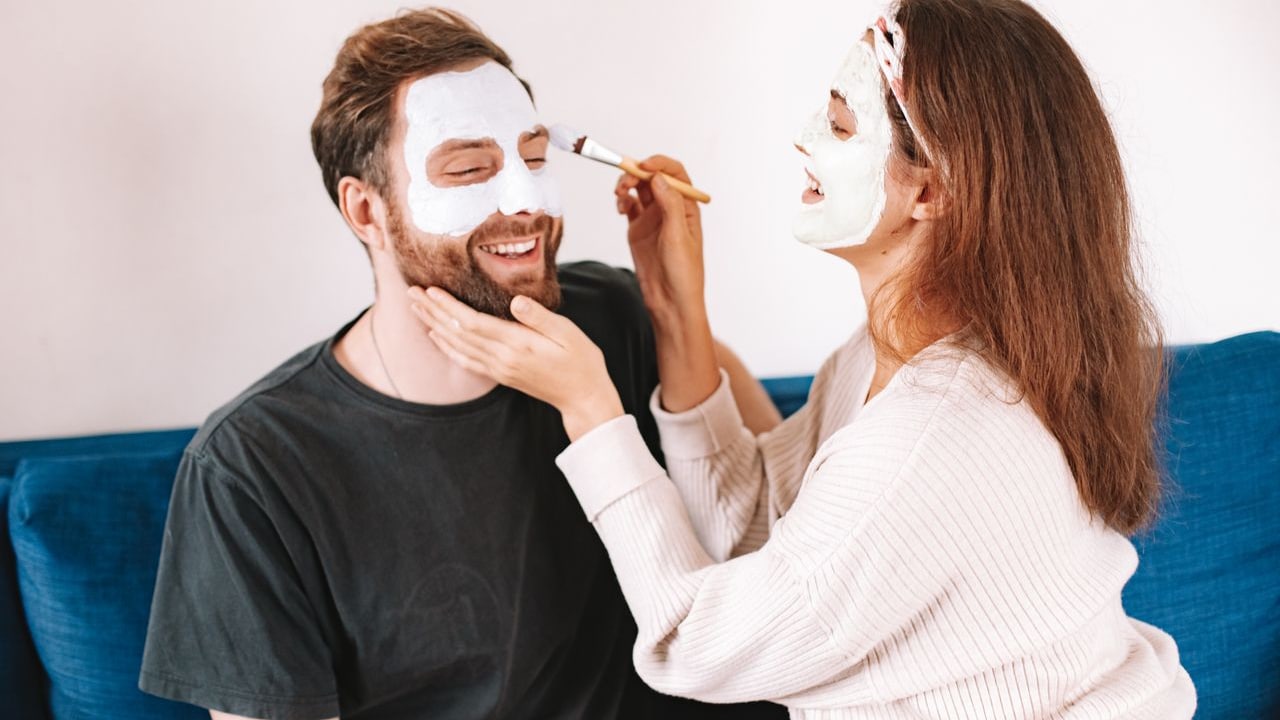
Makeup Separating On Your Face? Fix These Skincare Prep Mistakes For A Flawless Base.; Photo Credit: Pexels
The Skincare Prep Mistakes That Make Your Foundation Fall Apart
1. Skipping Proper Cleansing Before Makeup
Foundation loves clean skin. Dirt, oil, sweat, and leftover night cream create a slippery surface that stops makeup from gripping properly. Many mornings begin with a quick splash of water, especially during rushed weekdays. That habit often leaves residue behind, which causes the foundation to slide or separate within hours.
A gentle cleanser clears away excess oil without stripping the skin. Gel cleansers suit humid days, while cream-based options feel kinder during colder months. Over-cleansing, however, creates its own problems. Stripped skin produces more oil to compensate, which leads to midday shine and patchy makeup.
Cleansing also resets the skin after sleep. Night-time skincare works hard, but traces often remain by morning. Removing that layer helps fresh products absorb better. Think of cleansing as wiping a slate clean before writing on it again.
This step does not need to take long or cost much. Even a ₹250 cleanser used consistently outperforms luxury products layered on unclean skin. Clean skin gives foundation a fair chance to stay smooth and even.
2. Using Skincare That Does Not Match the Foundation Formula
Water-based skincare and silicone-based foundation rarely get along. This mismatch causes pilling, sliding, and visible separation. Many routines mix products without checking what sits underneath. That confusion leads to makeup behaving badly.
A simple rule helps. Water-based foundation pairs best with lightweight, water-based skincare. Silicone-rich foundations need products with similar textures. Checking ingredient lists feels tedious, but the first few ingredients usually tell the story. Words like “aqua” signal water-based formulas, while “dimethicone” hints at silicone.
Layering incompatible textures feels like stacking oil on water. They refuse to blend, no matter how expensive the products. The result shows up as the foundation breaking apart around the mouth or nose.
Matching formulas does not mean replacing everything at once. Even swapping one conflicting product can improve results. Skin likes harmony. When products work together, the foundation blends more easily and lasts longer without drama.
Also Read: Know Top 8 Game-Changing Makeup Tips for Radiant Skin
3. Applying Too Many Skincare Layers
More skincare does not always mean better skin, especially before makeup. Serums, essences, toners, oils, creams, and sunscreens stacked together can overwhelm the skin. Excess layers sit on the surface and never absorb fully. The foundation then struggles to stay put.
Busy mornings tempt shortcuts. Instead of waiting between layers, products get piled on quickly. That rush creates a slippery base that encourages separation. The skin needs time to absorb each product, especially heavier creams.
A pared-down routine works best before makeup. Cleanser, moisturiser, and sunscreen usually suffice. Serums suit night routines better, where absorption matters more than finish.
Think of skincare as seasoning. A little enhances the dish, but too much ruins it. Minimal prep creates a smoother canvas and keeps the foundation from sliding off by lunchtime.
4. Not Letting Skincare Set Before Foundation
Patience pays off in makeup prep. Applying foundation immediately after skincare traps moisture underneath. That moisture mixes with the foundation and causes patchiness or streaks. Many faces show this issue around the nose and chin first.
Giving skincare five to ten minutes to settle makes a visible difference. This pause allows moisturiser and sunscreen to sink in properly. The skin then feels hydrated, not slippery.
That waiting time need not feel wasted. It works perfectly for brushing hair, choosing earrings, or packing a lunch box. Small pauses often save touch-ups later.
Rushing makeup feels tempting during busy mornings, but it often backfires. A few extra minutes upfront prevent hours of frustration. Set skincare properly, and foundation rewards that patience with a smoother finish.
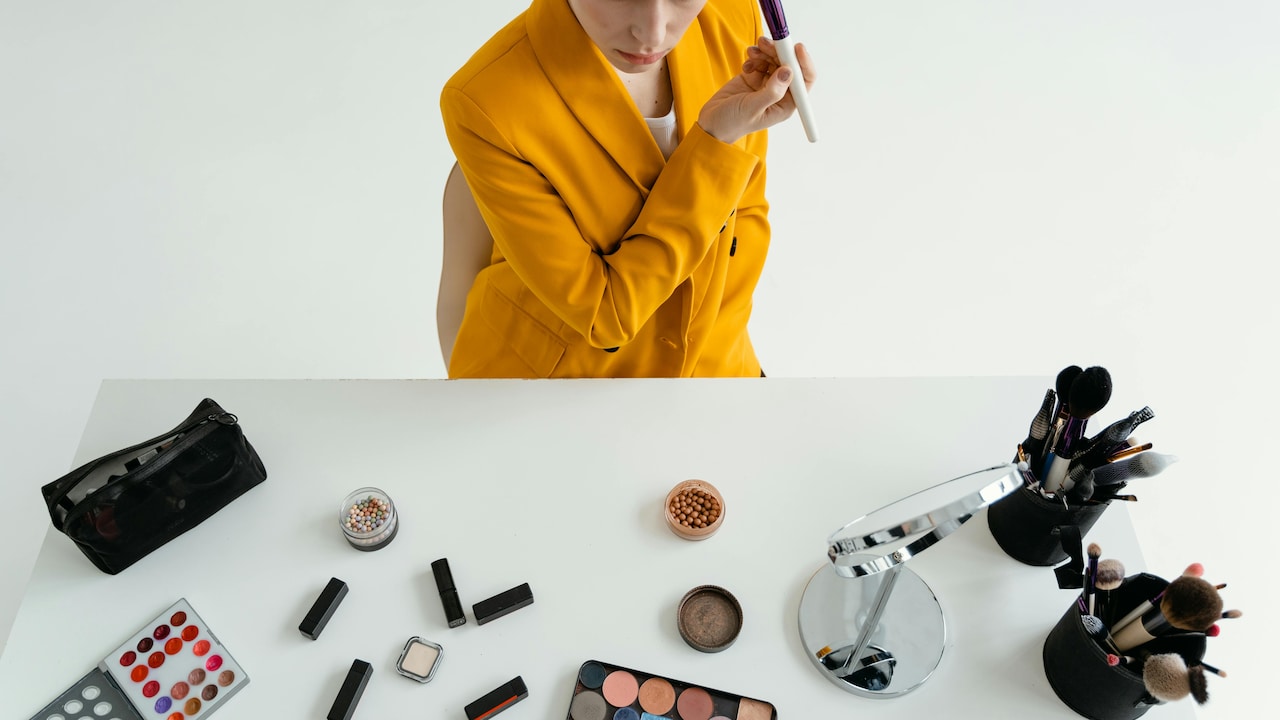
Makeup Separating On Your Face? Fix These Skincare Prep Mistakes For A Flawless Base.; Photo Credit: Pexels
5. Choosing the Wrong Moisturiser for the Skin Type
Moisturiser acts as the bridge between skincare and makeup. When that bridge feels unstable, the foundation slips. Heavy creams suit dry skin but overwhelm oily or combination skin. Lightweight gels hydrate without grease but may not nourish drier areas enough.
Using the wrong texture creates an imbalance. Dry patches soak up foundation unevenly, while oily zones cause sliding and separation. Many people use one moisturiser for the entire face, ignoring that skin behaves differently across areas.
Seasonal changes also matter. Summer humidity demands lighter formulas, while winter air calls for richer textures. Ignoring these shifts often leads to makeup mishaps.
A balanced moisturiser tailored to skin needs keeps hydration steady. When skin feels comfortable, foundation sits better and lasts longer. The right moisturiser works quietly in the background, letting makeup shine.
6. Skipping Sunscreen or Using the Wrong One
Sunscreen protects skin, but it also affects makeup performance. Skipping it risks long-term damage, while using the wrong type causes separation. Many sunscreens feel greasy or leave a film that foundation refuses to blend with.
Gel-based or lightweight fluid sunscreens work best under makeup. Thick, creamy formulas often pill when layered with foundation. Application technique matters too. Rubbing sunscreen vigorously can disturb previous skincare layers.
Let sunscreen settle for a few minutes before makeup. This step reduces movement and helps the foundation adhere better. Pressing the foundation gently with a sponge instead of dragging a brush also helps.
Sun protection and flawless makeup can coexist. Choosing the right sunscreen and applying it thoughtfully prevents separation without sacrificing safety.
7. Over-Exfoliating the Skin
Exfoliation promises smooth skin, but overdoing it causes more harm than good. Raw, irritated skin struggles to hold makeup. Foundation clings to flaky patches or separates around sensitive areas.
Chemical exfoliants, scrubs, and peels often sneak into routines too frequently. Daily use weakens the skin barrier and increases dryness or oiliness. Both conditions invite makeup problems.
Limiting exfoliation to one or two times a week keeps skin balanced. Gentle formulas work better than harsh scrubs. Well-exfoliated skin feels smooth, not tight or shiny.
Healthy skin texture allows foundation to glide evenly. Over-exfoliation creates uneven terrain that makeup cannot hide. Treat exfoliation as maintenance, not a daily fix.

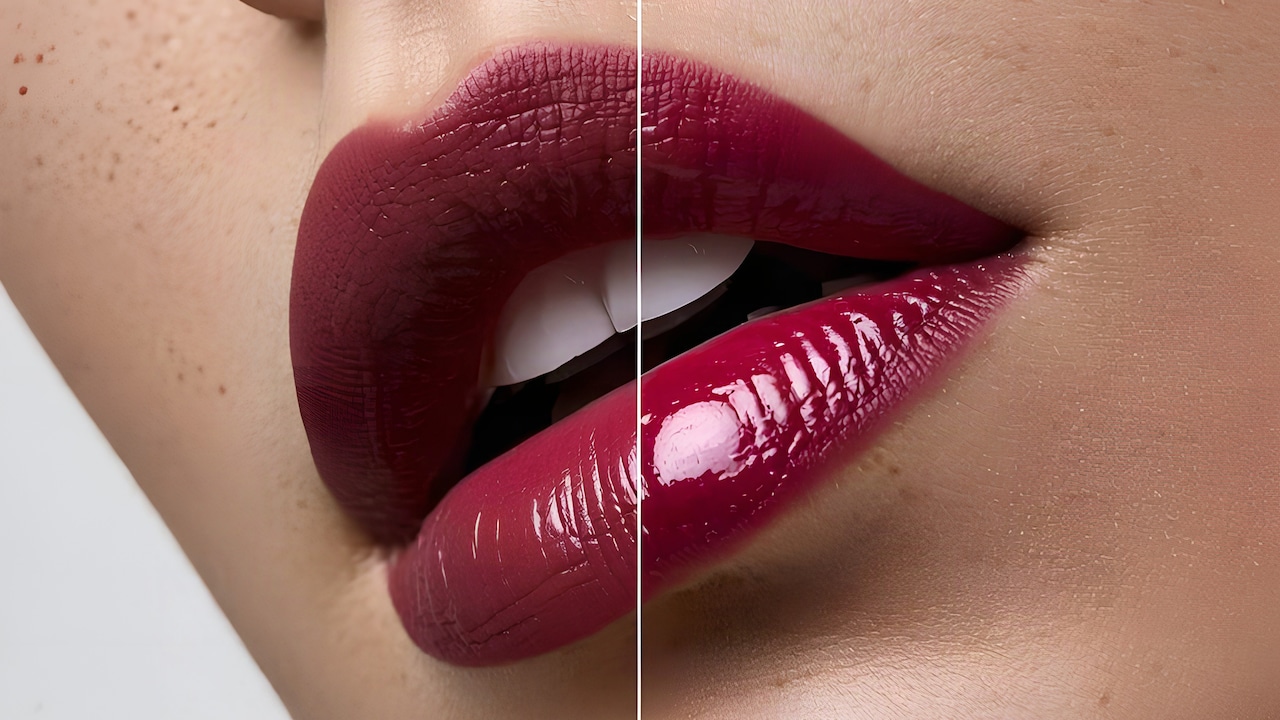
Makeup Separating On Your Face? Fix These Skincare Prep Mistakes For A Flawless Base.; Photo Credit: Pexels
8. Ignoring Primer or Using It Incorrectly
Primer divide opinion. Some swear by it, others skip it entirely. The truth lies in correct use. Primer smooths texture, controls oil, and improves foundation longevity when chosen wisely.
Using too much primer causes pilling and separation. A pea-sized amount suffices for most faces. Applying primer to targeted areas works better than spreading it everywhere. Oil-prone zones benefit most, while dry areas may not need it.
Primer also needs time to set. Applying foundation immediately disturbs its smoothing effect. Waiting a minute allows the primer to grip properly.
Primer works as a support act, not the star. Used correctly, it enhances foundation without stealing attention.
9. Using Too Much Foundation Too Quickly
Heavy foundation application overwhelms even the best prepped skin. Thick layers crack and separate as the day progresses. Many aim for full coverage instantly, rather than building gradually.
Using smaller amounts and layering slowly improves adhesion. Thin layers flex with facial movement instead of breaking apart. Tools matter too. Damp sponges press foundation into the skin, while dense brushes can drag product across the surface.
Rushing this step often leads to uneven patches. Taking an extra minute to blend properly saves multiple touch-ups later. The foundation behaves better when treated gently.
A less foundation often looks more natural and lasts longer. Skin still shows through, but in a healthy, polished way.
10. Forgetting to Lock Everything In
Makeup needs a final seal. Without it, humidity, sweat, and natural oils take control. Setting products prevent movement and keep the foundation intact.
Loose powder works well for oil control, especially around the nose and forehead. Using too much powder, however, dries out the skin and highlights texture. A light hand works best.
Setting spray adds longevity and removes a powdery finish. Spraying from a distance creates an even mist that holds makeup together. Touching the face while spray dries defeats the purpose.
Locking makeup feels like fastening a seatbelt. Everything stays in place, even during long days. That final step often decides whether makeup looks fresh or fragmented.
Products Related To This Article
1. FACES CANADA Weightless Stay Matte Powder
2. MAYBELLINE NEW YORK Fit Me Matte+Poreless Liquid Tube Foundation
3. Renee Everyday CC+BB Cream - Almond Crème
4. MAYBELLINE NEW YORK Instant Age Rewind Concealer
5. Insight Cosmetics Pro Concealer Palette Concealer
6. The Derma Co SPF 50 PA+++ with Hyaluronic Acid and Ceramide | Hyaluronic Sunscreen Compact
7. Lakmé 9to5 Powerplay Priming Concealer Built in Primer Concealer
Makeup separation rarely comes from bad luck. It grows from small skincare prep mistakes that pile up quietly. From rushed cleansing to mismatched products, each step influences how the foundation behaves. Healthy makeup prep creates harmony between skin and makeup. When products absorb properly and textures align, the foundation stays smooth and even.
Flawless makeup feels less like a miracle and more like good planning. With the right prep, foundation stops fighting back and starts working with the skin.
(Disclaimer: This article may include references to or features of products and services made available through affiliate marketing campaigns. NDTV Convergence Limited (“NDTV”) strives to maintain editorial independence while participating in such campaigns. NDTV does not assume responsibility for the performance or claims of any featured products or services.)