What Is A Makeup Primer, And Does Oily Skin Really Need It?
What is a primer in makeup, and should those with oily skin use it? A complete guide on benefits, skin types, and how to apply primer correctly for long-lasting makeup.
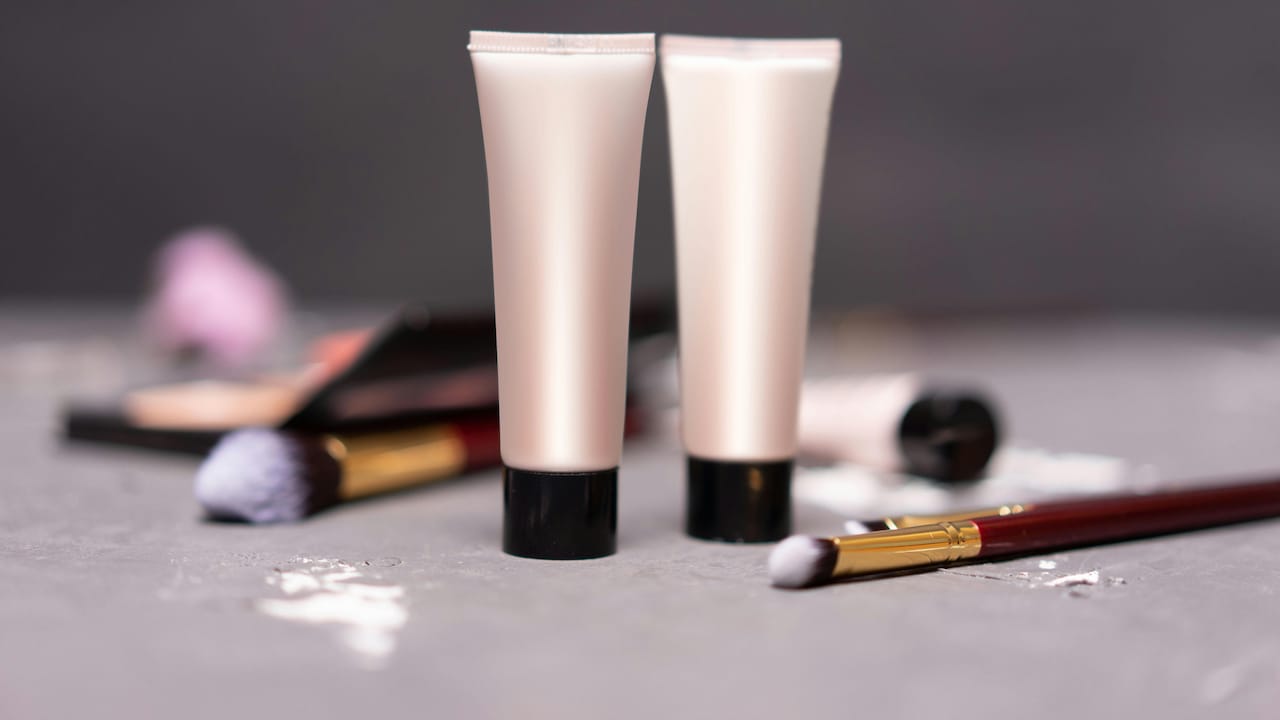
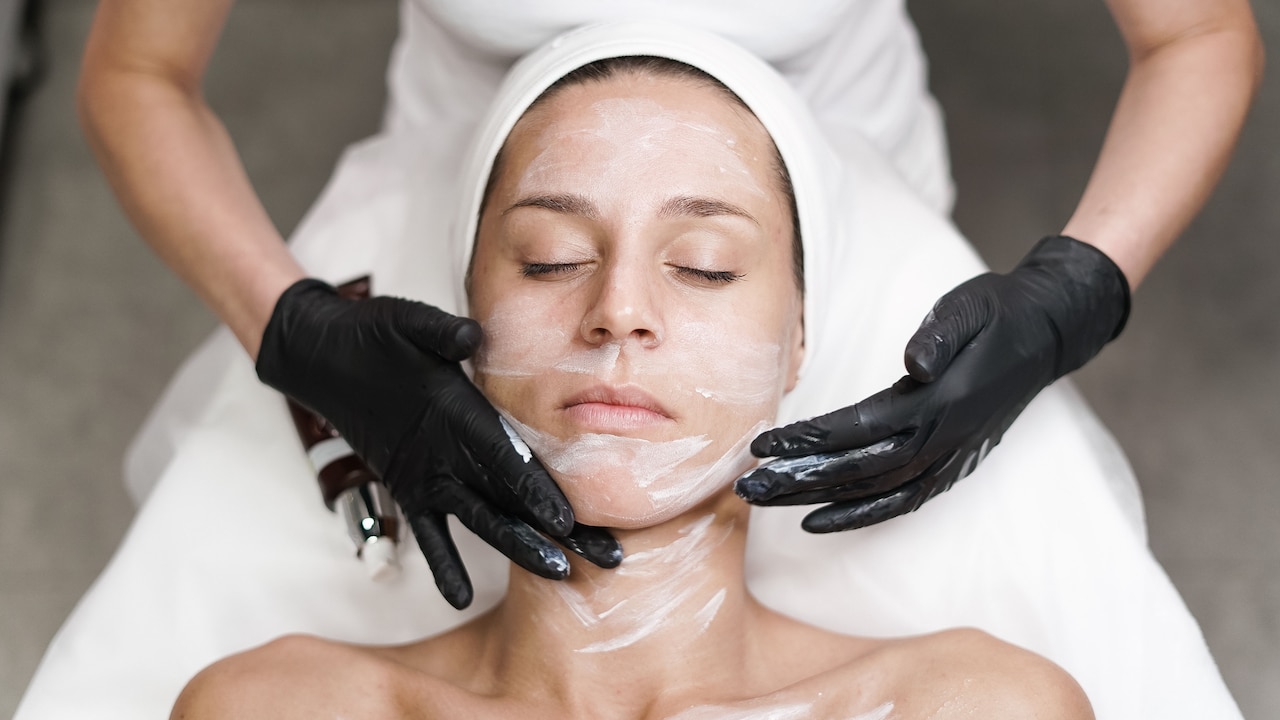
Primer is the first step in makeup after skincare.
If you've recently started exploring makeup, you've likely come across primers and wondered: Do I really need this step? Or more importantly, what does it even do?
Primer is often the most confusing part of a makeup routine because it doesn't add colour like foundation or concealer. It's not always visible, and many beginners skip it entirely. However, once understood and used correctly, it can make a noticeable difference to how your makeup looks and lasts.
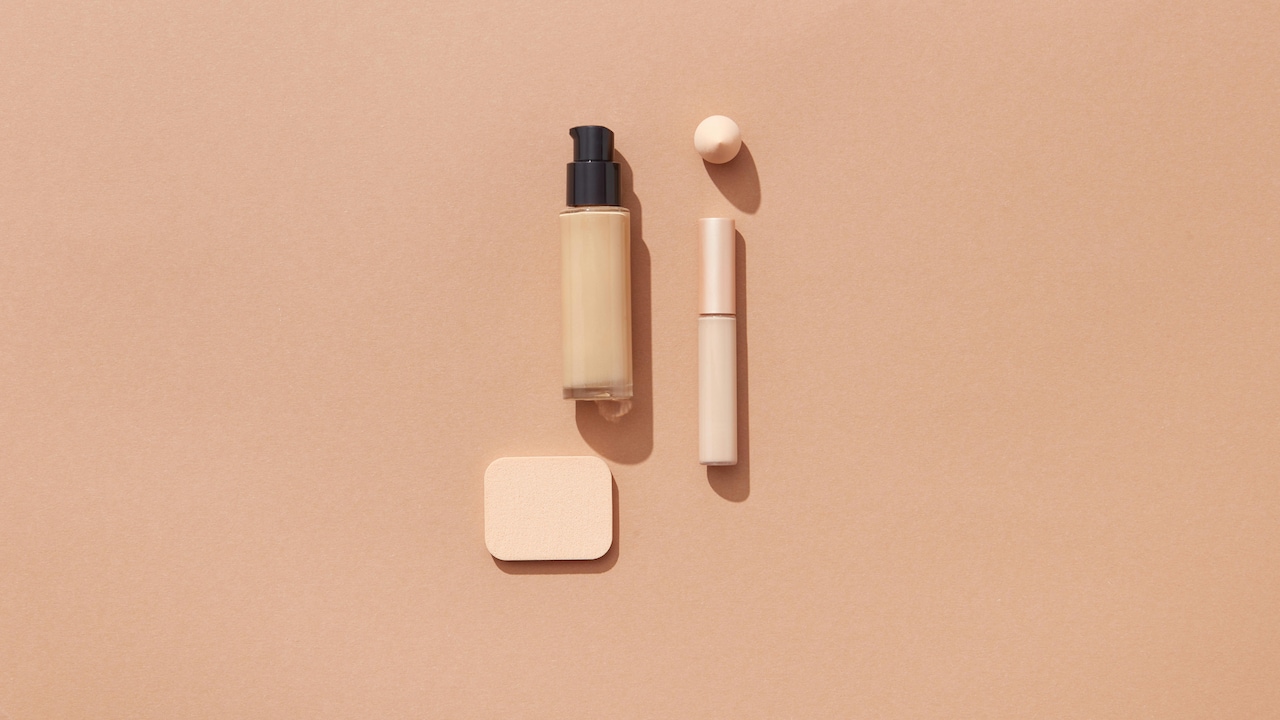
Primer helps makeup apply smoothly and last longer.
Photo Credit: Pexels
This guide explains everything clearly, what primer is, why people use it, who should consider it, and whether it works well on oily skin.
Also Read: Your Complete Guide To Face Oils: Ingredients, Benefits And Secret To Radiant Skin
What Is A Primer In Makeup?
A primer is the first makeup product applied to your face after skincare. Its main job is to prepare your skin so that anything you apply afterwards, especially foundation, goes on more smoothly and stays in place for longer.
Think of it as a base layer. Just like you would smooth out a wall before painting it, primer helps to even out your skin's surface before applying makeup.
Primers are usually lightweight and come in different forms like gels, creams, lotions or serums. Most are transparent, but some are tinted to correct issues like redness or dullness.
Why Do People Use Primer?
For someone new to makeup, it helps to understand that primer isn't about adding another layer of enhancement or colour, it's about improving how your makeup behaves throughout the day.
Here's what it really does, in practical terms:
1. It Helps Makeup Go On More Evenly
If your skin has visible pores, dry patches or texture, foundation can cling to certain areas and look uneven. Primer smooths the surface so that makeup glides on rather than settling into those spots.
2. It Makes Makeup Last Longer
Without primer, makeup can fade, crease or slide off, especially in heat or humidity. Primer forms a thin layer that helps hold everything in place.
3. It Controls Oil Or Adds Hydration
Different primers target different concerns. Some reduce oil and shine, while others add moisture to dry skin. This is why choosing the right type matters.
4. It Improves the Overall Finish
Even if you're using a good foundation, primer can make the final result look more polished, less patchy, more even and softer in appearance.
Who Should Use Primer?
Primer is not compulsory, but it becomes useful depending on your needs and routine.
You may benefit from primer if:
- Your makeup doesn't last through the day
- Your skin gets oily a few hours after applying makeup
- You notice foundation settling into pores or fine lines
- You want a smoother, more even finish
If you wear very minimal makeup, for example, just a bit of concealer, you might not always need it. But for longer wear or special occasions, it can be worth the extra step.
When Should You Apply Primer?
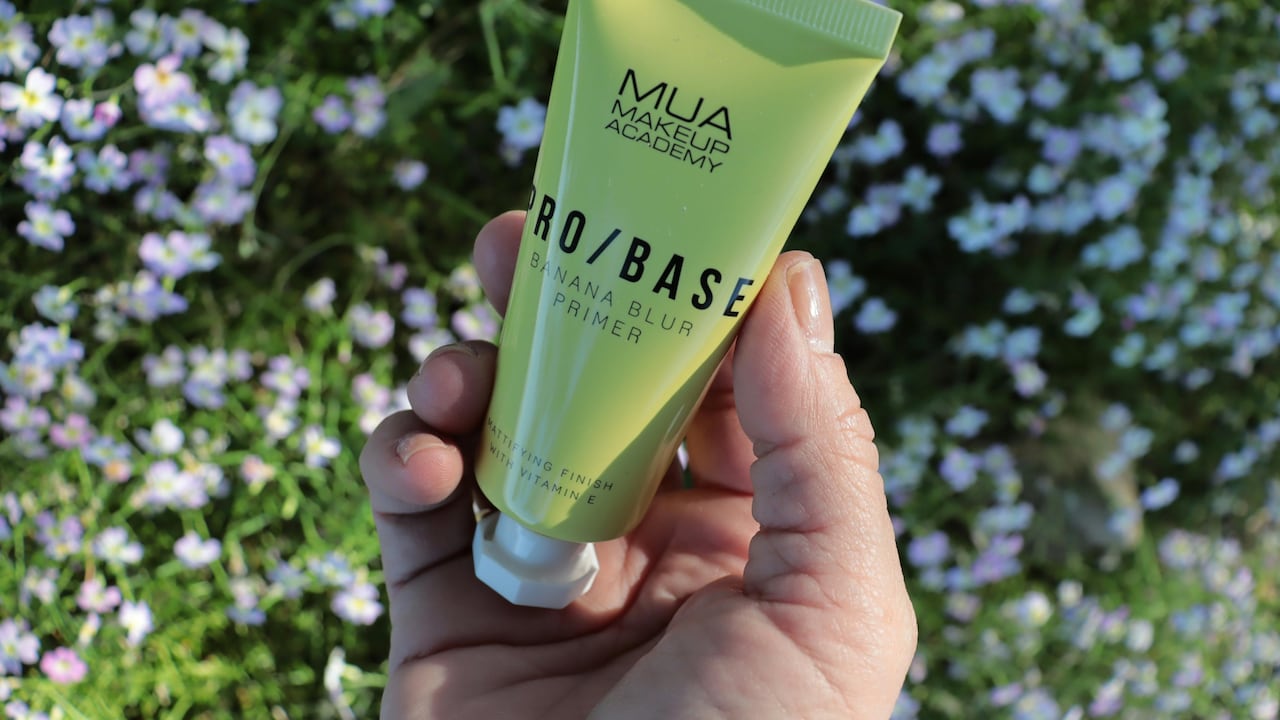
Oily skin benefits most from mattifying primers.
Photo Credit: Pexels
Primer comes after skincare and before any makeup.
Your basic order should look like this:
- Cleanser
- Moisturiser
- Sunscreen (daytime)
- Primer
- Foundation or concealer
One important thing to remember: your skincare should be fully absorbed before applying primer. If your skin still feels wet or sticky, the products may not layer properly.
How Does Primer Work?
A primer essentially creates a thin, invisible layer over your skin.
Depending on the formula, it can:
- Smooth out uneven texture
- Fill in pores temporarily
- Control excess oil
- Add a slight glow or radiance
- Help makeup grip better
Some primers contain ingredients that blur the appearance of pores (often silicone-based), while others are water-based and focus more on hydration.
The effect is not dramatic on its own, but when you apply foundation on top, the difference becomes more visible.
Can You Use Primer On Oily Skin?
Yes, and in fact, oily skin is one of the skin types that benefits most from using a primer.
If you have oily skin, you've probably noticed that your makeup tends to:
- Become shiny after a few hours
- Break down around the nose or forehead
- Look patchy by the end of the day
Primer helps manage exactly these issues.
Why Primer Works Well For Oily Skin
For oily skin, a good primer can:
- Reduce shine, especially in the T-zone (forehead, nose, chin)
- Create a barrier between your natural oils and your makeup
- Help your foundation stay intact instead of sliding off
This makes it particularly useful for long days, outdoor events or humid weather.
What Kind Of Primer Should You Use For Oily Skin?
Not all primers are suitable for oily skin, so choosing the right one is important.
Look for:
- Mattifying primer: Designed to control shine
- Oil-free formula: Prevents clogging of pores
- Lightweight texture: Feels breathable on the skin
- Non-comedogenic label: Less likely to cause breakouts
Ingredients like silica or clay can help absorb excess oil.
What Should You Avoid If You Have Oily Skin?
If you have oily skin, try to avoid:
- Very dewy or glowing primers; they can make your skin look shinier
- Thick, heavy textures that may clog pores
- Using too much product; this can actually cause makeup to break down faster
Applying a small amount is enough.
Choosing Primer Based on Your Skin Type
Different skin types need different kinds of primers.
Oily Skin
- Go for mattifying and oil-control primers
- Apply mainly to T-zone
Dry Skin
- Choose hydrating primers with ingredients like glycerine or hyaluronic acid
- Avoid matte formulas that emphasise dryness
Combination Skin
- Use two types if needed: mattifying on oily areas, hydrating on dry areas
Sensitive or Acne-Prone Skin
- Look for fragrance-free and non-comedogenic options
- Keep formulas simple
Mature Skin
- Choose smoothing or slightly radiant primers
- Avoid overly matte textures that can highlight fine lines
How to Apply Primer Properly
Application makes a big difference.
Here's a simple method:
- Start with clean, moisturised skin
- Wait 1-2 minutes for your skincare to settle
- Take a small amount (pea-sized is enough)
- Use your fingertips to apply
- Focus on areas where you need it most
- Lightly press it into the skin, don't rub aggressively
- Wait about 30 seconds before applying foundation
Using too much product is one of the most common mistakes.
Things to Keep in Mind
1. Match Your Products
If your primer is silicone-based and your foundation is water-based, they might not layer well. Try to keep them similar in base.
2. Don't Skip Skincare
Primer is not a substitute for moisturiser or sunscreen. It works best on well-prepared skin.
3. You Don't Need It Everywhere
You can apply primer only where needed, for example, just on the nose and forehead.
4. Climate Matters
In humid weather, mattifying primers tend to perform better. In colder conditions, skin may need more hydration instead.
5. Test Before You Commit
If possible, try a small amount before buying a full product, especially if your skin is sensitive.
Primer is not about adding another unnecessary step. It's about making your existing makeup work better. For beginners, it can feel confusing because it doesn't visibly transform your look on its own. But once you start noticing how your makeup applies more smoothly and lasts longer, its purpose becomes clear.
For oily skin in particular, a well-chosen primer can make a noticeable difference, reducing shine, improving texture and helping your makeup stay put through the day. Used thoughtfully, it becomes less of an extra product and more of a practical tool, one that supports everything you apply afterwards.
Order Best-Selling Primers From Myntra Today
1. e.l.f. Cosmetics Power Grip Primer
2. Praush Silk Blur Moisturising Makeup Primer
3. Recode Set of 2 Ace Of Base Mattifying Makeup Primer
4. SHRYOAN Illuminating Makeup Base Primer
5. MARS Zero Pore Perfection Non-Sticky Silicone-Based Primer
6. Maliao Gold Face Makeup Primer
7. Lakme Unreal Undercover Gel Face Primer
8. SWISS BEAUTY Primer Mousse Foundation
Frequently Asked Questions (FAQs)
1. What does a primer actually do in makeup?
A primer prepares the skin before makeup application by smoothing texture, reducing the appearance of pores, and helping products like foundation last longer.
2. Is primer necessary for everyday makeup?
No, it is not essential for daily use. However, it can improve the overall finish and longevity of makeup, especially for long days or special occasions.
3. Can people with oily skin use primer?
Yes, oily skin can benefit from primer, especially mattifying formulas that help control shine and prevent makeup from breaking down.
4. Should primer be applied all over the face?
Not always. It can be applied only to areas that need it, such as the T-zone or areas with visible pores.
5. What happens if you skip primer?
Skipping primer may cause makeup to wear off faster, appear uneven, or settle into pores and fine lines more quickly.
(Disclaimer: This article may include references to or features of products and services made available through affiliate marketing campaigns. NDTV Convergence Limited (“NDTV”) strives to maintain editorial independence while participating in such campaigns. NDTV does not assume responsibility for the performance or claims of any featured products or services.)