What Is Baking In Make-Up? A Modern Technique Explained With Ease
Discover what baking in make-up really means and how to do it with ease. A refined, step-by-step guide to the technique, with curated baking essentials from Tira.
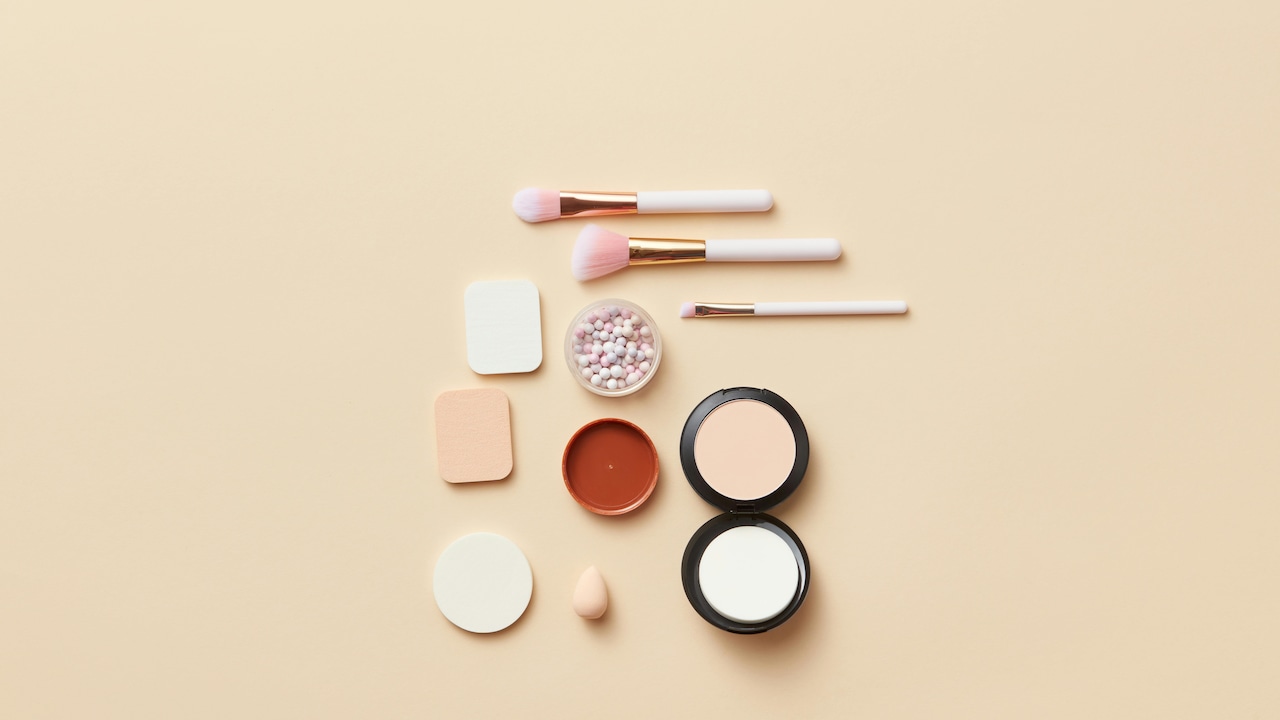
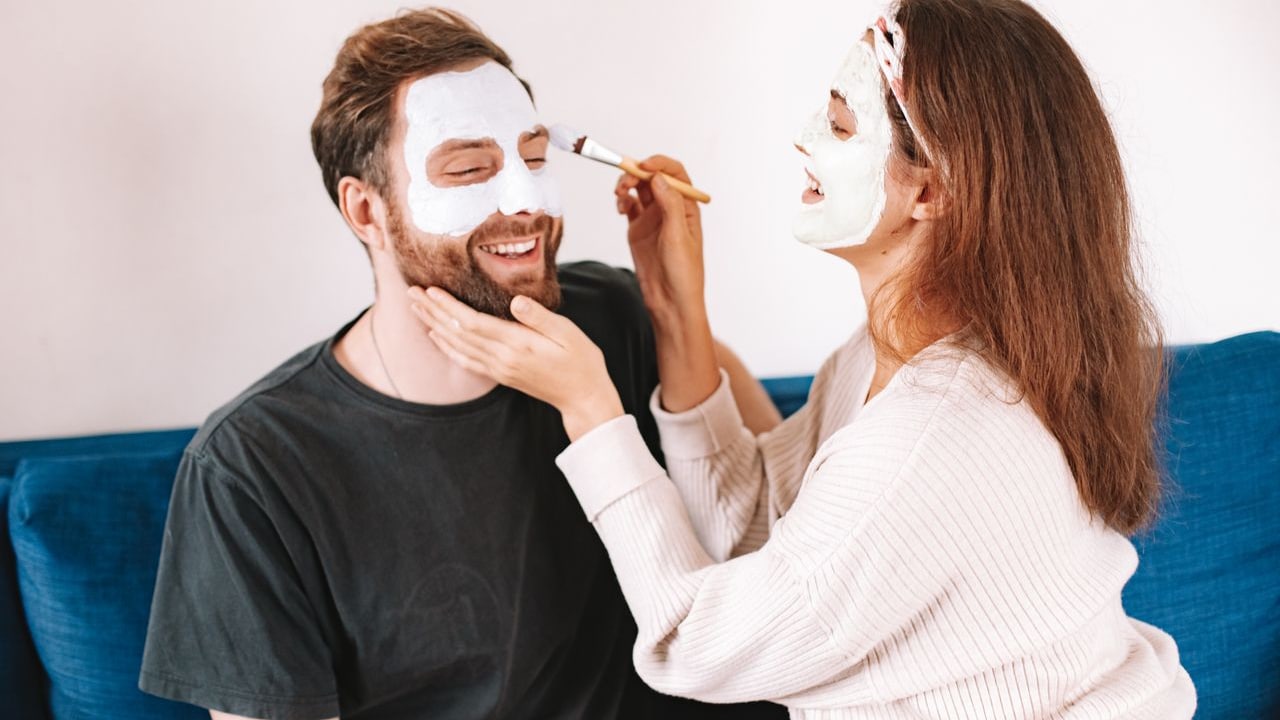
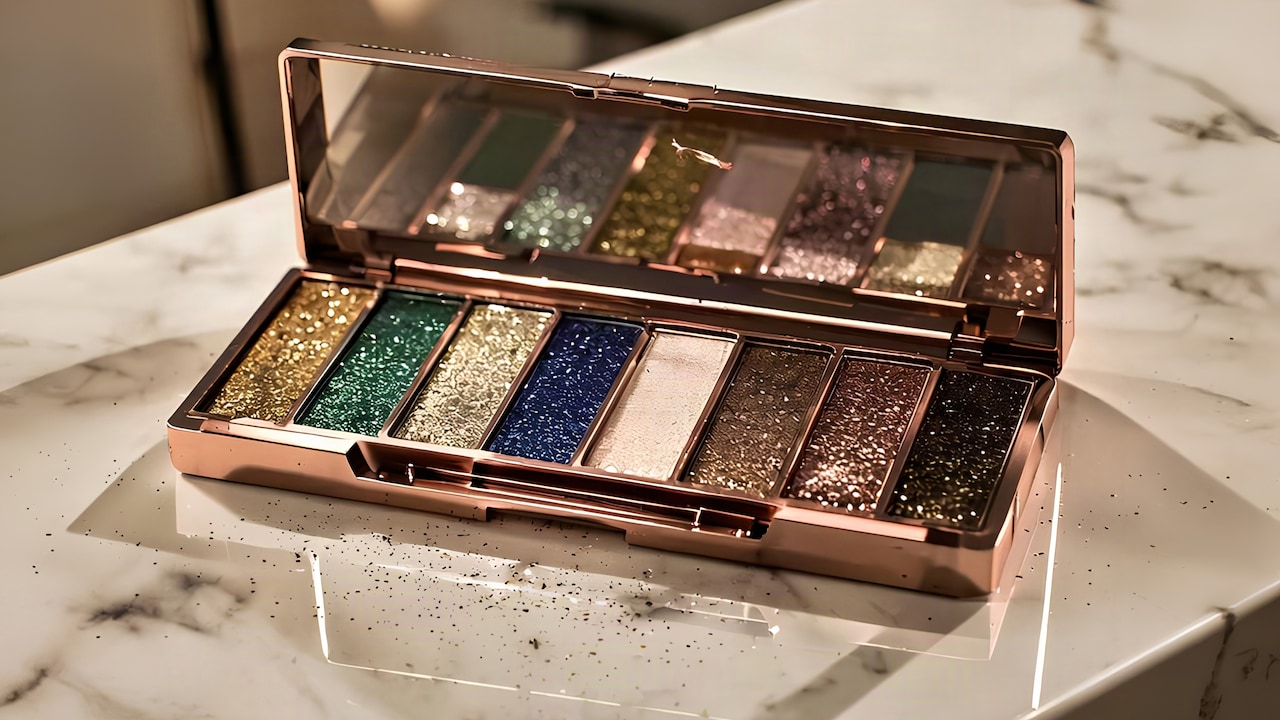
Baking is a technique where loose powder is left to rest on face for more natural looking effect
The word baking is more often heard in kitchens than in make‑up conversations. It brings to mind measured pauses, a process that cannot be rushed, and the quiet satisfaction of letting things come together in their own time. In make‑up, baking follows a similar idea, though it remains a technique many are only vaguely familiar with.
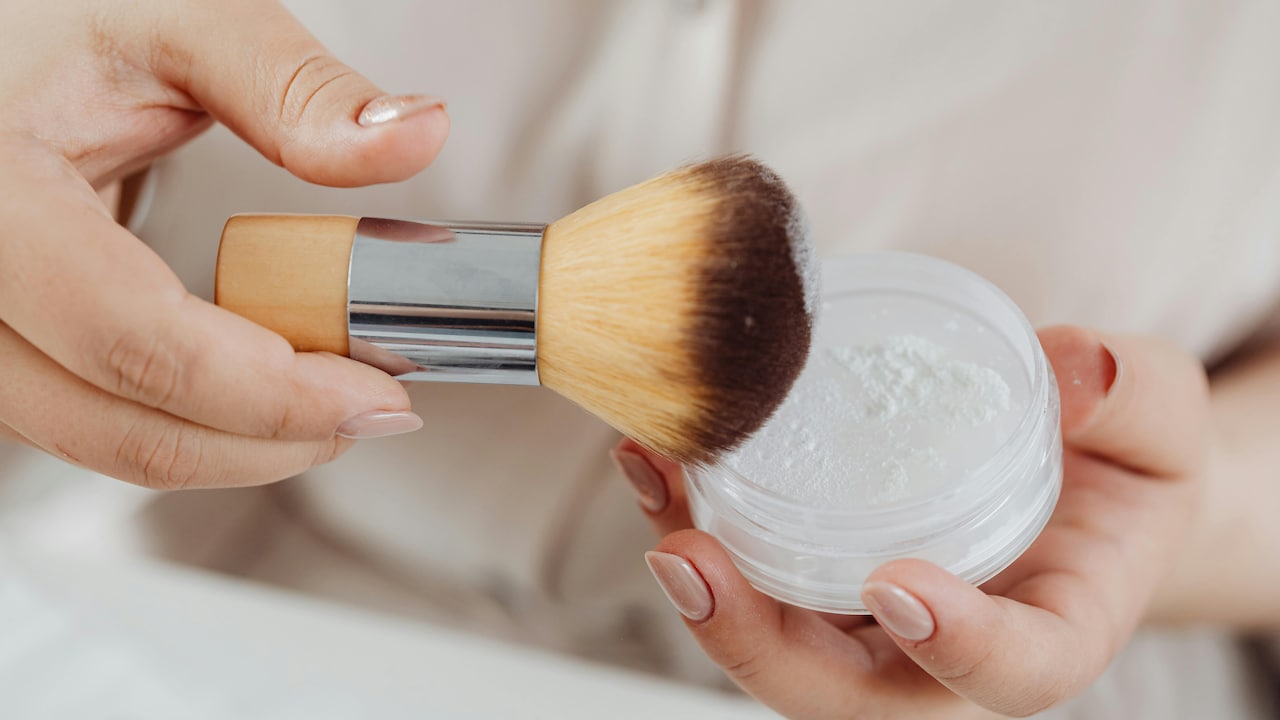
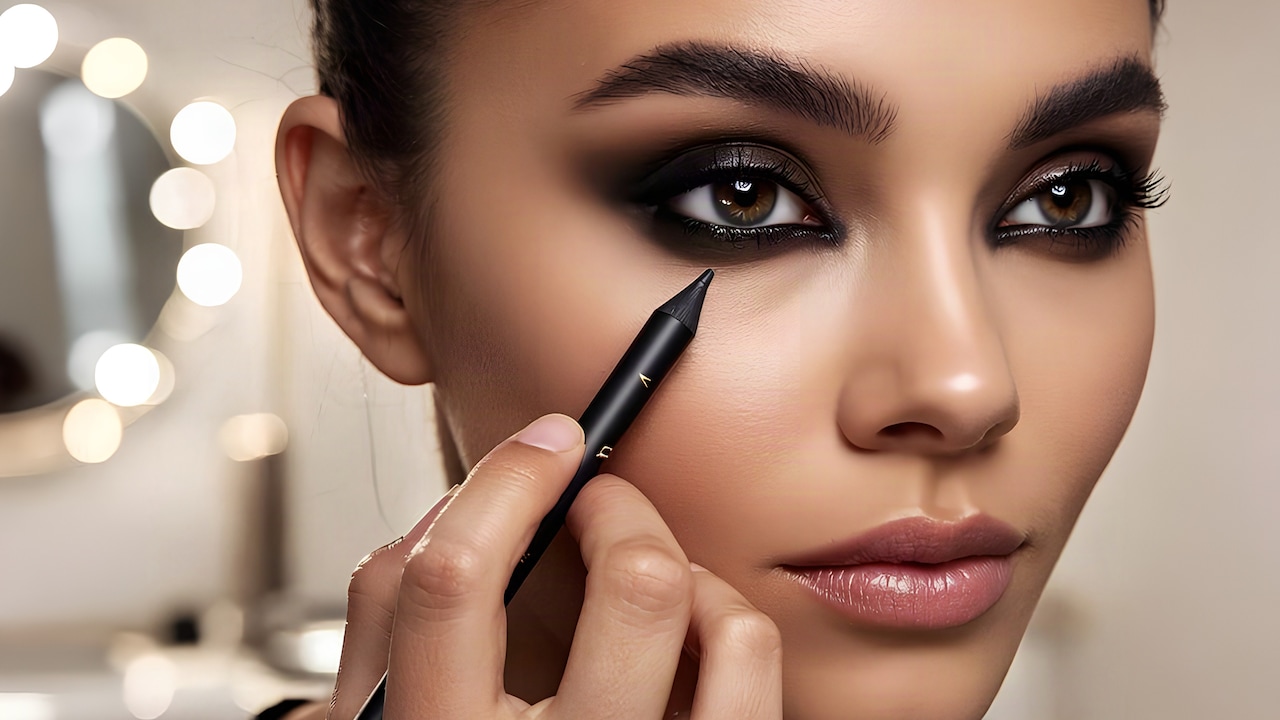
Baking is a technique rooted in patience, not excess.
Photo Credit: Pexels
Despite its name, baking in make‑up has nothing to do with heat. Instead, it relies on time. A brief moment of stillness within a routine, allowing products already applied to settle more comfortably into the skin. It is not essential, nor is it intended to be theatrical. When approached with ease, baking is subtle, often invisible, and quietly effective in helping the complexion appear more composed.
Also Read: Build Your Skincare Routine From Scratch: The 4-Step Simple Routine For Everyone
Rather than altering features or chasing perfection, baking works alongside the skin. It supports areas that experience movement or warmth and allows the base beneath to feel more stable over time. This guide looks at baking not as a rule to follow, but as a technique to consider, something that can be adjusted, softened, or skipped altogether depending on preference, pace, and occasion.
What Is Baking In Make‑Up?
At its simplest, baking refers to the practice of applying loose powder over selected areas of the face and allowing it to rest for several minutes before the excess is gently removed. During this pause, the warmth of the skin helps cream or liquid products beneath settle more naturally, while the powder absorbs residual moisture.
The result is not a visibly powdered finish. In fact, the success of baking is often measured by what remains unseen. What lingers is a softened texture, reduced movement in certain areas, and a base that feels steadier as the hours pass.
Baking is most commonly used under the eyes, around the nose, along the centre of the forehead, or on the chin, areas where creasing or shine can appear more quickly. However, it is never an obligation. Many choose to bake selectively, keeping the rest of the complexion free and untouched.
Where Baking Fits Into A Make‑Up Routine
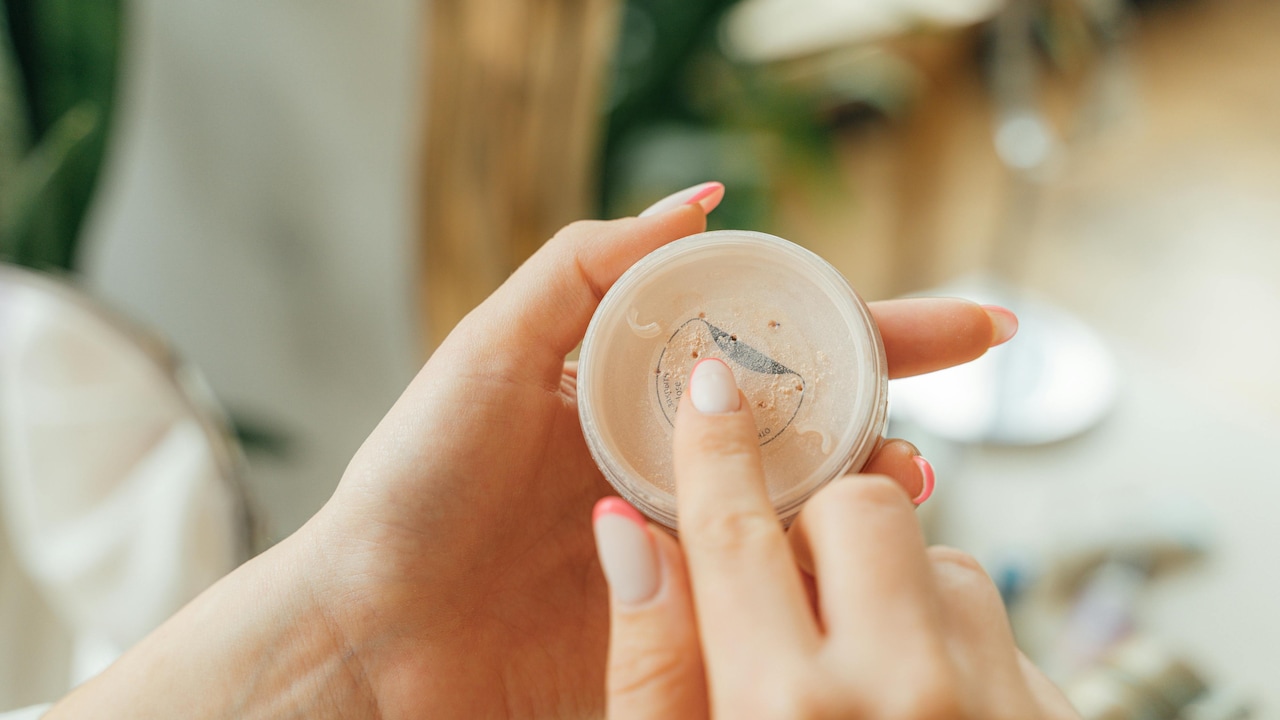
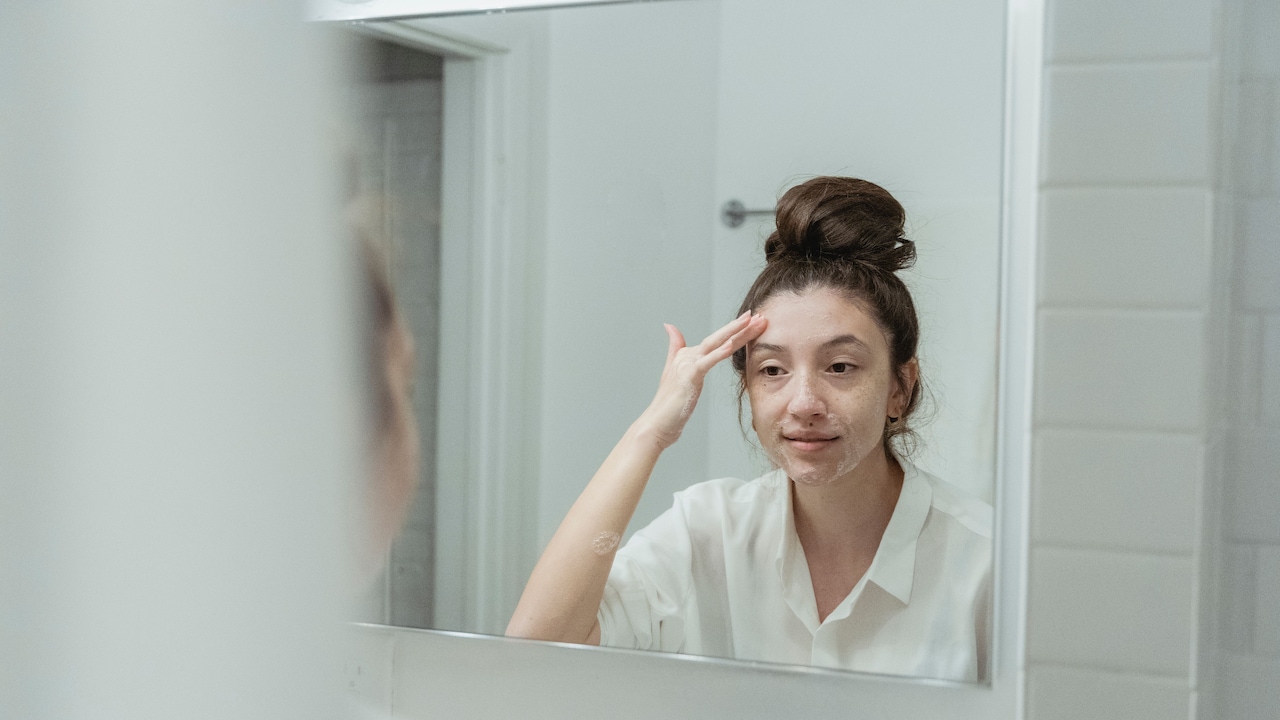
Make‑up adapts best when allowed time to settle.
Photo Credit: Pexels
Baking sits somewhere between completion and refinement. It follows foundation, concealer, or any cream‑based products, and comes before powder blush, bronzer, or setting sprays.
Importantly, baking is not intended for the entire face. Treating it as a targeted technique rather than a blanket step allows it to feel intentional rather than heavy. It is also worth noting that baking is not reserved for full‑coverage make‑up. Even light base routines can benefit from it, should the occasion call for longer wear.
As with most techniques, context matters. Climate, skin preference, and time all influence whether baking feels appropriate on a given day.
How to Bake: A Step‑By‑Step Guide
Step 1: Begin With Balanced Skin
Preparation sets the tone. Skin should feel hydrated yet settled, comfortable rather than slick. Time taken here often determines how naturally the powder behaves later.
Allow skincare to absorb fully before moving on. Any product that sits wet on the surface may interfere with the rest of the routine.
Step 2: Apply Base Products With Restraint
Foundation and concealer should be applied evenly and blended thoroughly before baking is considered. Less is often more, particularly in areas prone to creasing.
Under the eyes, a light hand makes all the difference. Products pressed gently into the skin tend to wear more gracefully than those layered hastily.
Step 3: Place the Powder Gently
Using a powder puff or dense brush, loose powder is placed, not blended, onto chosen areas. The powder should sit visibly on the skin, creating a soft layer rather than being worked in immediately.
The amount depends entirely on comfort and environment. Some prefer a noticeable layer for durability, others opt for something barely there.
Step 4: Allow Time to Pass
This pause is the essence of baking. A few minutes is usually sufficient. During this time, other steps can be addressed, brows, eyes, or simply a moment away from the mirror.
There is no advantage in rushing this stage. Baking relies on patience rather than precision.
Step 5: Remove the Excess With Care
Once the powder has had time to settle, a clean, fluffy brush is used to sweep away any excess. Movements should be light and unhurried, allowing whatever has integrated into the skin to remain undisturbed.
What's left behind should feel seamless, neither matte nor heavy, simply refined.
When Baking May Feel Useful
Baking often finds its place during longer days, warmer conditions, or moments that call for greater longevity, events, gatherings, or time spent under bright lights. It can also lend subtle definition to the centre of the face without requiring additional contouring.
That said, baking is not a requirement for daily make‑up. Many choose to reserve it for specific occasions, allowing their routine to remain fluid rather than fixed.
What Baking Is, And Isn't
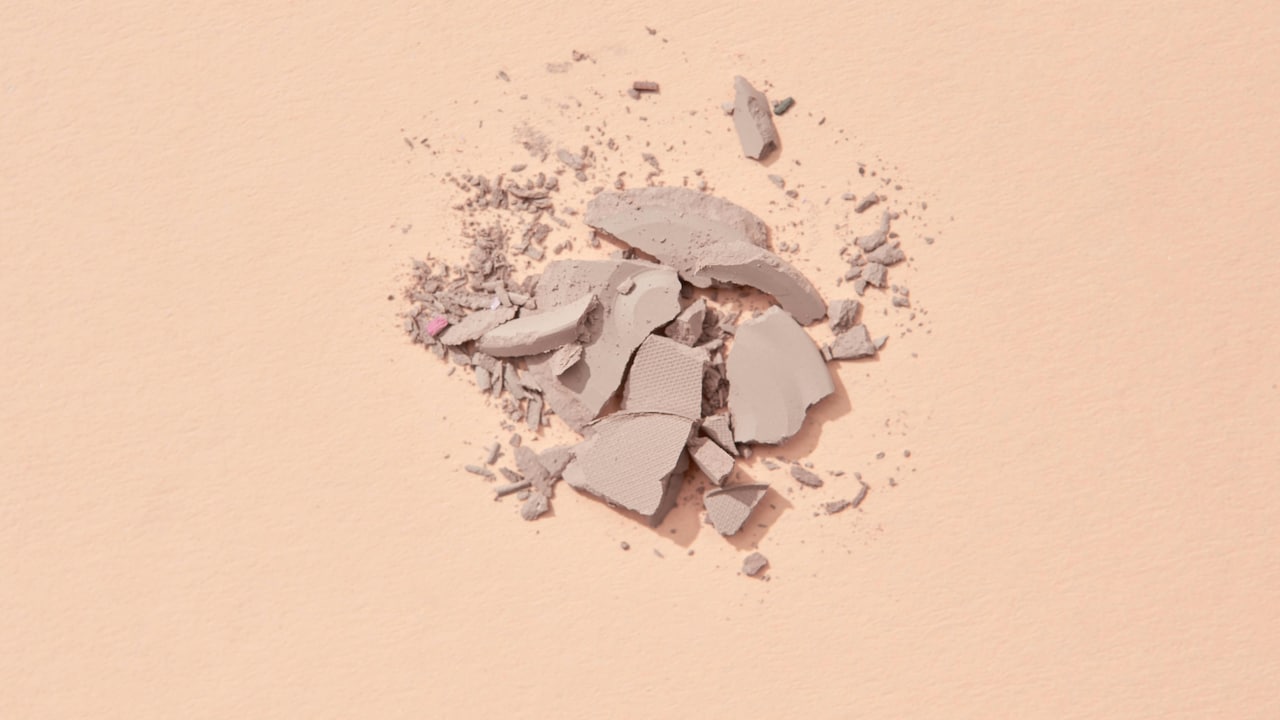
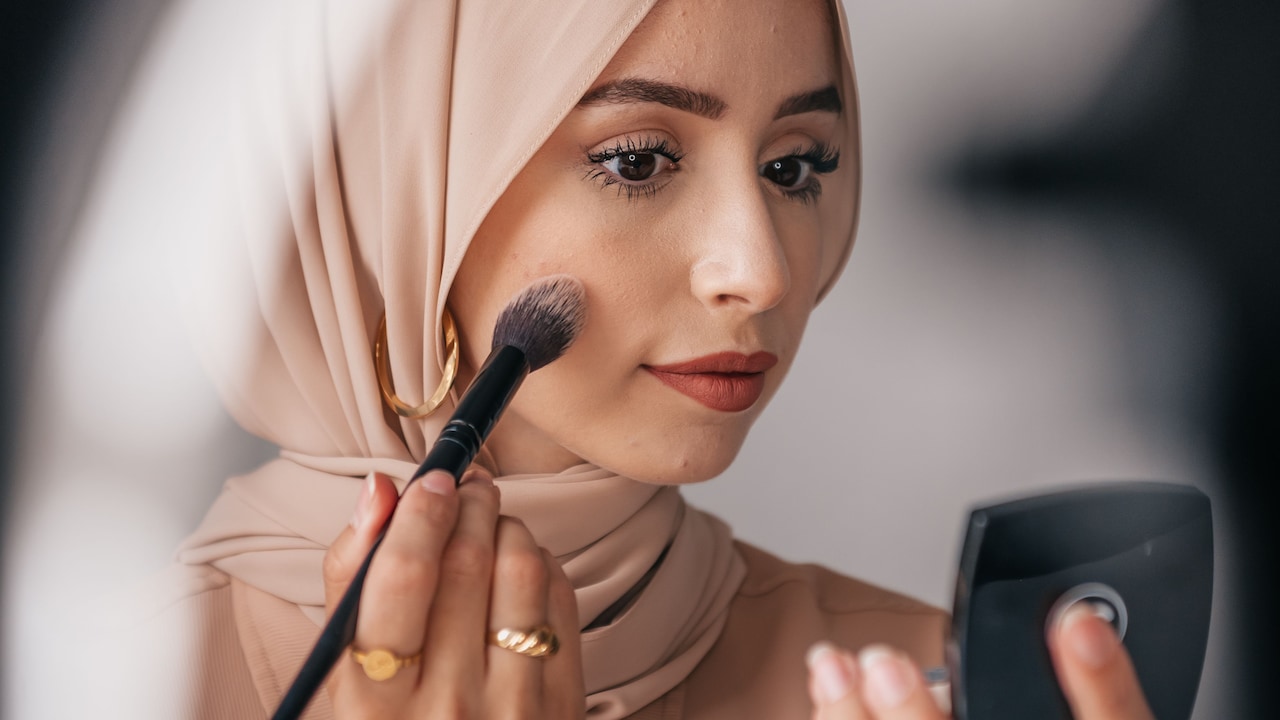
Refinement often lies in what feels comfortable on the skin.
Photo Credit: Pexels
Baking is not corrective, transformative, or compulsory. It does not require sharp lines, dramatic finishes, or full‑coverage bases to be effective. Nor does skipping it mean something is missing.
At its best, baking works quietly in the background, supporting what is already there. It offers structure without rigidity and refinement without overt presence.
Why Tira Fits Into This Conversation
Make‑up techniques such as baking rely as much on discretion as they do on product choice. Texture, finish, and how a formula behaves over time matter far more than novelty. This is where curation becomes essential, not every option needs attention, only the ones that integrate quietly and perform consistently.
Tira has positioned itself as a destination that understands this distinction. Rather than overwhelming with excess, it brings together a considered range of beauty products that span textures, price points, and preferences, allowing individuals to explore techniques like baking at their own pace. What sets Tira apart is not just access, but context, the ability to compare, read thoughtful feedback, and choose based on inclination rather than impulse.
For those navigating make‑up with an editorial sensibility rather than a trends‑first mindset, Tira offers a space that feels balanced and deliberate. It supports experimentation without urgency and refinement without pressure, which aligns naturally with techniques that value patience and subtlety.
With that in mind, here is a curated selection of baking essentials available on Tira, chosen for how they sit on the skin, how they wear over time, and how seamlessly they integrate into varied routines.
Top 10 Baking Essentials Available on Tira
For those curious to explore baking, Tira offers a considered selection of loose powders suited to different preferences and textures. Below is a curated list, each offering something distinct in wear and finish:
1. Laura Mercier Translucent Loose Setting Powder
Widely appreciated for its finely milled texture, this powder settles comfortably into the skin without drawing attention to itself. It offers a softly balanced finish that supports base products rather than masking them, making it particularly well suited for under‑eye baking and longer wear.
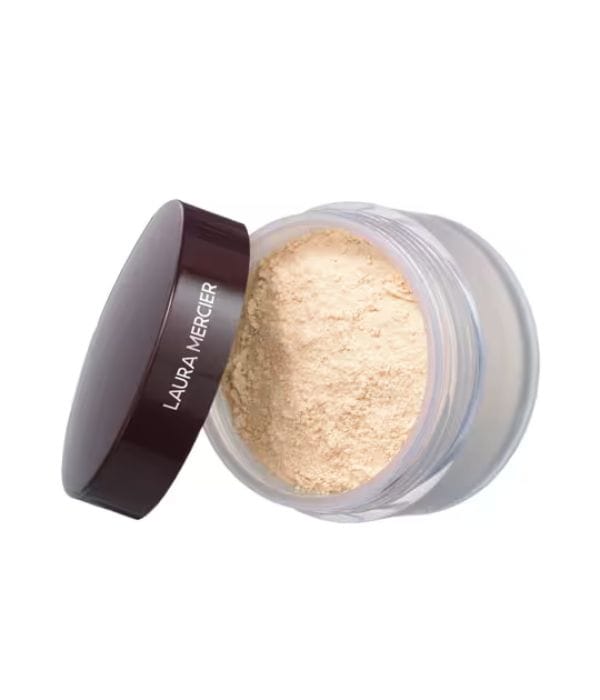
Click To Buy Laura Mercier Translucent Loose Setting Powder
Photo Credit: Tira
2. Huda Beauty Easy Bake Loose Baking and Setting Powder
Designed with baking in mind, this powder sits lightly on the skin while offering a gently diffused appearance. Its texture allows it to rest briefly without feeling heavy, making it adaptable for targeted use and warmer environments alike.
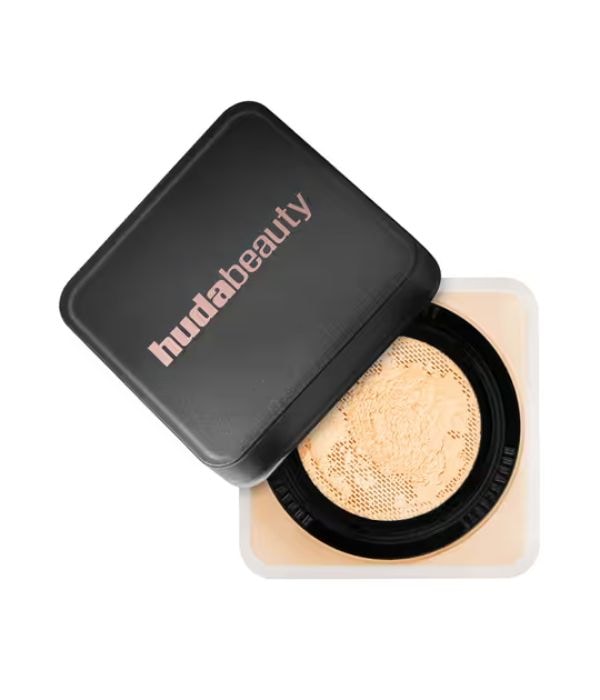
Click To Buy Huda Beauty Easy Bake Loose Baking and Setting Powder
Photo Credit: Tira
3. Fenty Beauty Set It Down Instant Brightening + Blurring Powder
This powder brings a subtle brightening effect while maintaining a refined finish. It feels controlled rather than overt, helping the complexion appear more even without flattening natural dimension. Particularly comfortable in areas where movement and warmth are common.
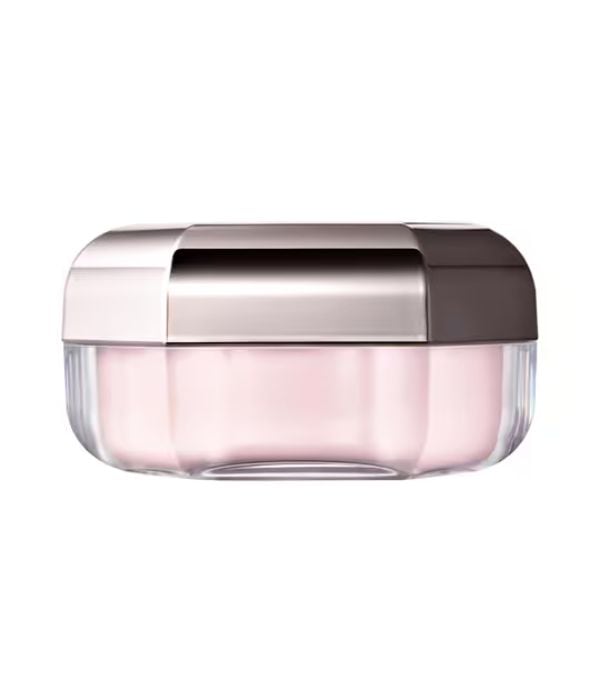
Click To Buy Fenty Beauty Set It Down Instant Brightening + Blurring Powder
Photo Credit: Tira
4. M.A.C Studio Fix Powder Plus Foundation
Functioning as both foundation and powder, this formula offers structure with flexibility. It allows for selective baking when applied thoughtfully, especially in areas that benefit from additional hold, while maintaining a composed, polished look throughout the day.
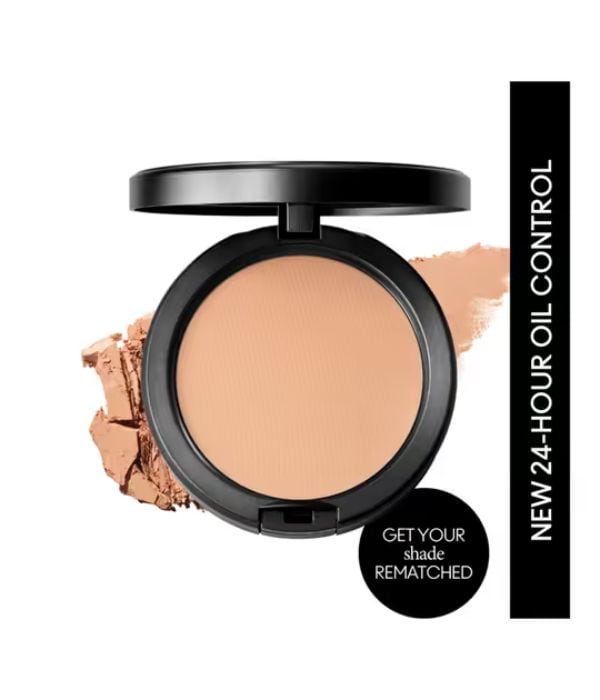
Click To Buy M.A.C Studio Fix Powder Plus Foundation
Photo Credit: Pexels
5. Make Up For Ever HD Skin Loose Powder
Lightweight and finely balanced, this powder integrates seamlessly with cream and liquid bases. It supports longevity without creating visible texture, making it a considered option for those who prefer definition that remains understated and camera‑friendly.
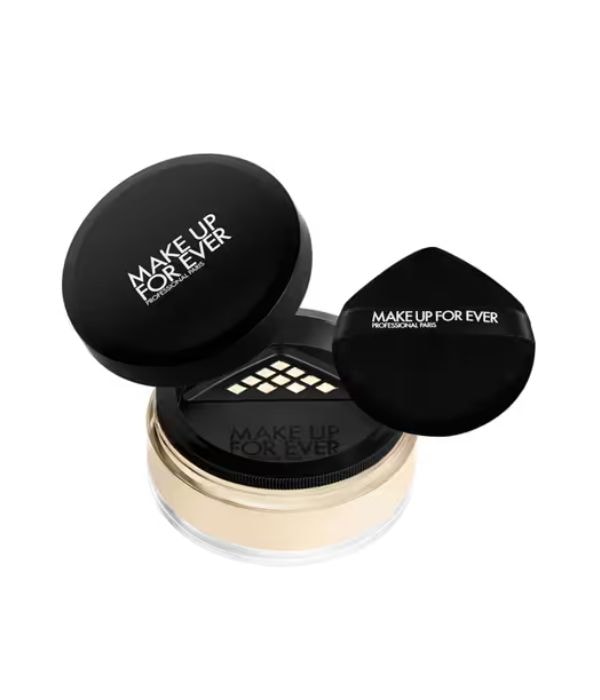
Click To Buy Make Up For Ever HD Skin Loose Powder
Photo Credit: Tira
6. Anastasia Beverly Hills Loose Setting Powder
This powder offers a softly mattified finish that feels deliberate yet unobtrusive. Its texture allows it to rest comfortably during baking before blending away cleanly, leaving the skin looking settled rather than overly perfected.
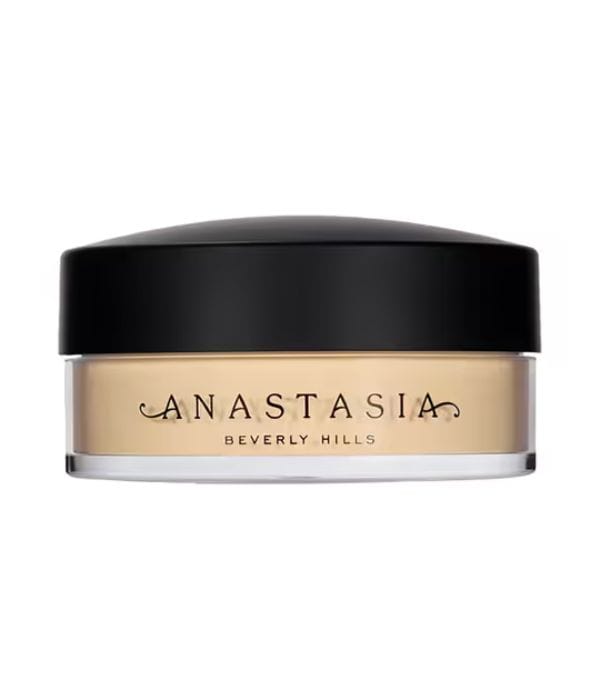
Click To Buy Anastasia Beverly Hills Loose Setting Powder
Photo Credit: Tira
7. Bobbi Brown Sheer Finish Loose Powder
True to its name, this powder prioritises refinement over coverage. It works quietly to reduce excess shine while allowing the skin's natural character to remain visible, making it particularly suitable for selective baking and minimal base routines.
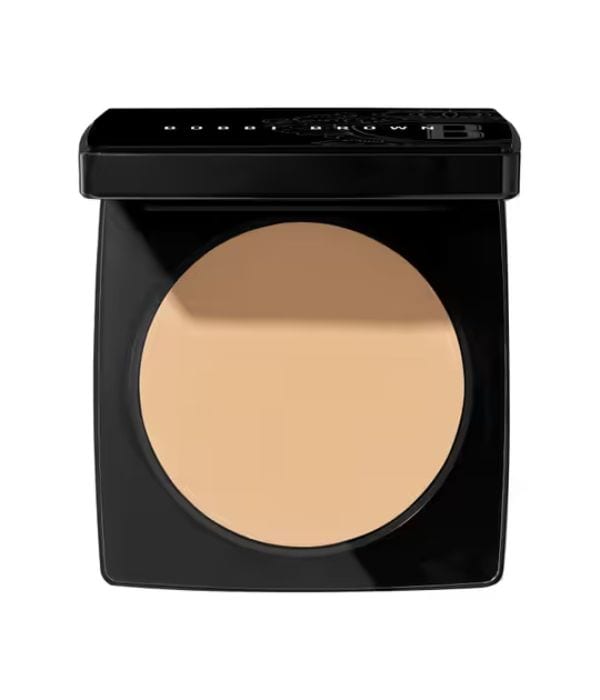
Click To Buy Bobbi Brown Sheer Finish Loose Powder
Photo Credit: Tira
8. PAC HD Translucent Loose Powder
Straightforward and reliable in performance, this powder supports base products without adding weight. It offers a clean finish that holds well over time, making it a practical choice for controlled baking, especially in warmer or more active settings.
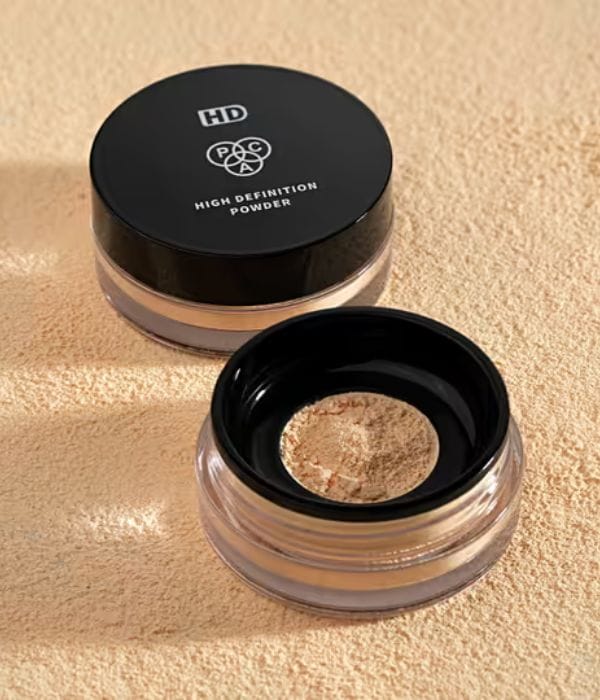
Click To Buy PAC HD Translucent Loose Powder
Photo Credit: Tira
Baking, when approached with intention, becomes less about technique and more about choice. It is one of many ways make‑up can be adapted to suit the moment, quietly supporting rather than overtly defining. And like all aspects of modern beauty, its value lies in how comfortably it fits into your rhythm, not how visibly it announces itself.
Frequently Asked Questions (FAQs)
1. What is baking in make‑up?
Baking is a technique where loose powder is left to rest on certain areas of the face for a few minutes before being swept away, helping base products settle more smoothly.
2. Is baking suitable for everyday make‑up?
Baking is optional. While it can enhance longevity, many prefer to reserve it for longer days or special occasions rather than daily use.
3. Which areas of the face are typically baked?
Common areas include under the eyes, around the nose, the centre of the forehead, and the chin, places where make‑up tends to crease or shift.
4. Does baking work with light or minimal make‑up?
Yes. Baking can be adapted to lighter routines when applied selectively and with a restrained amount of powder.
5. Do I need special products to bake my make‑up?
A finely milled loose powder and a suitable brush or puff are usually sufficient. Texture and comfort often matter more than added steps.
(Disclaimer: This article may include references to or features of products and services made available through affiliate marketing campaigns. NDTV Convergence Limited (“NDTV”) strives to maintain editorial independence while participating in such campaigns. NDTV does not assume responsibility for the performance or claims of any featured products or services.)