What Is The Correct Way To Use Hair Oil In Monsoon Season?
Discover the correct way to use hair oil during monsoon season. Explore scalp-friendly oils and Amazon's hair care picks for healthy, nourished, and smooth hair.
What Is The Correct Way To Use Hair Oil In Monsoon Season?
Hair care can be a surprisingly challenging task in the monsoon. Humidity in the air often makes the scalp greasy, while the lengths get frizzy, rough, and unmanageable. During the rainy season, many people either stop oiling their hair or do it excessively, making the scalp feel heavier and inviting more dirt and sweat.
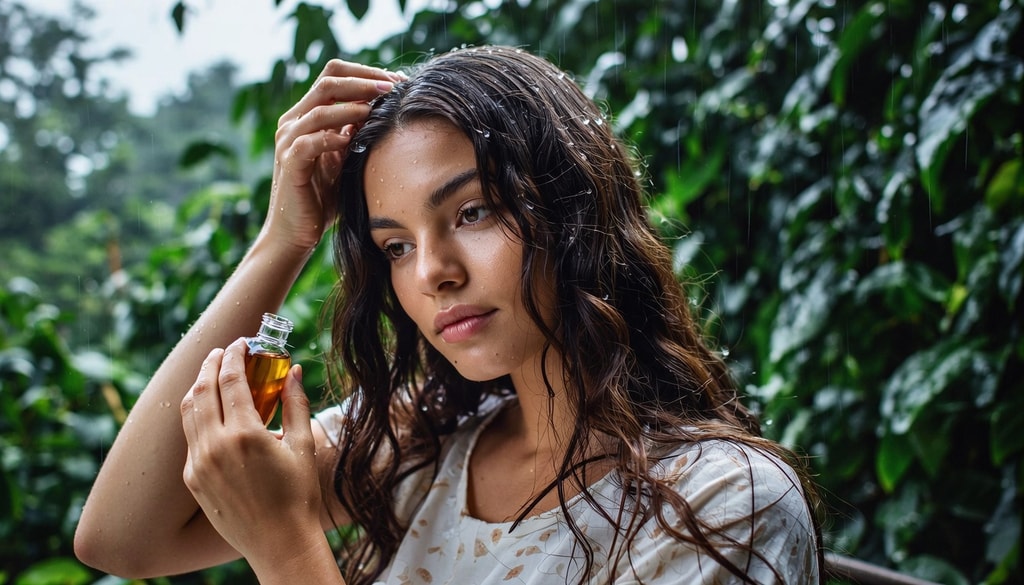
Explore top Amazon hair care picks to keep your hair nourished and smooth this monsoon.
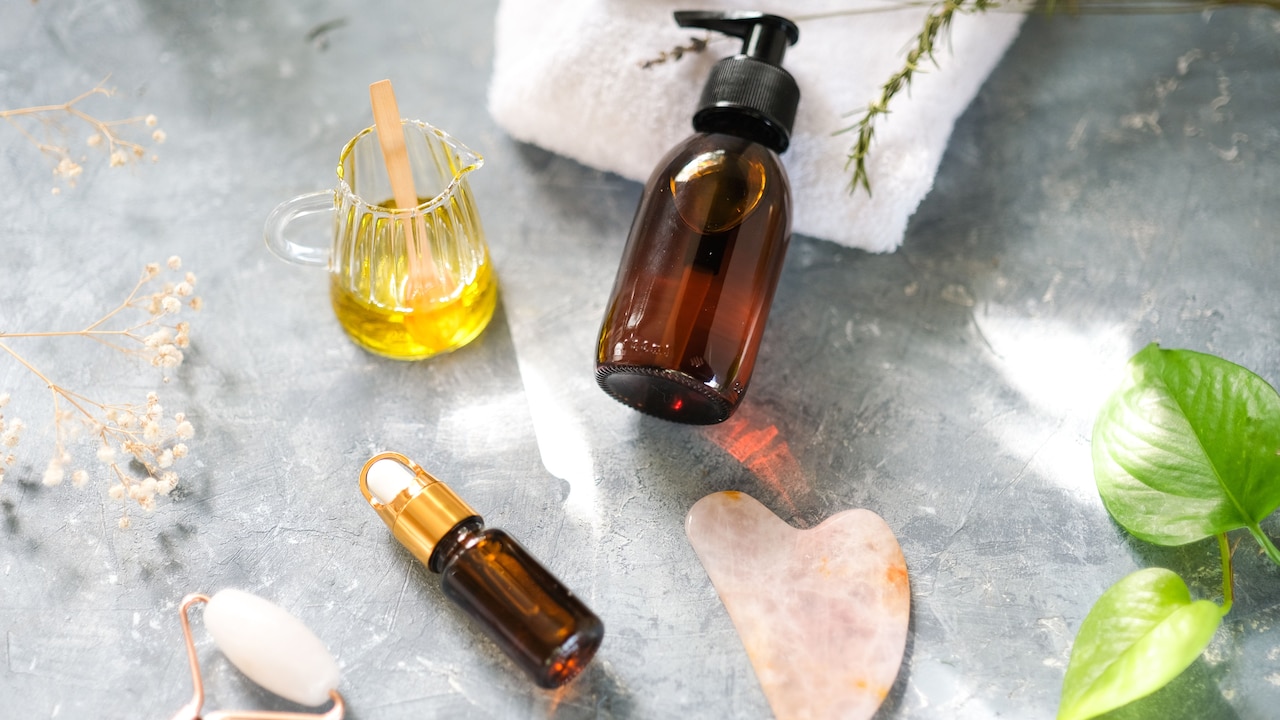
Photo Credit: AI Generated Image
The fact is that hair oiling is still important during the monsoon season. You just need the right products, timing, and lighter techniques that are working with humid weather, not against it. When the weather is sticky and unpredictable, a regular, balanced oil routine can reduce dryness, support scalp health, minimise frizz, and make styling easier. Curly, straight, coloured or chemically treated hair: smart oiling habits can make a noticeable difference in the rainy months.
What Should You Consider Before Oiling Hair During Monsoon?
Monsoons have a different effect on scalp and hair texture due to humidity. Heavy oils, if not used properly, can cause excess sweat and moisture to clog pores on the scalp, which may lead to an increase in dandruff, itchiness and hair loss.
It is generally better to choose lighter oils for this season. Quick-absorbing oils that don't leave a greasy residue nourish the scalp while keeping the hair feeling fresh and airy.
In damp weather, oiling overnight should also be avoided. Too much oil on the scalp for too long can attract dust and sweat, especially if you are stepping outdoors regularly. During monsoon, short warm oil massages are better, as they increase the blood circulation and do not overload the scalp.
Hair Oiling Styles That Work Best During Monsoon
Style 1: Light-Weight Scalp Oil
This method is mainly for feeding the roots without making the whole head greasy. Take a few drops of lightweight oil and massage gently into the scalp with fingertips. This technique is especially good for those who experience their roots getting greasy in humid weather.
Style 2: Frizz-Free Hair Oiling
The humidity of the monsoon lifts the hair cuticle, making the dry ends more apparent. Applying a little lightweight oil to the lengths only smooths frizz and flyaways. Avoid soaking the hair completely in oil. Focus mainly on the mid-lengths and ends.
Style 3: Pre-Shampoo Hair Oiling
One of the safest methods during the monsoon is short pre-shampoo oiling. Apply oil 30 to 45 minutes before washing your hair. This allows the scalp to absorb nourishment without making the hair heavy for long hours.
How To Use Hair Oil Correctly During Monsoon
1. Use Small Amounts
Too much oil can make the scalp greasy rapidly during humid weather. Start with a small quantity and build only if necessary.
2. Warm up the oil
Oil becomes easily absorbed by the skin when warm and feels soothing during the application of oil to the scalp.
3. Do not tie tight hairstyles right after applying the oil
Hairstyles like ponytails or buns may strain the wet roots and cause hair loss.
4. Shampoo properly
Shampoo should be applied correctly to avoid leaving residues on the hair strands. Excessive use of products during the monsoon leads to limpness and stickiness in the hair.
Also Read: 5 Top Anti-Dandruff Shampoos For Monsoon Hair Care Under ₹1000
How To Style Hair During Monsoon Season
Look 1: Loose Waves With Light Hair Oil
A tiny amount of lightweight serum oil can help loose waves appear softer and shinier without looking greasy. This style works perfectly with oversized shirts, relaxed trousers and casual trainers.
Look 2: Sleek Ponytail With Anti-Frizz Hair Oil
Humidity often creates flyaways near the crown area. A few drops of smoothing oil help create a polished ponytail. This hairstyle pairs well with structured co-ord sets, fitted tops and straight-fit jeans.
Look 3: Soft Bun With Nourished Hair
Low buns look elegant during rainy weather because they help control frizz while protecting the hair from excess moisture outside. Pair this hairstyle with floral dresses, kurtas or lightweight linen outfits for an effortless monsoon look.
Can Hair Oil Reduce Hair Fall During Monsoon?
Hair oil alone may not be able to stop seasonal hairfalls completely, but proper scalp nourishment can possibly help improve hair strength over time.
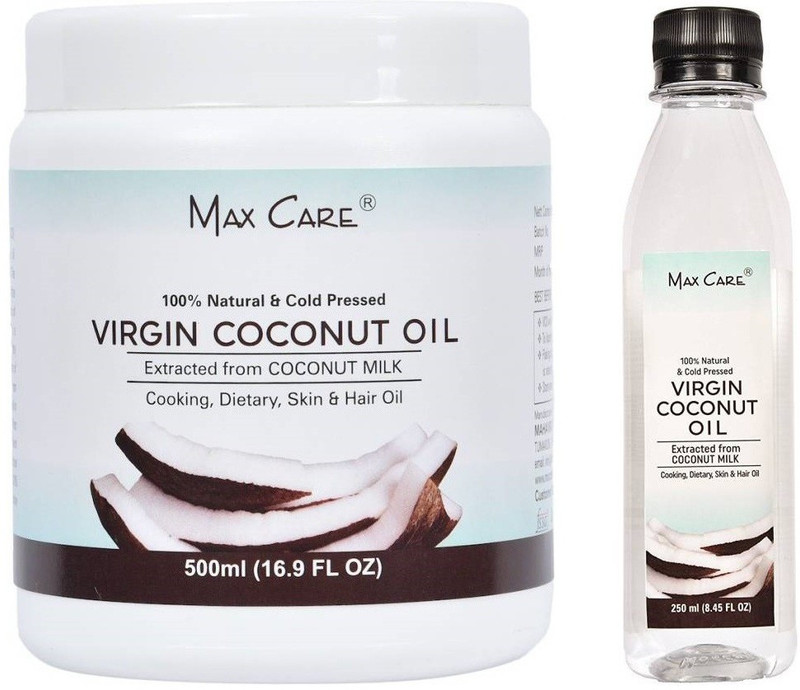
Most monsoon hair falls are caused by high humidity, fungal scalp problems, sweat accumulation, and weak roots. Oils with ingredients such as onions, rosemary, coconut, and argan can help your hair look healthier with regular use.
Gentle scalp massage also increases circulation that helps the scalp feel healthier and balanced.
Common Hair Oiling Mistakes To Avoid During Monsoon
1. Leaving Oil Overnight
If you oil your hair heavily overnight, it can clog your pores and may increase the discomfort of your scalp in humid weather.
2. Thick Sticky Oil Method
Very thick oils may attract dust and make the scalp greasy quicker.
3. Oiling Dirty Scalp
Always oil clean or fairly fresh hair. Oiling a sweaty scalp build-up can exacerbate irritation.
4. Washing Hair Too Much
Overwashing removes natural oils from the scalp and can leave hair rough and dehydrated.
Small Hair Care Tricks That Help During Monsoon
Microfibre towels are kinder to wet hair than normal towels and therefore reduce frizz. During a monsoon, wide-tooth combs are better because the hair is more fragile when wet and can break easily when you brush.
Try to avoid heat styling as much as possible. If you let your hair air dry naturally, it is often softer and healthier in humid weather. Silk pillowcases are also known to reduce tangling and roughness during the night while helping the hair feel smoother by morning.
Applying a lightweight leave-in serum after washing your hair can also help tame flyaways in rainy weather. It provides a cleaner, smoother, non-sticky, non-greasy finish. Keeping your hair open and comfortable during the monsoon can also help minimise stress on the roots and prevent unnecessary hairfall.
Best Hair Oils And Hair Care Products To Try
1. Parachute Advansed Amla Hair Oil with Vitamin E
2. Indulekha Bringha Ayurvedic Hair Oil
3. Mamaearth Rosemary & Methi Dana Hair Oil
4. Dabur Almond Hair Oil
5. Emami 7 Oils in One Hair Oil
6. Hair & Care Damage Repair Non-Sticky Hair Oil with Aloe Vera
7. Navratna Ayurvedic Cool Oil
8. Parachute Coconut Oil
Frequently Asked Questions (FAQs)
1. Should I oil my hair in the monsoon?
Yes, but lighter oils and reduced periods of oiling suit wet and humid conditions.
2. For how long should I oil my hair in the monsoon?
An oiling period of half an hour to one hour suits wet weather.
3. What oil should be used in monsoon hair to control frizz?
Light oils, such as blends of argan, coconut, and rosemary, are effective for controlling frizz in monsoon hair.
4. Can oily scalps use hair oil in the monsoon?
Yes, they can use less oil and perform more scalp massages prior to shampooing.
5. Does monsoon affect hair fall?
Yes, humidity and scalp buildup cause hair loss in the monsoon season.
(Disclaimer: This article may include references to or features of products and services made available through affiliate marketing campaigns. NDTV Convergence Limited (“NDTV”) strives to maintain editorial independence while participating in such campaigns. NDTV does not assume responsibility for the performance or claims of any featured products or services.)