What Is The Difference Between Physical And Chemical Sunscreen For Monsoon
Learn the difference between physical and chemical sunscreen for monsoon, including which works best for humidity, oily skin, and everyday protection.

What Is The Difference Between Physical And Chemical Sunscreen For Monsoon
Monsoon tricks many people into skipping sunscreen entirely. The sun's hiding behind clouds, the air feels cooler, and slapping on SPF before getting drenched on the commute feels almost pointless. UV rays remain unaffected by cloud cover, and humidity alters the way sunscreen interacts with your skin, often surprising people when their usual formula begins to misbehave.
Discover whether physical or chemical sunscreen works best for oily skin and monsoon humidity.
Photo Credit: iStock
This dilemma is where the physical-versus-chemical sunscreen question tends to come up, especially once your go-to product starts pilling, turning patchy, or leaving a film that feels far worse in sticky weather than it ever did through winter. Once you know what each type is actually doing on your skin, picking the right one for monsoon stops being complicated.
Also Read: Confused By Sunscreen Labels? Know What SPF, PA Ratings And White Cast Mean
Here's a straightforward look at how physical and chemical sunscreens differ, which one holds up better in the monsoon, and how to pick between them without standing in a skincare aisle overthinking it.
What Physical And Chemical Sunscreens Actually Do
The distinction between the two lies in their methods of blocking UV rays, which ultimately influences their texture and performance in humid conditions.
1. Physical sunscreen sits on top of your skin
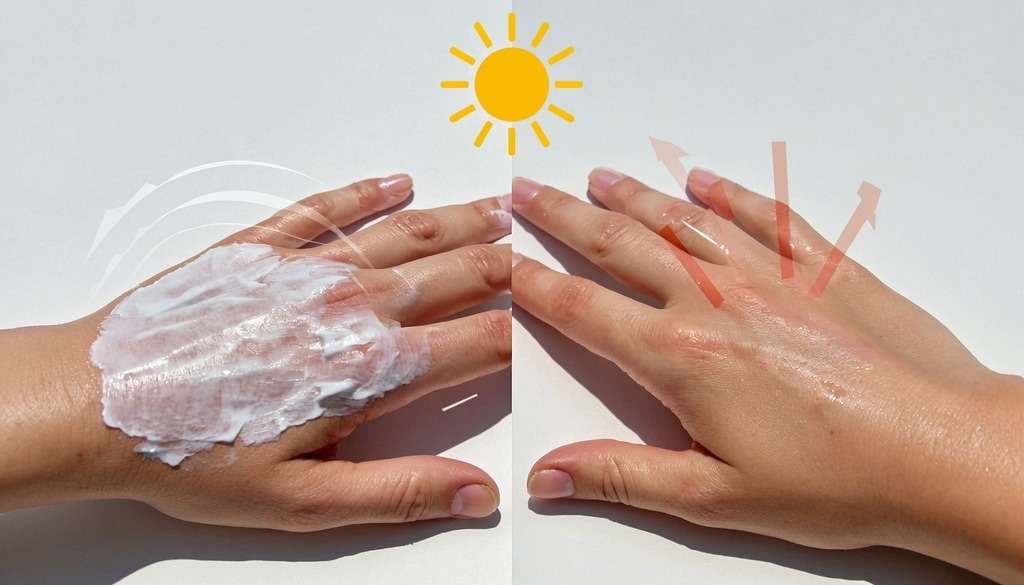
Mineral sunscreen, the other name you'll see for physical sunscreen, uses zinc oxide or titanium dioxide that stays on top of your skin rather than sinking in. It's basically bouncing the sun's rays right off before they reach you, like a thin shield sitting over your face. You don't have to wait fifteen minutes for it to "activate"; you can put it on and be covered, even if you're leaving in thirty seconds.
2. Chemical sunscreen absorbs into your skin
Chemical sunscreen works differently. Ingredients like avobenzone, octinoxate, or oxybenzone soak into the skin and convert UV rays into heat, which the body then releases. Since it has to be absorbed first, chemical sunscreen usually needs around 15 to 20 minutes after application before it does its job properly, so timing matters more here than with a physical formula you can apply on your way out the door.
How Each Type Performs In Humid, Sweaty Weather
Monsoon puts both formulas through a different kind of test compared to summer or winter, and this is precisely where their differences start showing up.
1. Physical sunscreen can feel heavy once humidity kicks in
Most physical sunscreens carry a thicker, sometimes whitish texture that gets heavier once you add humidity into the mix. On oily or combination skin, that often shows up as a slightly greasy or ashy finish, particularly with formulas that haven't been refined for warmer climates.
2. Chemical sunscreen blends in but can sting your eyes
Chemical sunscreens usually have a lighter finish that blends in without leaving a trace, which many people prefer for everyday wear. The downside is that sweat mixed with chemical filters can sting if it runs into your eyes, and that happens more often in the monsoon since you sweat even in milder heat once the humidity is high.
3. Gel and fluid formulas fix the texture issue
Plenty of newer sunscreens, physical, chemical, or a blend of both, now come in gel or fluid textures built specifically for humid weather. These absorb quickly, skip the sticky film, and sit fine under makeup, making them a far better fit for monsoon than the heavier, creamier sunscreens most people grew up using and eventually abandoned once the rains hit.
Which One Should You Actually Use During the Monsoon
There isn't one right answer for everyone. It comes down to your skin type, how much time you spend outdoors, and how your own skin tends to react.
1. Pick physical sunscreen if your skin is sensitive or acne-prone
Physical sunscreen, often called mineral sunscreen, works with ingredients like zinc oxide or titanium dioxide that sit right on top of your skin instead of soaking in. Think of it as a thin shield over your face, bouncing UV rays away before they get anywhere near your skin. That's also why it starts working the second you put it on; there's no fifteen-minute wait before you can walk out the door.
2. Pick a chemical sunscreen if you want zero residue
If you can't stand the feel of anything sitting on your skin, chemical sunscreen will probably suit you better. It melts into the skin and rarely leaves any visible layer behind, which makes it easier to wear under makeup or through back-to-back meetings.
3. Hybrid sunscreens cover both bases through the monsoon
Many sunscreens now blend physical and chemical filters into one product, giving you the instant protection of minerals along with the lightweight feel of chemical filters. For most people facing monsoon weather, this hybrid combination is often the most convenient option, particularly if you've had difficulty finding a single formula that meets all your needs.
Tips To Make Sunscreen Actually Work In Monsoon
Even the right sunscreen won't help much if it isn't applied or reapplied properly during a season this unpredictable. Sweat and humidity break sunscreen down faster than dry weather ever does, so reapplying every three to four hours matters even more once the rains set in, especially if you're outdoors or sweating without quite realising it because the air feels cooler than the actual summer heat.
It's also worth picking a water-resistant sunscreen formula if you're regularly caught in showers or commuting without much cover. Check the label for "water-resistant", since that helps the formula hold up far better than a standard one that was never built to handle real contact with water. And if you do get caught in a downpour, reapply once you're dry rather than assuming the morning layer is still doing anything by the afternoon.

Choose the best physical or chemical sunscreen for everyday protection and humid monsoon weather.
Photo Credit: iStock
Some Sunscreens Worth Trying This Monsoon
1. Conscious Chemist Peach Sunscreen SPF 50 PA++++ With Vitamin C
2. Conscious Chemist Set Of 2 Ceramides Hybrid Gel Sunscreen SPF 50
3. Conscious Chemist Niacinamide Sunscreen SPF 50
4. Aqualogica Lightweight SPF 50 Radiance Dewy Sunscreen For Oily Skin
5. Bella Vita Organic Sunscreen SPF 50
6. Deconstruct Fluid Sunscreen Duo SPF 50 For Hydration And Protection
7. Chemist At Play Hydrating Gel Sunscreen SPF 50 With Hyaluronic Acid
8. Careveda Glutathione Sunscreen SPF 50 With Hyaluronic And Kojic Acid
Frequently Asked Questions (FAQs)
1. Is physical or chemical sunscreen better for oily skin in the monsoon?
Lightweight gel-based chemical or hybrid sunscreens usually suit oily skin better since they absorb fast and don't add shine.
2. Do I still need sunscreen on cloudy monsoon days?
Yes, clouds don't actually block UV rays; they just make you forget you need protection.
3. Which sunscreen lasts longer in sweaty, humid weather?
Go for water-resistant formulas; physical or chemical doesn't matter much here; it's the water resistance that holds up once you start sweating.
4. Can chemical sunscreen cause breakouts?
For some people, it may. If your skin's already sensitive or prone to acne, that's usually a sign you'd do better with a physical or hybrid formula instead.
5. How often should I reapply sunscreen during the monsoon?
Every three to four hours is a good baseline, but if you've been sweating profusely or got soaked in the rain, reapply as soon as possible.
(Disclaimer: This article may include references to or features of products and services made available through affiliate marketing campaigns. NDTV Convergence Limited (“NDTV”) strives to maintain editorial independence while participating in such campaigns. NDTV does not assume responsibility for the performance or claims of any featured products or services.)