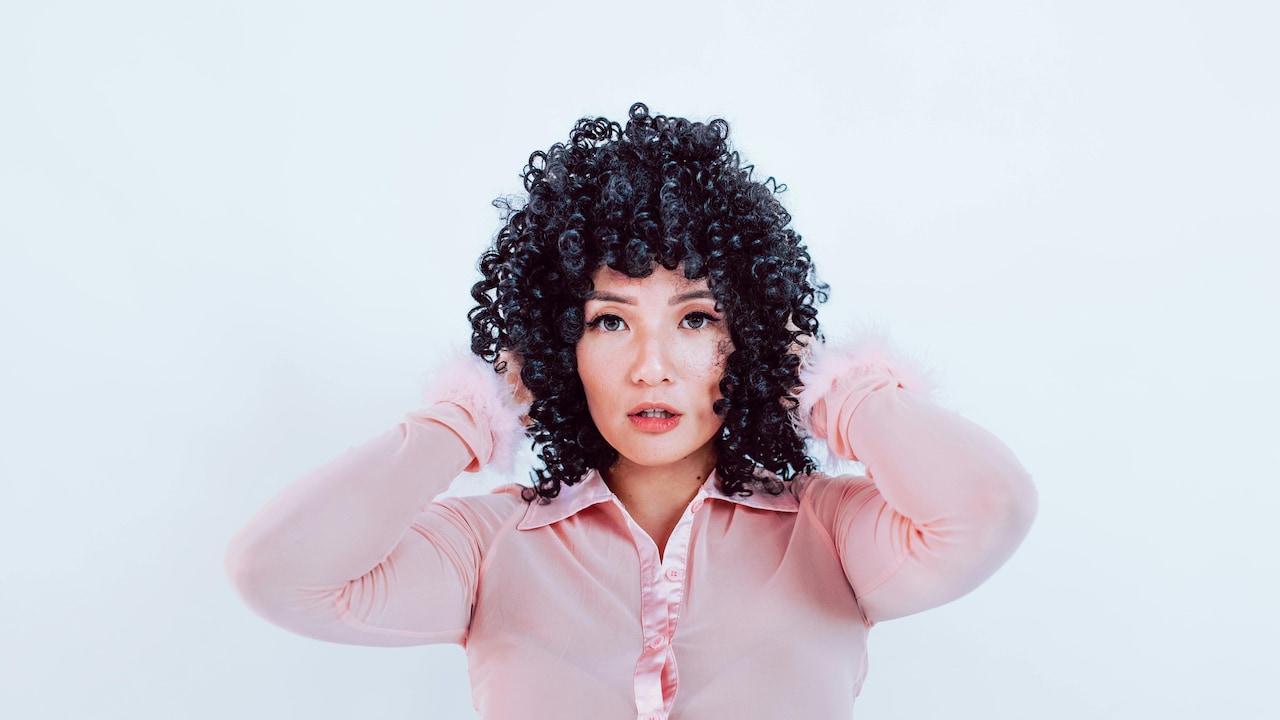
Lipsticks That Look Different After Application: Undertones Explained Simply
Ever bought a lipstick that looked perfect in the tube but completely different on your lips? The secret lies in undertones. This guide breaks down why lipsticks change after application and how to pick shades that truly flatter.
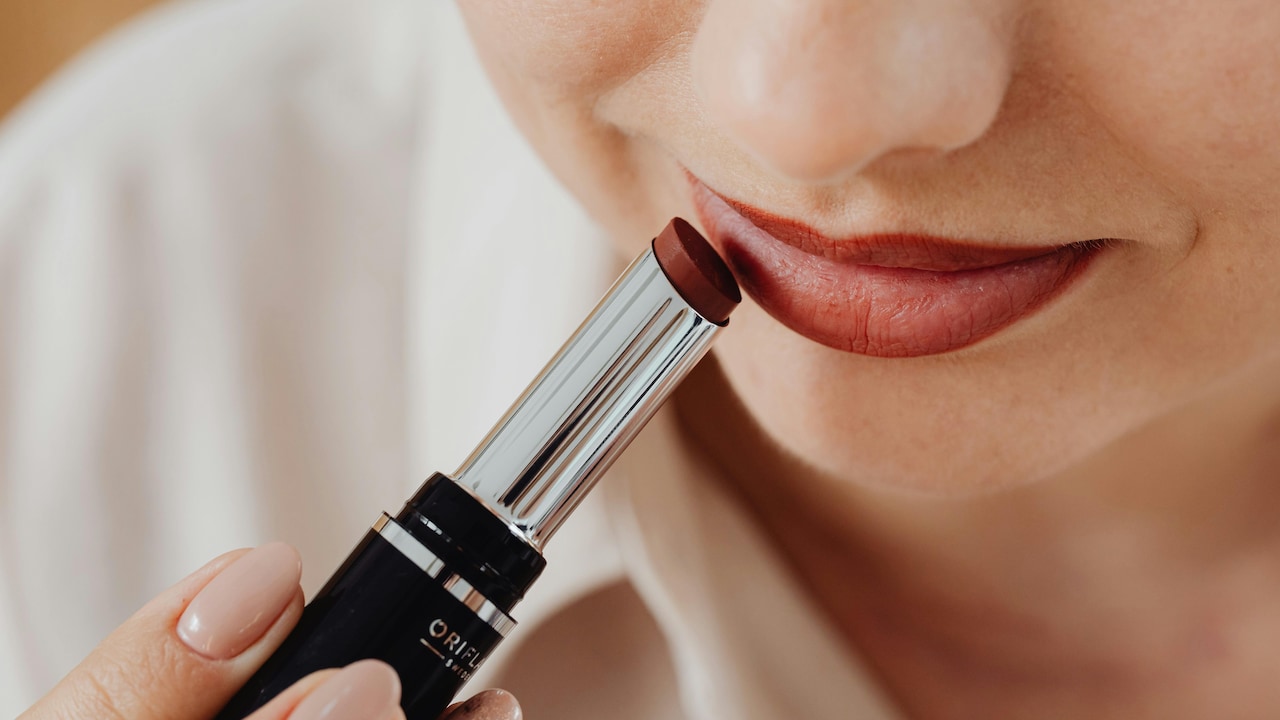
Lipsticks That Look Different After Application: Undertones Explained
That moment feels all too familiar. A lipstick swatch on the hand looks stunning under store lights. The shade promises a bold, confident vibe. Yet, once applied to the lips, something feels off. The colour appears darker, warmer, or strangely muted. It is not a faulty product. It is science, mixed with a bit of personal chemistry.
Lipsticks do not exist in isolation. They interact with natural lip colour, skin undertones, lighting, and even the formula itself. Understanding undertones changes everything. It removes guesswork and saves money that might otherwise disappear into a growing pile of barely-used lipsticks.
This guide simplifies the idea of undertones. No complicated jargon, no confusing charts. Just practical insights, relatable examples, and a touch of everyday realism. Because choosing the right lipstick should feel joyful, not frustrating.
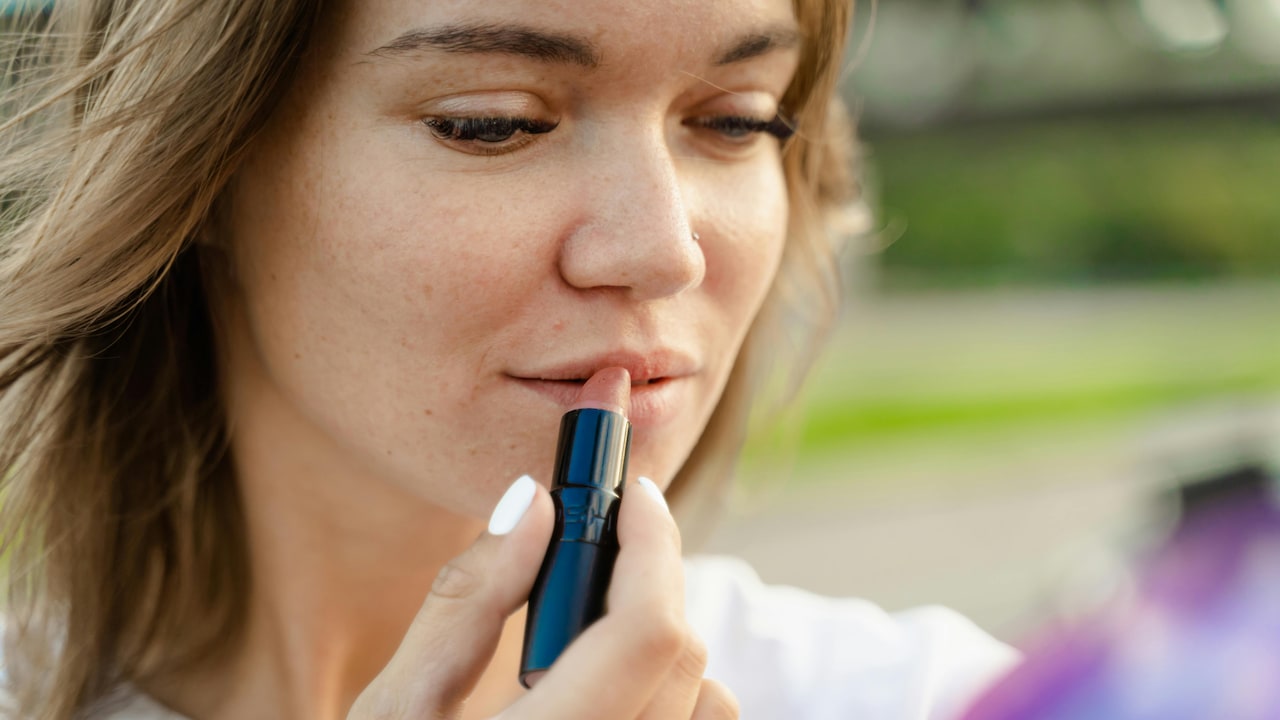
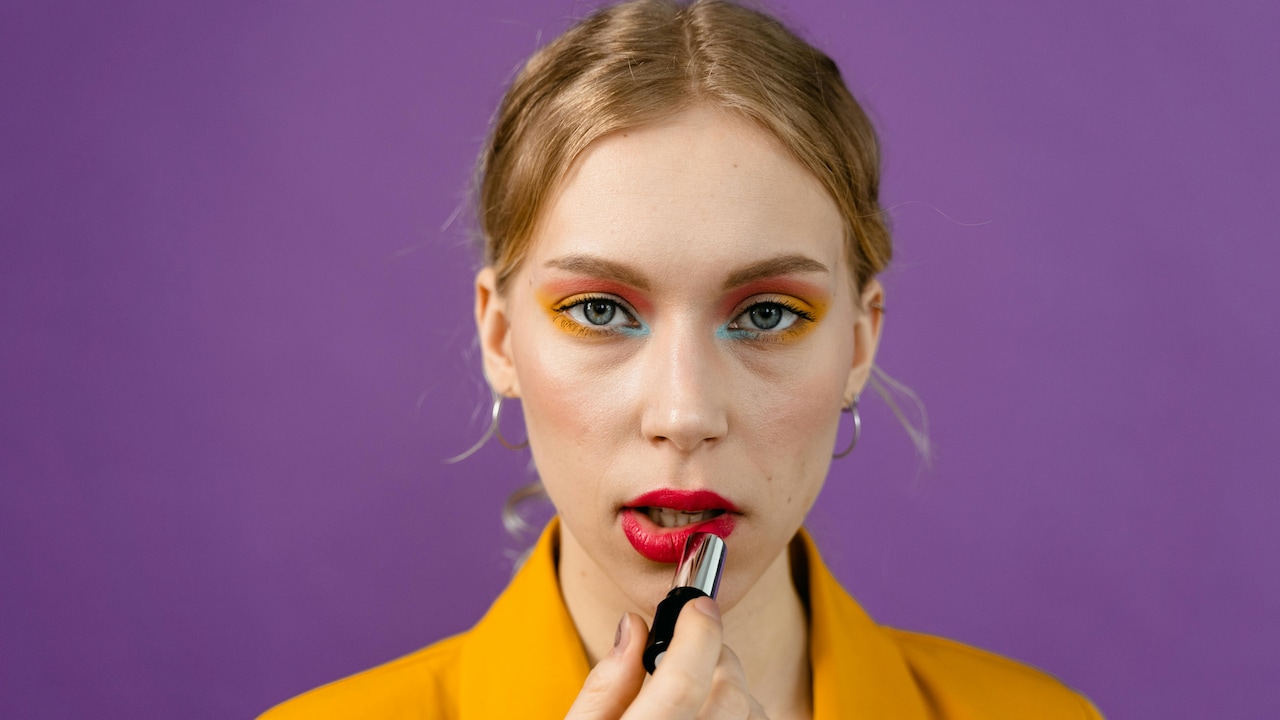
Lipsticks That Look Different After Application: Undertones Explained; Photo Credit: Pexels
Understanding Why Lipstick Shades Change On Your Lips
Why Lipstick Shades Change After Application
A lipstick rarely looks the same on the lips as it does in the tube. The difference begins with the natural colour of the lips. Some lips carry deeper pigmentation, while others appear pale or uneven. When lipstick meets this base, the colour shifts slightly, almost like mixing paint.
Lighting plays a sneaky role, too. Store lighting often enhances colours, making them appear brighter or more vibrant. Step outside into daylight, and the same shade might look softer or even dull. The finish also matters. Matte lipsticks tend to deepen in colour, while glossy ones reflect light and appear lighter.
Then comes the skin undertone. This hidden factor influences how a colour translates. A peach lipstick might look warm and sunny on one person but lean orange on another. It explains why a universally loved shade can feel disappointing after purchase. The lipstick did not change. The interaction did.
Understanding this behaviour helps set realistic expectations. It also builds confidence when experimenting with new shades.
Understanding Warm Undertones In Simple Terms
Warm undertones carry hints of yellow, golden, or olive beneath the skin. These tones often glow naturally in sunlight and pair beautifully with earthy colours. Lipsticks with warm bases tend to blend seamlessly, creating a harmonious look.
Shades like coral, terracotta, brick red, and warm nude usually flatter warm undertones. They enhance the natural warmth instead of clashing with it. For example, a coral lipstick can brighten the face instantly, especially during festive seasons or daytime outings.
However, cool-toned lipsticks may behave unpredictably. A blue-based pink might look slightly purple or dull. This mismatch often surprises first-time buyers.
Choosing lipsticks with warm undertones feels like finding a missing puzzle piece. The face appears balanced, and the colour feels effortless rather than forced. Even bold shades look wearable.
Recognising warm undertones becomes easier with observation. Gold jewellery often complements these tones better than silver. Once noticed, this small detail makes lipstick shopping far less confusing.
Also Read: Top Lipsticks That Do Not Crack Even in Air-Conditioned Rooms
Decoding Cool Undertones Without Confusion
Cool undertones carry subtle hints of pink, red, or blue beneath the skin. These tones often give the skin a rosy or slightly flushed appearance. Lipsticks with cool bases tend to enhance this natural tint beautifully.
Shades like berry, plum, wine, and blue-based reds work exceptionally well. They add depth without overpowering the face. A classic red with blue undertones often appears crisp and striking, making it a favourite for evening wear.
Warm shades, on the other hand, can behave unpredictably. A warm orange-red might look too bright or even slightly off. The colour does not blend naturally with the underlying tone.
Cool undertones also react strongly to lighting. Under warm lighting, lipsticks may appear deeper or more dramatic. In daylight, they reveal their true richness.
Understanding this undertone helps avoid common disappointments. Instead of chasing trending shades, focus shifts to colours that complement natural tones. The result feels polished and intentional, even with minimal effort.
Neutral Undertones: The Best Of Both Worlds
Neutral undertones sit comfortably between warm and cool. They carry a balanced mix of both, making them incredibly versatile. This flexibility allows a wider range of lipstick shades to work well.
A neutral undertone can pull off both warm nudes and cool pinks without looking mismatched. This freedom makes experimenting with trends far more enjoyable. One day calls for a bold berry, the next for a soft peach.
However, even neutral undertones have subtle preferences. Some lean slightly warm, others slightly cool. Observing which shades feel more flattering helps refine choices over time.
Lipsticks may still shift slightly after application, but the changes often feel less dramatic. The colour adapts rather than clashes.
This undertone often feels like a blessing for makeup lovers. It reduces hesitation and encourages creativity. Still, understanding personal leanings ensures every lipstick purchase feels worth the ₹ spent.
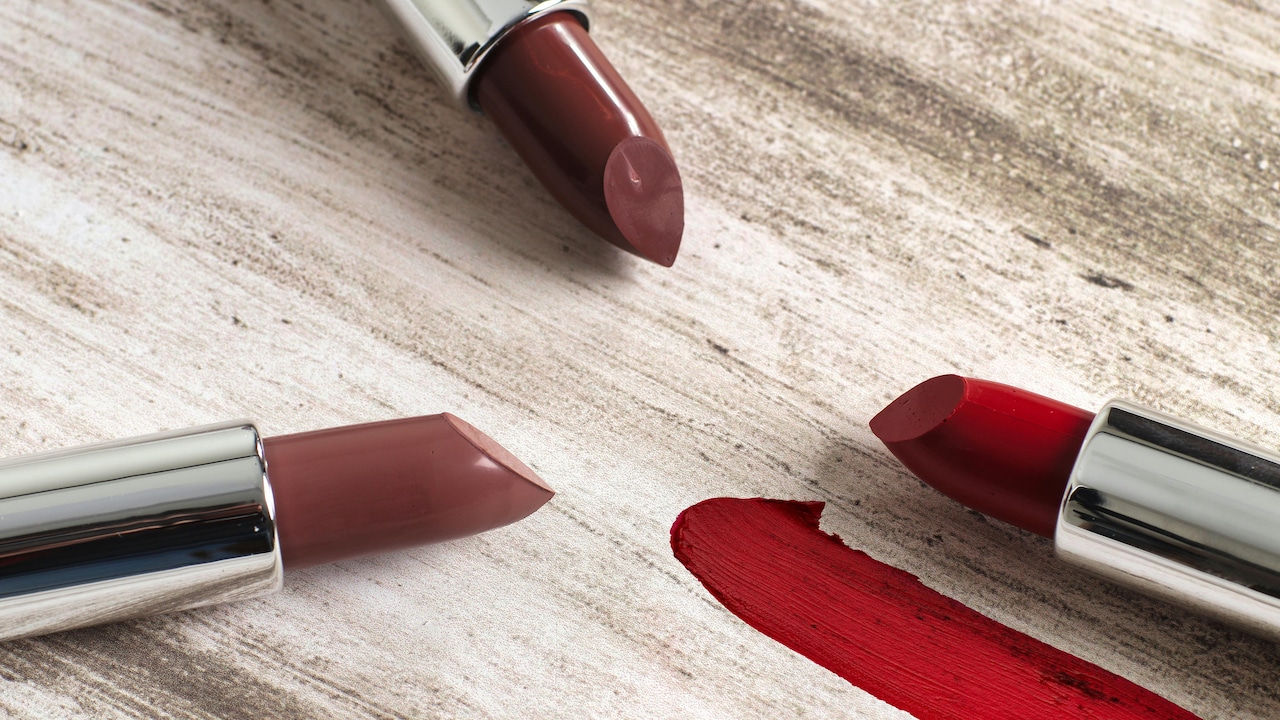
Lipsticks That Look Different After Application: Undertones Explained; Photo Credit: Pexels
The Role Of Natural Lip Pigmentation
Natural lip colour acts as the base layer for any lipstick. This factor often goes unnoticed but plays a major role in how a shade appears after application. Lips with deeper pigmentation can alter lighter shades significantly.
For instance, a soft nude lipstick may look perfect in the tube but turn darker or uneven on pigmented lips. The original lip colour shows through, subtly changing the final shade. On lighter lips, the same lipstick may appear exactly as expected.
This difference explains why swatches on the hand do not always match results on the lips. The hand often has a different tone and pigmentation level.
Using a lip liner or a light concealer base can help create a more even canvas. This step allows the lipstick colour to appear closer to its true shade.
Understanding lip pigmentation saves both time and money. It prevents disappointment and helps choose shades that work with, not against, natural lip colour.
How Lipstick Formulas Affect Colour Payoff
Not all lipsticks behave the same way. The formula plays a crucial role in how the colour appears and lasts. Matte lipsticks often deliver intense colour but can look darker once applied. They absorb light, creating a stronger effect.
Creamy formulas, on the other hand, reflect light slightly. This makes the colour appear softer and more forgiving. Glossy lipsticks add shine, which can lighten the overall look.
Liquid lipsticks tend to dry down into a more intense shade. The colour might look different during application and deepen as it sets. This change can surprise those unfamiliar with the formula.
Sheer lipsticks offer a wash of colour, allowing natural lip tone to show through. They feel easy and low-maintenance but may not match the tube exactly.
Understanding formulas helps manage expectations. It also guides better choices based on occasion, comfort, and desired intensity.
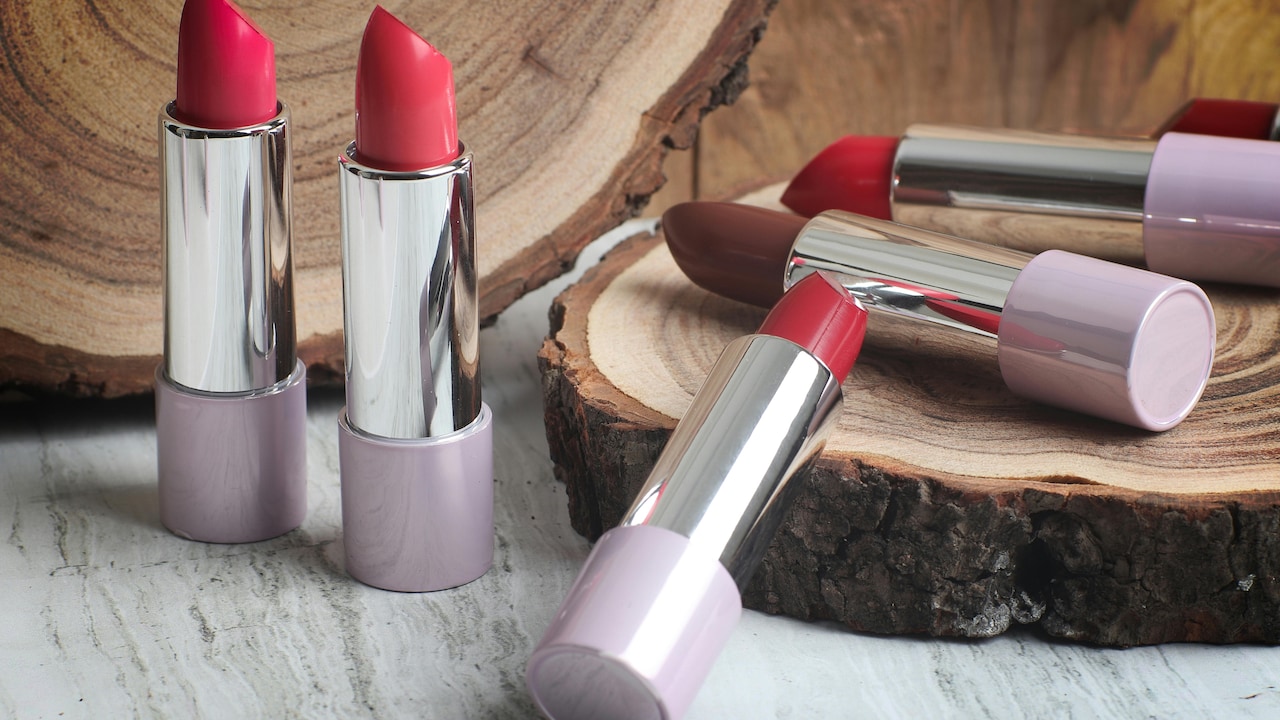
Lipsticks That Look Different After Application: Undertones Explained; Photo Credit: Pexels
Why Store Lighting Can Be Misleading
Store lighting often creates illusions. Bright, warm lights enhance colours, making lipsticks appear more vibrant and appealing. Under these lights, even subtle shades can look bold and exciting.
Once outside, reality sets in. Natural daylight reveals the true colour. A lipstick that looked like a soft pink indoors might appear peachy or even dull outdoors.
Even indoor lighting at home differs from store lighting. This variation explains why a shade can feel completely different after purchase.
Testing lipstick near natural light helps avoid surprises. Many beauty enthusiasts step outside the store or check shades near windows before buying. This small effort makes a big difference.
Lighting influences perception more than expected. Recognising this factor ensures smarter choices and fewer regrets.
The Influence Of Skin Tone Beyond Undertones
While undertones play a major role, overall skin tone also affects how lipstick appears. Deeper skin tones often make colours look richer and more intense. Lighter skin tones may soften the same shades.
A nude lipstick, for example, varies widely across different skin tones. What looks like a perfect nude on one person might appear too pale or too dark on another.
Contrast plays a key role. High contrast between lip colour and skin tone creates a bold look. Lower contrast feels softer and more natural.
This variation does not limit choices. Instead, it encourages exploration. Adjusting shades slightly can make a huge difference.
Understanding skin tone alongside undertones creates a complete picture. It ensures that lipstick choices feel flattering and intentional rather than random.
Tips To Choose Lipsticks That Stay True To Shade
Choosing the right lipstick becomes easier with a few mindful steps. Testing on the lips rather than the hand gives a more accurate idea of the final colour. When that is not possible, checking swatches from people with similar skin tones helps.
Reading shade descriptions carefully also helps. Words like “warm”, “cool”, or “neutral” offer useful clues. Observing how favourite lipsticks behave provides valuable insight for future purchases.
Trying mini versions or budget-friendly options before investing in expensive products saves money. Spending ₹500 on a trial feels better than regretting a ₹2,500 purchase.
Keeping lighting in mind while testing ensures realistic expectations. Small adjustments, like using a lip liner, can also help control how the colour appears.
These habits turn lipstick shopping into a thoughtful process rather than a gamble.
Embracing The Fun Of Experimentation
Despite all the science and logic, lipstick remains a form of self-expression. Rules exist, but they are not rigid. Sometimes, a shade that technically “does not match” still feels right.
Experimentation brings joy. Trying bold colours during festivals, soft shades for everyday wear, or unexpected hues just for fun keeps things exciting. Makeup does not always need perfection. It often thrives on personality.
Even so-called mistakes can lead to surprising discoveries. A lipstick that looks too bright might become a favourite with a simple gloss on top. A dark shade might feel perfect for an evening out.
Understanding undertones provides guidance, not restriction. It builds confidence while leaving room for creativity.
After all, lipstick is not just about colour. It reflects mood, style, and a little bit of courage.
Products Related To This Article
1. MARS Matte Muse Lightweight Mousse Lipstick 3ml
2. Mamaearth Set Of 3 Moisture Matte Longstay Lipstick- 2.1 gm Each- Nude Perfection
3. Pilgrim Dubai Bling 3D Glitter Formula With Matte Finish Lipstick- 4.2 g
4. ETUDE Dear Darling Water Gel Lip & Cheek Tint Lipstick 9 g
5. Lakme Forever Matte Lightweight & Transferproof 16Hr Liquid Lipstick 5.6ml
Lipsticks that change after application are not unpredictable. They simply respond to a combination of undertones, natural lip colour, lighting, and formula. Once these elements become clear, choosing the right shade feels far less confusing.
Undertones act as a quiet guide. They influence how colours appear and whether they feel harmonious or mismatched. Recognising them transforms lipstick shopping into an informed, enjoyable experience.
Yet, beyond all the logic lies the simple joy of colour. A good lipstick does more than enhance appearance. It lifts mood, adds confidence, and sometimes even changes the tone of an entire day.
So the next time a lipstick looks different after application, there is no need for disappointment. Instead, there is understanding. And perhaps, a better choice is waiting just around the corner.
(Disclaimer: This article may include references to or features of products and services made available through affiliate marketing campaigns. NDTV Convergence Limited (“NDTV”) strives to maintain editorial independence while participating in such campaigns. NDTV does not assume responsibility for the performance or claims of any featured products or services.)