Why Some Hair Straighteners Cause More Damage Than Others
Not all hair straighteners treat hair the same. Plate materials, heat control and technology can determine whether hair turns sleek or suffers damage. Understanding these differences helps protect hair while styling.
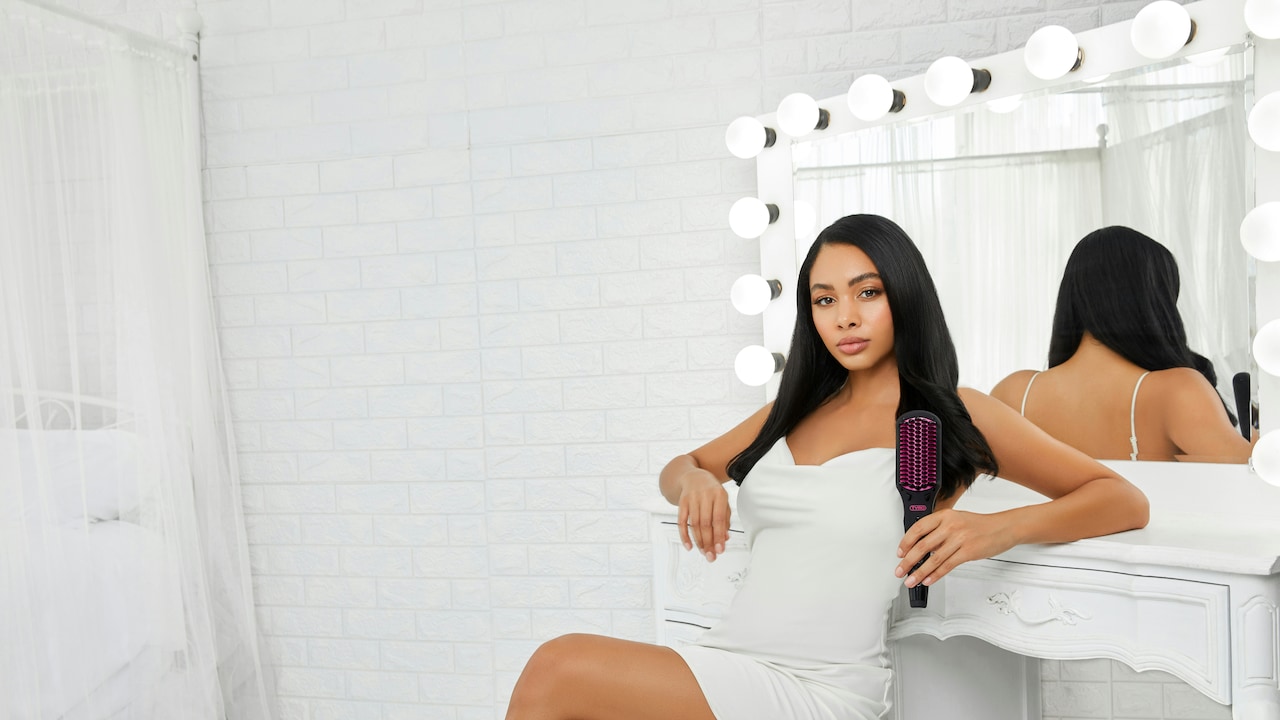
Why Some Hair Straighteners Damage Hair More Than Others: What You Need To Know.
A good hair day holds surprising power. Smooth, straight strands often boost confidence before an interview, a wedding function, or even a busy workday. Many households now keep a hair straightener tucked beside the hair dryer, ready to tame frizz in minutes. Yet behind the convenience lies a truth that rarely receives enough attention: not all straighteners treat hair the same way.
Some tools glide gently and leave hair glossy. Others deliver intense heat that slowly weakens the hair shaft. The result may look neat for a few hours, but strands gradually lose moisture, elasticity, and strength. Split ends start appearing. Frizz returns faster than expected. A once-silky ponytail begins to feel brittle.
The difference rarely lies in styling technique alone. The device itself plays a major role. Plate materials, heat regulation, manufacturing quality, and even the shape of the plates can influence how hair reacts to styling.
Many shoppers focus on price tags or flashy advertisements. A straightener costing ₹1,500 may seem similar to one priced at ₹6,000, especially when both promise “salon-style results”. However, the science behind these tools tells a different story.
Understanding why some hair straighteners cause more damage than others allows better decisions before plugging one in. With the right knowledge, smooth hair no longer needs to come at the cost of long-term hair health.
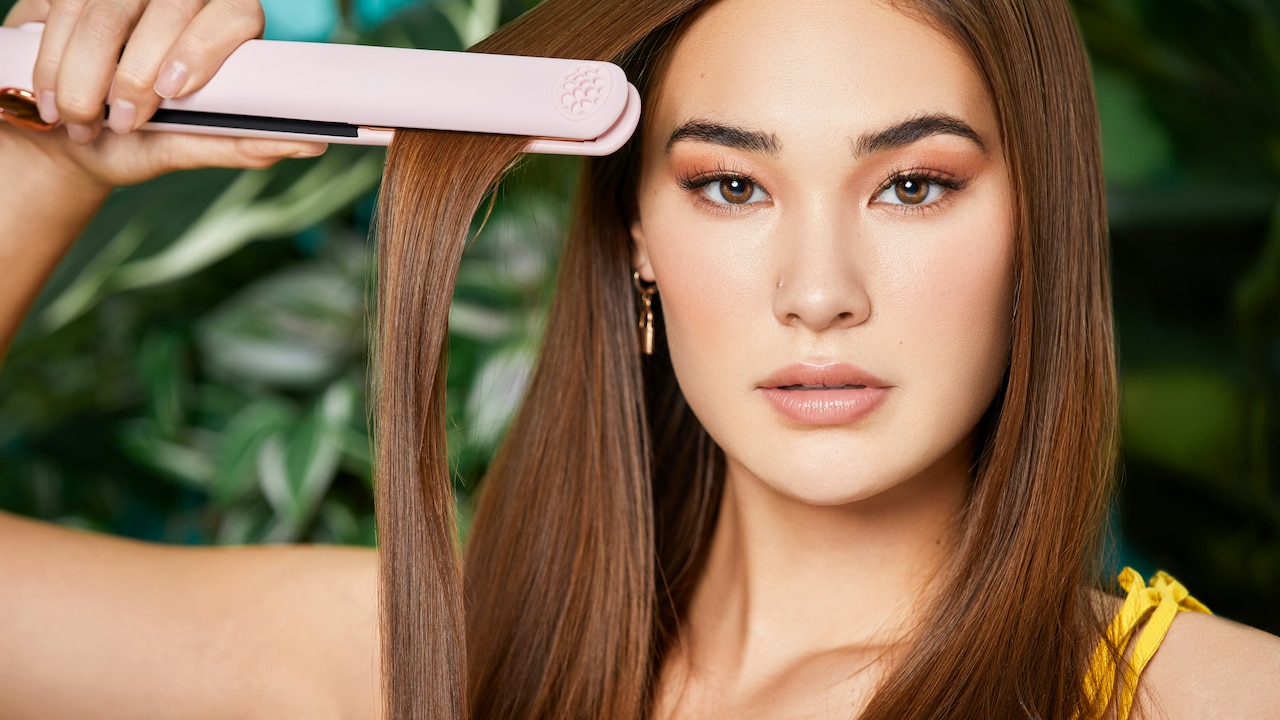
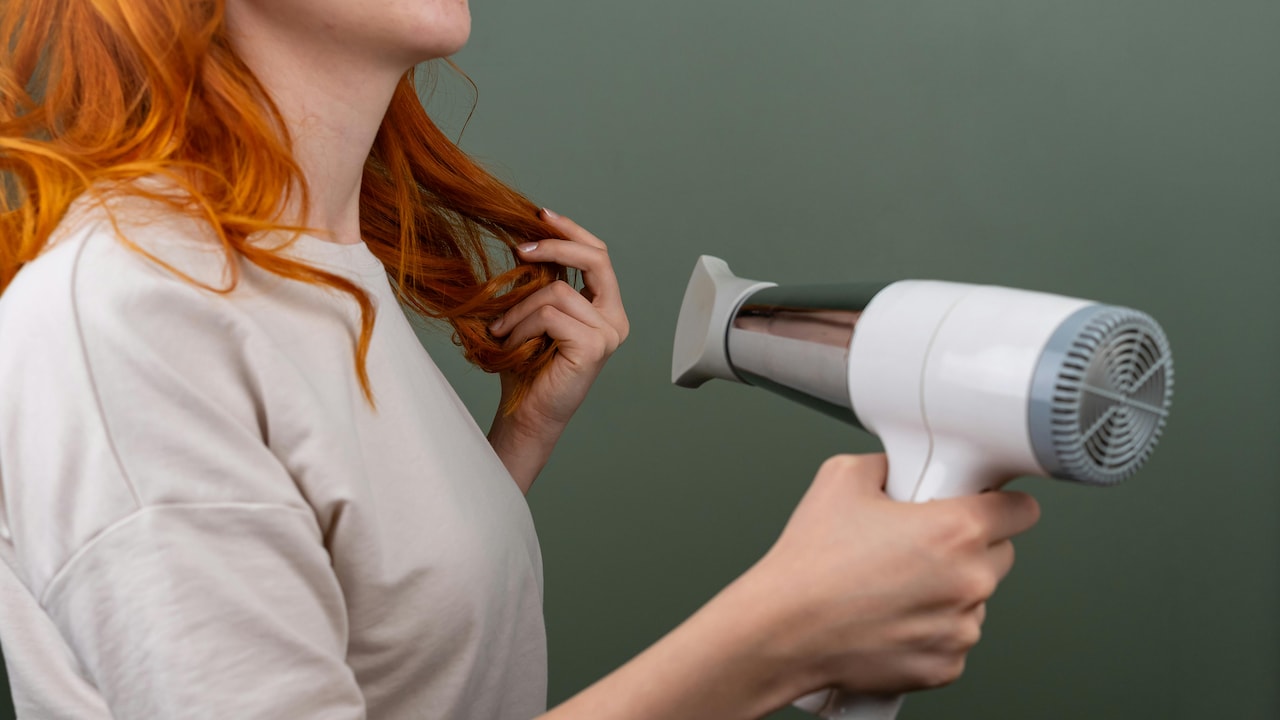
Why Some Hair Straighteners Cause More Damage Than Others; Photo Credit: Pexels
Factors That Determine How Much Damage A Hair Straightener Can Cause
The Role Of Plate Material
Plate material often decides whether a straightener becomes a styling hero or a silent hair destroyer. Many affordable straighteners use simple metal plates coated with thin ceramic paint. At first glance, they look smooth and shiny, yet the coating wears away quickly with regular use. Once that happens, direct metal heat touches the hair, and damage begins.
High-quality straighteners rely on solid ceramic, tourmaline, or titanium plates. Ceramic distributes heat evenly, which reduces hot spots that scorch certain strands while leaving others untouched. Tourmaline plates release negative ions that help reduce frizz and static. Titanium plates heat quickly and maintain stable temperatures, though they suit thicker hair better than delicate strands.
A poor plate material often pulls hair rather than gliding through it. That tugging motion weakens the cuticle layer. After several months, hair begins snapping during brushing or styling.
Consider the difference between cheap cookware and a well-made non-stick pan. One burns food within minutes, while the other cooks evenly. Hair tools behave in a similar way. Quality materials create consistency and gentler styling.
Choosing a straightener with durable plate materials may cost ₹2,000 or ₹3,000 more, yet that investment protects hair from months of unnecessary damage.
Heat Control Makes A Huge Difference
Heat stands at the centre of every straightening process. Hair changes shape when high temperatures break and reform hydrogen bonds inside the strands. However, the right temperature matters enormously.
Many low-cost straighteners offer a single heat setting. That temperature often sits around 220°C or even higher. Such intense heat might suit thick, coarse hair, yet fine hair struggles to tolerate it. Continuous exposure leads to dryness, rough texture, and weakened strands.
Better straighteners include adjustable heat controls. These allow users to choose a temperature that suits their hair type. Fine or chemically treated hair often responds best around 150°C to 170°C. Thick curls may require 180°C to 200°C.
Without this control, hair receives unnecessary heat every time the tool switches on. Over weeks, moisture slowly escapes from the cortex of each strand. Hair begins to feel rough rather than silky.
Imagine baking biscuits in an oven stuck permanently at maximum temperature. The results would rarely turn out well. Hair behaves in a similar way when styling tools ignore temperature flexibility.
Smart heat control turns a straightener into a precision tool rather than a blunt instrument.
Also Read: Best Hair Straightener With Ceramic Plates In Your Budget Under ₹1500
Uneven Heat Distribution
Not all straighteners distribute heat evenly across the plates. Some cheaper models create patches of extremely high temperature while other areas remain cooler. This uneven heating forces hair to endure multiple passes just to achieve a straight finish.
Each additional pass exposes the same section of hair to more heat. The outer cuticle layer starts lifting and cracking. Over time, this weakens the entire strand structure.
Premium straighteners use advanced heating systems that spread warmth evenly across the plates. As a result, one or two passes often achieve the desired style. Less heat exposure means less damage.
The difference feels obvious during use. A poorly designed straightener often requires several slow glides before hair finally smooths out. Meanwhile, a high-quality device completes the job quickly and effortlessly.
Hair professionals frequently emphasise this factor. Consistent heat reduces styling time and preserves hair integrity.
When heat spreads evenly, the straightener works with the hair rather than fighting against it. The result looks smoother and feels healthier.
Plate Edges And Design Matter More Than Expected
Straightener design affects more than aesthetics. The shape of the plates, the smoothness of edges, and the hinge mechanism influence how hair moves through the device.
Sharp plate edges often trap or bend strands at awkward angles. That stress weakens the hair shaft and encourages breakage near the ends. A poorly designed hinge may clamp unevenly, causing certain sections to experience greater pressure than others.
Better straighteners feature floating plates that adjust slightly as hair passes between them. This flexibility prevents unnecessary pulling or tension. Rounded plate edges also help the straightener glide naturally without snagging strands.
Think of the difference between a well-designed pair of scissors and a blunt one. One cuts smoothly. The other chews through material and leaves frayed edges.
Hair responds in much the same way. A thoughtful design protects delicate strands while creating a polished finish.
Though many shoppers focus on heat settings and price tags, the physical design of the tool quietly influences long-term hair health.
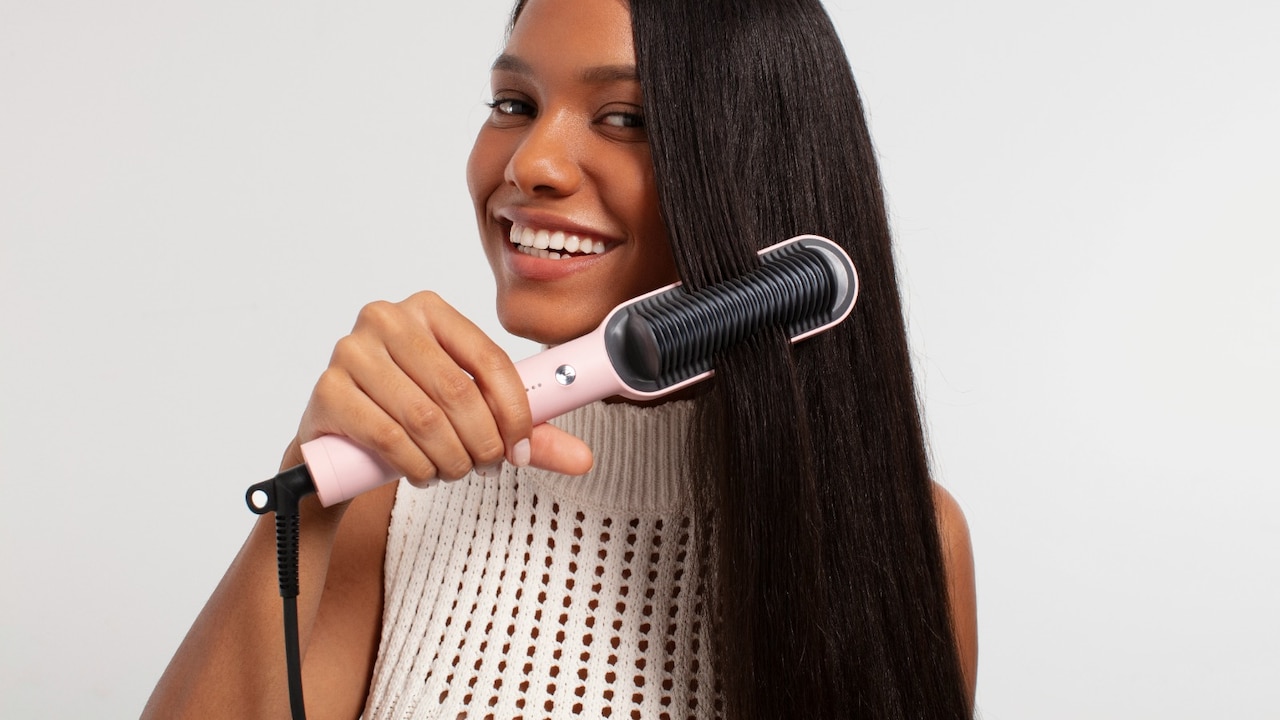
Why Some Hair Straighteners Cause More Damage Than Others; Photo Credit: Pexels
Build Quality And Internal Components
Many straighteners look identical from the outside. Shiny plastic bodies and glowing indicator lights often hide major differences in internal construction.
Lower-quality straighteners may use weak heating elements or cheap wiring. These components struggle to maintain consistent temperatures. The device may surge hotter than expected or cool down suddenly during use.
These temperature fluctuations place hair under constant stress. One section experiences excessive heat while the next receives insufficient heat, forcing repeated passes.
Higher-quality straighteners include reliable thermostats and advanced sensors that monitor plate temperature constantly. The device adjusts its power automatically to maintain stable heat levels.
Durability also improves with better build quality. Cheap straighteners often develop loose hinges, uneven plates, or electrical faults within a year. A well-built device may last five years or longer.
Though spending ₹4,000 instead of ₹1,200 may feel expensive at first, replacing multiple cheap straighteners eventually costs more.
Reliable construction ensures consistent styling and fewer unpleasant surprises for the hair.
Speed Of Heating
Quick heating often appears in advertisements as a major benefit. While fast heating sounds convenient during rushed mornings, the technology behind it determines whether it harms hair.
Some inexpensive straighteners heat rapidly but lack temperature regulation. They overshoot the intended temperature and become excessively hot within seconds.
Touching the plates briefly may even cause a burning smell from the hair. Such heat spikes damage the cuticle immediately.
High-end straighteners also heat quickly, yet they use intelligent sensors that stabilise temperature before the plates touch the hair. The heat remains controlled rather than chaotic.
This difference resembles boiling milk on a controlled gas flame versus blasting it with maximum heat. One approach warms gently. The other risks a messy spill.
Fast heating itself does not damage hair. Poor heat regulation does.
Choosing a straightener with controlled heating technology ensures convenience without sacrificing hair health.
Hair Type Compatibility
Hair straighteners often advertise universal suitability, yet hair varies widely in thickness, texture, and sensitivity to heat.
Fine hair contains fewer protein layers and therefore burns more easily. Thick or curly hair may require slightly higher temperatures to reshape effectively.
A straightener designed for thick hair may deliver temperatures too harsh for delicate strands. Repeated use eventually leads to dryness and split ends.
Better straighteners offer multiple heat settings tailored to different hair types. Some even include sensors that detect moisture levels within the hair and adjust heat automatically.
When styling tools respect hair type, results improve dramatically. Straightening becomes quicker, smoother, and far less damaging.
Ignoring this factor resembles wearing shoes several sizes too large. They may function, yet discomfort eventually appears.
Selecting a straightener suited to specific hair characteristics ensures better styling results and healthier strands over time.
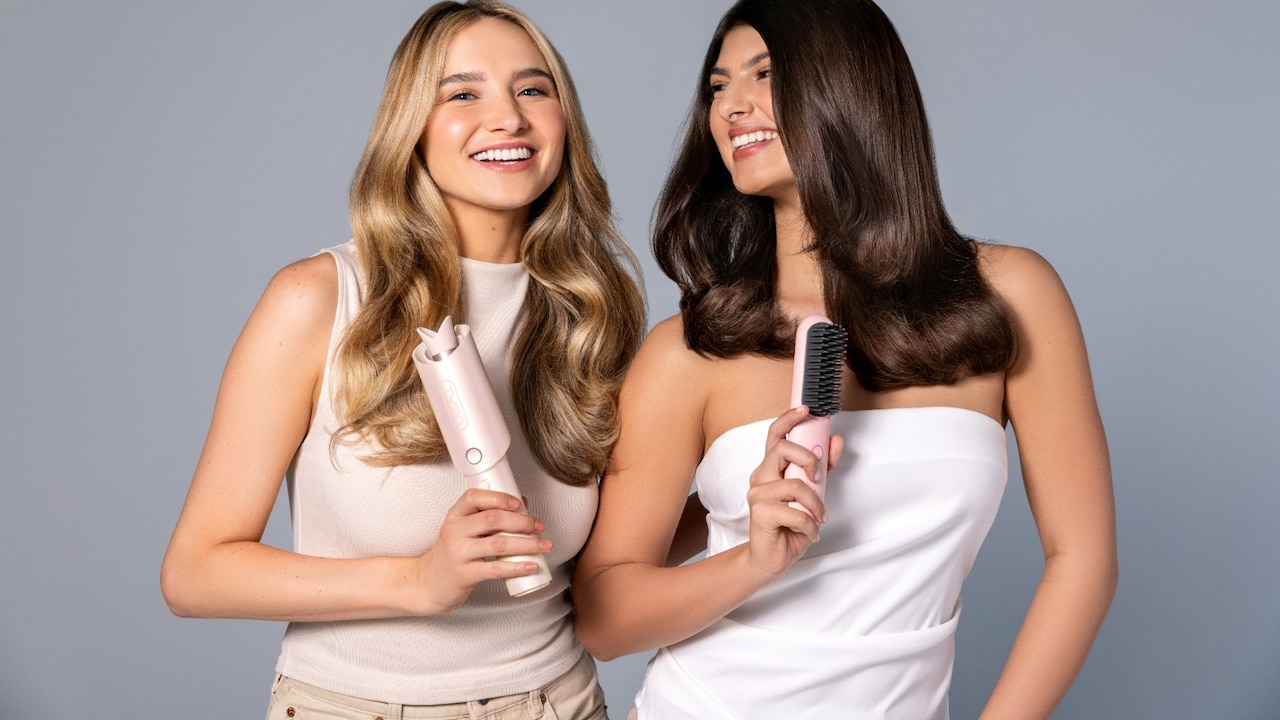
Why Some Hair Straighteners Cause More Damage Than Others; Photo Credit: Pexels
Importance Of Negative Ion Technology
Frizz remains one of the main reasons people reach for hair straighteners. Negative ion technology plays an important role in controlling this problem.
Hair naturally carries positive ions, especially in humid environments. These positive charges create static electricity, which causes strands to repel each other and appear frizzy.
Straighteners with negative ion generators neutralise these charges. The result appears smoother, shinier, and less prone to flyaways.
Devices without this feature often rely purely on extreme heat to flatten frizz. Excessive heat compresses the cuticle temporarily, yet it also dries the hair severely.
Negative ions allow styling at slightly lower temperatures while achieving similar smoothness.
Imagine ironing clothes with steam instead of pressing repeatedly on dry fabric. The steam relaxes fibres gently and reduces effort.
Hair responds in a similar way. Negative ions enhance styling results while minimising heat stress.
Though this technology may increase the price slightly, the long-term benefits for hair health make it worthwhile.
Frequency Of Use Amplifies Damage
Even the best straightener can cause harm when used excessively. Hair needs time to recover between heat styling sessions.
Frequent straightening strips natural moisture from the strands. Oils produced by the scalp struggle to travel down the hair shaft quickly enough to restore hydration.
Over time, the hair cuticle becomes rough and porous. This leads to dullness, tangles, and breakage.
Some straighteners claim to minimise damage through advanced coatings or heat sensors. While these features help, moderation remains essential.
Limiting straightening sessions to a few times per week gives hair time to regain moisture and strength. Using heat-protectant products also reduces direct thermal stress.
Hair resembles fabric in many ways. Continuous exposure to heat weakens fibres gradually, even when the iron works perfectly.
Healthy styling habits, therefore, matter just as much as the quality of the straightener itself.
Price Often Reflects Technology
Price alone does not guarantee quality, yet extremely cheap straighteners often lack essential protective technologies.
Many budget devices focus on basic heating functions without investing in advanced sensors, plate materials, or safety mechanisms. They achieve straight hair quickly but compromise long-term hair health.
Higher-priced straighteners often include ceramic or tourmaline plates, adjustable heat settings, ion technology, and precise thermostats. These features work together to reduce damage.
That does not mean spending ₹15,000 guarantees perfect results. However, investing in a reputable tool around ₹4,000 to ₹7,000 usually offers significantly better performance than ultra-budget models.
Think of it as buying a mattress. A slightly higher investment improves comfort and durability for years.
Hair tools follow a similar logic. A reliable straightener protects hair from cumulative damage while delivering smoother styling results.
Over time, healthier hair proves far more valuable than the savings from a bargain device.
Products Related To This Article
1. Havells Keratin Infused Brush Temperature Control All Hair Types
2. Urbanyog 3-1 Hot Air Brush Women One Step Dryer Volumizer Hair Straightener
3. Philips Hp8302-06 Hair Straightener
4. Havells Wide Plate Hs4121 Hair Straightener
5. Morphy Richards 340044 Hair Straightener
Hair straighteners transform frizzy strands into sleek styles within minutes. Yet beneath that convenience lies a complex interaction of heat, materials, design, and technology. Some straighteners respect the structure of hair and style it gently. Others quietly weaken the strands with uneven heat and harsh materials.
Understanding these differences empowers smarter choices. Plate material, heat control, design quality, and technology, such as ion generation, all influence how safely a straightener performs.
Price also reveals clues about build quality and internal components. A well-designed straightener often lasts longer and treats hair with far more care.
Healthy hair rarely depends on styling tools alone. Good habits, moderate heat use, and suitable temperatures protect strands from unnecessary stress.
When chosen wisely, a hair straightener becomes a helpful styling partner rather than a hidden source of damage. Smooth hair then feels satisfying, not just for the day, but for the months and years ahead.
(Disclaimer: This article may include references to or features of products and services made available through affiliate marketing campaigns. NDTV Convergence Limited (“NDTV”) strives to maintain editorial independence while participating in such campaigns. NDTV does not assume responsibility for the performance or claims of any featured products or services.)