Why Your Hair Feels Dry After Conditioning And What You May Be Doing Wrong
Hair can still feel dry after conditioning due to hot water, harsh shampoo, product build-up or incorrect application. Discover the common mistakes that stop conditioner from working properly.
Why Your Hair Feels Dry After Conditioning: 10 Common Mistakes
Few beauty disappointments feel as confusing as stepping out of the shower with freshly conditioned hair, only to find it dry before it has even fully dried. You followed the routine. Shampoo, rinse, conditioner, rinse again. Perhaps you even left the conditioner on for a few extra minutes while finishing the rest of your shower. Still, your hair feels coarse, tangled or puffier than expected. It can seem as though the conditioner simply gave up halfway through the job. Conditioner, however, cannot fix every problem on its own. Hair dryness often comes from the way products are chosen, applied and rinsed. Water temperature, washing frequency, weather, hard water and styling habits can also affect the final result.
Why Your Hair Feels Dry After Conditioning And What You May Be Doing Wrong
Photo Credit: Pexels
Think of conditioner as support rather than a miracle worker. It smooths the outer layer of the hair and helps reduce moisture loss, but it cannot undo constant heat damage or replace a routine that does not suit your hair type. Here are ten common reasons your hair may feel dry after conditioning, along with practical ways to make every wash count.
Common Conditioning Mistakes That Leave Your Hair Dry
You May Be Using The Wrong Conditioner
A conditioner can be excellent and still be completely wrong for your hair. Fine, straight hair often needs a lightweight formula, while thick, curly or chemically treated hair may need richer ingredients. Using the wrong one can leave strands either coated or undernourished.
A light volumising conditioner may not offer enough softness for hair that faces regular colouring, heat styling or sun exposure. On the other hand, a thick butter-based formula can sit heavily on fine hair. The hair may then feel dull, stiff or oddly dry because product build-up prevents it from moving naturally.
Pay attention to how your hair behaves rather than trusting the prettiest bottle on the shelf. Curly hair usually benefits from ingredients such as shea butter, plant oils and fatty alcohols. Fine hair may respond better to lighter formulas with glycerine, aloe or hydrolysed proteins.
The right conditioner should make your hair easier to detangle without turning it limp. If combing still feels like wrestling with tangled earphones, your formula may not provide enough slip. A small product change can sometimes do more than an expensive salon treatment.
You Are Applying Conditioner To Dripping-Wet Hair
Applying conditioner to soaking-wet hair may seem harmless, but all that excess water can dilute the product. Instead of clinging to the strands, the conditioner slides down the drain before it gets a fair chance to work.
After shampooing, gently squeeze out excess water with your hands. The hair should remain wet, but it should not drip as clothes pulled straight from a bucket. This simple step helps the conditioner spread more evenly and stay in contact with the hair.
Start with a modest amount and add more only when needed. For shoulder-length hair, a portion roughly the size of a ₹10 coin may be enough, though thicker or longer hair will need more. Work it through the mid-lengths and ends, where dryness usually appears first.
Rushing the application also creates patchy results. One section may receive plenty of product while another gets almost none. Divide thick hair into two or four sections and smooth the conditioner through each one. Even coverage matters more than using a large handful.
Your conditioner does not need a swimming pool. It needs a damp surface and enough time to settle in.
You Are Rinsing With Water That Is Too Hot
A steaming shower feels wonderful after a long day, especially during cooler months. Your hair may not share the enthusiasm.
Very hot water can lift the hair's outer cuticle and remove natural oils from the scalp and strands. This can leave hair feeling rough, frizzy and dehydrated, even after conditioning. The hotter the water, the more likely your hair will lose the smooth finish you expected.
Use lukewarm water for shampooing and conditioning. It cleans effectively without treating your scalp like a cooking pot. Finish with a cooler rinse if comfortable. Cool water will not magically seal every strand, but it can help the hair surface feel smoother and reduce the fluffy appearance that often follows a hot shower.
This habit becomes particularly important for coloured, curly or already damaged hair. Such hair tends to lose moisture more quickly and may react strongly to high temperatures.
There is no need to shiver through the entire wash. Simply lower the temperature while rinsing your hair. Your shower can remain cosy; your scalp just does not need the full pressure-cooker experience.
You Are Shampooing Too Aggressively
Conditioner cannot always repair the dryness caused by an overly harsh shampoo routine. If you scrub your hair vigorously, wash it every day or use a strong clarifying shampoo too often, you may remove more oil than your scalp can comfortably replace.
Shampoo belongs mainly on the scalp. That is where sweat, oil and product residue collect. Massage it gently with your fingertips, not your nails. As the lather runs down, it will clean the lengths without aggressive rubbing.
Dry or curly hair may not need daily shampooing. Washing two or three times a week often works better, although humid weather, exercise and scalp conditions can change what feels comfortable. Choose a gentle shampoo for regular use and save clarifying products for occasional deep cleaning.
Watch the amount too. More foam does not always mean cleaner hair. It can simply mean more product and a longer rinse.
When shampoo leaves the hair squeaky, tight or tangled before conditioner even enters the scene, the cleansing step may be too strong. Hair should feel clean, not stripped of its entire personality.
Also Read: Beauty Deals: Skincare, Makeup And Haircare Picks Worth Checking
You Are Not Leaving Conditioner On Long Enough
Conditioner needs contact time. Applying it and rinsing it away within ten seconds gives the formula little opportunity to soften the hair or improve manageability.
Most everyday conditioners work best when left on for two to five minutes. Check the label, as richer masks may require longer. Use that time to finish the rest of your shower rather than repeatedly touching the hair. Constantly squeezing and rubbing it will not speed things up.
For better distribution, use a wide-toothed comb or your fingers to gently detangle the lengths after applying the conditioner. Begin at the ends and move upwards. This reduces breakage and ensures the product reaches hidden knots and dry patches.
Leaving conditioner on overnight, however, does not always produce better results. Regular rinse-out formulas are not designed for such long contact. They may leave residue, cause scalp irritation or make the hair feel stiff.
Think of conditioning like brewing tea. Remove it too soon, and the result feels weak. Leave the wrong formula on for hours, and things may become unpleasant. Follow the suggested timing and let the product do its job without unnecessary drama.
You Are Applying Conditioner In The Wrong Places
Where you place conditioner matters almost as much as which conditioner you choose.
The oldest and driest parts of your hair sit at the ends, so they usually need the most attention. The roots receive natural oils from the scalp and may not need the same amount. Applying a rich conditioner directly to the roots can create build-up, flatten the hair and make the scalp feel greasy while the ends remain dry.
Begin a few centimetres away from the scalp and concentrate on the mid-lengths and tips. If your hair is very coarse, curly or dry from root to end, a small amount near the upper sections may help. Adjust the placement according to your texture.
Make sure the back of the hair receives enough product. It is easy to coat the front sections thoroughly while forgetting the area near the nape, which often faces friction from collars, scarves and pillowcases.
After application, press the conditioner into the strands rather than rubbing them together. Wet hair is fragile, and rough handling can damage the cuticle.
Good placement gives the driest sections first-class treatment instead of distributing the product like an equal-opportunity moisturiser.
Why Your Hair Feels Dry After Conditioning And What You May Be Doing Wrong
Photo Credit: Pexels
Product Build-Up May Be Blocking Moisture
Sometimes hair feels dry not because it lacks product, but because it carries too much of it.
Silicones, oils, dry shampoo, styling creams and leave-in products can gradually collect on the hair. Hard water minerals may join the party. This layer can make strands feel coated, stiff or dull. Fresh conditioner then struggles to spread properly, and the hair may seem dry despite being covered in residue.
Use a clarifying shampoo occasionally to remove stubborn build-up. Once every two to four weeks may suit many people, though frequent styling or very oily scalps may require different timing. Follow with a moisturising conditioner, as clarifying formulas can feel stronger than regular shampoo.
Avoid piling several rich products onto the same wash day unless your hair genuinely needs them. A heavy mask, leave-in cream, oil and serum may sound like a luxury spa package, but fine or low-porosity hair can quickly feel overloaded.
Clean hair should feel light and flexible, not squeaky or waxy. If your strands improve briefly after a clarifying wash, build-up was probably part of the problem. Sometimes the route to softer hair involves using less, not buying more.
Your Hair May Need More Than Conditioner
Regular conditioner mainly smooths and softens the hair surface. Severely dry, coloured or heat-damaged hair may need deeper support.
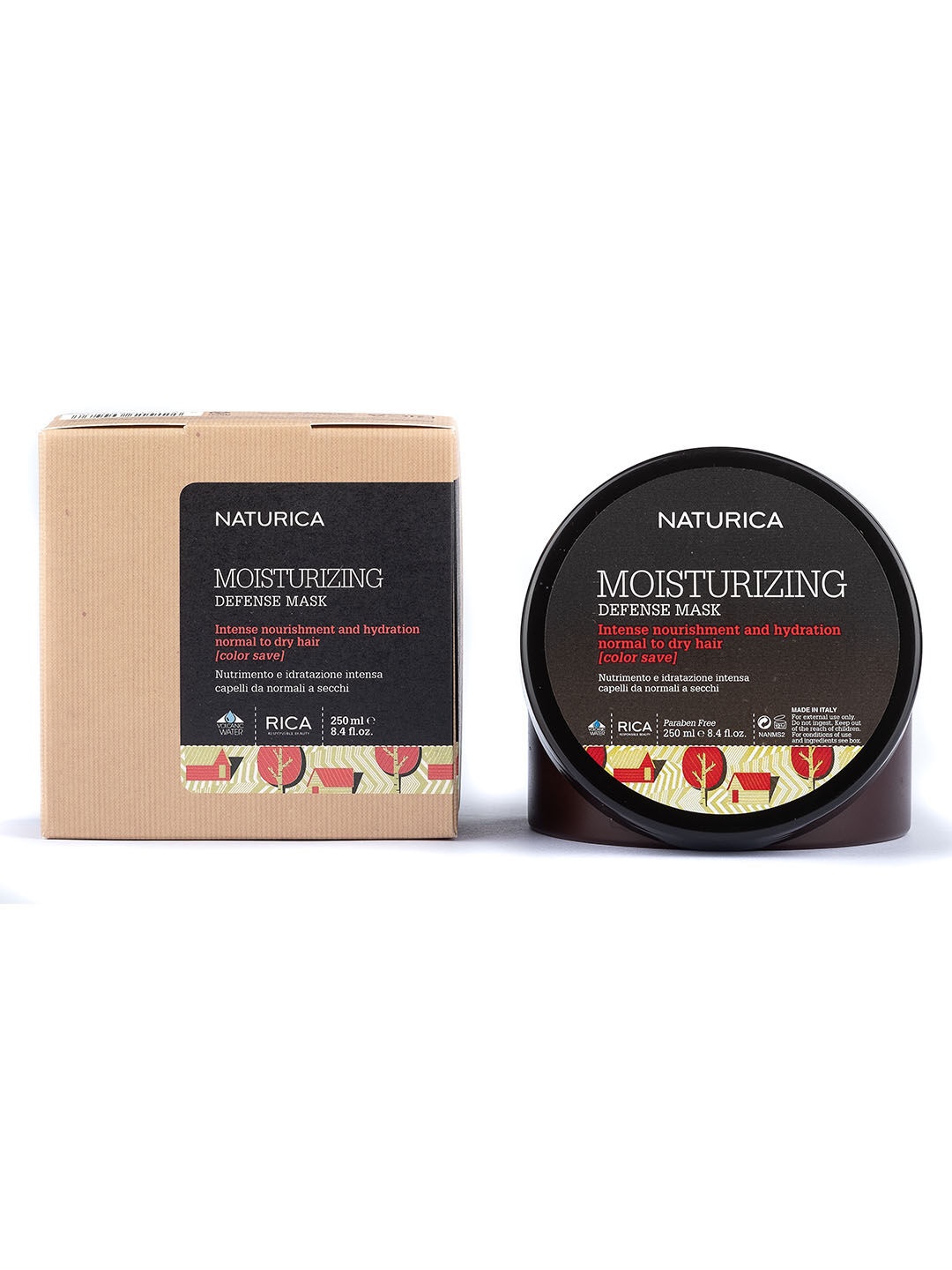
A moisturising hair mask once a week can help replenish softness, especially after frequent blow-drying, straightening or exposure to strong sunlight. Look for nourishing ingredients such as ceramides, fatty alcohols, amino acids and plant oils. Apply the mask to clean, damp hair and follow the timing on the packaging.
Some hair also benefits from protein treatments. Protein can temporarily strengthen weak strands and reduce breakage. Too much protein, however, may make hair feel hard, brittle or straw-like. If your hair becomes stiff after protein-rich products, switch to a moisture-focused mask for a while.
A leave-in conditioner can also help when the weather turns humid or dry. Apply a small amount to damp lengths before styling. Those dealing with dry ends may add one or two drops of lightweight oil afterwards to reduce moisture loss.
Conditioner handles everyday maintenance. Masks, leave-ins and targeted treatments provide extra support when your hair has survived more plot twists than a television serial.
Your Towel And Drying Habits May Be Undoing The Work
Hair can leave the shower soft and become rough within minutes because of the way it gets dried.
Rubbing wet hair with a coarse cotton towel creates friction. This lifts the cuticle, encourages frizz and can cause breakage. Instead, gently squeeze out water and wrap the hair in a microfibre towel or a soft cotton T-shirt. Press rather than rub.
Avoid twisting the hair into an extremely tight towel turban. Wet strands stretch easily and may snap under pressure, particularly around the hairline. Keep the wrap loose and remove it after ten to fifteen minutes.
Letting hair remain soaking wet for hours is not ideal either. Hair swells when wet, which makes it more vulnerable. Allow it to air-dry partially, then use a hairdryer on a low or medium setting if needed. Hold the dryer at a sensible distance and keep it moving.
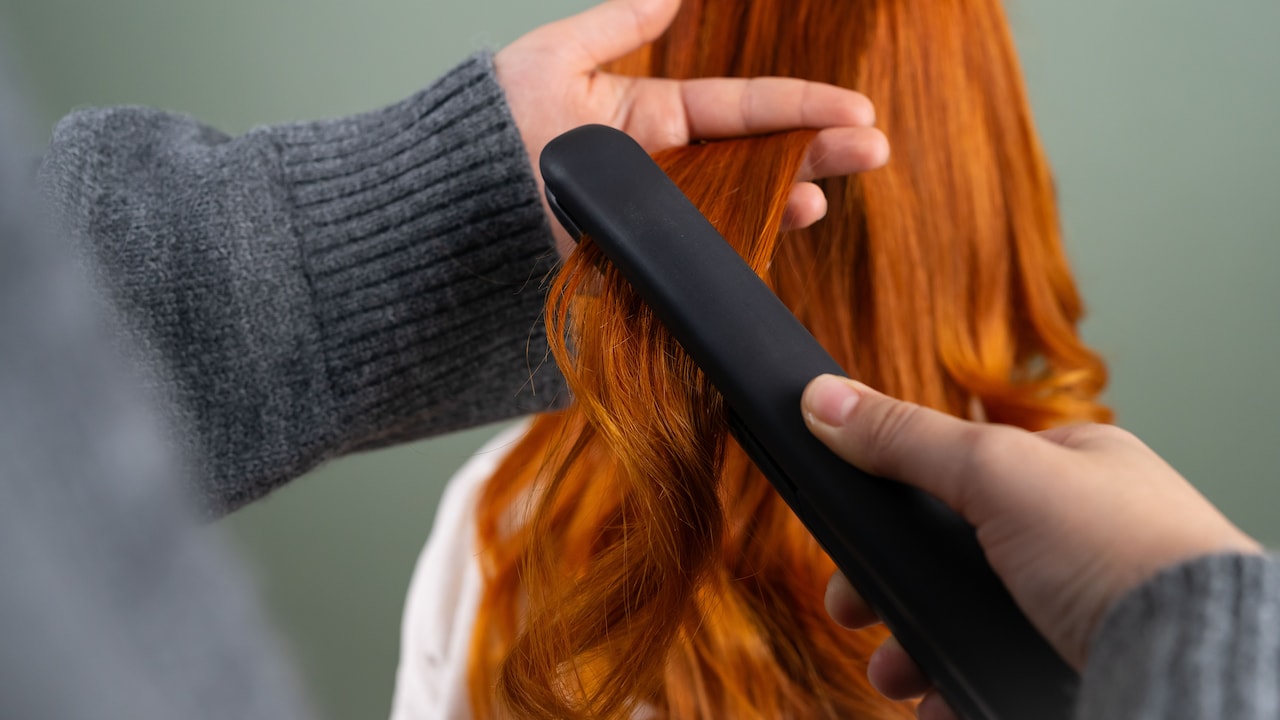
Apply a heat protectant before using hot tools. Conditioner cannot protect hair from repeated high-temperature styling on its own.
A careful drying routine preserves the softness created in the shower. Otherwise, your towel may quietly cancel all the good work before breakfast.
Hard Water And Weather May Be Affecting Your Hair
Your routine may be perfectly sensible, yet the water coming from the tap can still interfere.
Hard water contains minerals such as calcium and magnesium. These can collect on the hair, making it feel rough, tangled and less responsive to conditioner. Many households across cities and towns deal with hard water, particularly in areas that rely heavily on borewells or groundwater.
A shower filter may reduce certain impurities, although it may not remove all hardness minerals. A chelating shampoo, used occasionally, can help clear mineral deposits. Follow it with a nourishing conditioner or mask.
Weather also changes how hair behaves. Strong summer heat can dry the lengths, while monsoon humidity can create frizz and swelling. Air conditioning may remove moisture from the surrounding air, leaving hair feeling brittle after long hours indoors.
Adjust your routine with the season. Use lighter products during humid months and richer moisturising formulas during dry weather. Cover your hair when spending long periods in harsh sun, and avoid leaving chlorinated pool water on it.
Hair does not live in a laboratory. It reacts to water, weather, travel, pollution and daily life. Sometimes the missing ingredient is not another serum, but a little environmental awareness.

Why Your Hair Feels Dry After Conditioning And What You May Be Doing Wrong
Photo Credit: Pexels
Products Related To This Article
1. Moxie Beauty Hyaluronic Acid Repair Conditioner
2. Matrix Mega Smooth Conditioner with Shea Butter and Ceramides for Frizzy Hair
3. Love Beauty & Planet Onion, Black Seed & Patchouli Hairfall Control Natural Conditioner
4. Dove Intense Repair Conditioner 175 ml|| With Keratin Actives to Smoothen Dry and Frizzy Hair
5. L'Oreal Paris Floral Glycolic Gloss Shine Sealing Conditioner
6. Wella Professionals Invigo Nutri-Enrich Conditioner
7. Pantene Miracle Rescue Biotin Strength Conditioner
Dryness after conditioning does not always mean your conditioner has failed. The cause may begin earlier with harsh shampoo, hot water or product build-up. It may also appear later through rough towel drying, heat styling or exposure to hard water.
Start by changing one habit at a time. Squeeze out excess water before applying conditioner. Give the product enough time to work. Lower the shower temperature and handle wet hair gently. These small adjustments often reveal more than replacing every bottle in the bathroom.
Your hair may also change with the seasons, age, chemical treatments and lifestyle. A routine that worked six months ago may suddenly feel less effective. That does not mean your hair has become difficult. It simply needs a fresh approach.
Healthy-looking hair rarely comes from one miracle product. It comes from consistent care, sensible product choices and a little patience. Once you understand where moisture gets lost, conditioning becomes less of a guessing game and more of a reliable ritual.
The goal is not impossibly perfect hair every day. It is hair that feels comfortable, manageable and cared for, even when the weather has other plans.
(Disclaimer: This article may include references to or features of products and services made available through affiliate marketing campaigns. NDTV Convergence Limited (“NDTV”) strives to maintain editorial independence while participating in such campaigns. NDTV does not assume responsibility for the performance or claims of any featured products or services.)