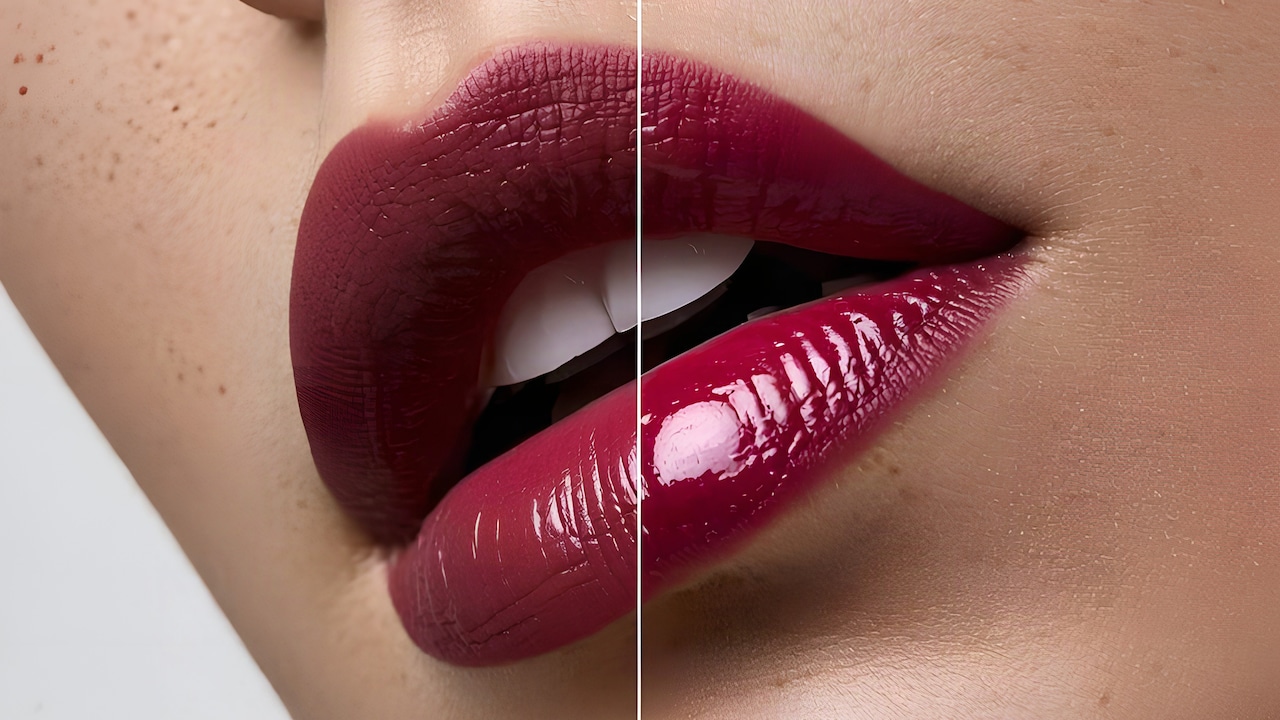
Why Does My Makeup Look Patchy By The Afternoon
Find out what causes your makeup to appear blotchy by the end of the day and get some easy skincare, application and product advice for a longer-lasting finish.
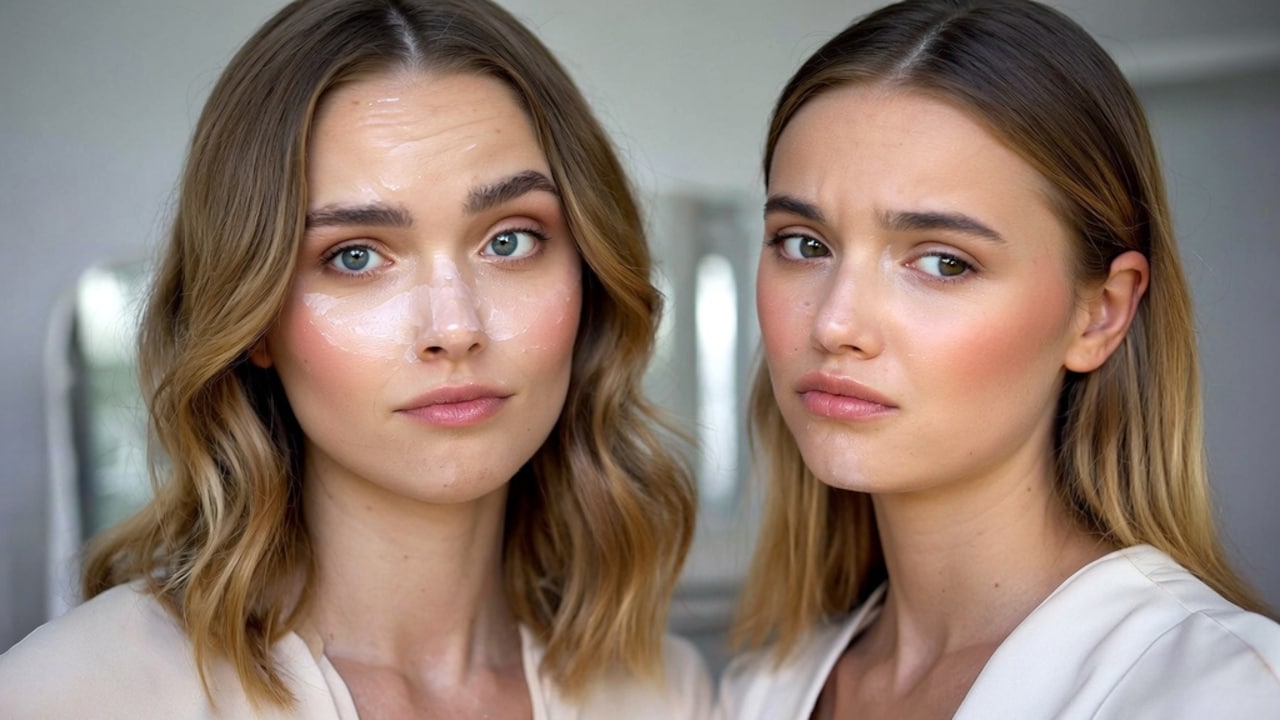
Why Does My Makeup Look Patchy By The Afternoon
Even if we do the perfect make-up in the morning, sometimes it turns out not to be healthy; the skin is patchy or dry after a few hours. If the sun is out, people may notice changes such as their makeup foundation separating, makeup flaking into their fine lines, or certain parts of their face getting oily throughout the day. This can be aggravating, particularly if time and effort are put into a smooth base being formed. Often it is not necessarily the makeup products themselves, but how the makeup is applied and how the skin reacts to makeup.

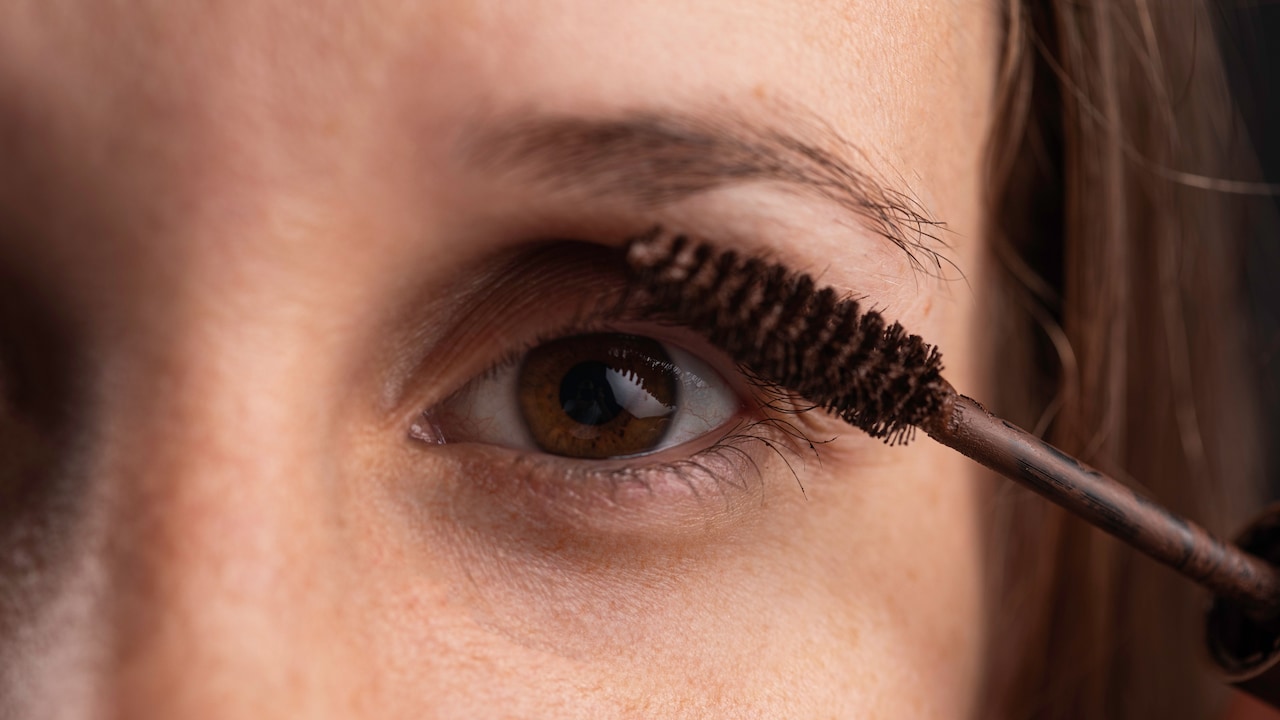
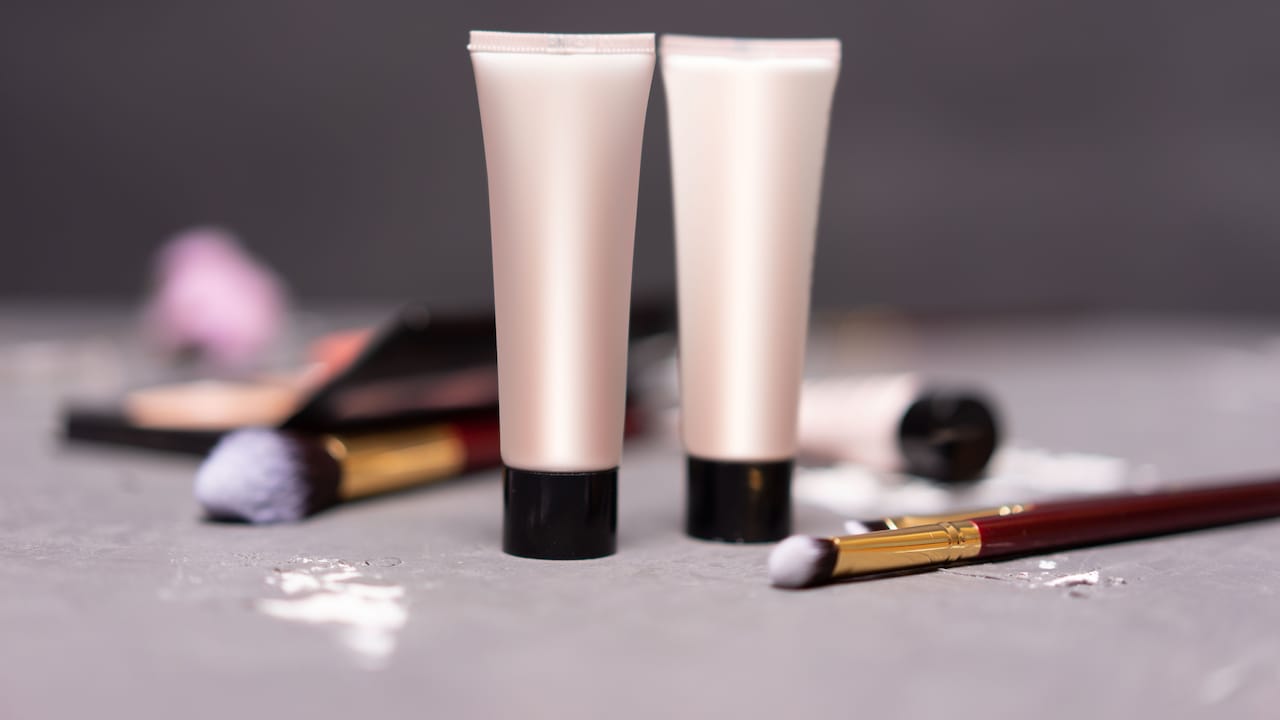
Learn easy application techniques and product advice to prevent your makeup from becoming blotch; Photo Credit: iStock
Other factors of the skin routine, the environment, the use of the makeup application technique, and the skin type itself can affect how makeup wears. Developing knowledge of the causes of appropriate and inappropriate day makeup can help makeup look better throughout the day and make it last. While some tricks for maintaining the appearance of a fresh face are simple, to-do adjustments that can be made with a little more thoughtfulness during preparation make it more manageable.
Also Read: How To Do A Quick 5-Minute Makeup Look Before An 8 AM Class
Why Does My Makeup Look Patchy By The Afternoon
Underlying skin colour that varies all day long is one source of patchy-looking makeup. This can be affected by the way foundation and other natural cosmetics rest on the skin due to production, dehydration, sweat and product accumulation.
Making up the skin consists of preparation, proper make-up products and correct application methods. Any of these points can be a source of poor workmanship that, if a bit wrong, may lead to separation or unevenness in the makeup later.
1. Dry Skin Can Make Foundation Look Uneven
If your skin is dry, the foundation can get caught in dry areas, giving the skin a grainy texture. When skincare is so dry, applying makeup on it can make sure it doesn't blend well and can cause some areas to flake or look pale and clammy.
2. Excess Oil Can Break Down Makeup
The sebum that is produced by oily skin will tend to mix with your skin-tone makeup and end up separating it. Indeed, certain areas of the body are particularly susceptible to shiny and rough spots, such as the forehead, nose, and chin.
3. Skipping Proper Skin Preparation Affects Results
The use of makeup without adequate cleansing and moisturisation can decrease the absorbability and adherence of makeup. To achieve a smooth surface, use a well-balanced skin care regimen.
4. Using Too Much Product Creates A Heavy Finish
Using heavy foundation or concealers can start perfectly and fall into the pores and fine lines throughout the day.
5. Wrong Product Combination Can Cause Separation
Not all skin care and cosmetic products are indeed compatible. For instance, incompatible formulas can cause pilling or uneven texture in the formula or baking up.
Understanding Why Makeup Changes Throughout The Day
Even if makeup is applied to the skin, it will not stay the same after that, as the skin's functions will keep going in their natural way. The face can show changes in terms of colour and look with time due to sweat, oil, facial expression and environment.
Weather is also an important factor. Oily or moist skin will get heavier makeup, which can get displaced from the area, or pores will appear dry and flaky.
Practical Ways To Prevent Patches Afternoon Makeup
Step 1: Prepare Your Skin Before Makeup
When you start with cleaner, hydrated skin, you'll form a smooth surface. Apply skin products first to ensure better skin blending before applying foundation.
Step 2: Use The Right Primer
A primer can facilitate the smoothness of your face, keep the makeup from looking oily or shiny, and help it to last longer. Select a formula for your skin problems.
Step 3: Apply Thin Layers Of Make-up
Small applications of foundation and building coverage over time ensure the product won't be heavy and will lessen the likelihood of a poor result from the product separating over time.
Step 4: Set Makeup Strategically
Use setting powder only in areas required, particularly around oily areas. Like any other powder setting brush, too much powder can lead to a dry and textured, thin appearance, or it can exaggerate the skin tone.
Benefits Of Creating A Long-Lasting Makeup Routine
You should be able to achieve a fresh, polished look the whole day with a well-planned make-up routine. It is very effective to prepare the products appropriately, blending better, looking more natural and needing less work.
Moreover, using the appropriate formulas also enhances comfort since make-up will not become greasy or flaky over time. This is particularly helpful for extended working hours, events, and outdoor activities. A regular plan also provides a protective barrier to the skin, as watering products don't build up and the skin is not affected by incorrect product application.
Common Mistakes To Avoid
Mistake 1: Applying Makeup On Unprepared Skin
Omitting cleansing, hydrating and/or applying sunscreen can result in an uneven surface and the way makeup holds throughout the day.
Mistake 2: Overusing Powder And Touch-Up Products
Too many layers of powder over a foundation may have the effect of making your face look cakey. Take some of the surplus oil off using the promising technique of gentle removal before touch-ups are applied.

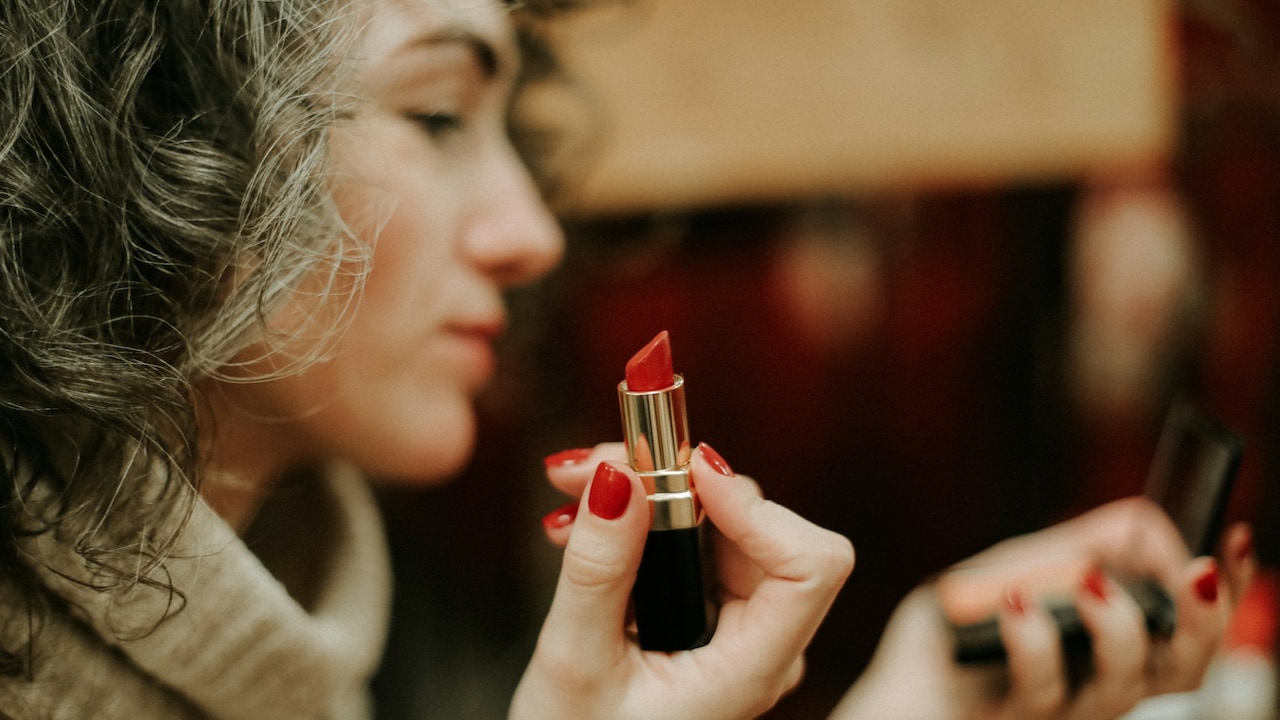
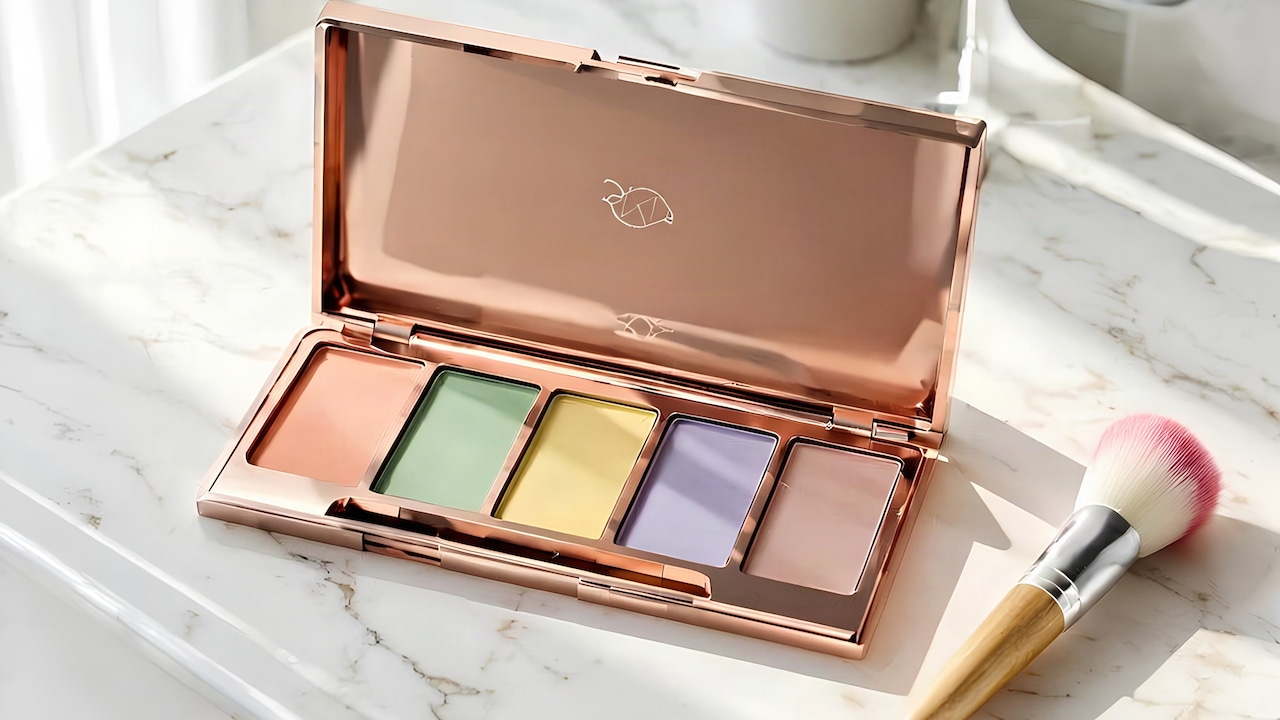
Fix patchy makeup with expert skincare and application tips for a longer-lasting, smooth look; Photo Credit: iStock
Some Makeup Products You May Like
1. Maybelline New York Fit Me Matte+ Poreless Foundation 16H Oil Control 30 ml - Ivory 115
2. Lakme Unreal Blur Perfect Primer Mattifies & Blurs Pores: Lightweight & Waterproof
3. L'Oréal Paris Infallible 32H Matte Cover Liquid Foundation
4. FACES CANADA 3-In-1 Smoothen Moisture Perfect Dewy Primer With Hyaluronic Acid
5. M.A.C Prep + Prime Natural Radiance Primer
6. Colorbar XOXO Everlasting Intense Hydrating Foundation with Hyaluron
7. SWISS BEAUTY Long-Lasting Makeup Fixer Natural Spray - Aloe Vera With Vitamin E
8. Daily Life Forever52 Translucent Loose Setting Powder
So, the next time you find your foundation looking less than perfect, take a deep breath, grab your sponge, and give these fixes a try. In just two minutes, you can turn your patchy foundation issues into a flawless finish. And remember, makeup should be fun, not stressful. With a little knowledge and practice, you'll soon be able to rock that fresh, dewy look with confidence. Shop now on Myntra
Frequently Asked Questions (FAQs)
1. Why does my foundation separate after a few hours?
This can happen if you use too much product, sweat too much, use the wrong product for your skin type, and/or oil up over time.
2. Should I moisturise before applying makeup?
Yes, moisturisation helps to make a base smoother and keep the foundation on any dry skin.
3. How can I make my makeup last longer in humid weather?
With thicker makeup and heavy cosmetics, the only way to achieve longer wear in humid environments is to use lighter products, apply the makeup in thinner layers and set it correctly.
4. Why does my makeup look cakey in the afternoon?
Sometimes cakey makeup occurs because too much is used when applied or multiple layers are applied when retouching without eliminating the excess oil.
5. Can primer help prevent patchy makeup?
Yes, a primer can certainly add to smoothness, toning and adhesion of skincare products to the skin.
(Disclaimer: This article may include references to or features of products and services made available through affiliate marketing campaigns. NDTV Convergence Limited (“NDTV”) strives to maintain editorial independence while participating in such campaigns. NDTV does not assume responsibility for the performance or claims of any featured products or services.)