Why Your Skin Breaks Out After 'Good' Products, Ingredient Conflicts Explained
Premium skincare can still trigger breakouts when powerful ingredients clash, overload the skin barrier, or fail to suit your skin type. Understanding these conflicts helps prevent irritation, wasted money, and frustrating flare-ups.
10 common reasons behind good skincare products doing more harm than good
Few things feel more disappointing than investing in skincare that promises radiance, only to wake up with angry pimples and irritated skin. It's a familiar story. A carefully chosen vitamin C serum, a trending exfoliant, or a luxury moisturiser enters the bathroom cabinet with hope, only for skin to stage a dramatic protest. The immediate assumption often points fingers at the product itself. Yet many “good” products are not inherently harmful. In fact, several contain scientifically backed ingredients that genuinely improve skin health. The real issue often emerges from how these products interact with each other, how often they are used, or whether they suit individual skin needs.

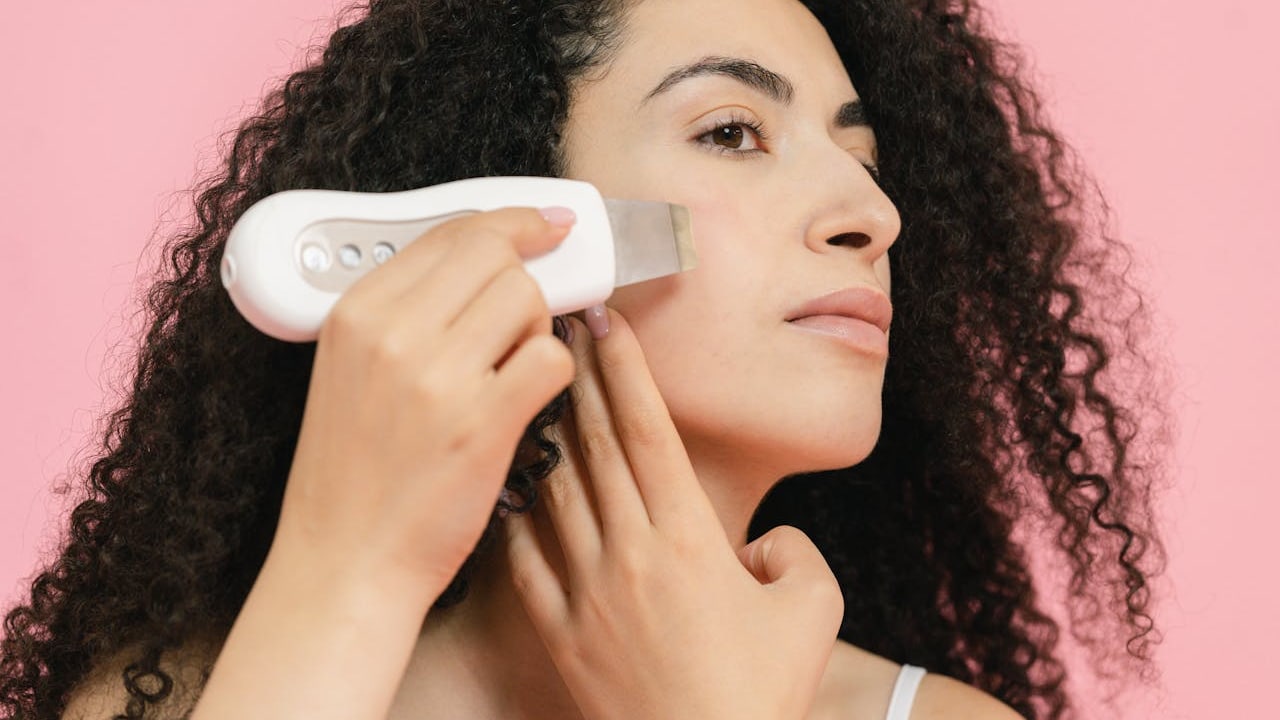
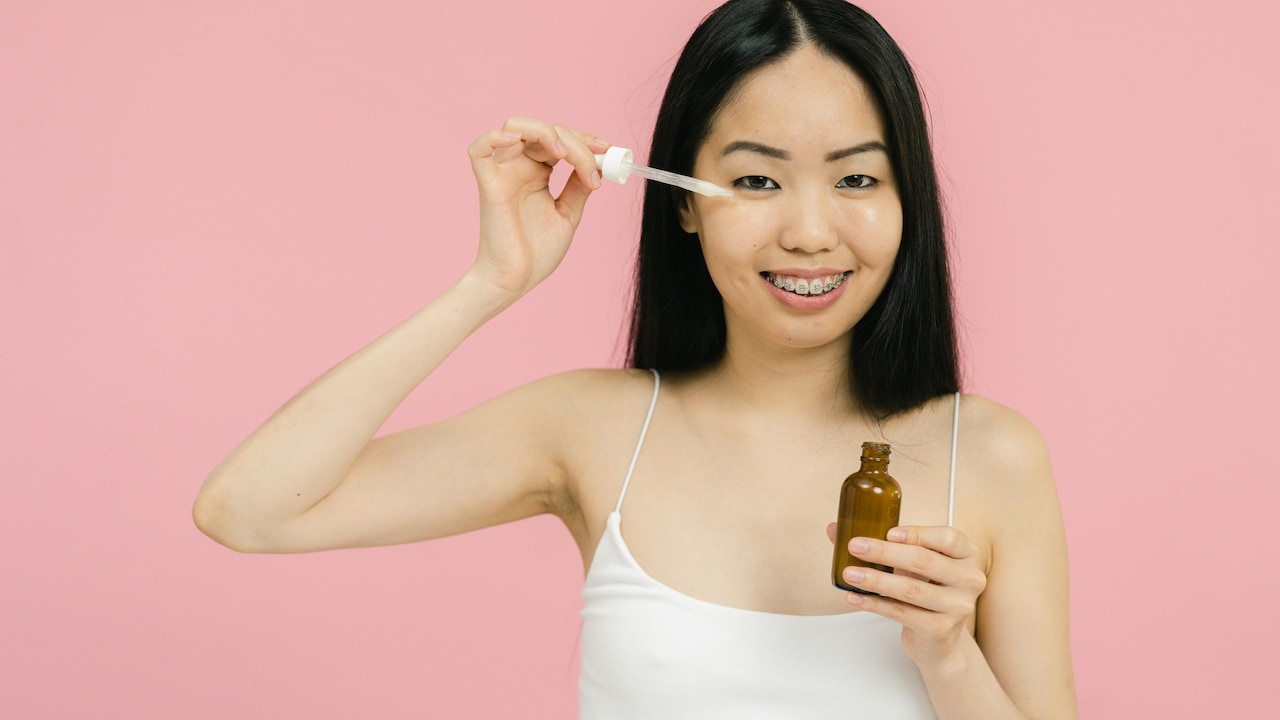
Why do some amazingly good products cause breakouts; Photo Credit: Pexels
Skincare today resembles a complicated chemistry lesson disguised as self-care. Active ingredients such as retinol, AHAs, BHAs, niacinamide, peptides, and vitamin C all offer benefits, but combining them carelessly can overwhelm skin. Add heat, pollution, stress, hormonal shifts, and inconsistent routines, and even premium products can trigger breakouts.
Healthy skin thrives on balance, not overload. Understanding ingredient conflicts can prevent unnecessary flare-ups, reduce wasted spending, and help build routines that actually work. Because sometimes, glowing skin doesn't need more products. It simply needs fewer mistakes.
Also Read: 6 Step Summer Skincare Routine: Get Clean, Moisturised, And Sun Safe Skin
The Hidden Reasons ‘Good' Skincare Can Backfire
Too Many Active Ingredients Can Overwhelm Skin
Skincare marketing often convinces people that more actives equal faster results. A retinol serum for wrinkles, salicylic acid for acne, vitamin C for brightness, and exfoliating toner for texture may all sound impressive together. However, skin rarely appreciates this chemical traffic jam.
Overloading active ingredients can compromise the skin barrier, the protective shield that keeps moisture in and irritants out. Once damaged, skin becomes vulnerable to redness, dryness, sensitivity, and breakouts. Rather than healing, skin enters panic mode.
For example, using retinol alongside strong exfoliating acids can strip skin excessively. This irritation may mimic acne, causing bumps and inflammation. Many then add more acne products, worsening the cycle.
In cities where humidity, sweat, and pollution already stress skin, excessive actives can become even harsher. Sometimes, the route to clearer skin looks less like a 10-step routine and more like disciplined simplicity. A balanced approach allows skin to adapt without triggering unnecessary rebellion.
Vitamin C And Acids May Clash More Than They Cooperate
Vitamin C enjoys celebrity status in skincare, praised for brightening and antioxidant protection. Meanwhile, AHAs and BHAs tackle exfoliation, pigmentation, and clogged pores. Separately, they can perform beautifully. Together, especially when layered incorrectly, they may create irritation.
Vitamin C often requires a low pH environment to remain effective. Exfoliating acids also work at acidic levels. Combining both in one routine can intensify sensitivity, especially for reactive skin. The result may include redness, tingling, or breakouts mistaken for purging.
Imagine applying a potent vitamin C serum before stepping into blazing summer heat, after already using an acid toner. Skin may feel less “glass glow” and more “festival firecracker.”
This doesn't mean these ingredients should never coexist. Proper timing matters. Many dermatologists recommend vitamin C in the morning and acids at night. Strategic separation often preserves benefits while minimising drama. Skincare, much like cooking, depends heavily on timing and combinations rather than simply good ingredients.
Retinol Can Trigger Purging Or Irritation
Retinol remains one of the most effective ingredients for acne, ageing, and skin renewal. Yet its introduction often feels like inviting a strict gym trainer into a relaxed lifestyle. Skin may initially resist.
Retinol accelerates cell turnover, which can bring underlying congestion to the surface. This process, known as purging, can look alarming. Small pimples, dryness, and peeling may emerge before improvement appears. However, excessive use or pairing with harsh ingredients can cause true irritation instead.
The difference matters. Purging typically occurs in breakout-prone areas and improves gradually. Irritation spreads unpredictably, often accompanied by burning or severe redness.
Many users make the mistake of applying retinol nightly from day one, assuming faster use means faster results. In reality, gradual introduction works far better. Twice weekly often proves a smarter starting point.
Patience becomes essential here. Retinol rewards consistency, not aggression. Skin prefers measured commitment over sudden intensity.
Fragrance And Essential Oils Can Secretly Aggravate Skin
A product may smell luxurious, like a spa bottled into a cream jar, but fragrance often hides trouble beneath its pleasant surface.
Artificial fragrances and certain essential oils can trigger irritation, allergic reactions, or clogged pores, particularly for sensitive or acne-prone skin. Lavender, citrus oils, and heavily perfumed moisturisers may create subtle inflammation that worsens over time.
Consumers frequently associate fragrance with quality. A ₹2,500 moisturiser that smells divine may feel premium, yet skin often prioritises formulation over sensory appeal.
Repeated exposure to irritating fragrance compounds can weaken the skin barrier, leading to redness, bumps, or worsening acne. This proves especially problematic when combined with active treatments already stressing the skin.
Fragrance-free products may seem less glamorous, but they often support calmer skin. Sometimes, skincare's true luxury lies not in exotic scents but in peace and predictability.
Heavy Moisturisers May Clog Certain Skin Types
Hydration remains essential, but not every moisturiser suits every face. Rich creams packed with oils and occlusives can nourish dry skin beautifully while suffocating oily or acne-prone complexions.
Products marketed as barrier-repairing heroes often contain ingredients like shea butter, coconut oil, or thick silicones. While beneficial for some, these can trap sweat, sebum, and debris in humid conditions, leading to congestion.
A moisturiser recommended by influencers living in cooler climates may not translate well to tropical weather. Skin needs vary dramatically based on environment, genetics, and lifestyle.
Many assume breakouts mean skin needs stronger cleansers, when the real culprit may simply be an overly rich moisturiser.
Texture matters. Lightweight gel-based formulas often perform better for oily skin, while richer creams suit drier profiles. Choosing skincare should feel less like trend-following and more like understanding one's own skin behaviour.
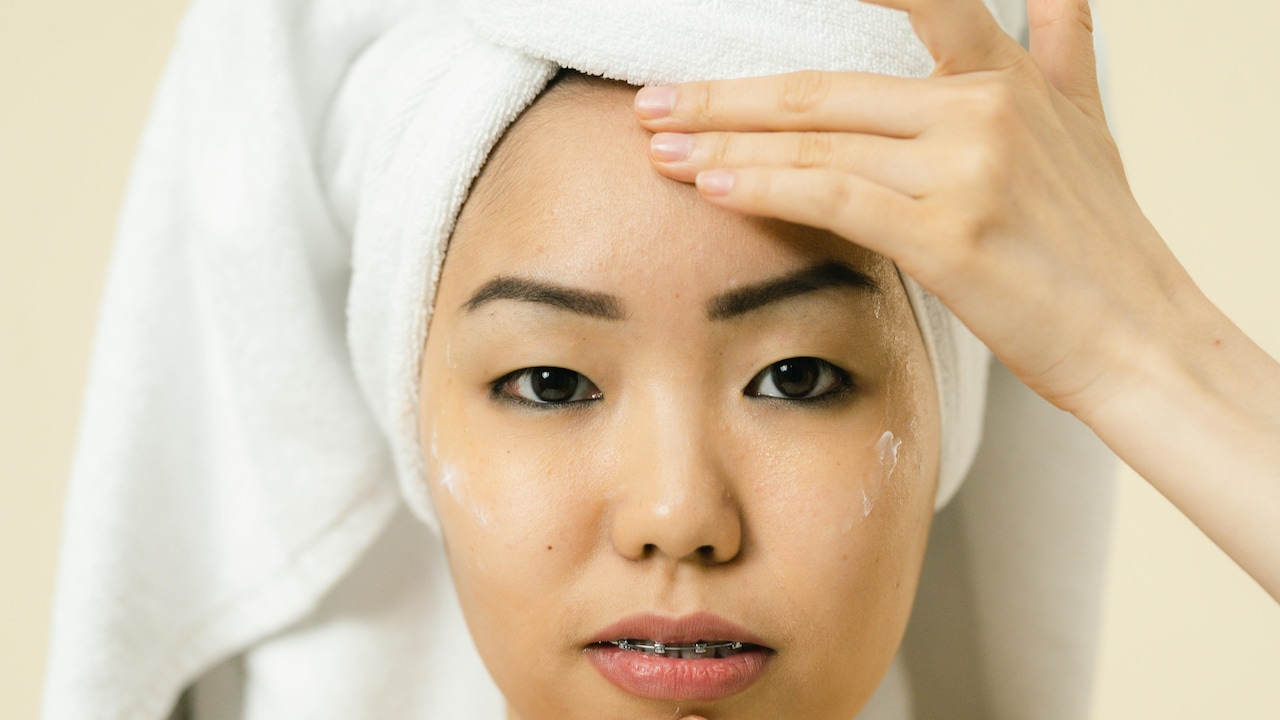
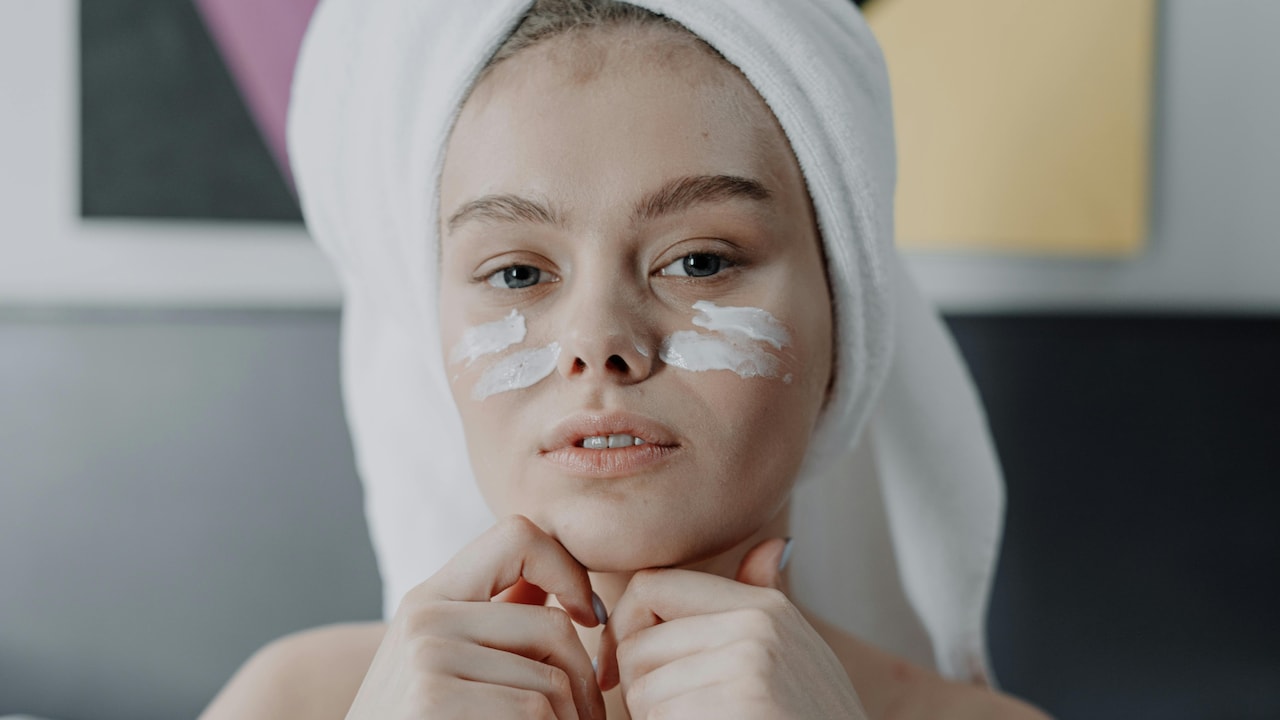
Not considering your skin type before applying products can clog pores and cause acne; Photo Credit: Pexels
Niacinamide Isn't Always The Universal Hero
Niacinamide often receives glowing praise for reducing oil, calming redness, and strengthening the skin barrier. It appears in countless serums, moisturisers, and sunscreens. Yet despite its reputation, not all skin tolerates it equally well.
High concentrations, particularly 10% or more, may trigger flushing, itching, or breakouts in some individuals. Ironically, a product marketed as soothing can become the source of irritation.
Many routines unknowingly layer multiple niacinamide products at once. A cleanser, serum, and moisturiser may collectively overload skin, even when each product seems safe individually.
This ingredient overload reflects a broader issue in skincare culture: repetition without awareness.
Moderation often works better than excess. Lower concentrations can still provide impressive benefits without provoking unnecessary reactions. Skin doesn't need every trending ingredient at maximum strength. Sometimes, restraint delivers better results than enthusiasm.
Sunscreen Layering Can Cause Unexpected Breakouts
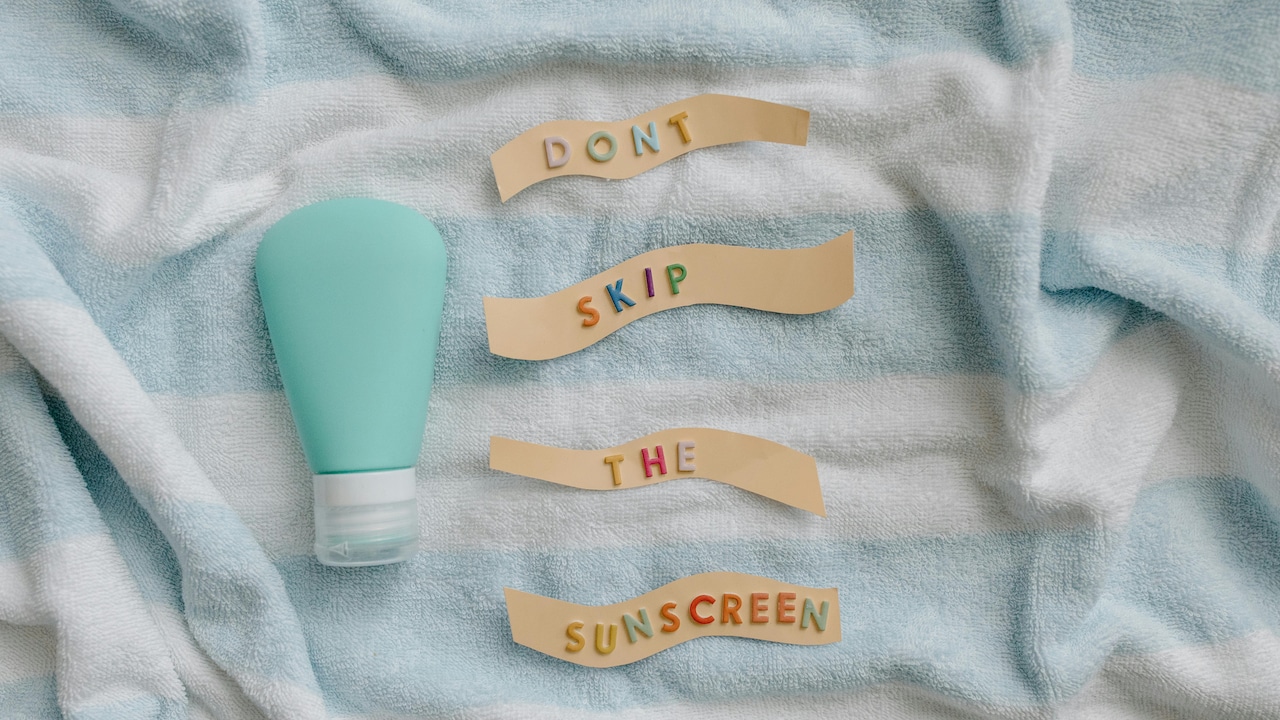
Sunscreen stands as non-negotiable skincare, particularly under harsh sunlight. Yet some formulations can trigger acne, especially when layered over incompatible products.
Heavy mineral sunscreens or greasy chemical formulas may trap oil and sweat, leading to clogged pores. Combined with rich moisturisers, primers, or makeup, skin may feel burdened by midday.
Reapplying sunscreen without proper cleansing can also create buildup. Dust, pollution, and perspiration intensify this issue.
Many abandon sunscreen after breakouts, which creates larger long-term problems like pigmentation and premature ageing. Instead, formulation adjustment usually solves the issue.
Gel sunscreens, fluid textures, or non-comedogenic options often provide better compatibility. The goal isn't avoiding sunscreen but finding one that works harmoniously with the rest of the routine.
Sun protection should defend skin, not provoke rebellion.
Over-Exfoliation Can Mimic Acne
Exfoliation promises smoother, brighter skin, but excessive enthusiasm can quickly backfire.
Physical scrubs, acid peels, and exfoliating cleansers can weaken the skin barrier when overused. This often results in redness, sensitivity, tiny bumps, and inflammation that closely resemble acne.
Many mistake this damaged state for clogged pores and respond with even more exfoliation. Unfortunately, this creates a destructive cycle.
Skin renewal takes time. Daily scrubbing rarely accelerates results. Instead, it often strips protective oils and encourages irritation.
In a culture increasingly obsessed with instant glow, restraint can feel counterintuitive. Yet healthy skin rarely emerges from aggression.
Gentle exfoliation once or twice weekly often proves sufficient for most people. Skin thrives when treated like delicate fabric, not a stubborn kitchen stain.
Product Purging And Allergic Reactions Are Often Confused
Not every breakout after a new product means disaster, but not every breakout means purging either.
Purging occurs when ingredients like retinoids or exfoliants increase cell turnover, bringing pre-existing congestion to the surface. This process generally follows predictable patterns and resolves over time.
Allergic reactions, however, involve itching, swelling, rashes, or painful irritation. These symptoms indicate incompatibility rather than adjustment.
Confusing the two can prolong skin damage. Persisting through a harmful reaction under the belief that “it gets worse before it gets better” can worsen inflammation significantly.
Understanding skin's signals becomes essential. Temporary purging often stays localised. Allergic responses demand immediate discontinuation.
Skincare success relies not just on product choice but on observation, patience, and responsiveness.
Simpler Routines Often Deliver Better Results
The beauty industry thrives on complexity. Multi-step regimens, endless serums, and trendy launches create the illusion that more effort guarantees better skin.
In reality, many complex routines introduce unnecessary opportunities for irritation, ingredient conflict, and confusion.
A gentle cleanser, targeted treatment, moisturiser, and sunscreen often outperform cluttered shelves packed with conflicting formulas.
Simplifying skincare also makes financial sense. Rather than spending ₹15,000 on experimental products, strategic investment in essentials often delivers stronger long-term results.
Skin health resembles fitness more than fashion. Consistency, balance, and suitable choices matter far more than novelty.
Good skincare doesn't need to feel exhausting. Often, the best routine is one that the skin can comfortably tolerate every day.
Products Related To This Article
1. Himalaya Sun Protect+ Ultra Light Sunscreen
2. Bio-Collagen Overnight Mask, 4 Pack Facial Collagen Lifting Hydrogel Masks
3. Dark Spot Correcting Glow Serum 50Ml
4. Hyphen 18% Brightening + 20% Collagen Face Serum | Double Shot Serum
5. L'Oreal Paris Glycolic Bright 8%
6. Deconstruct 10% Vitamin C Serum for Oily Skin
7. CETAPHIL Bright Healthy Radiance Brightening |Glow Serum
When skin breaks out after using “good” products, disappointment often masks a deeper truth: quality alone doesn't guarantee compatibility. Even excellent ingredients can create problems when combined poorly, overused, or mismatched with individual skin needs.
Modern skincare offers extraordinary possibilities, but it also demands informed choices. Ingredient conflicts, over-exfoliation, barrier damage, and product overload frequently explain why promising routines fail.
The path to healthier skin rarely involves chasing every trend. Instead, it rewards patience, moderation, and understanding. Listening to skin, introducing products gradually, and respecting balance often produce far better results than aggressive experimentation.
Glowing skin isn't about owning the most expensive shelf. It's about creating harmony where science, simplicity, and self-awareness meet. Sometimes, less truly does glow more.
(Disclaimer: This article may include references to or features of products and services made available through affiliate marketing campaigns. NDTV Convergence Limited (“NDTV”) strives to maintain editorial independence while participating in such campaigns. NDTV does not assume responsibility for the performance or claims of any featured products or services.)