How to Choose the Right Non-Fiction Book: A Proven Guide to Beat a Reading Slump
This practical guide helps you pick non-fiction that fits your attention span, interests, and routine - so you enjoy reading consistently and stop stacking up unfinished books with guilt.

Stuck In A Reading Slump? Discover A Proven Non-Fiction Book Selection Guide That Works.
A slump sneaks in quietly. One day, the bedside stack looks hopeful. The next day, every title feels like homework. The brain craves novelty, yet the hands keep opening books that demand too much energy. Add a long commute, family WhatsApp pings, and the classic “just one episode” trap, and reading slips down the list. Non-fiction can revive the habit fast if the book fits. The right book makes you look up mid-page and grin, because a sentence clicks with life outside the paper. The wrong one drains the will to turn a page. This guide offers a simple, repeatable way to choose well. This guide helps you select non-fiction books aligned with your attention span, interests, and schedule, increasing reading satisfaction and completion rates.

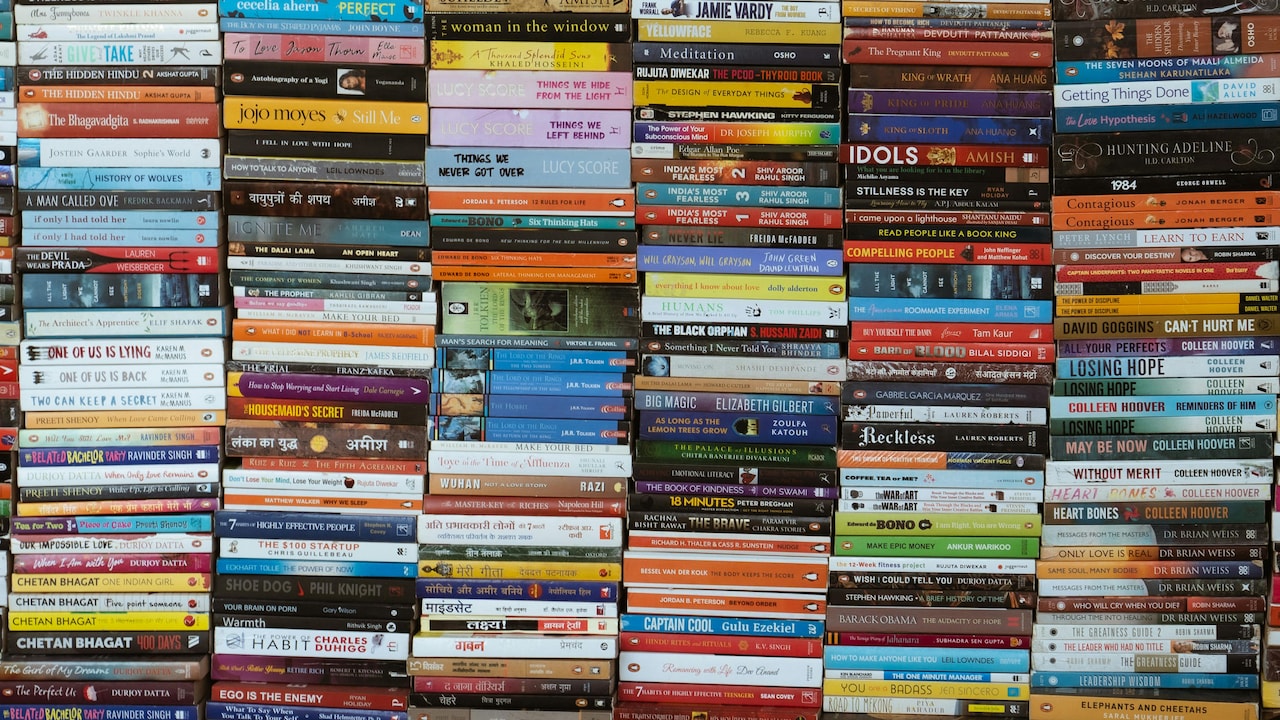
Non-Fiction Book Selection Guide: 10-Step Method to Get Back Into Reading; Photo Credit: Pexels
Your 10-Step Non-Fiction Selection Guide To Beat Any Reading Slump
1) Name the “Why” in One Line
Before hunting for titles, decide what the next book must do for you. Keep it blunt. Try: “help manage money better”, “understand fitness without bro-science”, “learn to speak well at work”, or “make sense of history without yawning”. This one line acts like a filter. It stops shiny covers from hijacking the choice.
A strong “why” also saves time. Without it, the search turns into endless scrolling and second-guessing. With it, even a small bookshop visit feels organised. Grab three options that match the line and ignore the rest, even if a celebrity blurb winks at you.
Make the “why” realistic for the week ahead. A packed month may suit short, practical chapters. A calmer phase can handle deeper ideas. The goal stays simple: choose a book that supports life right now, not an imaginary version of it.
2) Match the Book to Your Attention Span, Not Your Ego
Many slumps start with ambition. Someone picks a dense 600-page “must-read” and expects nightly progress. Then real life happens: traffic, overtime, guests, fatigue. The book stays shut. Guilt arrives. Reading starts to feel like a moral failure.
Swap ego for accuracy. Ask: How long can attention hold on a normal day? Ten minutes? Twenty? An hour on weekends? Choose accordingly. Short chapters, clear headings, and practical summaries suit scattered days. Narrative non-fiction, true stories with momentum, help when focus keeps wandering.
A simple test works: read the first two pages (sample, preview, or in-store). If the mind drifts twice, move on. No drama. That book may suit a different season.
Reading should feel like chai on a rainy evening, not like a surprise viva. Pick the book that fits the brain you have today.
Also Read: 5 Fiction Books Under ₹500, From Never Lie To White Nights, That Are Surprisingly Addictive
3) Use the “Two-Page Chemistry” Test
Non-fiction needs chemistry, just like fiction. The voice either pulls you in or pushes you away. This matters more than reviews, awards, or bestseller lists.
Open any candidate and do a two-page test. Look for three things. First, clarity: does the author explain ideas without showing off? Second, tone: does the writing feel friendly, curious, or at least respectful of your time? Third, rhythm: do sentences move, or do they trudge like a queue at a government office on a Monday?
Watch for warning signs. Too many buzzwords in one paragraph usually means trouble. Endless name-dropping can feel like a seminar nobody asked for. Overly dramatic claims like “everything you know is wrong” often hide thin evidence.
If the two pages make you nod, smile, or think, “okay, continue,” buy or borrow it. If not, leave it behind without guilt. Chemistry matters.
4) Choose One Primary Promise, Not Ten
Some books try to do everything: productivity, leadership, happiness, nutrition, investing, relationships, spirituality, and maybe space travel. That sounds exciting, but it often creates a mushy reading experience. The brain cannot grip the main thread, so it drops the book.
Pick non-fiction that makes one strong promise and sticks to it. For example: “build a habit”, “understand inflation”, “write better”, “sleep well”, “communicate confidently”. A focused promise creates steady progress. Each chapter feels like a step, not a detour.
This also helps with value for money. A ₹399 paperback that delivers one skill well beats a ₹899 brick that delivers vibes. Look at the table of contents. If every chapter title sounds like a motivational poster, reconsider. If chapter titles sound like clear actions or questions, that's a good sign.
A focused book gives quick wins, and quick wins break slumps. Simple as that.

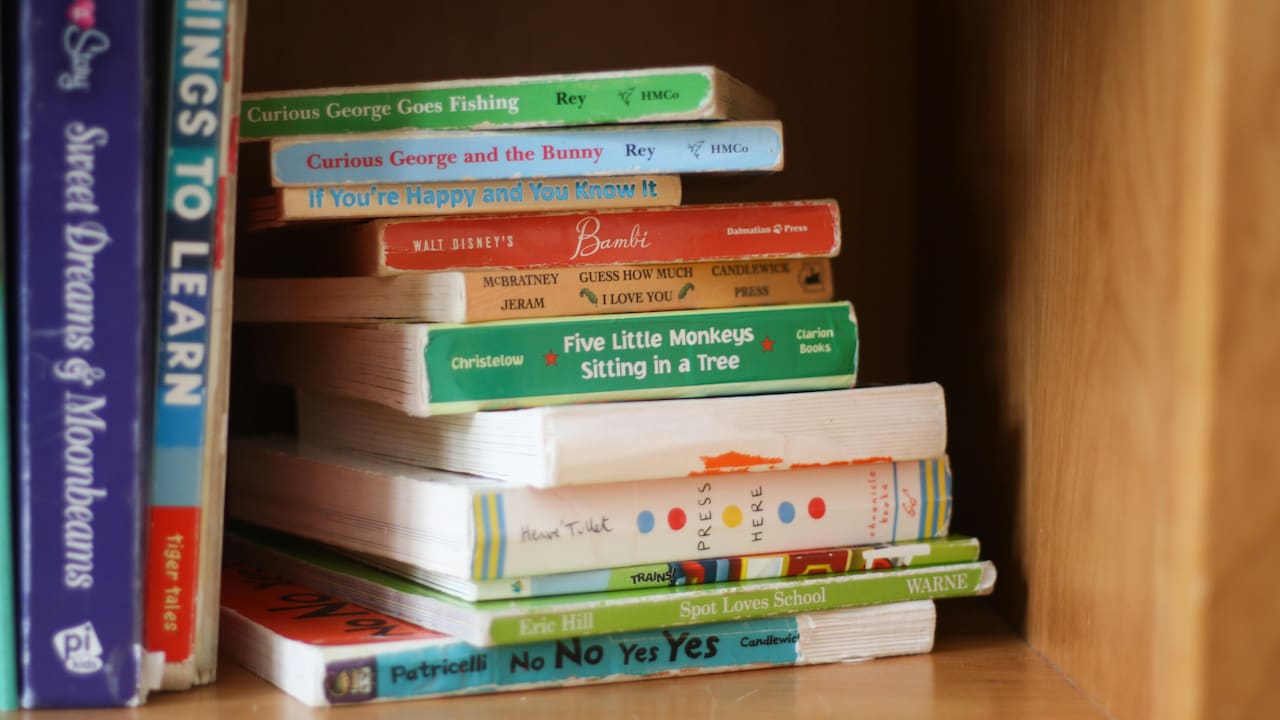
Non-Fiction Book Selection Guide: 10-Step Method to Get Back Into Reading; Photo Credit: Pexels
5) Prefer Authors Who Show Their Work
Non-fiction should earn trust. A charming tone helps, but evidence seals the deal. Look for authors who explain where ideas come from. They may cite studies, interviews, case examples, or personal experiments, then admit limits.
Trust grows when an author says, “This works for many people, not all,” or “the data suggests, not proves.” That honesty feels refreshing in a world full of loud certainty. It also protects you from books that sell magic solutions with zero grounding.
Check for practical signals. Do chapters include references, notes, or sources? Does the author define terms instead of tossing jargon around? Do examples feel real, like office meetings, family dynamics, budgeting, or health routines that resemble everyday life?
Even in lighter books, a serious author avoids sweeping claims. When the writer respects your intelligence, you read with ease. The slump lifts because the mind feels safe investing attention.
6) Build a “Three Shelf” System: Learn, Live, and Laugh
A slump often comes from monotony. Reading only self-help can feel like a constant performance review. Reading only business books can feel like an endless Monday. Add variety with a simple three-shelf approach.
Learn: books that teach a topic, science, history, economics, psychology, and technology.
Live: books that improve daily life, money, health, habits, parenting, work skills, and communication.
Laugh: books that entertain while informing, memoirs, travelogues, culture, food writing, sports stories.
Rotate shelves. After a “Learn” book, pick “Laugh”. After an intense “Live” book, choose a narrative from “Learn” that reads like a story. This keeps curiosity fresh and reduces burnout.
This method also makes book-buying smarter. Instead of buying five titles from one mood, buy one from each shelf. Even with a modest monthly budget, say ₹500–₹800, variety increases the odds that at least one book grabs you immediately.
7) Pick the Right Format: Paper, Audio, or E-book Without Shame
Reading counts in many forms. A slump often disappears when the format matches the routine. Long commutes, chores, and walks suit audiobooks. Late-night reading suits e-books with an adjustable font. Weekend afternoons suit paperbacks and underlined notes.
Instead of forcing one “proper” style, choose what works. Someone stuck in Bengaluru traffic may finish two audiobooks a month. Someone with tired eyes may enjoy large text on a device. Someone who loves scribbling thoughts may prefer print.
Budget matters too. Many e-book deals hover around ₹99–₹299. Libraries and shared subscriptions can reduce costs further. A smart reader treats format like footwear: choose what fits the terrain.
Also, test the narrator for audio. A great voice turns information into a friendly conversation. A dull one can ruin even a brilliant book.
The goal stays the same: more completed books, fewer stalled starts, and a happier brain.

Non-Fiction Book Selection Guide: 10-Step Method to Get Back Into Reading; Photo Credit: Pexels
8) Use “Companion Content” to Stay Hooked
Non-fiction competes with reels, matches, memes, and cricket highlights. Expect distractions. Plan for them. Companion content keeps momentum without feeling like extra work.
Try pairing the book with one small ritual. Read ten pages with morning chai. Listen to a chapter while cooking dal. Note one surprising idea in a phone memo. Tell a friend one takeaway during a lunch break. This turns reading into a social and sensory habit, not a lonely task.
Some books offer exercises. Choose just one exercise, not all. Completing a small action creates satisfaction and anchors the ideas. For example: track expenses for three days, practise one conversation script, or test one sleep rule for a week.
Avoid turning reading into a project plan with colour-coded trackers. That can kill joy. Keep it light and repeatable. Momentum matters more than perfection.
When the book starts showing up in daily life, the slump has no space to linger.
9) Follow the “Rule of 40”: Quit Early, Quit Kindly
A reading slump becomes sticky when half-finished books pile up. Many readers keep pushing because they “should” finish. That mindset turns reading into punishment.
Use the Rule of 40: if a book hasn't clicked by 40 pages (or 40 minutes in audio), consider quitting. Not every book suits every reader at every moment. The author and the reader simply failed to meet in the middle.
Quitting kindly means learning something from it. Ask: Did the book feel too slow, too complex, too repetitive, too preachy? That answer improves the next pick. Over time, patterns appear. Maybe narrative works better than lists. Maybe science writing feels easier than corporate case studies. Maybe short chapters beat long ones.
Also, keep a “later” list. Some books deserve a second chance in a different season. Quitting now doesn't mean quitting forever.
This rule removes guilt, and guilt fuels slumps. Freedom fuels reading.
10) Create a Personal “Five-Star Filter” for Future Picks
Once one good non-fiction book breaks the slump, lock in what worked. Build a personal filter with five criteria. Keep it simple and specific.
Here's a ready template:
- Voice: clear, warm, not smug.
- Structure: short chapters, strong headings, useful summaries.
- Evidence: examples, sources, or honest experience.
- Usefulness: at least one takeaway per chapter.
- Delight: occasional humour, surprise, or a “wow, never thought of that” moment.
Rate each candidate quickly in your head. A book that hits four out of five deserves a try. A book that hits two out of five belongs back on the shelf.
This filter also helps when someone recommends a “life-changing” title. A recommendation can still miss your taste. The filter protects your time.
Over weeks, this approach builds a personal reading identity. The slump doesn't just end. It struggles to return.
Products Related To This Article
1. THINK STRAIGHT: Change Your Thoughts, Change Your Life
2. Atomic Habits: The life-changing million copy bestseller
3. The Power of Your Subconscious Mind: Original Classic Edition
4. Courage To Be Disliked, The: How to free yourself, change your life and achieve real happiness
5. The Mountain Is You: Transforming Self-Sabotage Into Self-Master
6. Dopamine Detox: A Short Guide to Remove Distractions and Get Your Brain to Do Hard Things
7. The AI-Driven Leader: Harnessing AI to Make Faster, Smarter Decisions
A reading slump doesn't need a grand comeback story. It needs one well-chosen book that feels easy to start and satisfying to continue. This guide makes that choice repeatable: set a clear “why”, match attention span, test chemistry, pick focus, trust evidence, rotate genres, choose the right format, build small rituals, quit kindly, and refine a personal filter. Soon, reading stops feeling like a chore and starts feeling like a treat again, like finding a perfect snack at a highway dhaba when hunger hits at the right time.
(Disclaimer: This article may include references to or features of products and services made available through affiliate marketing campaigns. NDTV Convergence Limited (“NDTV”) strives to maintain editorial independence while participating in such campaigns. NDTV does not assume responsibility for the performance or claims of any featured products or services.)








![Skyculture® Pehla Ganith Path Cloth Book - Hindi [Rag Book]](https://m.media-amazon.com/images/I/41c D1LvNHS._SL160_.jpg)