Do Smart Bulbs Work With Every Switch? 10 Lighting Myths Explained
Smart bulbs are convenient, but do they work with every switch? From dimmers and Wi-Fi to energy use and fittings, here are 10 common smart lighting myths explained clearly.
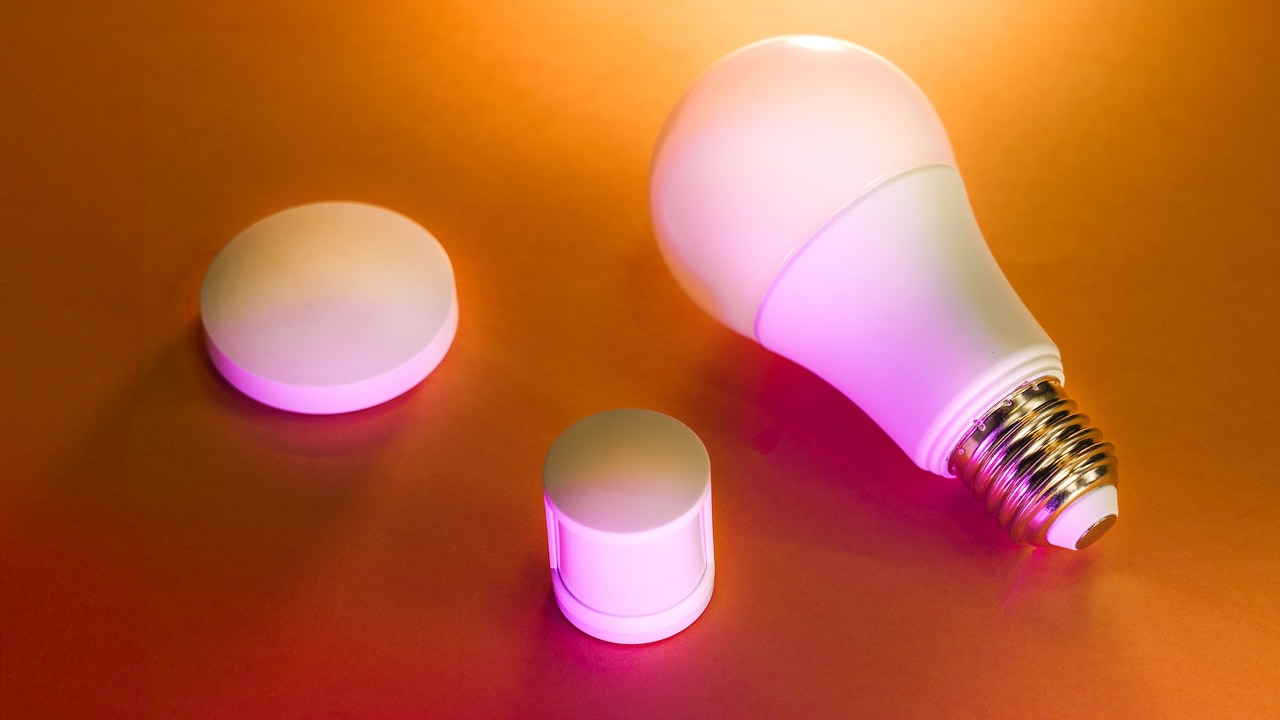
Do Smart Bulbs Work With Every Switch? 10 Lighting Myths Explained
A light bulb used to have one job: glow when the switch went on. Then smart lighting arrived and gave the humble bulb a rather ambitious CV. Today's smart bulbs can change colour, dim themselves, follow schedules, respond to voice commands and even make a living room look ready for a film night before the popcorn reaches the bowl. The convenience sounds brilliant, but smart lighting also attracts plenty of myths. Some people assume every smart bulb works with every wall switch. Others fear that leaving a switch on all day wastes a shocking amount of electricity. There is also confusion around Wi-Fi, dimmers, power cuts and whether expensive smart bulbs genuinely save money.
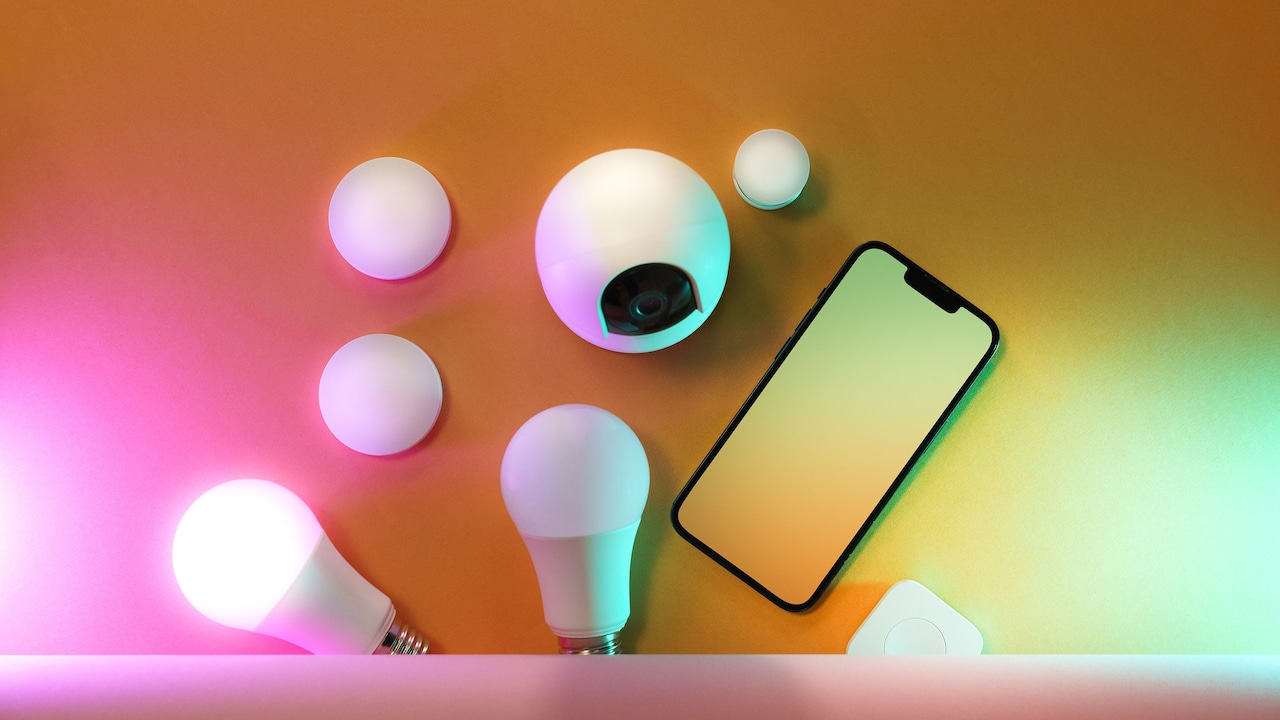
Do Smart Bulbs Work With Every Switch? 10 Lighting Myths Explained
Photo Credit: Pexels
The reality sits somewhere between clever technology and ordinary electrical common sense. Smart bulbs are easy to use when the fitting, switch and control system suit them. When they do not, the experience can become less “smart home” and more “why is the bedroom light blinking again?” Here are ten lighting myths worth clearing up.
Also Read: Save Power And Boost Security: Why Motion Sensor Lighting Is The Smartest Upgrade For Your Home
10 Smart Lighting Myths You Should Stop Believing
1. Myth: Smart Bulbs Work With Every Wall Switch
A smart bulb can fit many ordinary light fittings, but that does not mean it works perfectly with every type of wall switch.
Most smart bulbs need a constant electricity supply so their wireless electronics can stay ready for commands. A traditional switch physically cuts that supply when turned off. Once someone flips the wall switch off, the bulb loses power and disappears from the app. Saying “turn on the bedroom light” will achieve nothing until someone switches the electricity back on.
This catches many first-time buyers by surprise. Imagine installing a smart bulb in the living room, teaching everyone to use an app, then watching a visiting relative instinctively hit the wall switch. Suddenly, the clever ₹1,000 bulb becomes an ordinary bulb with no electricity.
Standard on-off switches generally work well as long as they remain switched on. Smart switches, wireless remotes and compatible scene controllers offer a neater solution because they can control the bulb without disconnecting its power.
So yes, the fitting may accept the bulb. The switch, however, still matters.
2. Myth: Any Dimmer Switch Will Work With A Smart Bulb
Traditional dimmer switches and smart bulbs do not always make happy roommates.
A conventional wall dimmer changes the electrical power flowing to a bulb. That approach works with compatible dimmable LEDs, but smart bulbs usually expect a steady power supply. Their internal electronics handle brightness digitally instead. Connecting one to an incompatible dimmer can cause flickering, buzzing, erratic behaviour or a bulb that refuses to operate properly.
There is an amusing contradiction here. People often buy a smart bulb precisely because it can dim from an app, then connect it to a wall dimmer that tries to perform the same job in an entirely different way.
The safer approach involves checking the manufacturer's compatibility guidance before installation. In many setups, a normal on-off switch left permanently on works better. Brightness can then come from the bulb's app, a voice assistant, a compatible wireless controller or an automation.
Some smart lighting systems also offer purpose-built dimmer controls. These communicate with the bulb instead of starving it of electricity.
Smart dimming works beautifully, but two different dimming systems fighting over one bulb rarely create a relaxing ambience.
3. Myth: Smart Bulbs Stop Working Completely Without Wi-Fi
No Wi-Fi does not automatically mean no light.
A smart bulb still has an electrical lighting function, and many models retain at least some basic control during an internet outage. What disappears depends on how the bulb communicates. Some Wi-Fi bulbs may lose remote app features or cloud-based voice commands when the broadband connection fails. Bulbs using Bluetooth, Zigbee, Thread or another local communication method may continue to offer more functionality within the home.
The important distinction lies between internet access and local control. They are not always the same thing.
Suppose the router decides to restart just as dinner reaches the table. A properly configured smart lighting system should not turn the dining room into a cave. The wall switch can often restore basic lighting, while locally controlled systems may continue handling routines and commands.
However, buyers should check exactly what their chosen bulb does when the internet disappears. Products that depend heavily on cloud services can lose more features than locally controlled alternatives.
Smart lighting should make everyday life easier. A temporary broadband problem should not require eating dinner by mobile-phone torch.
4. Myth: Leaving A Smart Bulb Switched On Wastes Huge Amounts Of Electricity
Smart bulbs need a small amount of standby power while waiting for wireless commands, but the figure is generally tiny compared with the electricity consumed while producing light.
The confusion comes from the phrase “leave it switched on”. With a smart bulb, the wall switch often remains on while the bulb itself sits digitally off. Its communication electronics still need enough energy to listen for an app, schedule or voice instruction.
That does create standby consumption, but it does not mean the bulb draws its full lighting wattage throughout the day.
Electricity savings still depend far more on sensible use. Leaving ten bright lamps glowing unnecessarily for hours will outweigh small standby losses. Scheduling lights to switch off at bedtime, reducing brightness when full illumination is unnecessary and using efficient LED technology can make a much bigger difference.
The effect on a household bill will vary with the bulb, usage pattern and local electricity tariff. Smart features can encourage better habits, but they cannot defeat careless ones.
Think of standby power as the bulb keeping one ear open, not throwing an all-night party on the electricity meter.
Do Smart Bulbs Work With Every Switch? 10 Lighting Myths Explained
Photo Credit: Pexels
5. Myth: Smart Bulbs Always Save Money
A smart bulb can help reduce electricity use, but buying one does not automatically create financial savings.
Most smart bulbs use LED technology, which already consumes far less electricity than old incandescent lighting. Their additional advantage comes from control. Schedules can switch forgotten lights off. Dimming can reduce unnecessary brightness. Automations can stop a balcony or corridor lamp from glowing until sunrise simply because nobody remembered it.
Yet the purchase price matters. A regular LED bulb may cost a fraction of a feature-packed smart model. Replacing every bulb in a three-bedroom home at once could therefore turn into a sizeable expense.
The strongest financial case often appears in rooms where automation genuinely changes behaviour. A porch light that follows sunset times, a child's room where lights frequently stay on, or a hallway controlled through schedules may benefit more than a storeroom opened twice a week.
There is also value beyond the electricity bill. Convenience, ambience and accessibility can justify the extra cost for some households.
Smart bulbs can support savings. They are not tiny accountants hiding in ceiling fixtures and calculating guaranteed returns.
6. Myth: Every Smart Bulb Fits Every Light Holder
A bulb can possess impressive software and still fail the oldest test in lighting: fitting into the socket.
Lamp holders come in different sizes and styles. Common homes may use screw-type or bayonet-style fittings, and decorative lamps can use smaller bases. Buying a smart bulb without checking the holder can lead to the slightly embarrassing moment when an exciting new gadget simply refuses to screw or lock into place.
Physical dimensions matter too. Smart bulbs sometimes have wider bodies or heavier bases because they contain wireless components and electronics. A bulb may have the correct cap yet still struggle inside a narrow lampshade or enclosed fixture.
Voltage and fixture recommendations deserve attention as well. Manufacturers may discourage use in fully enclosed fittings because heat can build up and reduce electronic lifespan.
Before buying, checking the existing bulb provides an easy reference. Look at its base type, shape and wattage information, then compare those details with the smart bulb's specifications.
A five-minute check can prevent a return journey to the shop and the familiar household question: “Did nobody measure this first?”
7. Myth: Colour Smart Bulbs Are Only A Decorative Gimmick
Purple walls and disco-style colour changes certainly make entertaining demonstrations, but colour-capable smart bulbs can do more than decorate a room for a party.
Many models offer adjustable white colour temperatures alongside vivid colours. Cooler white light can make a workspace feel brighter and more alert during the day, while warmer tones can create a softer atmosphere in the evening. A living room can shift from practical cleaning light to a cosy film-night glow without changing a single fitting.
Colour can also act as a visual signal. A hallway bulb might turn a particular shade when a routine starts, while another light could provide a gentle reminder around bedtime. Families can create scenes for festivals, birthdays, cricket evenings or quiet reading without filling cupboards with separate decorative lamps.
That does not mean every room needs millions of colours. A kitchen may benefit more from a high-quality tunable-white bulb than a rainbow palette.
The useful feature is flexibility. Brightness, warmth and colour allow the same fixture to serve different moods and purposes throughout the day.
Sometimes blue lighting is a gimmick. Sometimes it is simply fun, and fun deserves a switch too.
8. Myth: Smart Bulbs Need A Voice Assistant
A smart speaker can make lighting convenient, but it is not compulsory.
Most smart bulbs offer another control method, such as a mobile app, wireless remote, dedicated switch or automated schedule. Voice assistants simply add another interface. They become useful when hands are full, someone has mobility difficulties or the sofa feels far too comfortable to abandon just because the lamp needs dimming.
A household can still build useful automation without speaking to a device. Bedroom lights can brighten at a chosen morning time. Outdoor lights can follow a schedule. A reading lamp can activate through a wireless button. Scenes can change several lights together from an app.
In fact, some people prefer physical controls. Guests understand a button immediately, while asking them to remember the exact phrase for “evening relaxation scene” can make turning on a lamp feel like passing an oral examination.
Voice control works best as one option among several rather than the only way to operate a room.
A genuinely convenient smart home should not require everyone to become skilled at giving commands to the ceiling before they can find their slippers.
9. Myth: Smart Bulbs Create A Complicated Home Network
Smart lighting can become complicated, but it does not have to.
A couple of Wi-Fi bulbs in a bedroom or living room may connect directly to the home router with very little fuss. Problems tend to appear when dozens of devices join the network, products from several ecosystems need separate apps, or the router struggles with coverage in distant rooms.
Other smart lighting systems use a hub or bridge. At first, an extra box sounds like additional complexity. In larger setups, however, a hub can simplify communication by allowing many bulbs to use a dedicated protocol instead of each device relying directly on Wi-Fi.
The easiest route starts with planning. Choosing one main ecosystem, checking compatibility before buying and using clear room names can prevent future confusion. “Bedroom Lamp” makes far more sense six months later than a device still called “Bulb_07”.
Strong wireless coverage also matters. No smart bulb can maintain a reliable connection from a corner where even a phone struggles to load a message.
Smart lighting does not inherently create network chaos. Random buying does. A little consistency keeps the technology pleasantly boring, which is exactly what household infrastructure should be.
10. Myth: Smart Bulbs Are Worth Installing In Every Room
Once the smart-lighting bug bites, replacing every bulb can feel tempting. That does not mean every fitting needs an upgrade.
Smart bulbs offer the greatest value where remote control, dimming, scheduling or colour changes genuinely improve daily life. Living rooms, bedrooms, entrance areas and frequently used lamps often make strong candidates. A rarely opened cupboard or utility corner may gain almost nothing from app control.
There is another practical consideration. Smart bulbs need continuous power for remote functions, so rooms where people habitually use the wall switch may become frustrating unless the control setup changes too. In such spaces, a smart switch paired with ordinary LED bulbs can sometimes make more sense.
Budget deserves a role in the decision. Instead of spending ₹10,000 or more transforming several rooms at once, starting with two or three useful locations can reveal which features actually matter. Perhaps automated warm lighting becomes indispensable. Perhaps changing colours loses its charm after a fortnight.
Smart homes work best when technology solves real annoyances.
The smartest bulb in the house may therefore be the one nobody felt obliged to install.
Do Smart Bulbs Work With Every Switch? 10 Lighting Myths Explained
Photo Credit: Pexels
Products Related To This Article
1. wipro 9-Watt B22 WiFi Smart LED Bulb with Music Sync
2. PHILIPS WiZ Neo 12W B22 Wi-Fi & Bluetooth LED Smart Bulb with Music Sync
3. Crompton Immensa 9W Bluetooth Enabled Smart Bulb B22
4. 10W Motion Sensor LED Bulb Auto
5. QUBO Smart Bulb from Hero Group | 12W B22 LED
6. Auto-ON Day/Night Sensor 9W-Cool White-Smart LED Bulbs
7. HomeMate Wi-Fi RGB+CCT Smart LED Bulb
Smart bulbs are neither magical solutions nor unnecessarily complicated toys. They are simply LED lights with additional electronics and controls, and they work best when the surrounding setup suits them.
The biggest misconception concerns the switch itself. A smart bulb usually needs continuous power, so an ordinary wall switch can easily disable its cleverest features. Traditional dimmers may also cause problems, while compatible controls, reliable connectivity and the correct fitting can make the experience remarkably smooth.
It also helps to ignore the urge to make every light “smart”. Start where automation offers a genuine benefit. A scheduled entrance light, a dimmable bedroom lamp or a living room scene may provide more everyday value than twenty connected bulbs installed simply because they can be connected.
Good lighting should disappear into daily life. It should make mornings easier, evenings calmer and dark rooms brighter without demanding constant attention.
When that happens, the technology has done its job. The bulb may be smart, but the real intelligence lies in choosing where to use it.
(Disclaimer: This article may include references to or features of products and services made available through affiliate marketing campaigns. NDTV Convergence Limited (“NDTV”) strives to maintain editorial independence while participating in such campaigns. NDTV does not assume responsibility for the performance or claims of any featured products or services.)