Does A Bigger TV Always Give A Better Viewing Experience? The Screen-Size Myth Explained
A bigger TV does not always mean better viewing. Room size, viewing distance, resolution, sound and lighting matter just as much. Here’s how to choose a screen that truly suits your space.
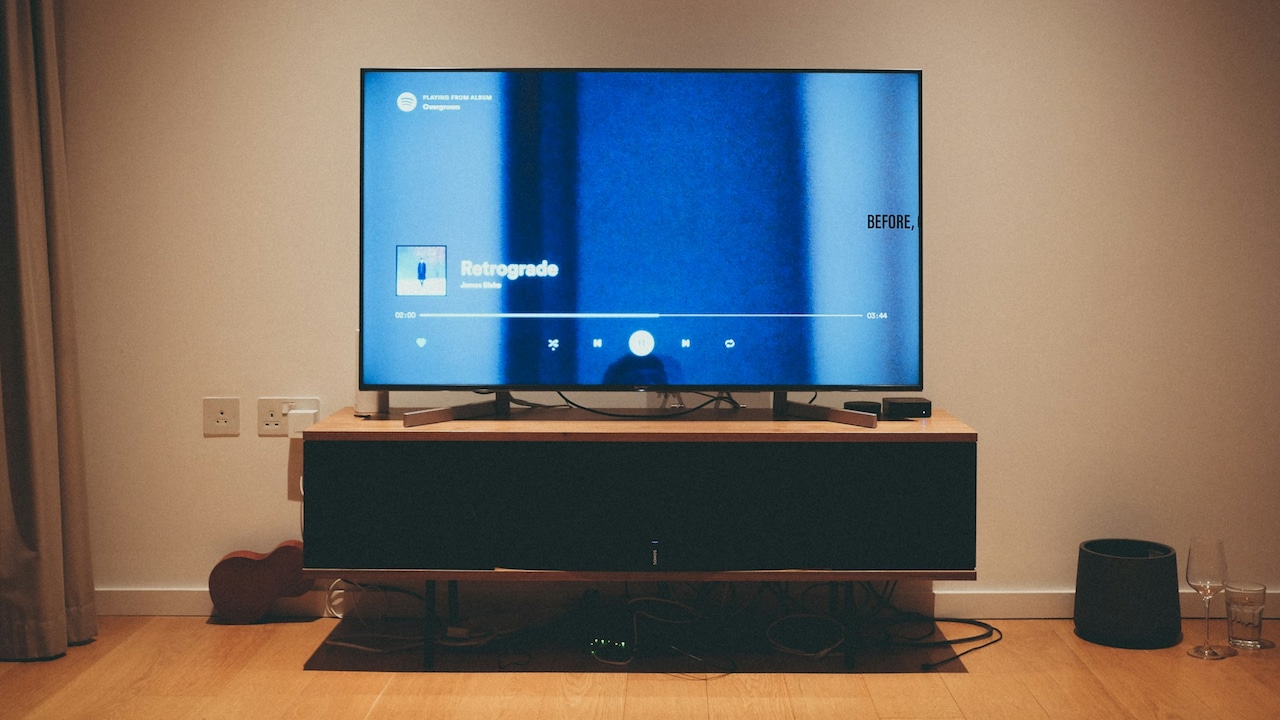
The truth about a big size TV and how it can elevate your viewing experience
Televisions have grown dramatically over the years. The bulky box that once occupied a proud corner of the living room has transformed into a slim, glossy screen that can cover half a wall. Naturally, bigger models attract more attention in showrooms. A massive display playing a colourful wildlife documentary can make a smaller television look almost apologetic beside it. That showroom effect often creates a simple belief: the larger the screen, the better the viewing experience. Reality, however, has more twists than a prime-time family drama. A television must suit the room, the viewing distance and the content. A 75-inch screen can look breathtaking in a spacious hall, yet overwhelming in a compact flat. Likewise, a well-positioned 55-inch television with excellent contrast and clear sound may feel far more immersive than a huge screen with weak picture processing.
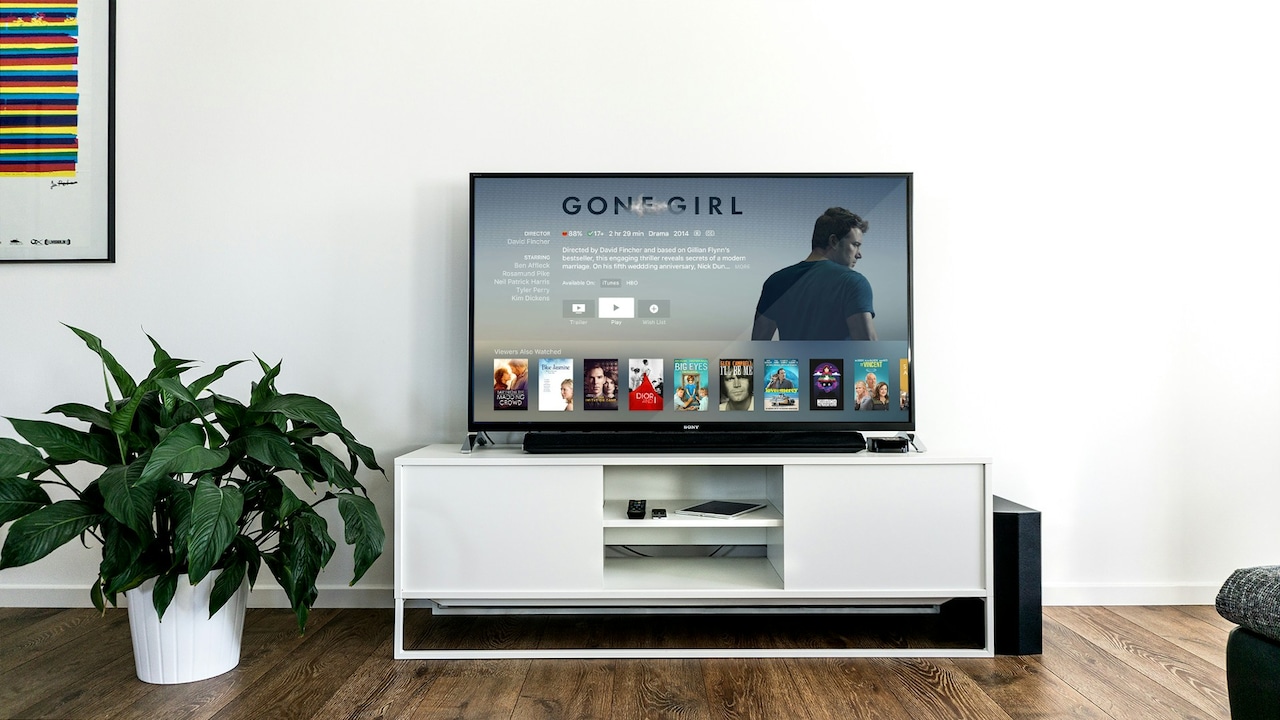
How TV size affects viewing experience
Photo Credit: Unsplash
Screen size matters, but it forms only one part of the experience. The following factors explain why buying the biggest television within budget does not always lead to the happiest movie nights.
Also Read: TCL T8D Premium QLED TV Launches On Amazon
What Really Determines A Better Viewing Experience?
Bigger Screens Need Bigger Rooms
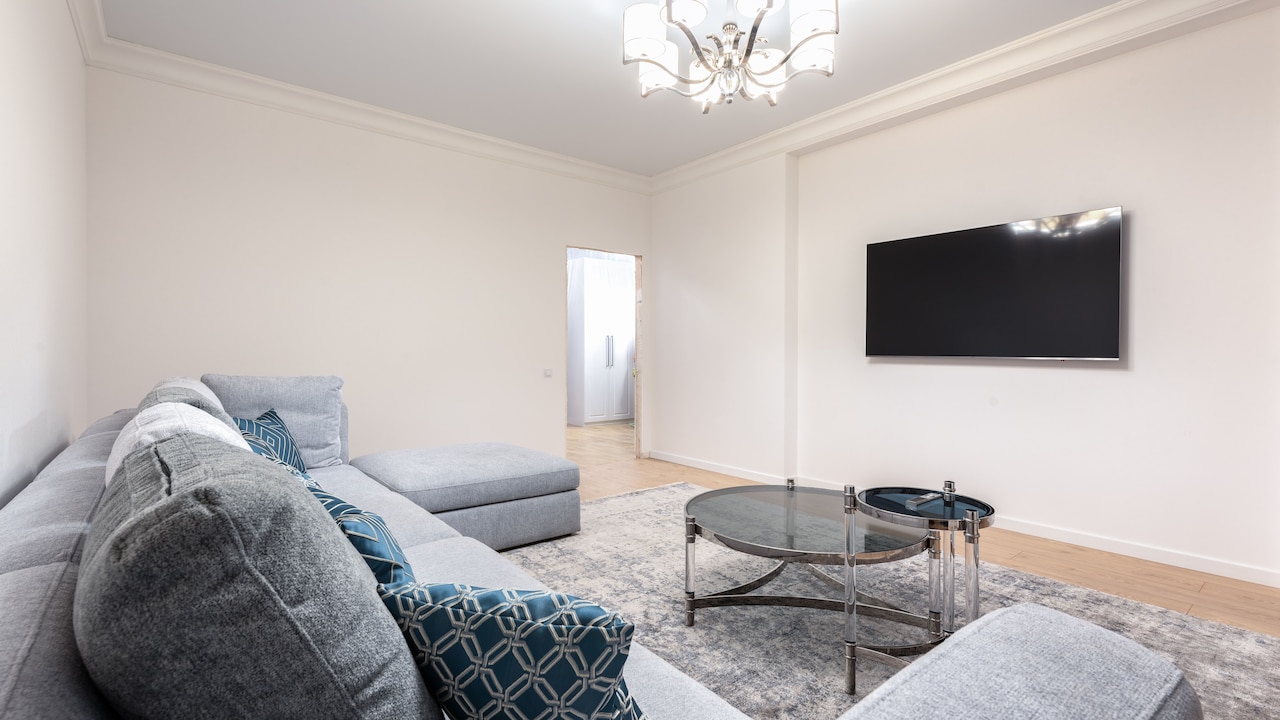
A large television requires breathing space. Place an oversized screen in a small room, and the experience can feel less like a cinema and more like sitting in the front row during an action film. Viewers may need to move their eyes constantly across the display, particularly during fast scenes or sports broadcasts.
Room proportions matter as much as the measurements written on the television box. A 65-inch screen might look perfectly balanced in a spacious living room but dominate a narrow bedroom. It can also make nearby furniture appear cramped or poorly arranged.
Consider a typical apartment where the sofa sits barely six feet from the wall. An 85-inch television may sound luxurious, but the close distance can make subtitles tiring to follow. Quick camera movements may also feel uncomfortable.
A slightly smaller screen often produces a calmer, more complete view. It allows the eyes to take in the entire frame without effort. The television should belong in the room rather than appear as though it has swallowed the room.
Viewing Distance Changes Everything
The ideal screen size depends heavily on how far viewers sit from the television. Distance affects immersion, comfort and the amount of detail that the eyes can appreciate.
Sit too far from a small screen, and important details disappear. Facial expressions become harder to notice, cricket scores require squinting, and subtitles start resembling fine print on an insurance form. Sit too close to a very large screen, and individual pixels or compression flaws may become visible.
For many homes, the seating distance offers a better starting point than budget alone. A 50-inch or 55-inch television often works well when the sofa sits around seven or eight feet away. Larger screens become more suitable as that distance increases.
Personal preference also plays a role. Film lovers may enjoy a wider field of view, while casual viewers may prefer a more relaxed arrangement.
Before buying, mark the television's dimensions on the wall with masking tape. Then sit in the usual position. This simple exercise reveals more than a showroom demonstration, where bright lights and enormous spaces distort the sense of scale.
Resolution Matters More As Size Increases
A large display magnifies both beauty and weakness. High-resolution content can look spectacular, but poor-quality video can appear noticeably worse.
A 4K television contains enough pixels to produce sharp images on most popular screen sizes. Yet the source still matters. A crisp 4K film from a good streaming service may show fabric textures, facial details and landscape depth beautifully. An old standard-definition television serial, on the other hand, may look stretched and blurry across a huge screen.
Many households watch a mixture of content. Weekend films may arrive in 4K, while news channels, regional programmes and older videos may use lower resolutions. A larger television exposes compression, noise and soft edges more easily.
Good upscaling can improve low-resolution content, but it cannot create detail that never existed. Premium processors often handle this task better than basic models.
Therefore, a smaller television with strong image processing may produce a cleaner picture than a bigger, cheaper model. Size increases impact, but resolution and processing decide whether that impact feels impressive or merely revealing.
Picture Quality Can Beat Pure Size
Two televisions of the same size can deliver completely different experiences. Contrast, black levels, brightness, colour accuracy and motion handling often matter more than a few additional inches.
Imagine choosing between a basic 75-inch television and a high-quality 65-inch model at a similar price. The larger screen may win the first glance. Yet the smaller model could offer deeper blacks, richer colours and better control over bright highlights. During a night scene, the basic television might turn shadows into grey patches. The better panel may preserve details in dark clothing, dim rooms and moonlit skies.
Brightness becomes especially important in living rooms with large windows. A giant but dim television can look washed out during afternoon viewing. Strong anti-reflection performance may prove more useful than extra screen area.
Motion handling also affects sports. Poor processing can make a fast-moving cricket ball look blurred or create strange outlines around players.
Screen size creates spectacle, but picture quality creates believability. A slightly smaller display that makes scenes look natural can hold attention longer than a massive screen that produces flat, artificial images.
Sound Does Not Grow With The Screen
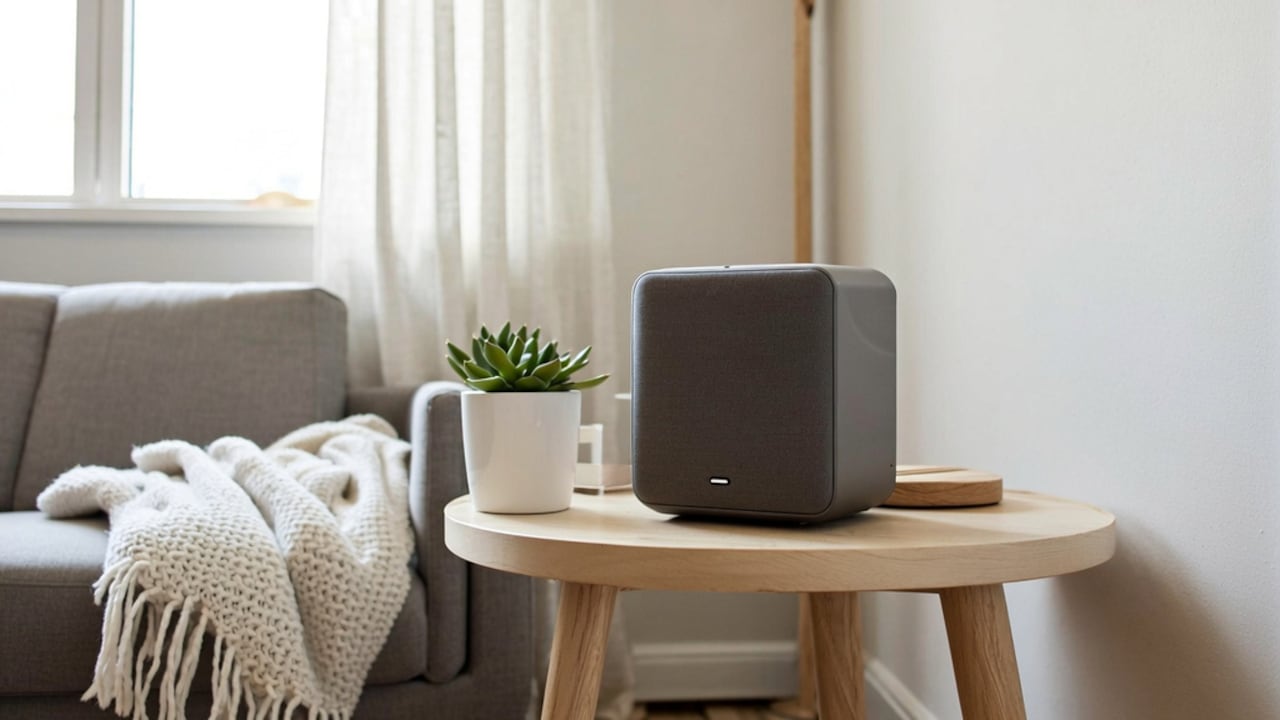
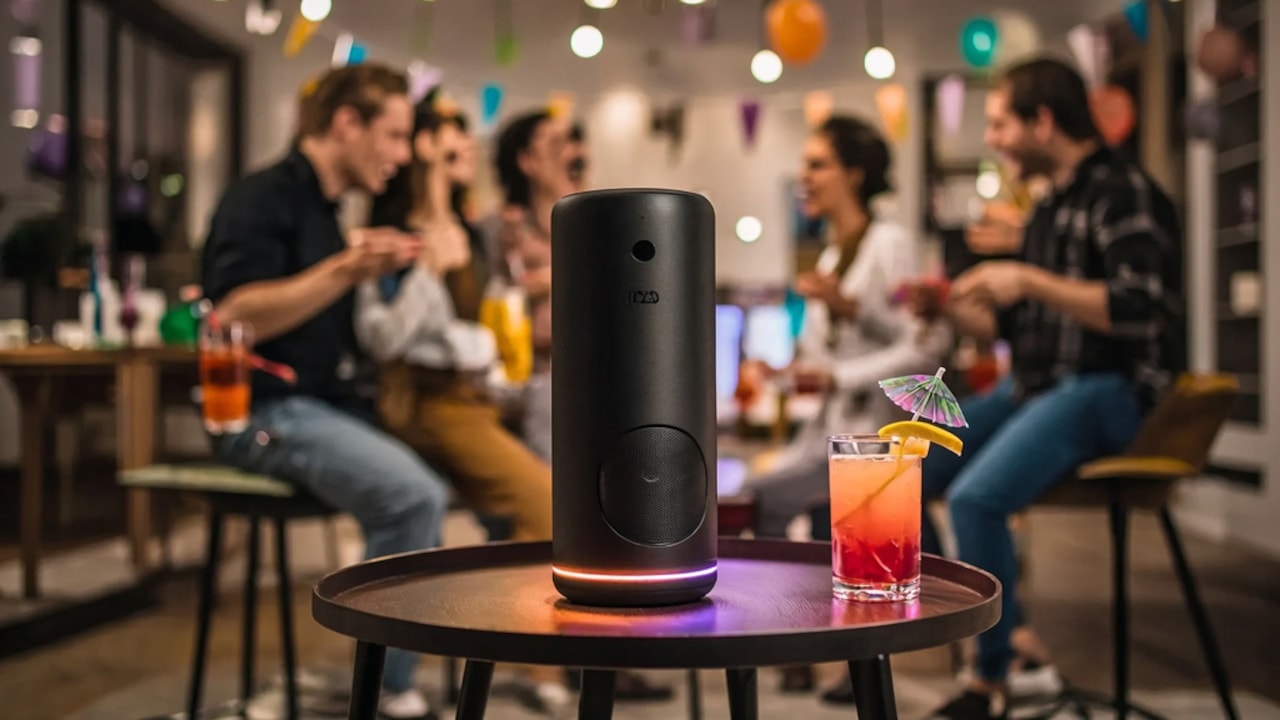
Large televisions look powerful, but their built-in speakers often sound surprisingly modest. Modern screens have become thinner, leaving limited space for substantial audio components.
This creates an amusing mismatch. A film may show a helicopter crossing an enormous display while the sound arrives with the authority of a mobile phone placed inside a steel bowl. Dialogue can feel unclear, bass may lack weight, and action scenes may sound harsh at higher volumes.
Room acoustics add another complication. Bare floors, glass windows and empty walls can create echoes. Heavy curtains, rugs and soft furniture usually help, but they cannot repair weak speakers completely.
A good soundbar can transform the experience more effectively than moving from a 65-inch screen to a 75-inch one. Clear dialogue, wider sound and controlled bass make films feel more immersive, even when the display remains unchanged.
Budget planning should therefore include audio. Spending every rupee on screen size may leave little room for better sound. A balanced setup often brings greater enjoyment than a visually impressive television that requires subtitles simply because nobody can understand the dialogue.
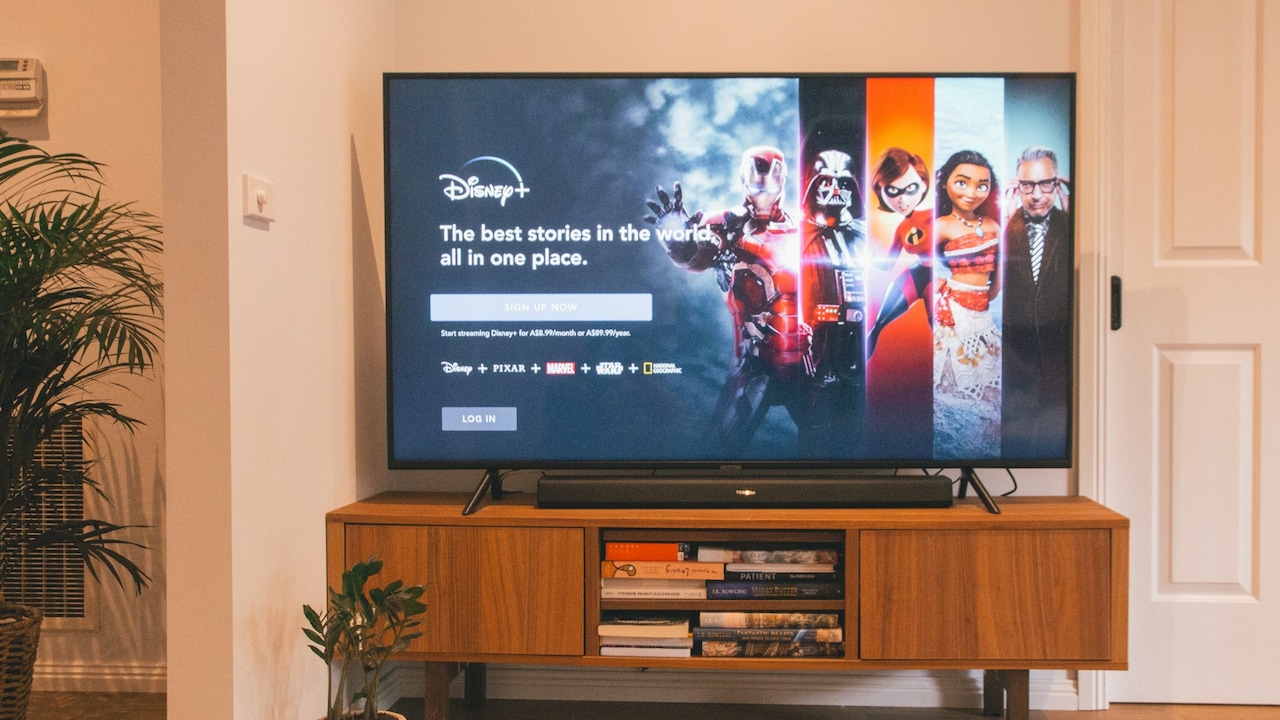
A bigger screen size does not guarantee better audio experience
Photo Credit: Unsplash
Lighting Can Make A Giant Screen Disappointing
Television performance changes throughout the day. A screen that looks stunning at night may struggle in a bright room at noon.
Sunlight and reflections can reduce contrast, hide dark details and make colours appear faded. A larger screen also creates a larger reflective surface. Windows, tube lights and even a brightly coloured shirt may appear during darker scenes, creating an unexpected supporting cast.
Placement can solve many of these problems. Positioning the television opposite a window usually causes more reflections than placing it on a side wall. Curtains or blinds can help, particularly during daytime films. Soft lighting behind or beside the screen may also reduce eye strain during evening viewing.
Panel technology matters too. Some televisions reach higher brightness levels, while others handle reflections more effectively. A larger but glossy screen may perform poorly in a sunlit hall, while a smaller, brighter television remains clear.
The best screen size cannot compensate for unsuitable lighting. Before choosing a television, observe the room during morning, afternoon and evening hours. The sunlight may have a stronger opinion about the purchase than anyone in the family.
Content Habits Should Guide The Choice
Not everyone uses a television in the same way. Some households spend weekends watching films and web series. Others keep news channels running during breakfast, enjoy devotional programmes in the morning or gather for cricket matches in the evening.
A large screen offers clear benefits for cinematic content, sports and gaming. Sweeping landscapes feel broader, stadiums look livelier and split-screen games become easier to follow. However, the same size may offer little advantage for casual news viewing or short online videos.
Content quality also varies. Streaming platforms often provide 4K programmes, but access may depend on the subscription tier and internet speed. Paying ₹1,20,000 for a huge 4K television makes less sense when most viewing comes from heavily compressed cable channels.
Consider how many hours each type of content receives. A film enthusiast may value immersion. A household that mainly watches talk shows may prefer brightness, clear dialogue and reliable viewing angles.
Buying for real habits prevents disappointment. The television should suit Tuesday evenings as well as festival-day blockbusters. Showroom demo videos may look spectacular, but they rarely resemble everyday viewing.
Wide Viewing Angles Matter For Family Rooms
The person sitting directly in front of the television usually receives the best picture. Everyone else may see something different, depending on the panel.
In many homes, television viewing is a group event. One person occupies the centre of the sofa, another claims the armchair, children sit on the floor, and a late arrival watches from the dining table. A large screen does not help much when colours fade or contrast drops for people seated at the sides.
Some display technologies maintain colour and brightness across wider angles. Others look excellent from the centre but lose quality quickly off-axis. This difference can matter more than screen size during family gatherings, sports finals or movie nights.
Furniture arrangement deserves attention too. A large television may encourage viewers to spread across a wider area, making viewing-angle limitations more obvious. A smaller screen with better off-centre performance can give everyone a more consistent picture.
When comparing televisions, do not stand only in the middle. Move to the left and right. Check skin tones, dark scenes and subtitles. The best seat should not become a prize awarded to whoever reaches the sofa first.
Bigger Screens Can Expose Poor Internet
Streaming has made picture quality dependent on more than the television. Internet speed, Wi-Fi stability and platform compression all affect what appears on screen.
A large 4K display demands high-quality video. When the connection slows, streaming services may reduce the resolution to prevent buffering. On a smaller television, the drop might seem minor. On a giant screen, soft details and blocky backgrounds can become obvious.
Wi-Fi coverage often weakens in rooms far from the router. Thick walls, closed doors and multiple connected devices may create interruptions. During a crucial match, the television may freeze just before a wicket while every family member suddenly becomes a network engineer.
A wired connection, a better router or a mesh system can improve reliability. Upgrading the internet plan may also help when several people stream, work or play online simultaneously.
Before purchasing a very large screen, test 4K streaming in the intended room. A television costing ₹2,00,000 cannot produce pristine video from an unstable source. The screen may be ready for a cinematic experience, but the broadband connection must also turn up for the show.
Comfort Matters More Than Showroom Drama
Television showrooms create an environment designed to impress. Screens use vivid demo modes, bright colours and dramatic footage. Large models occupy prominent walls, while smaller televisions can look underwhelming in the vast space.
At home, the experience changes. Lighting becomes softer, viewing sessions become longer, and content becomes more ordinary. The television must remain comfortable during a three-hour film, a five-day cricket match or an enthusiastic weekend binge.
An oversized screen may cause eye fatigue when placed too close. Excessive brightness can feel harsh at night. Constant head or eye movement can make long viewing sessions tiring. These issues rarely appear during a ten-minute showroom visit.
Comfort also includes practical details. The television should fit securely on the wall or cabinet. Doors should open freely. Speakers, consoles and set-top boxes need space. Installation costs may rise for extremely large models, and shifting the television during painting or moving house can become a small engineering project.
The most satisfying choice often feels impressive without demanding attention. Entertainment should create excitement, not neck exercises.
Value Comes From Balance, Not Maximum Inches
Television pricing can tempt buyers into chasing size. A sale may place a basic 70-inch model close to the price of a premium 55-inch television. The larger number looks like better value, but specifications require closer attention.
A lower-priced giant screen may compromise on brightness, contrast, refresh rate, software speed or build quality. It may also offer fewer modern gaming features or weaker after-sales support. The premium smaller model could provide a smoother interface, better processing and a more dependable panel.
Running costs deserve consideration as well. Larger televisions generally consume more electricity. The difference may not ruin a monthly budget, but it adds up over years of daily use.
A sensible budget covers the complete setup: television, installation, wall mount, soundbar, surge protection and perhaps improved internet equipment. Spending ₹90,000 wisely across the system may create a better experience than putting the entire amount into the largest available panel.
Value does not mean collecting the maximum number of inches. It means paying for features that remain enjoyable after the excitement of unboxing fades.
Products Related To This Article
1. Xiaomi 138 cm (55 inch) FX Pro QLED Ultra HD 4K Smart Fire TV
2. TCL 139 cm (55 inches) 4K Ultra HD Smart LED Google TV
3. Samsung 55 inches Crystal UHD 4K Samsung Vision AI Smart TV
4. VW 140 cm (55 inches) Pro Series 4K Ultra HD Smart QLED Google TV
5. Lumio Vision 7 127 cm (50 inches) 4K Ultra-HD Smart QLED Google TV
6. coocaa 138 cm (55 inches) 4K Ultra HD Smart Mini LED QLED Google TV
7. PHILIPS 139 cm (55 inches) 8100 Series 4K Ultra HD Smart QLED Google TV
A bigger television can deliver a thrilling viewing experience, but only when the room, distance, resolution and supporting setup suit it. Size creates immersion, yet it also magnifies poor video, weak processing, reflections and awkward placement.
The smartest choice balances screen dimensions with picture quality, sound, lighting, viewing angles and everyday habits. A well-chosen 55-inch or 65-inch television can feel more cinematic than an oversized model squeezed into the wrong space. Likewise, a 75-inch or 85-inch display can look magnificent when viewers sit at a comfortable distance and feed it high-quality content.
Before buying, measure the room, mark the screen dimensions on the wall and test the usual viewing position. Think about the programmes watched most often, not only the dazzling footage playing in the showroom.
The goal is not to own the biggest television in the neighbourhood. The goal is to enjoy every match, film and late-night comedy without eye strain, muddy dialogue or buyer's remorse. When size and quality work together, the screen stops looking like a piece of technology and starts feeling like a window into the story.
(Disclaimer: This article may include references to or features of products and services made available through affiliate marketing campaigns. NDTV Convergence Limited (“NDTV”) strives to maintain editorial independence while participating in such campaigns. NDTV does not assume responsibility for the performance or claims of any featured products or services.)