Does Screen Size Alone Decide Projector Distance? 10 Home-Theatre Myths Explained
Screen size isn’t the only factor that decides projector distance. From throw ratio and brightness to 4K resolution and room lighting, discover the truth behind 10 common home-theatre myths.
Does Screen Size Alone Decide Projector Distance? 10 Home-Theatre Myths Explained
Setting up a home theatre often begins with a wonderfully simple dream: a huge screen, crisp visuals, booming sound and weekend films without overpriced popcorn. Then the measurements begin. Suddenly, there are questions about throw ratio, lumens, screen gain, resolution, ceiling mounts and whether the sofa needs to move three feet towards the kitchen. Advice from friends, shopkeepers and enthusiastic online forums can make matters even more confusing. One person insists that a 120-inch screen requires a large room. Another says 4K automatically looks brilliant. Someone else suggests buying the brightest projector available and worrying about everything else later. Home projection does not work quite like that.
Does Screen Size Alone Decide Projector Distance? 10 Home-Theatre Myths Explained
Photo Credit: Pexels
Screen size matters, of course, but it works alongside projector design, room dimensions, viewing distance, lighting and installation choices. Understanding these relationships can save money, prevent awkward drilling and stop a promising home-theatre setup from becoming an expensive geometry lesson. Here are ten myths that deserve to be switched off.
10 Home-Theatre Myths That Could Be Ruining Your Viewing Experience
1. A Bigger Screen Always Needs The Projector Farther Away
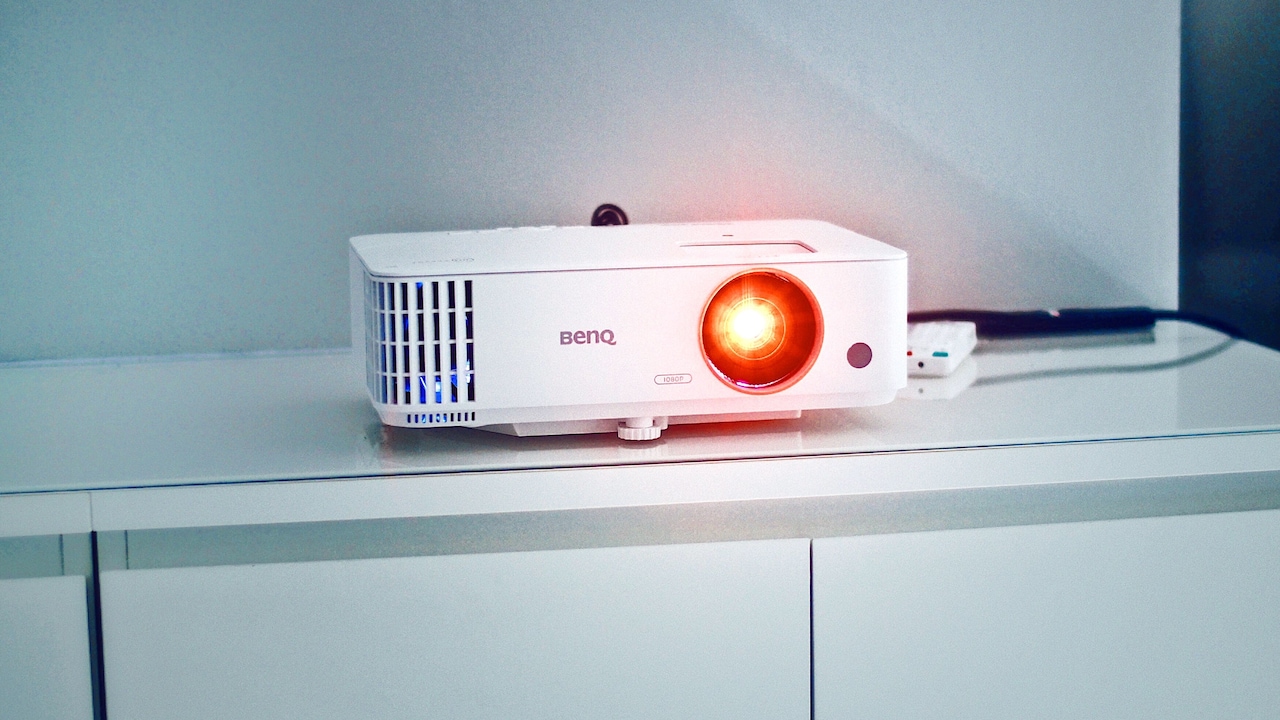
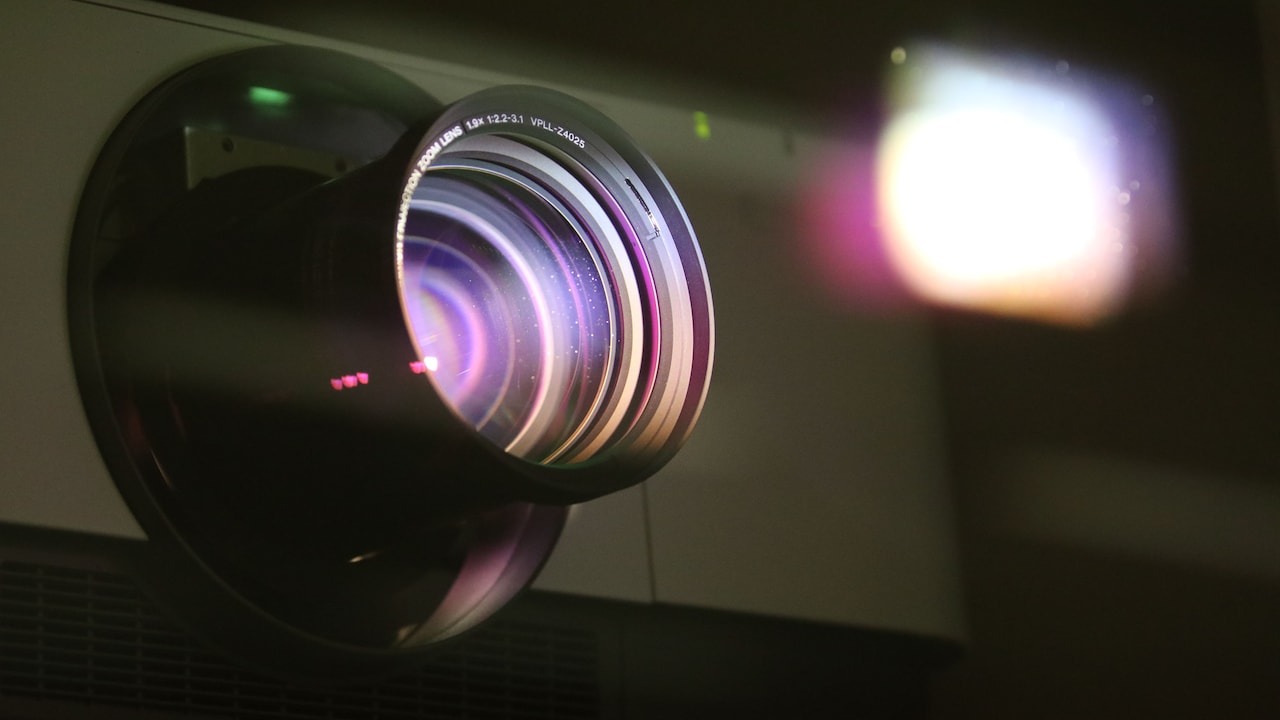
This is probably the most persistent home-theatre myth. Screen size influences projector placement, but it does not decide the distance by itself. The crucial figure is the projector's throw ratio.
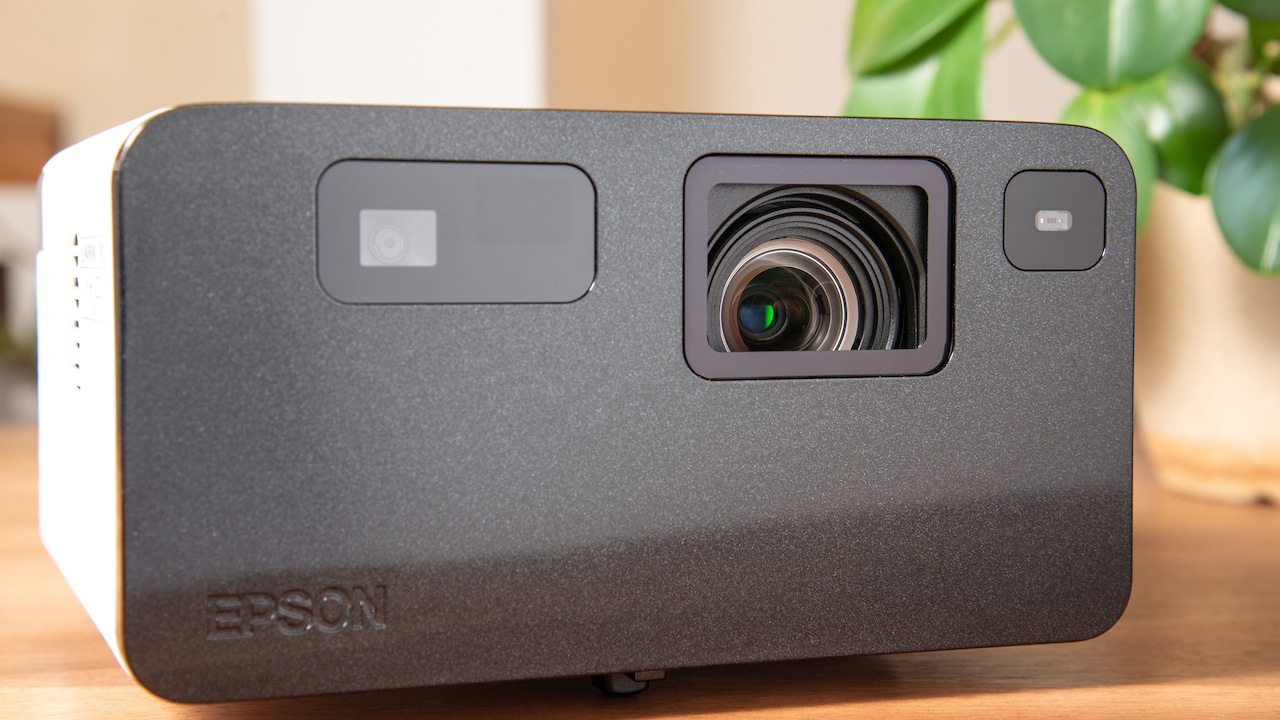
A standard projector may need several metres between the lens and screen to create a 100-inch or 120-inch image. A short-throw model can produce a similar picture from much closer. An ultra-short-throw projector can sit only centimetres from the wall.
That difference matters enormously in flats and compact living rooms. A family may have enough wall space for a dramatic 120-inch picture yet only three metres of room depth. Buying a conventional long-throw projector without checking its specifications could turn installation day into furniture-shuffling chaos.
Manufacturers usually provide a throw-distance calculator or projection chart. Use it before measuring ceiling brackets or ordering a screen.
Think of screen size as only one piece of the puzzle. Lens design supplies the missing piece. Two projectors creating the same image size may require completely different mounting positions.
2. More Lumens Always Mean A Better Picture
Brightness numbers are wonderfully tempting. A projector advertising 4,000 lumens sounds automatically superior to one rated at 2,500. Yet brightness alone says surprisingly little about overall picture quality.
A very bright projector can help in rooms where curtains stay open during afternoon cricket or where ambient lighting cannot be controlled. In a dark home-theatre room, however, excessive brightness may make blacks appear grey and reduce the cinematic depth viewers expect.
Contrast, colour accuracy and light control matter just as much.
There is another complication: manufacturers may quote brightness using different testing methods. Some numbers represent maximum output in a picture mode that nobody would willingly use for a two-hour film because colours become noticeably less natural.
Rather than chasing the highest figure, match brightness to the room. A controlled, dark space often needs less light than a multipurpose living room.
It is a little like buying the loudest speaker without listening to how it sounds. Volume is useful, but quality decides whether anyone wants to keep listening.
3. A White Wall Works Exactly Like A Projector Screen
A freshly painted white wall can certainly display a projector image, and it may look perfectly respectable for casual viewing. That does not make it identical to a proper projection screen.
Walls often contain tiny bumps, uneven paint, roller marks or subtle colour variations. They may be invisible during normal daylight yet become surprisingly obvious across a large projected image.
Dedicated screens use surfaces designed to reflect light more consistently. Some also have specific gain values that influence brightness and viewing angles. Others reject a portion of ambient light, which can be useful in living rooms where complete darkness is unrealistic.
None of this means a screen is compulsory on day one. A smooth wall is a sensible starting point, particularly when the budget has already taken a beating from the projector, speakers and suspiciously expensive recliners.
However, viewers chasing better uniformity and contrast may eventually notice the difference.
Spending ₹1,00,000 on projection equipment and then aiming it at a cracked wall is rather like buying polished formal shoes and refusing to remove the price sticker.
4. A 4K Projector Automatically Gives Cinema-Quality Images
The 4K badge carries enormous marketing power. Unfortunately, resolution cannot rescue every other part of a projector.
A great picture depends on several things working together: resolution, contrast, lens quality, colour reproduction, source quality and calibration. A mediocre 4K projector may look less impressive than a well-designed lower-resolution model with stronger contrast and better optics.
Content matters too. Streaming a heavily compressed video will not suddenly become reference-quality simply because the projector can display millions of pixels.
Viewing distance also affects how much extra detail becomes visible. From far enough away, the difference between resolutions can become much less dramatic, particularly on smaller screens.
Some projectors also use pixel-shifting technology to create a 4K image rather than employing a native 4K imaging panel. That does not automatically make them poor choices. Many pixel-shifting models deliver extremely sharp pictures for home use.
So, treat 4K as one specification rather than the entire buying decision. A specification sheet may impress guests for five minutes. Good contrast and natural colour will keep them watching for the whole film.
5. Projector Placement Can Be Fixed Later With Keystone Correction
Keystone correction feels like magic the first time it rescues a crooked rectangle. Tilt the projector, tap a few settings and the picture suddenly looks square again.
That convenience often leads to another myth: projector placement does not need to be particularly accurate because keystone correction will sort everything out.
It can help, but relying heavily on digital keystone adjustment may reduce effective image resolution and sharpness. The projector is digitally reshaping the picture rather than physically aligning the optics.
The better approach is to position the projector as accurately as possible first. Lens shift, where available, is generally preferable because it moves the projected image optically without the same digital manipulation.
This becomes especially important in permanent ceiling installations. Spending an extra half-hour measuring the centre line, lens height and throw distance can prevent years of staring at slightly softened subtitles.
Temporary setups naturally require more flexibility. Nobody wants to perform architectural surveying before every Sunday film.
Use keystone correction as a useful finishing tool, not as permission to mount the projector wherever the nearest plug socket happens to be.
Also Read: 4k Projectors Under ₹50000 For Small Rooms On Amazon
6. Sitting Closer Always Makes A Big Screen More Immersive
Immersion is part of the appeal of projection. A massive picture can make a normal living room feel wonderfully theatrical. Yet sitting closer does not endlessly improve the experience.
Move too near a large screen and viewers may begin moving their eyes, or even their heads, constantly across the frame. Fine pixel structure can also become easier to notice, depending on projector resolution.
The ideal viewing distance depends partly on screen size and personal preference. Some people enjoy a wide, cinema-like field of view. Others prefer something calmer, particularly for television, sport or long viewing sessions.
A practical trick is to test the planned screen size before buying anything permanent. Project onto the wall, sit on the sofa and watch several types of content. Try subtitles, fast action, sport and a slower drama.
If reading dialogue feels like watching a tennis match from the umpire's chair, the screen may be too large for that seating distance.
Immersion should feel absorbing rather than exhausting. Bigger can be wonderful. Bigger plus comfortable is considerably better.
Does Screen Size Alone Decide Projector Distance? 10 Home-Theatre Myths Explained
Photo Credit: Pexels
7. The Most Expensive HDMI Cable Gives Better Picture Quality
Home-theatre shopping has a peculiar ability to make ordinary cables sound like jewellery.
An expensive HDMI cable does not automatically produce richer colours, deeper blacks or sharper detail than a correctly functioning, certified cable that meets the required bandwidth.
HDMI carries digital data. In normal circumstances, the signal arrives correctly or noticeable problems appear, such as flickering, drop-outs or failure to display certain resolutions and refresh rates.
Where cable quality becomes important is distance and bandwidth. Long runs between an equipment cabinet and ceiling-mounted projector can be demanding, particularly when sending 4K HDR signals at high data rates. Active or fibre-optic HDMI cables may therefore be sensible for longer installations.
That is a technical requirement, not an invitation to spend ₹25,000 on a cable because the packaging mentions “cinematic clarity”.
Check the HDMI standard required by the projector and source device, then choose a reputable certified cable suitable for the length involved.
Money saved here can go towards things that genuinely change the experience, such as better speakers, blackout curtains or enough snacks to survive an entire film trilogy.
8. A Dark Room Guarantees Perfect Projector Contrast
Turning off the lights certainly helps projection. It does not automatically create perfect contrast.
The room itself can reflect projector light back onto the screen. White ceilings, pale walls, glossy furniture and light-coloured flooring can bounce light around the space, washing out darker scenes.
This is why dedicated cinema rooms often use darker, matte finishes. They absorb more stray light instead of cheerfully sending it straight back towards the image.
That does not mean every living room needs to resemble a black velvet cave. Simple changes can help. Dark curtains, less reflective furnishings or switching off nearby lamps may improve perceived contrast without redecorating the entire house.
Projector technology also matters. Some models handle black levels far better than others, regardless of room conditions.
Imagine watching a moody space thriller. The room is technically dark, yet every bright explosion lights up the cream ceiling like a wedding hall. Some of that reflected glow finds its way back to the screen.
Darkness helps. Light control helps more. Good contrast comes from the projector and the environment working together.
9. Projectors Are Too Expensive To Run Compared With Televisions
Projectors once had a reputation for demanding regular lamp replacements, each accompanied by a slightly alarming bill. Modern models have changed the equation.
Traditional lamp-based projectors still exist, but LED and laser light sources are now common across many price ranges. These solid-state systems can offer tens of thousands of hours of expected operation before brightness declines significantly.
Suppose a laser projector is rated for 20,000 hours. Even at four hours of use every day, reaching that figure would take well over a decade.
Running costs still vary. Brightness settings affect power consumption, filters may need maintenance and different technologies have different ownership considerations.
The initial purchase can also be substantial. A capable home-theatre setup may require a screen, audio system, mount and cables alongside the projector itself.
However, comparing projector cost with a similarly enormous television changes the conversation. Once screen ambitions reach 100 inches or more, projection can become surprisingly attractive.
The better question is not whether projectors are expensive. It is what screen size and experience the same budget can realistically deliver.
10. Any Projector Can Create A Great Home Theatre
This final myth causes many disappointing purchases.
Projectors are built for different purposes. A business projector designed for bright presentations may prioritise brightness and portability. A gaming model may focus on low input lag. A home-cinema projector may prioritise contrast, colour accuracy and image processing.
Using the wrong category can create a technically large picture that never quite feels cinematic.
Room conditions should guide the choice too. A compact bedroom may benefit from short-throw projection. A large dedicated room might suit a conventional model with flexible lens shift. A bright living area may need stronger light output or an ambient-light-rejecting screen.
Even installation style matters. Someone who moves frequently may value portability more than perfect black levels. A permanent theatre room can justify more careful mounting and calibration.
Start with the room and viewing habits rather than the specification sheet.
A projector should fit the space, not force the space to surrender. The best model is rarely the one with the biggest number printed on its box. It is the one that quietly disappears once the film begins.
Does Screen Size Alone Decide Projector Distance? 10 Home-Theatre Myths Explained
Photo Credit: Pexels
Products Related To This Article
1. WZATCO Yuva Go Plus, 1080P Native Smart Android Projector
2. Lifelong Electronics Lightbeam Smart LED Projector
3. XGIMI Vibe One 1080p Full HD Projector, Official Netflix & Google TV
4. E GATE Atom 3X Projector 4k Ultra HD Full HD 1080p Native Automatic Home Projector for Room
5. XGIMI New Launch MoGo 4 Portable DLP Projector, 1080P FHD, 450 ISO Lumens
6. Lifelong Electronics ROAR Projector with 2 Mics
7. Lumio Arc 5 Portable Home Projector
Building a satisfying home theatre is less about following rigid rules and more about understanding how the pieces interact.
Screen size does influence projector distance, but throw ratio decides how that relationship works. Brightness matters, but so do contrast and room lighting. Resolution helps, yet optics, source quality and seating distance can matter just as much. Even familiar shortcuts such as projecting onto a white wall or correcting poor placement with keystone adjustment come with compromises.
The good news is that a strong home-theatre setup does not require turning the living room into a technical laboratory. A measuring tape, a little research and a realistic understanding of the room can prevent most expensive mistakes.
Test screen sizes before committing. Check throw-distance specifications. Think about where people actually sit and how much daylight enters the space.
Then comes the enjoyable part: dim the lights, find the remote that somehow disappeared five minutes ago, silence the family group notifications and start the film. That giant screen will feel much better when it was planned rather than guessed.
(Disclaimer: This article may include references to or features of products and services made available through affiliate marketing campaigns. NDTV Convergence Limited (“NDTV”) strives to maintain editorial independence while participating in such campaigns. NDTV does not assume responsibility for the performance or claims of any featured products or services.)